
Surfing isn’t just a sport; it’s a vibrant culture steeped in history that dates back centuries, originating in the warm, rolling waves of ancient Hawaii. From the first Polynesian board riders to today’s electrifying competitions, this thrilling ride through the tides has transformed dramatically over time. Whether you’re a seasoned surfer or a beach-loving beginner curious about the roots of this exhilarating activity, understanding the evolution of surfing enhances your appreciation for each wave caught and every pint of saltwater splashed. Dive into the captivating journey of surfing, exploring how it blossomed from a revered tradition into a global phenomenon, and get ready to feel the rush of water beneath your board as you connect with the ocean’s ebb and flow. The wave of history awaits you-let’s paddle into it together!
The Origins of Surfing: A Journey Through Time
Surfing, a dance between rider and wave, has its roots deeply embedded in the cultural fabric of ancient Hawaii. Long before it became a global phenomenon, surfing-or “he’e nalu” as it is known in Hawaiian-was more than just a sport; it was an expression of identity, a rite of passage, and a harmonious connection with the ocean. Historical accounts suggest that surfing dates back to the 12th century when Polynesian voyagers first set foot on the Hawaiian islands. They employed simple wooden planks, made from local trees, to ride the gentle swells, with each wave offering both challenge and exhilaration.
In the early days, surfing was closely tied to Hawaiian society and spirituality. It was a sport for chiefs and warriors, a symbolic act reflecting social status and prowess. The waves were revered, treated with respect and gratitude as the lifeblood of the islands. The spectacle of skilled riders gliding gracefully atop breaking waves captured the imagination of both the local population and visiting sailors. Personal stories of legendary surfers like Duke Kahanamoku, who not only popularized the sport but also embodied its spirit, resonate through history-his legendary rides and charismatic presence brought surfing from the beaches of Waikiki to the global stage.
The Roots of He’e Nalu
As we trace the journey of surfing, it’s impossible to overlook the cultural rituals associated with it. Ancient Hawaiian surfers would engage in prayers and offerings to ensure favorable ocean conditions. Each wave was seen as a gift, a moment to connect deeply with nature. The early surfboards, known as “paipo” or “olo,” varied in size and design, showcasing the ingenuity and craftsmanship of Hawaiian artisans. These boards were crafted from heavy woods, which made for a challenging but rewarding ride that tested the limitations of both the surfer and the material.
Today, the legacy of ancient Hawaiian surfing continues to influence modern practices. From the way surfers maintain a sacred relationship with the ocean to the evolution of surfboard materials and designs, the spirit of he’e nalu lives on. For those looking to connect with this vibrant history, consider visiting the coastal waters of Hawaii, where you can learn from skilled instructors who share stories of the past alongside contemporary techniques. Whether you’re a seasoned pro or a curious beginner, diving into the origins of surfing reveals not just a sport but a rich cultural tapestry woven through time.
Ancient Hawaii: The Birthplace of Surfing
The mesmerizing dance of rider and wave finds its most profound roots in the stunning archipelago of Hawaii. This paradise was more than a geographical haven; it was the cradle of surfing, where the ancient art of he’e nalu flourished. Practiced since at least the 12th century by Polynesian voyagers, surfing transcended mere sport, becoming a vital component of life, culture, and community on these islands. Imagine the sound of waves crashing against smooth lava rocks, the salty breeze tousling your hair, and the vibrant colors of the sunset painting the horizon-this was the backdrop for the first surfers who artfully rode the tides on wooden boards carved from local trees.
In the earliest days, surfing was an arena for royalty and warriors, with great significance placed upon the ocean’s waves. Each ride was not just a personal achievement; it was a display of social status and connection to the divine. Surfers would enter the water with deep respect, engaging in prayers and offerings to ensure favored conditions. Their boards, known as “olo” for larger, longer models and “paipo” for smaller, shorter ones, reflected both artistry and functionality. These handcrafted boards were often heavy, made from native woods like koa and breadfruit, which challenged the surfers and showcased their skills. Imagine gliding across a vibrant blue sea on a sturdy paipo, feeling the thrill of the ride as you connected with nature in the most profound way.
As you delve into the spirit of he’e nalu, you’ll discover that surfing’s cultural significance is woven deeply into the Hawaiian way of life. Surfing was, and still is, a communal experience where friendships are forged and the ocean’s rhythms shared. This cultural tapestry continues to inspire modern surfers, who honor the ancestral practices as they carve through waves. If you crave an authentic experience, why not immerse yourself in this rich history? Head to the warm shores of Hawaii, where local surf schools not only teach you how to ride the waves but also share the stories and traditions that have shaped surfing as we know it today. As you paddle out, look around and breathe in the history, feeling the echoes of ancient surfers guiding you.
The Evolution of Surfing Techniques
From the moment ancient Hawaiians first hefted their carefully crafted boards into the surf, a profound relationship between surfer and wave began to take shape, evolving through centuries of practice, culture, and experimentation. The early techniques were inherently intuitive, reflecting a deep connection with nature and the rhythms of the ocean. Picture the majestic sight of a surfer gliding down the face of a wave on a heavy wooden board, their stance wide and low, harnessing the power of the surf while relying purely on balance and poise. In those formative days, it was more about revering the ocean than mastering intricate maneuvers; every ride was a testament to skill and spiritual connection.
As surfing spread across the globe, so too did its techniques, adapting to the diverse conditions and cultures encountered along the way. By the mid-20th century, surfers began refining their styles significantly. The introduction of lighter materials like fiberglass revolutionized board design, paving the way for faster and more maneuverable shapes. Surfers such as Duke Kahanamoku championed the sport internationally, and as their influence grew, so did interest in advanced techniques. The 1960s witnessed the birth of styles such as ‘nose riding,’ where surfers would skillfully balance on the front of their boards, and aerial maneuvers began to emerge, pushing the boundaries of what was thought possible on a wave.
As waves beckoned with ever-changing shapes and sizes, surfers innovated their techniques even further. The freewheeling spirit of the 1970s brought along aggressive shortboarding, where riders adopted a more compact board design that facilitated quicker turns and radical tricks. Suddenly, the ocean was not just a playground but a canvas for self-expression. Each generation of surfers has added their brush stroke, evolving skills like carving, cutbacks, and even 360 spins, breathing life into a dynamic culture that celebrates both individuality and camaraderie in the face of the ocean’s challenge.
Today, as surfers inch closer towards achieving the impossible-with moves once seen only in dreams, like the aerial 540-it’s clear that this evolution is an ongoing journey. For those eager to join in, starting with the fundamentals is key. Focus on mastering your balance and understanding the wave’s rhythm before diving into advanced tricks. Remember to engage with your local surf community or a surf school, as they can offer invaluable practical advice and camaraderie. The ocean is calling-answer with both respect and excitement, and you may just find your own unique style amidst the beautiful chaos of riding the waves.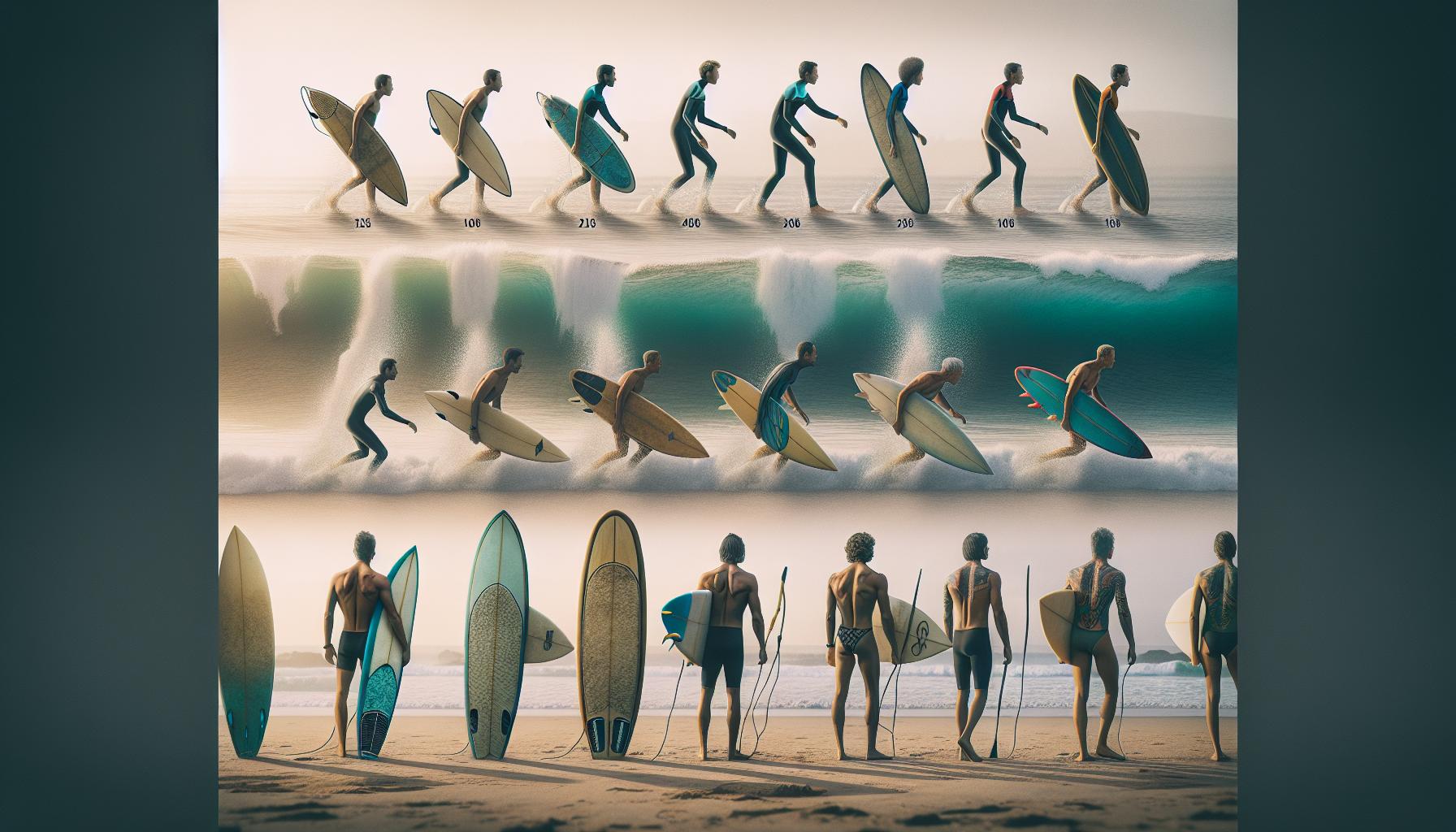
The Rise of Surf Culture in the 20th Century
The shimmering blues of the ocean and the salty scent of the waves captured the hearts of many during the 20th century, marking the dawn of surf culture as we know it today. Emerging from the rich heritage of ancient Hawaiian surfing, this vibrant lifestyle began to flourish in the United States, particularly in California during the post-World War II era. Sun-soaked beaches became playgrounds for a new generation, where the quest for the perfect wave met the exuberance of youth culture, giving rise to a distinct ethos centered around freedom, adventure, and camaraderie.
As surfing icons like Duke Kahanamoku made waves internationally, the sport began to attract attention beyond its traditional roots. The 1960s ushered in a wave of innovation not just in surfing techniques but also in fashion and music, as surf culture intertwined with the burgeoning counterculture of the time. Surfers donned vibrant boardshorts, stylish tanks, and flip-flops while a soundtrack of surf rock filled the air, with bands like The Beach Boys capturing the essence of this sun-kissed lifestyle. Surfboards evolved as well, moving from heavy wooden constructions to lighter, more maneuverable designs, which allowed for more daring tricks and a greater expression of individual style on the waves.
Throughout the 1970s and beyond, the spirit of competition and innovation surged, leading to groundbreaking advancements in surfing techniques and gear. Young surfers became pioneers, pushing the boundaries of the sport with exhilarating maneuvers that amazed onlookers and inspired new generations to hit the waves. Alongside the growth of local surf clubs and competitions, the lifestyle gained popularity across the globe. From the iconic beaches of Bondi in Australia to the picturesque shores of Hawaii, surfing resonated with a universal call to ride the rhythm of the ocean, uniting people from all walks of life in a shared passion.
Embracing the surf community means immersing oneself in this exhilarating culture, where every experience is a story waiting to be told. For beginners eager to ride their first wave, the best advice is to connect with local surf schools or experienced surfers who can provide guidance and support. Invest in the right gear-such as a beginner-friendly soft-top board and a good wetsuit-and never forget the mantra: it’s not just about catching waves but about cherishing the journey and the friendships forged along the way. Grab your board, let the ocean envelop you, and dive into the thrill of riding waves, as surf culture is not just a hobby but a way of life that invites everyone to discover their own rhythm among the tides.
Surfing’s Global Expansion: From Hawaii to the World
The journey of surfing from its ancient Hawaiian roots to a global phenomenon is nothing short of exhilarating. As the sun spills golden rays over the ocean, surfers around the world ride waves that echo the spirit of Hawaiian kings and queens who first glided across the water. This captivating sport quickly transformed from a sacred cultural expression into a universal passion, uniting people across continents. Surfing’s expansion was facilitated by the growing accessibility of beaches, rising media coverage, and the infectious enthusiasm of coastal communities, all of which helped swell the ranks of surfers eager to carve their own path on the waves.
Hawaii, regarded as the birthplace of surfing, witnessed the sport’s spiritual essence as early as 1000 AD. The art of riding waves was deeply intertwined with Hawaiian culture, ritual, and even class status. But this vibrant pastime leapt beyond the shores of the islands, especially during the 20th century, as surfing culture made its mark in California, Australia, and beyond. The surf revival of the 1950s and 1960s ignited a wave of interest, amplified by iconic figures like Duke Kahanamoku, who shared the thrill of wave riding globally. The explosion of surf movies, music, and fashion during this era created a lifestyle that captured not only seasoned surfers but also intrigued newcomers, inviting them to experience the freedom found in the ocean’s embrace.
As surfing spread internationally, each new location added its own flavor to the sport. Australia’s beaches like Bondi became renowned for their consistent swells, while African coastlines offered long right-handers just waiting to be surfed. The diverse landscapes around the globe contributed to a mosaic of surf cultures, where local traditions blending with the universal love for the ocean deepened its appeal. Today, surfing communities thrive in places like Bali, Japan, and South Africa, each grounded in respect for the ocean and a collective passion for sharing the stoke.
For those looking to immerse themselves in this ever-expanding surf culture, starting your journey is a breeze. Seek out local surf schools that prioritize values from safety to eco-conscious practices, ensuring that you learn how to respect the ocean while riding your first waves. Choose gear that complements your skill level; a soft-top board often makes for a perfect first ride. As you embark on your surfing adventure, remember that every ride has a story, and every wave you conquer is a small piece of the surfer’s legacy, beckoning you to join the ranks of those who adore the sea. Grab your board, embrace the thrill, and connect with the community that celebrates the joy of riding the waves, no matter where you are in the world!
The Influence of Technology on Modern Surfing
The transformation of surfing from an ancient Hawaiian ritual to a modern global sport is nothing short of a technological journey. As surfers paddle out, one can’t help but notice the evolution of the very boards they ride: from heavy wooden planks to sleek, performance-enhancing designs. Modern advancements in materials and technology have not only made surfing more accessible to newcomers but have also refined the art for seasoned wave riders seeking that perfect ride. The surfboard itself has undergone a metamorphosis, with innovations in foam cores, fiberglass skins, and cutting-edge designs that maximize buoyancy and maneuverability.
Revolutionizing Surfboards
Today’s surfboards are crafted from high-density foam, layered with lightweight fiberglass and high-performance resins, allowing for agile movements on the waves. This shift has opened doors for surfers of all skill levels to explore their potential. For example, shortboards now include features like concave bottoms and varied fins that cater to different surfing styles and wave conditions. Moreover, brands constantly experiment with eco-friendly materials, striving to reduce the industry’s environmental footprint while enhancing performance. If you’re new to surfing, consider boards designed for stability and ease, such as soft tops or minimal longboards that encourage confidence as you hone your skills.
Tech Meets the Ocean
The influence of technology extends beyond equipment. The integration of apps and digital platforms has changed how surfers connect with each other and the ocean itself. Wave forecasting technologies offer real-time data on swell size, wind, and tides, giving surfers the ability to plan their sessions more effectively. In addition to forecasting, devices like surf trackers are gaining popularity, allowing surfers to analyze their performance metrics such as speed, wave count, and duration. This feedback not only aids in honing skills but also fosters a deeper connection with the sport.
Moreover, the advent of drone technology has taken surf photography and videography to new heights-literally! Capturing stunning aerial views of surfers riding perfect waves has become common, allowing for an immersive experience that showcases the beauty and thrill of the sport. Whether you’re documenting your own surfing journey or following the exploits of professional athletes, these innovations keep the spirit of surfing alive and vibrant in a visually dynamic way.
In a nutshell, technology continues to shape and elevate the world of surfing, breaking down barriers and blurring the lines between the ocean and the digital world. Whether you’re chasing the next big swell or riding your first wave, there’s a piece of modern tech ready to enhance your experience. As you step into this evolving culture, embrace the gear, apps, and innovations that make surfing not just a sport, but a lifestyle that unites adventurers around the globe-where every wave carries echoes of history and whispers of technology.
Surfing Competitions: From Local Contests to Global Events
Surfing competitions have transformed from humble beginnings into a global phenomenon, captivating enthusiasts with the rush and excitement of wave riding. Picture vibrant beaches, the salty tang of the ocean breeze, and crowds buzzing with anticipation as surfers prepare to showcase their skills. From local contests that celebrate community spirit to international events that draw the world’s elite surfers, competitions have become a thrilling arena where talent and passion collide.
In the early days, surfing contests were often informal gatherings among friends, a way for locals to challenge each other and celebrate their love for the ocean. Today, these competitions have evolved into structured events governed by organizations like the World Surf League (WSL), which has elevated surfing to a professional sport with major sponsorships, prize money, and global recognition. These events take place at some of the most iconic surf spots around the globe, from the powerful waves of Jeffrey’s Bay in South Africa to the legendary surf of Pipeline in Hawaii. Spectators line the beaches, soaking in the sun while the sounds of crashing waves and cheering fans create a lively backdrop for the spectacle.
The Competition Structure
Surfing competitions typically follow a series of heats, where surfers are judged on their performance through criteria such as wave selection, maneuver variety, and overall style. The intensity of the competition is palpable as participants navigate tricky conditions and strive to impress the judges with their most daring moves. For those new to surfing, watching these events is not just thrilling; it’s also an excellent opportunity to learn. Whether it’s witnessing how surfers position themselves on the board or the subtleties of reading the waves, competitions offer a front-row seat to masterful technique in action.
Here are a few tips for those looking to dive into the competitive scene, whether for fun or to sharpen their skills:
- Join Local Competitions: Community contests are a fantastic starting point. Check your local surf shops or clubs for upcoming events.
- Study the Pros: Attend pro competitions to absorb techniques and strategies from top surfers. Analyze their moves-what works, and what doesn’t?
- Work on Your Skills: Prioritize having fun while improving your technique. Whether it’s practicing turns, developing speed, or perfecting your balance, every session helps.
As the waves roll in and the competitions heat up, the surfing community continues to thrive, welcoming veterans and newcomers alike. Each contest not only showcases the athleticism and artistry of its participants but also reinforces the unique culture of surfing that values connection to nature and camaraderie among wave riders. The thrill of competition, paired with the ocean’s unpredictable beauty, keeps the spirit of surfing alive and exhilarating, making every event a celebration of both skill and passion for the sport.
The Impact of Surfing on Music and Art
The rhythmic whispers of the ocean and the exhilarating dance of the waves have not only captivated surfers but also inspired profound artistic and musical movements. From the very genesis of surfing in ancient Hawaii, where it was deeply intertwined with the local culture, to the explosive surf culture of the 20th century, the influence of surfing on music and art has been undeniable. As surfers ride the crest of a wave, they don’t just chase stoke; they create a cultural narrative that echoes through melodies and brushstrokes.
Surf music surged to popularity in the 1960s, characterized by its upbeat tempos and reverb-soaked guitar riffs. Bands like The Beach Boys and Jan and Dean encapsulated the surf lifestyle, painting a vibrant picture of sun-soaked days and exhilarating ocean rides. Songs like “Surfin’ USA” became anthems, not only defining a genre but also solidifying surfing as a quintessential part of youth culture. The iconic imagery in their music videos-beach parties, surfboards, and coastal sunsets-helped forge an indelible connection between the sounds of surf rock and the exhilarating experience of wave riding.
Similarly, surf culture has profoundly impacted visual art. Artists like Rick Griffin and John Van Hamersveld emerged from the surf scene, infusing their works with the colorful, laid-back ethos that defines surf culture. Griffin’s psychedelic posters and surf-related art captures the essence of freedom and connection to nature that surfing embodies. Iconic imagery, such as Van Hamersveld’s surf art for the movie “Endless Summer,” resonates with surfers and art lovers alike, creating a visual narrative that celebrates both the sport and the lifestyle. These artistic expressions celebrate the fluidity and dynamism of the ocean, offering viewers an immersive experience that mirrors the rush of catching a wave.
The fusion of surfing with music and art shows that this beloved sport transcends mere recreation; it is a vibrant cultural phenomenon. Whether you’re strumming a guitar on the beach or creating that perfect painting inspired by the tides, the essence of surfing can bring out the artist and the musician in all of us. So, grab your board, your paintbrush, or your instrument-there’s a world of creativity just waiting to be explored amid the rolling waves and golden sunsets.
Environmental Concerns in Surfing: Nature and Sustainability
In a world where the roar of the ocean merges with the rhythm of our lives, the delicate balance between surfing and environmental responsibility has never been more crucial. As surfers, we are intimately connected to the surf’s ebb and flow, feeling the frothy rush of waves beneath our boards and basking in the sun-drenched glory of the coastline. But that very coastline-the vibrant ecosystems and breathtaking landscapes that fuel our passion-faces increasing threats from pollution, climate change, and overdevelopment. Embracing sustainability isn’t just an option for surfers; it’s a responsibility that can lead to a more enduring love affair with the ocean.
One of the most pressing concerns for surfers today is the issue of plastic pollution. Every year, millions of tons of plastic enter our oceans, affecting marine life and polluting our beloved surf spots. Each time you paddle out, you could encounter debris that detracts from the beauty of your surroundings and poses a threat to marine creatures. As conscious wave-riders, we can make a difference by advocating for beach cleanups, opting for sustainable surf gear, and minimizing single-use plastics in our daily lives. Engaging in these practices not only helps keep our oceans clean but also fosters a sense of community among surfers who share the same passion for preserving our playground.
Moreover, the effects of climate change are undeniable, impacting wave patterns and sea levels across the globe. As the planet warms, we face the loss of iconic surf breaks and the challenges of altered swells. Educating ourselves about climate action and supporting organizations that address environmental issues will help amplify our voices. Simple steps-like reducing carbon footprints, using eco-friendly products, and increasing awareness about our environmental impact-empower surfers to be stewards of the ocean. By nurturing a culture of sustainability within the surfing community, we can advocate for healthier beaches and a more resilient marine ecosystem.
As custodians of the surf, we can actively engage in practices that promote positive change. Grab a friend and explore eco-conscious brands that prioritize sustainability in their gear manufacturing. Choose products made from recycled materials, and when you’re ready to upgrade your board, consider donating your old equipment instead of tossing it. Each action, no matter how small, contributes to a larger wave of change. When we prioritize nature alongside our quest for perfect waves, we not only protect the ocean for future generations but also deepen our connection to this exhilarating lifestyle. So, let’s ride this wave of responsibility together, ensuring that our sweeping ocean views and thrilling surf sessions remain unharmed and vibrant for years to come.
Legends of the Surf: Iconic Personalities Through the Ages
When you think of surfing, images of sun-soaked beaches and glistening waves conjure up the spirit of the ocean. However, it’s the legends of the surf-iconic personalities throughout history-that have shaped the sport into what we know today. From the ancient Hawaiian chief who rode the waves on wooden boards to modern-day champions effortlessly gliding across massive swells, these figures embody the passion and resilience that define surfing culture.
One of the most celebrated early figures is Duke Kahanamoku, a Native Hawaiian known as the “father of modern surfing.” In the early 1900s, Duke not only excelled as an Olympic swimmer but also brought surfing into the public eye, showcasing its beauty and athleticism. His infectious enthusiasm and welcoming spirit helped turn a local pastime into a global phenomenon. Just picture it: Duke, with his stunning smile and powerful strokes, effortlessly riding the waves of Waikiki, inviting others to partake in the magic of the surf. His legacy is not just in the waves he rode but in the hearts of those he inspired to embrace the ocean’s call.
Trailblazers of the 20th Century
As surfing evolved, so did its legends. The rise of surf culture in the 1950s and 60s introduced a new generation of icons, such as Greg Noll and Rabbit Bartholomew, who pushed the limits of what was possible on a surfboard. Greg, with his daring spirit, was famous for tackling the giant waves of Hawaii’s Waimea Bay, earning the nickname “The Bull.” His adventurous exploits in Hawaii helped cement the North Shore as a surfing mecca.
In parallel, women like Linda Benson and Annette Kellerman emerged, challenging societal norms and shattering stereotypes. Linda, often seen carving through the waters of Malibu, showcased not only her incredible talent but also paved the way for female surfers in a male-dominated sport. The exhilarating sensations of riding the waves and the camaraderie of the surf community flourished as these surfing legends emerged, marking a transformative era in the sport’s history.
The Impact of Contemporary Icons
Fast forward to today, and we see the influence of modern surfing legends such as Kelly Slater and Bethany Hamilton. Kelly, the most decorated competitive surfer of all time, has continuously redefined the sport with his unmatched skill and dedication. His ability to innovate surf techniques has influenced countless surfers globally. Bethany, who tragically lost her arm to a shark at a young age, exemplifies resilience and courage. Her story is a powerful reminder that the ocean is as much about overcoming challenges as it is about enjoying the ride.
These icons remind us that the journey of surfing is not just about the act itself but the stories, challenges, and triumphs behind each wave. Whether you’re a seasoned surfer, a curious beginner, or simply an admirer of beach culture, the legends of the surf invite you to join the adventure, encouraging you to harness the thrill of the ride and embrace the ocean’s wonders. Each session out on the water connects us to these remarkable figures, establishing a lineage of passion, respect, and joy for the sport. So grab your board and paddle out, for the legends have paved the way, and the ocean awaits!
Surfing Gear Evolution: Past, Present, and Future
The transformation of surfing gear over the decades is a vivid reflection of how the sport itself has evolved, marrying heritage with cutting-edge technology. Imagine the ancient Hawaiian surfers who rode the waves on long, heavy wood boards called “olo” and “aikā,” expertly crafted from local trees. These substantial boards, while challenging to maneuver, gifted riders the stability needed to conquer the surf, forging a deep connection with the ocean that’s still celebrated today. As you plunge into the essence of surfing gear, you can almost hear the rhythmic crashing of waves and feel the spray on your face as you acknowledge its story-a tale of innovation and adaptation driven by the need for speed, performance, and accessibility.
Fast forward to the mid-20th century, where the dream of surfers transformed. The iconic shortboard era sprouted with the arrival of lighter, fiberglass boards in the 1960s, allowing enthusiasts to slice through waves with newfound agility. These boards, often adorned with vibrant colors and artistic designs, not only showcased personal style but also enhanced performance. Angles became sharper, and extremities extended; you could almost hear the roar of surf music pulsing in the background as surfers like Greg Noll pushed the envelope, riding bigger waves than ever before. The adoption of lighter materials like polyurethane revolutionized surfing, opening the door to competitions and a wave of surf culture that fostered communities across beaches globally.
In today’s surf landscape, technology has given way to innovations that many ancient Hawaiians could never have imagined. High-performance boards now incorporate artificial intelligence and computer-generated data to tailor shapes and sizes for specific conditions and surfer preferences. Brands are experimenting with eco-friendly materials, making sustainable choices that reflect a growing environmental consciousness among surfers. Consider surfboard companies that utilize recycled materials or even grow their own sustainable wood-such movements resonate with the culture of respect for nature that surfing embodies. The excitement of surfing has transcended boards themselves; accessories like the modern wetsuit, which utilizes advances in thermal insulation technology, allow surfers to extend their sessions even in cooler waters without sacrificing comfort.
As we look to the future, gear will continue to evolve with the rhythms of the ocean and the spirit of innovation. Convergence of tech and tradition will redefine how we experience waves. Imagine wearable tech that tracks performance in real-time or intelligent surfboards that communicate ocean conditions through smart sensors. As we celebrate the journey of surfing gear, it’s clear: each board, wetsuit, and accessory carries a narrative that connects past legends with the present and future adventurers of the surf. The waves are calling, and with each ride, they echo the stories of those who dared to dream, adapt, and conquer-so grab your board and ride the wave of history.
The Spiritual Connection: Surfing’s Cultural Significance
The ocean’s rhythm can be heard in the way surfers glide across its surface, weaving through waves in a dance that transcends sport. Surfing is more than just carving out rides; it is a profound spiritual journey steeped in culture, tradition, and connection to nature. It embodies the ancient Hawaiian philosophy of ‘Aloha,’ which encompasses love, respect, and community, making every surf session an intimate dialogue with the sea. The Hawaiian surf culture is rich with legends and spiritual practices, where the waves aren’t just a playground, but a sacred realm that demands respect and reverence.
For centuries, Hawaiian surfers honored the ocean’s power through rituals and offerings, seeking the blessing of the gods before venturing out. This deeply rooted spiritual connection remains vibrant today, as surfers worldwide find solace and unity in their shared experiences in the water. Whether it’s the electric anticipation that crackles in the air before a session or the serene peace that washes over when you’re riding a perfect wave, surfing cultivates a sense of mindfulness and presence that many chase both in and out of the water. Imagine standing at dawn, the horizon ablaze with warm hues, as you prepare for a day that could hold countless adventures-a moment where all worries dissolve, leaving only the endless possibility of the ocean ahead.
Cultural Traditions and Expressions
Surfing’s cultural significance is woven into the fabric of art, music, and community. Throughout the decades, surf culture has inspired countless songs, paintings, and films that celebrate both the thrill and the tranquility of the sport. The carefree spirit of surfers can be seen in the vibrant designs of surfboards, often emblazoned with symbols that pay homage to ancestral influences and marine life. Surf music-a genre propelled by legends like The Beach Boys-has forever altered the soundtrack of beach life, blending the sounds of the ocean with the excitement of riding waves.
Moreover, local surf communities create networks of camaraderie and support that resonate with the ideals of collective well-being. Participating in beach clean-ups, supporting local artists, organizing surf contests, and sharing stories around bonfires-all these activities enrich the cultural tapestry of surfing and foster a sense of belonging. For many, these communal aspects are just as fulfilling as the thrill of catching the next big wave.
Connection to Nature and Personal Reflection
As surfers, we are continually reminded of our relationship with the natural world. Each session presents an opportunity for introspection, as the ocean can be a mirror reflecting our own emotions and experiences. The challenges of navigating a powerful surf serve as a lesson in resilience and adaptability, echoing the ebb and flow of life itself. Many find that after a long day of riding, the ocean’s energy revitalizes their spirit, allowing the worries of life to wash away-like the tide at sunset, retreating while leaving glistening treasures on the sand.
Understanding this spiritual dimension of surfing invites enthusiasts to engage more deeply with their surroundings, promoting a lifestyle that respects the environment and acknowledges our impact on it. By recognizing the cultural significance and spiritual depth of surfing, all levels of surfers can find common ground, allowing them to appreciate not just the waves beneath their feet but the rich history that surrounds them.
Whether you’re a seasoned pro or a curious beginner, embracing the spiritual connection of surfing can transform your experience, making each ride a blend of adventure, meditation, and community. So next time you paddle out, take a moment to feel the ocean’s heartbeat and remember-you’re not just surfing; you’re participating in a timeless tradition that celebrates life, nature, and the joy of riding the waves.
Frequently asked questions
Q: What are the historical milestones in surfing’s evolution?
A: Key milestones in surfing include its origin in ancient Hawaii during the 12th century, the introduction of surfboards made from wood, and the establishment of surfing competitions in the 20th century. Each period marked significant advancements in techniques, culture, and technology that shaped modern surfing practices.
Q: How has surfing changed over the decades?
A: Surfing has transformed dramatically since the early 1900s. The introduction of lightweight materials in board design, the popularization of surf culture through media, and the rise of global competitions share the spotlight in this evolution. These changes have made surfing more accessible and diverse for enthusiasts worldwide.
Q: Where did surfing first gain popularity outside of Hawaii?
A: Surfing first gained popularity outside of Hawaii in California during the early 20th century, especially in places like Malibu and Santa Cruz. Influential surfers like Duke Kahanamoku played a crucial role in bringing surfing to the mainland, paving the way for a global surf culture.
Q: What role do surf competitions play in the sport’s history?
A: Surf competitions have played a pivotal role in the evolution of the sport, fostering community and enhancing techniques. From the first contests in the 1920s to modern international tournaments, these events have helped popularize surfing and elevate its status within the sports world.
Q: How did technology influence modern surfing?
A: Technology has revolutionized modern surfing through innovations in board design, wetsuits, and surf forecasting tools. Advances such as lighter materials and computer-aided designs allow for improved performance, making it easier for surfers to tackle challenging waves and enhance their experience.
Q: Why is surfing considered a cultural phenomenon beyond just a sport?
A: Surfing embodies a cultural phenomenon as it links sportsmanship, art, music, and lifestyle. Its influence on fashion, cinema, and community showcases its broad appeal. The spiritual connection many surfers feel with the ocean reinforces its significance beyond just athletic competition.
Q: When did surfing become a recognized professional sport?
A: Surfing became a recognized professional sport in the 1960s, with the establishment of organizations like the International Surfing Federation (ISF) and events that attracted global attention. This era marked the solidification of competitive surfing, creating a platform for surf athletes worldwide.
Q: What are some environmental concerns related to surfing?
A: Environmental concerns related to surfing include ocean pollution, coastal erosion, and the impact of climate change on wave conditions. Initiatives in the surfing community, such as beach clean-ups and eco-friendly surf gear, aim to promote sustainability and protect ocean habitats for future generations.
The Conclusion
As we ride the waves of surfing history from ancient Hawaii to today, it’s clear this timeless sport has shaped not only our oceans but also our culture. Now that you’ve discovered the origins and evolution of surfing, why not dive deeper? Check out our guide on essential surfing techniques to enhance your skills or explore the best surf spots around the world – your perfect wave awaits!
Don’t miss out on joining our vibrant surf community – sign up for our newsletter for tips, stories, and exclusive beach gear recommendations. If you have any thoughts or questions, we’d love to hear from you in the comments below! So grab your board, soak up the sun, and let’s keep this adventure rolling. Remember, every wave is a new story waiting to unfold, so stick around and explore more incredible content that celebrates the heart and soul of surf culture!
Get our latest guides, news, and insights highlighted in your Google Search & AI Overviews.