
Imagine the exhilarating rush of gliding over pristine waves, the salty breeze tousling your hair, and the sound of ocean swells greeting you like an old friend. But have you ever wondered where this timeless pursuit began? “Where Did Surfing Begin: Ancient Origins Uncovered” takes you on a captivating journey back to the roots of surfing, revealing how this beloved sport evolved from ancient Polynesian traditions into a global phenomenon. Discover the cultural significance and communal spirit that surfing fosters, transcending mere recreation to connect us with nature and each other. As we explore the depths of its history, you’ll find yourself not just a spectator of the waves, but an integral part of a vibrant legacy. Dive in and let the story of surfing’s origins inspire your next ride!
Ancient Civilizations: The Roots of Surfing
The ocean has been a playground for humans for thousands of years, but few activities capture its spirit quite like surfing. Originating in ancient Polynesian cultures, surfing was more than just a sport; it was a way of life intertwined with community and ritual. The earliest surfers were not just individuals riding waves; they were part of a rich tapestry of traditions, spirituality, and social structure that honored the ocean as a powerful force. Imagine the scene: long wooden boards gliding gracefully over sunlit waves, the salty breeze tousling hair, and the rhythmic crash of the surf echoing through vibrant island life. This profound relationship between the ocean and its wave-riders set the stage for what we now celebrate as surfing.
In ancient Hawaii, surfing, or “he’e nalu,” played a crucial role in social status and cultural identity. Chiefs and commoners alike participated in this exhilarating pastime, but the way they surfed often symbolized their rank. The finer the board, often made from prized trees like koa, the greater the respect commanded by the rider. The art of wave riding was also bound with spirituality; many believed that a successful ride could please the gods, ensuring favorable conditions for fishing and farming. Surfing was not merely a means of recreation but a sacred practice that connected the individual to the divine and the community.
As surfing spread beyond Polynesia, it began to evolve, adapting to the environments and cultures it touched. In regions like the coasts of Central and South America, indigenous tribes crafted their own boards from local materials, emphasizing craftsmanship and functionality. The aesthetics and techniques varied widely, with each community bringing its unique flair to the sport. These early surfing cultures laid the groundwork for modern surfing, a journey that continues to resonate with enthusiasts today. As you paddle out into the waves, remember that you’re part of a lineage dating back millennia, riding a legacy forged by ancient civilizations who cherished the ocean as much as we do now.
The Cultural Significance of Surfing in History

The rhythmic ebb and flow of the ocean has always held a deep allure for mankind, but few pursuits celebrate this connection as profoundly as surfing. Emerging thousands of years ago from the warm beaches of Polynesia, surfing burgeoned into a significant cultural practice, intricately woven into the fabric of community life. Picture a vibrant seaside scene where majestic waves crash against the shores, the salty breeze fills the air, and laughter erupts from gathered crowds as surfers ride the swells. This beautiful engagement with nature was not simply about the thrill of wave-riding; it was a manifestation of cultural identity, spirituality, and social hierarchy.
In ancient Hawaiian society, surfing, known as “he’e nalu,” was far more than a leisure activity-it was an art form that communicated the social dynamics of the island. Chiefly classes displayed their rank and prowess through the quality of their surfboards and their skill in riding the waves. Surfboards carved from sacred koa trees were symbols of status, and the act of surfing itself was steeped in spiritual beliefs. The ocean was revered, and many surfers sought the gods’ favor with every successful ride, embodying the spirit of Hawaiian mythology. This respect for the ocean and the practice of surfing manifested in festivals, competitions, and tribal gatherings where stories of legendary rides were exchanged, further binding communities together.
As surfing moved beyond the shores of Hawaii, it adapted and evolved, gaining unique expressions across diverse cultures. Coastal communities in Central and South America, for instance, embraced the sport using locally sourced materials to craft their boards, each telling a story of craftsmanship and heritage. The cultural significance of surfing transformed, reflecting local customs and integrating elements of each community’s worldview. This exchange of traditions and techniques created a rich tapestry of surfing practices that have contributed to the modern sport we cherish today.
In essence, surfing is a vibrant thread in the ever-expanding fabric of human culture. Today, as surfers paddle out into the waves, they embody a legacy that transcends time and geography. Whether you’re a seasoned pro or a curious newbie, each ride is a continuation of an ancient story-one that celebrates the ocean, honors its history, and connects waves of diverse cultures along its shores. So, as you wax your board and prepare to catch a wave, remember that you’re not just participating in a sport; you’re engaging in a timeless ritual, echoing the voices of all those who have come before you to dance upon the water.
Surfing Techniques Through the Ages
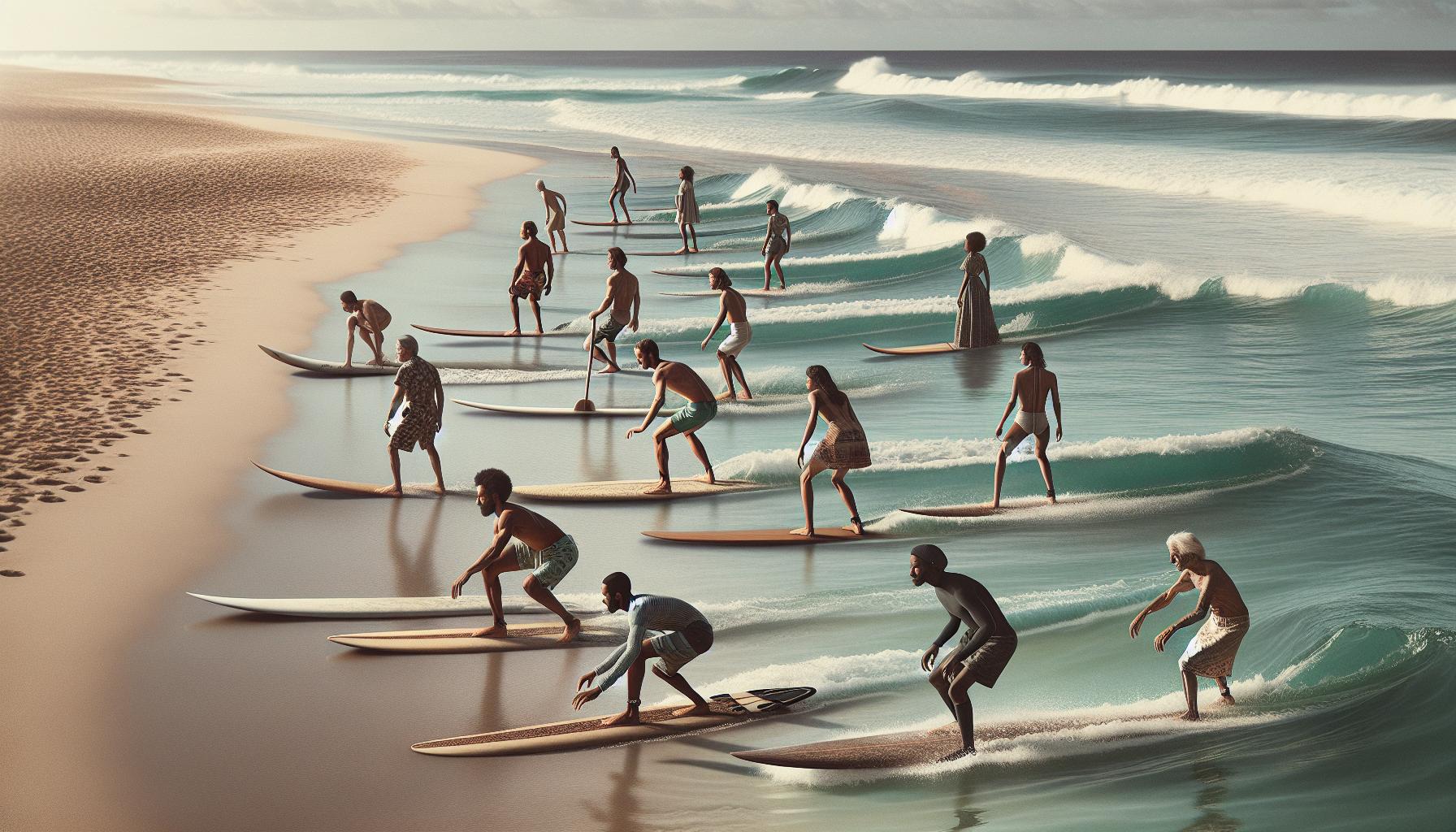
The evolution of surfing techniques is as rich and varied as the waves themselves, echoing the ever-changing relationship between humanity and the ocean. From the earliest days of “he’e nalu” in ancient Polynesia, surfers have honed their skills to embrace both the art and science of wave riding. Early surfers rode wooden planks designed to glide with the ocean’s rhythm, embodying a profound respect for the sea, as they danced atop its undulating surface with graceful movements that reflected the flow of water beneath them.
As surf culture traveled across the globe, techniques adapted in response to different oceanic conditions, local traditions, and the materials available. In Hawaii, the famed “drop-knee” stance allowed surfers to navigate powerful waves with agility, while in South America, innovative styles emerged that emphasized strength and speed, showcasing the surfer’s connection to the sea and the spirit of community. The emergence of shortboards in the late 20th century revolutionized surfing, leading to a faster, more dynamic approach characterized by powerful turns and aerial maneuvers. Surfers began to experiment with new tricks that defied gravity, capturing the imagination of audiences and moving surfing into the realm of performance art.
The ongoing progression of surfing techniques can be categorized into several key phases, each highlighting different aspects of wave riding:
Traditional Techniques
- He’e Nalu: This ancient Hawaiian technique emphasized balance and flow, with surfers riding longboards crafted from koa wood.
- Duke Kahanamoku’s Influence: As a champion of surfing and a cultural ambassador, his fluid style and different riding techniques inspired countless surfers.
Modern Developments
- Shortboarding: In the 1960s, shorter, lighter boards allowed for quick maneuvers and radical tricks, changing the surfing landscape forever.
- Aerial Maneuvers: The late 1990s saw the rise of aerial tricks, with surfers attempting to defy gravity by launching off the lips of waves.
Contemporary Techniques
- Alternative Boards: Modern surfers explore using fish, longboards, and retro styles to reconnect with the craft of wave riding, bringing individuality to their techniques.
- Performance and Fitness: Today’s surfers prioritize conditioning and technique training, embracing yoga and other fitness regimens to enhance flexibility and balance, resulting in a more athletic approach to catching waves.
Each wave we ride taps into an ancient legacy while pushing the boundaries of what is possible. With each roll of water, there’s a call to experiment, innovate, and pay homage to those who have stood before, carving their paths through the surf. So whether you’re paddling out for the first time or perfecting your tube ride, remember that surfing techniques are not just about catching waves-they are an invitation to partake in a grand tradition that celebrates the ocean’s mystical embrace.
From Ancient Boards to Modern Shaping: Evolution of Surfboards
Imagine gliding over the surface of a vibrant blue ocean, the sound of crashing waves serving as your symphony, all while balanced on a sleek piece of crafted wood. This image connects us to the very roots of surfing-a tradition that dates back thousands of years, where ancient Polynesians first tamed the waves on wooden boards. The boards of the past were rudimentary yet essential, invoking a spiritual connection to the sea and its rhythms. Crafted from locally sourced materials like koa and pini, these bumpy, heavy planks showcased the artistry and ingenuity of early surfers, embodying an age-old respect for the ocean that still reverberates today.
Over the centuries, surfboards have seen an incredible transformation. From the perilous wooden planks that defined ancient wave-riding to the high-tech foams and resins we see today, the evolution of surfboards is a testament to human creativity and the quest for performance. Wooden boards, while beautiful, were often cumbersome and needed to be crafted expertly to ride well. The introduction of fiberglass in the 1950s changed everything. Suddenly, boards could be lighter, stronger, and more versatile. This pivotal moment not only empowered surfers to push their limits but also gave rise to a new era of design-where experimentation flourished, leading to the shorter, snappier shapes we see carving up today’s waves.
This journey didn’t stop with fiberglass; the late 20th century birthed a revolution in surfboard shaping, driven by advances in technology and a deepening understanding of hydrodynamics. The emergence of polyurethane and polystyrene foams played a significant role in defining the modern shortboard, facilitating rapid innovations in shape and performance. Today, surfboard shapers combine artistry with science, using computer-aided design to perfect every curve and contour for optimal speed and maneuverability. Riders now have an array of choices, from high-performance thrusters to retro logs, each one allowing personal expression and differing experiences on the waves.
As we venture into the future, the relationship between surfer and board is becoming more intricate. Many embrace eco-friendly materials and sustainable practices, reflecting a growing awareness of our environment’s fragility and a desire to preserve the ocean we cherish. Today’s surfboards are not just tools-they’re a canvas of individual expression that carry the legacy of surfing culture while inviting new surfers into the fold. Whether you’re gliding on a brightly colored foam board or a handcrafted wooden surfboard, every surf experience continues the tradition of riding the waves, harmonizing with the ocean in an endlessly evolving dance between humanity and nature.
The Influence of Polynesian Culture on Surfing Practices
Riding the waves is an ancient art that pulses with the heartbeat of the ocean, and no one understood this rhythm quite like the Polynesians. Picture yourself in a sun-drenched paradise, blue skies above and waves rolling towards the shore: it’s here, amidst the tropical clime, where the roots of surfing were first planted, nurtured by a vibrant culture deeply attuned to the sea. This tradition of wave riding was not merely a pastime; it was imbued with significance, reflecting the Polynesian ethos of respect for nature and the divine.
Polynesian culture forged a relationship with the ocean that went beyond survival; surfing became an expression of community, spirituality, and identity. In ancient Hawaii, surfing, or “he’e nalu,” was viewed as a way to connect with the gods and honor the ocean, where famous chiefs and commoners alike would ride the waves on exquisitely crafted wooden boards. These boards, made from local woods such as koa, were not just functional but also bore intricate carvings that told stories of the lineage and connection to the sea. The act of surfing itself was ceremonious, marked by rituals that celebrated the ocean’s power and beauty. Imagine the sound of waves crashing as surfers paddle out, their voices rising in chant, paying homage to the spirits of the ocean.
The skills and techniques developed by ancient Polynesians laid the groundwork for modern surfing practices. They mastered different styles and approaches to riding waves, utilizing their knowledge of weather patterns, ocean currents, and the unique characteristics of each surf spot. This legacy transcends time, influencing today’s surfing technique and gear. For instance, the traditional practice of standing upright on a board has persisted, even as board shapes and materials have evolved. The innovation of the longboard emerged from this lineage, with its broader design allowing for more stable riding, echoing the heavy wooden planks of the past while catering to contemporary tastes.
As we celebrate the waves, it’s essential to honor this Polynesian influence. Modern surfers can draw inspiration from the community-driven spirit of ancient Polynesians, embodying the same respect for nature and creativity in their practices. Embracing eco-friendly materials and sustainable practices mirrors the traditional values of these island cultures, reminding us that our connection to the ocean endures through every wave we ride. So next time you paddle out, take a moment to acknowledge the rich tapestry of history that precedes you-a connection to the past that makes every ride a tribute to the enduring legacy of Polynesian surfing culture.
Legendary Surf Spots: Where It All Began
Nestled in the warm embrace of the Pacific Ocean, the islands of Hawaii are often celebrated as the birthplace of modern surfing, where the legend of wave riding ignited the hearts of adventurers for centuries. Stand on the shores of Waikiki Beach, and you can almost feel the spirit of ancient Hawaiian surfers dancing on the waves. Here, sun-soaked sands meet rolling surf, beckoning both novices and seasoned pros to experience the thrill that has captivated countless souls. The beach, once a sacred ground for Hawaiian royalty, continues to be one of the most iconic surf spots in the world, echoing with the laughter and joy of those riding its gentle waves.
The Magical Waves of Waikiki
In ancient times, the art of surfing-known as “he’e nalu”-was more than a sport; it was a spiritual connection to the ocean. The Polynesian chiefs would glide across these very waves on massive wooden boards, symbolizing strength, skill, and status. Today, as you paddle out into the waters of Waikiki, you’ll find a mix of history and modern surf culture thriving side by side. The gentle, rolling waves make it a perfect spot for beginners, while those more experienced can venture out further to catch bigger swells that challenge their skills.
Other Legendary Surf Spots
While Waikiki holds a special place in surf history, the allure of ancient surf culture extends to various locations across the Hawaiian Islands:
- Pipeline, Oahu: Often referred to as “The Pipeline,” this spot is renowned for its powerful waves and is considered one of the most challenging surf breaks in the world.
- Honolua Bay, Maui: A stunning spot where surfers are greeted by crystal-clear waters and thrilling waves, perfect for more experienced riders looking to test their skills.
- Teahupo’o, Tahiti: Not for the faint of heart, Teahupo’o produces some of the heaviest waves on the planet, drawing the bravest surfers eager to ride its infamous barrels.
Visiting these legendary surf spots offers a unique opportunity to engage with the ocean’s majestic power while embracing the spirit of the ancient traditions that have shaped surfing into the global phenomenon it is today. Whether you’re gliding through the gentle swells of Waikiki or tackling more demanding waves elsewhere, there’s an unexplainable connection you forge with the sea, echoing the experiences of those who surfed before you. So wax your board, paddle out, and feel the thrill-each wave is a new adventure, a new story waiting to be written.
The First Surf Competitions: A Look Back in Time
From the shores of ancient Polynesia to the vibrant beaches of Hawaii, the first surf competitions were celebrations of not just skill, but community, culture, and connection to the ocean. Imagine a time when the act of riding the waves wasn’t merely a recreational pursuit, but an exhibition of prowess and pride steeped in tradition. Surfing contests have roots that stretch back centuries, with the most notable origins in the early 20th century when organized competitions began to gain popularity, captivating both participants and spectators alike.
As early as the 1920s, the beach cultures of Hawaii became the epicenter of competitive surfing, where local surfers held informal contests, vying for the admiration of onlookers. These events weren’t just about who could ride the longest wave; they served as a platform for showcasing style, grace, and the unique techniques that each surfer brought to the water. With the echoing cheers of friends and family on the beach, these early competitions helped forge bonds within the community, turning the beach into a vibrant stage for both rivalry and camaraderie.
Evolution of Surf Competitions
By the 1930s, competitive surfing began to formalize its structure. The first recognized surf competition, the “Hawaiian International Surfing Championships,” took place in 1964, marking a pivotal moment in surf history. This event set the stage for the growth of surf culture worldwide and established benchmarks for future competitions, including scoring systems that evaluated participants on aspects like wave selection, riding style, and technical maneuvers.
Later, surf contests embraced innovative formats such as the “Big Wave contests,” which are synonymous with breaking records at legendary spots like Waimea Bay or Jaws. Today, from the burgeoning junior competitions to the prestigious World Surf League events, thousands of surfers from around the globe participate in contests that honor the sport’s ancient origins while celebrating the modern-day lifestyle of surfing. Each wave caught in these competitions nostalgic echoes of the first surfers carving out their legacy on the pristine waters of the Pacific.
So as you gear up for a surf session, remember that riding the waves isn’t just an individual pursuit; it’s part of an exhilarating tradition that has inspired and united surfers for generations. Feel the pull of the ocean, the rush of competition, and the joy of being part of this ever-evolving dance with the waves.
Surfing and Spirituality: Connecting to the Ocean
The rhythmic crash of waves against the shore, the salty kiss of ocean spray, and the golden rays of sun beaming down create a symphony that has drawn humankind to the water for centuries. For many surfers, this experience transcends mere sport; it becomes a profound connection to something greater than themselves. Ancient traditions from Polynesia to Hawaii illustrate that surfing is not just about riding waves but about engaging in a spiritual dance with the ocean-a practice steeped in cultural significance and reverence for nature.
In Hawaiian culture, the ocean is viewed as a living entity, known as “Moana,” embodying not just the water but the spirit of the ancestors as well. This spiritual connection is evident in the rituals performed before entering the surf-a practice called “pule,” or prayer, where surfers offer respect and gratitude to the sea. Such rituals emphasize that every wave is a gift, and to ride it is to participate in the cycle of life. This perspective invites surfers to develop a mindful approach to their craft, turning each session into a meditative act, where the focus shifts from competition to a harmonious union with the elements.
The sounds of the ocean-the gentle lapping of waves, the calls of seabirds, and the wind whispering through the palm trees-create a backdrop for introspection and connection. While paddling out into the vast water, surfers often find themselves in a state of flow, where worries fade and the spirit of adventure is ignited. This meditative state can lead to moments of clarity and insight, where the chaos of daily life is washed away, leaving only the pure exhilaration of the ride. It’s in these fleeting moments atop a wave that surfers experience the profound spirituality unique to their journey.
Every surfing session starts with an invitation to connect-both with the ocean and with oneself. Whether you’re a novice or a seasoned pro, taking just a moment to breathe deeply, listen to the rhythmic sounds around you, and recognize the beauty of the moment can enhance not only your surfing experience but also your appreciation for the ancient practice that connects us all. So grab your board, feel the pull of the waves, and remember: each ride is a dance with the ocean that celebrates nature’s magnificence and the spirit that resides within.
Materials and Innovations: Riding the Waves of Change
As surfers stand poised on the brink of the ocean, they ride not just the waves but a thrilling evolution of materials that have transformed the sport we cherish today. Early surfers carved their boards from local woods-like the heavy koa and acacia found in Hawaii-crafting tools shaped by both necessity and culture. These wooden behemoths, while majestic, were not without their limitations. Enter the 20th century, where the marriage of technology and surf culture began to reshape the very essence of what it means to ride the waves.
The introduction of foam and fiberglass in the 1950s marked a watershed moment. Boards transitioned from cumbersome planks to lightweight, high-performance vehicles, redefining speed and maneuverability. This shift was driven by pioneers like Tom Blake and Hobie Alter, who pushed the boundaries of board design. A modern longboard differs vastly from its ancient counterpart; today’s models are meticulously shaped and engineered using computer-aided design (CAD), yielding shapes that optimize performance for different surf conditions.
Innovation in Design
Innovation didn’t stop with materials; the very shape of surfboards evolved significantly over the decades. Consider the thruster-a tri-fin design that emerged in the late 1970s. This game-changer provided unparalleled stability and control, allowing surfers to carve rapidly and link maneuvers in ways previously unimaginable. New materials, including carbon fiber and epoxy resins, not only enhance performance but also offer a level of durability that ancient surfers could scarcely dream of, significantly impacting not just how we ride waves but also how long we can enjoy our craft.
For those looking to upgrade their own boards today, paying attention to materials is key. For example, while polyurethane boards deliver a traditional feel, epoxy boards often provide better buoyancy and durability, which can lead to longer sessions and less time worrying about dings and repairs. When selecting a board, consider where and how you usually surf. Be it the punchy beach breaks of California or the gentle long rides at a tropical point, the right materials and design can amplify your connection to the waves.
Embracing the Future
As surfing continues to evolve into the 21st century, we see a growing trend of eco-conscious designs that honor the ocean, leveraging sustainable materials like bio-resins and recycled plastics. This movement not only respects the natural world but aims to create a healthier parity between surfers and the environment. Embracing innovation doesn’t mean forgetting the ancient traditions but rather, weaving together the old and the new to further enrich the tapestry of surf culture.
Whether meticulously crafting your own board or selecting from the finest shapers in the industry, understanding the impact of materials and innovations adds a profound layer to the experience of surfing. Each wave becomes not just a challenge but a canvas upon which centuries of evolution unfold, inviting you to etch your own story into the vast tableau of surf history. So, the next time you paddle out, take a moment to appreciate the evolution beneath your feet and thank the waves for the journey you’ve embarked upon.
Notable Surf Pioneers: Who Made Waves in History
In the mesmerizing dance of ocean tides and human ingenuity, a cadre of remarkable pioneers has carved their names into surfing history. From the ancient shores of Polynesia to the vibrant beaches of modern California, these surf legends not only shaped the sport but also its very culture. Few figures embody the spirit of surfing as much as Duke Kahanamoku, known as the “Father of Modern Surfing.” This Hawaiian native was not just an accomplished swimmer; he was a cultural ambassador who showcased the beauty and excitement of surfing to the world during the early 20th century. His iconic image, gliding effortlessly atop a wooden surfboard, became a symbol of the sport, inspiring millions to chase the waves.
As we glide across the timeline, we encounter Tom Blake, whose innovative spirit redefined surfboard design. In the 1930s, he transformed the hefty wooden planks of his predecessors into the first hollow surfboards, making them lighter and more maneuverable. His passion for surfboard engineering paved the way for further advancements, leading to the foam and fiberglass boards we know today. Blake’s waterman ethos-the fusion of surfing with other ocean-related sports-is a reminder that the waves inspire not only thrill but also creativity, blending art and sport in a way that resonates through every surf session.
Another titanic figure in surfing history is Hobie Alter. A visionary shaper and entrepreneur, he founded Hobie Surfboards in the 1950s and became synonymous with the modern surf culture blossoming at that time. His dedication to creating expertly designed boards helped propel surfing into a mainstream phenomenon, making it accessible to a wider audience. Under his influence, surf culture began to crystallize into a lifestyle, intertwining music, fashion, and art to form a vibrant community. The iconic image of surfers riding the powerful California waves heralded a new age, positioning surfing at the heart of American youth culture.
Legacy of Influential Surfers
These legends laid the groundwork for the next generation of surfers, which includes luminaries like Kelly Slater, whose competitive accolades and awe-inspiring performances brought global attention to the sport in the 1990s and beyond. Slater’s precise maneuvers and commitment to advancing surfing parallels the path set by the pioneers before him, illustrating the seamless connection between past and present surfing.
Embracing their legacies can be a thrilling journey for today’s surfers, as they might incorporate the wisdom of these innovators into their practice. Here are a few ways to honor these surf pioneers while developing your own style:
- Experiment with Board Types: Try riding different shapes and materials. From classic mals to contemporary thrusters, each design tells a story of evolution.
- Engage with Surf Culture: Immerse yourself in the rich history and lifestyle surrounding surfing through books, documentaries, and local surf communities.
- Respect the Ocean: Just as the pioneers celebrated the waves, cultivate a connection with the ocean that transcends sport, focusing on conservation and sustainability.
As the waves continue to crash and roll, the legacy of these remarkable individuals inspires both seasoned surfers and novices alike. So, grab your board, embrace the salty air, and remember that every wave you ride is steeped in a rich saga of adventure, perseverance, and unyielding passion. Whether it’s a serene sunset session or a thrilling competition, the spirit of the pioneers lives on through every moment spent in the ocean’s embrace.
The Impact of Surfing on Global Culture Today
The spirit of surfing has transcended beach breaks and local surf shops, rippling through global culture and weaving into the very fabric of our lives. From its ancient Polynesian roots, where it was not merely a sport but a sacred act connecting individuals to the ocean, to its modern status as a lifestyle and symbol of freedom, surfing encapsulates a way of life that resonates with people far beyond the waves. Today, surfing influences everything-music, art, fashion, and even environmental activism-creating a vibrant tapestry that invites participation from everyone, whether they’re seasoned wave riders or landlocked dreamers.
As you stroll along your local coastline, you might notice the myriad of ways in which surf culture shapes communities. The unmistakable sounds of a guitar strumming a laid-back tune echo through beach parties, inspired by the likes of Jack Johnson and The Beach Boys, whose music captures the essence of sun-soaked days and carefree vibes. Surfing lingo, once confined to the beach, has infiltrated everyday conversations, with terms like “stoked” and “gnarly” seeping into popular vernacular. This cultural exchange not only celebrates the sport but creates a sense of belonging that invites newcomers to explore its wonders.
Surfing and Environmental Awareness
In recent years, the environmental movement in surfing has gained momentum, reflecting surfers’ deep connection to the ocean. Organizations like Surfrider Foundation emphasize the importance of protecting our coastlines, organizing beach clean-ups and advocating for sustainable practices. This shift is not just about enjoying waves; it’s about ensuring that future generations can also experience the thrill of riding a pristine wave. Many brands now focus on eco-friendly materials for surfboards and wetsuits, prompting surfers to make choices that reflect their love of the ocean. Embracing this aspect of surf culture can empower individuals to take action in their communities, whether that means reducing plastic waste or supporting local conservation efforts.
A Gateway to Adventure
For many, surfing serves as a gateway to adventure, fostering a community of like-minded explorers who seek thrills and share stories of their escapades. Iconic surf spots-like the legendary waves of Pipeline in Hawaii or the powerful barrels of Jeffrey’s Bay in South Africa-have become pilgrimage sites for surfers worldwide. Each journey leaves an indelible mark, inspiring others to discover the ocean’s magic and test their own limits. The sense of camaraderie that arises from sharing these experiences strengthens bonds between surfers, creating friendships that span continents and cultures.
So, whether you’re catching the first light of dawn on a quiet morning session or gathered under starlit skies with fellow surfers, is undeniable. It’s not just about the ride but the connections, the music, and the movement toward a more sustainable world. Each wave tells a story, and every surfer plays a part in this ever-evolving narrative-so grab your board, dive into the waves, and be part of something greater than yourself.
Preserving Surf Heritage: Challenges and Efforts
To fully appreciate the essence of surfing, we must safeguard the rich tapestry of its history and traditions woven through countless generations. Preserving surf heritage isn’t merely about nostalgia; it’s a crucial endeavor that connects us to our roots and informs the future of this beloved sport. From the ancient Polynesians who first mastered the waves to the modern-day surf culture, the challenges we face in maintaining this heritage are as compelling as the stories etched into the ocean’s surface.
One significant challenge is environmental degradation, which threatens not only the waves we ride but also the very ecosystems that support surf culture. As avenues for tourism and development encroach upon sacred surf spots, advocates are rising to champion conservation initiatives. Organizations like the Surfrider Foundation have become pivotal in this fight, mobilizing surfers and beach lovers to protect coastal environments through clean-ups, policy advocacy, and educational outreach. Understanding the delicate balance between our love for the ocean and its preservation is essential, enabling surfers to become proactive stewards of their cherished waters.
Reviving Traditional Practices
Another vital aspect of preserving surf heritage involves reviving traditional practices and respect for the ocean that characterized early surf cultures. By embracing the techniques and philosophies of ancient wave riders, modern surfers can cultivate a deeper connection to their craft. Festivals celebrating traditional wooden board shaping and surfing ceremonies are essential not just for recreation but for transmitting knowledge to new generations. Workshops led by master craftsmen can offer surfers a unique opportunity to create their very own boards, forging a personal link to the past while riding the waves of the future.
Community Engagement and Storytelling
Active community engagement plays a crucial role in this preservation effort. By sharing stories and experiences, surfers can foster a deeper understanding of the cultural significance behind their sport. Local surf history projects can ignite interest in younger generations, showcasing everything from legendary surf spots to the personal narratives of groundbreaking surfers. Consider organizing storytelling evenings where long-time surfers share their tales, cultivating a sense of belonging and communal identity that stretches across the globe.
Navigating the waters of surf heritage calls for a collective effort-one that acknowledges the challenges we face while celebrating the profound joy of riding waves. Whether you’re a seasoned pro or just starting out, understanding and participating in the preservation of surf culture enriches your ocean experience immeasurably. So grab your board, immerse yourself in the history, and ride those waves with a little more reverence and excitement for the surf legacy you’ll be a part of!
Faq
Q: What ancient cultures influenced the beginnings of surfing?
A: Ancient Polynesian cultures significantly influenced surfing’s origins. They used wooden boards and celebrated the ocean’s spiritual essence. This deep-rooted connection to nature and community laid the groundwork for modern surfing practices, as explored in the article’s section on the Cultural Significance of Surfing in History.
Q: How did ancient surfing techniques evolve over time?
A: Ancient surfing techniques evolved dramatically from the simple wooden boards of Polynesians to today’s high-tech surfboards. Each region developed unique styles and methods, adapting to local conditions and cultures. This evolution can be further explored in the article’s section on Surfing Techniques Through the Ages.
Q: What role did surfing play in ancient Polynesian society?
A: Surfing was not just a sport in ancient Polynesian society but held significant cultural importance. It was tied to social status, spirituality, and rituals. Surfing served as a means of connection to the ocean and facilitated community bonding, as described in the Cultural Significance of Surfing in History section.
Q: Where can I find the best surfing spots that have historical significance?
A: Some of the best historical surfing spots include Waimea Bay in Hawaii and Banzai Pipeline on Oahu. These locations are not only famous for their waves but also for their rich cultural history in surfing, detailed in the article’s Legendary Surf Spots: Where It All Began section.
Q: What innovations in surfing equipment have impacted the sport’s evolution?
A: Innovations like the shortboard and epoxy materials revolutionized surfing. These advancements improved performance and accessibility for surfers of all levels. Explore the Evolution of Surfboards section for deeper insights into how technology has shaped surfing equipment over the years.
Q: How has surfing influenced global culture today?
A: Surfing has become a global phenomenon influencing music, fashion, and lifestyle. Its representation in media helps promote beach culture and environmental awareness, as stated in the article’s Impact of Surfing on Global Culture Today section. Surfing unites diverse communities through shared passion.
Q: When did the first surf competitions take place?
A: The first organized surf competitions appeared in the 20th century, particularly in Hawaii, where the rich surfing tradition was celebrated. These events not only showcased skills but also solidified surfing’s cultural significance. More on this can be found in the First Surf Competitions: A Look Back in Time section.
Q: What challenges does surf heritage face today?
A: Surf heritage is challenged by modernization and environmental issues. Urban development and pollution threaten traditional surf spots and local cultures. The article discusses efforts to preserve surfing’s history and its cultural significance in the Preserving Surf Heritage: Challenges and Efforts section.
Explore our article further for a vivid dive into surfing’s ancient origins and its fascinating journey through time!
In Conclusion
As we hang ten on the waves of history, it’s clear that surfing is not just a sport; it’s a way of life that has roots deeper than the ocean itself. From its ancient beginnings to its evolution into the vibrant culture we cherish today, each wave tells a story waiting to be discovered. Dive deeper into your surf journey by exploring our guides on local surf spots and essential tips for beginners to enhance your riding experience. Don’t miss out on checking the latest weather and wave forecasts to catch the best swells-your next adventure awaits!
Feeling inspired? Join our community by signing up for our newsletter, where you can stay updated on surf culture, tips, and gear reviews. Share your thoughts in the comments below and connect with fellow surf enthusiasts-your voice matters in this wave-riding family. Keep riding with us as we explore the rich tapestry of surfing and its exciting future! 🌊🏄♂️
Get our latest guides, news, and insights highlighted in your Google Search & AI Overviews.