
Have you ever felt the exhilaration of riding a wave while standing on a paddleboard? It’s a unique fusion of paddleboarding and surfing that opens up an exciting world of aquatic adventure. SUP wave riding, also known as stand-up paddleboard surfing, allows you to catch waves while enjoying the stability and maneuverability of your paddleboard. If you’re yearning to harness those ocean swells and transform your water outings into thrilling surf sessions, you’re in the right place.
In this guide, we’ll dive into how you can transition seamlessly from calm paddling to conquering the waves. Whether you’re a seasoned paddler curious about surfing or a novice eager to experience the rush of wave riding, we’ve got tips and techniques to help you master the art of SUP surfing. From choosing the right waves to positioning your board, you’ll learn how to ride the swell like a pro. So grab your paddle, and let’s embark on this exciting journey together!
Choosing the Right Paddleboard for Surfing Waves
is your ticket to unlocking the thrilling world of stand-up paddle (SUP) surfing. Imagine gliding across the glistening surface of the ocean, the salty breeze ruffling your hair, and beneath your feet, the perfect board designed to dance with the waves. With an array of shapes, sizes, and features available, selecting the ideal paddleboard can feel overwhelming. However, with a bit of knowledge and insight, you can confidently navigate your options and find the board that will elevate your ride to exhilarating new heights.
When considering a paddleboard specifically for surfing, length, width, and shape are crucial factors to keep in mind. Generally, shorter boards (around 8 to 10 feet) offer greater maneuverability, making it easier to carve through waves. Conversely, longer boards (11 to 12 feet) typically provide better stability, which is beneficial for beginners or those looking to paddle out to bigger waves. Width plays a significant role in balance; wider boards offer more stability and are usually easier for novice surfers to handle. However, more experienced SUP surfers might prefer narrower boards, which allow for quicker turns and faster paddling.
Another important consideration is the board’s construction material. Epoxy boards are lightweight and durable, perfect for performance in the surf, while polyethylene boards are heavier but often more affordable, making them a solid option for beginners. For those serious about performance, exploring brands that focus on innovations tailored for surf paddleboarding, like Starboard, can yield boards with added features designed for dynamic wave riding experiences. These boards often come equipped with a rounded nose for better wave entry and tail shapes designed for improved control as you maneuver through sea swells.
Lastly, don’t forget to consider your skill level and the types of waves you plan to tackle. Soft, rolling waves are great for beginners, while steep, barreling waves are best left to seasoned surfers. Choosing a board that matches not only your current skill level but also your aspirational surfing goals will help ensure you enjoy countless days riding the waves. Ultimately, the right paddleboard is out there waiting for you, ready to transform every surf session into an adventure of a lifetime!
Understanding the Basics of SUP Wave Riding
In the vibrant world of stand-up paddle (SUP) surfing, the rhythm of the ocean beckons with each rolling wave, promising excitement and adventure. Imagine the rush of gliding on your paddleboard, harnessing the energy of the sea as you ride with the tides. But before you can fully immerse yourself in this exhilarating experience, it’s essential to grasp the foundational elements that will enhance your wave-riding journey.
To start off, understanding the dynamic relationship between your board, the waves, and your body is crucial. When you approach a wave, the first step is to position yourself correctly. As the wave begins to rise, paddle hard towards it to gain speed, which is vital for catching the wave. Timing is everything-your aim is to be in the right spot at the right moment. Place your feet shoulder-width apart and lean slightly forward as you paddle into the wave, allowing your board to cut through the surf smoothly. Feel the rush as the wave lifts you, and simultaneously, shift your weight back toward your heels to maintain balance as you drop down the face of the water. This dance with the ocean is about intuition as much as it is about technique, an exhilarating blend that can only be mastered through practice.
Another important aspect to consider is how to read the waves. Each wave carries a personality; some swell gently, while others crash with vigor. Look for sections where the wave’s surface is peaking, indicating where it will break. As you gain experience, you’ll enjoy spotting the most favorable waves, those that offer the perfect blend of speed, power, and shape ideal for riding. Remember, patience is key-waiting for the right moment to paddle into a wave can transform an average ride into a magical experience that leaves you craving more.
- Practice Your Paddle Strokes: Optimize your technique to maintain speed and control.
- Stay Low: A slight bend in your knees helps stabilize your stance, allowing you to adapt to the board’s movements.
- Look Forward: Keeping your gaze on where you want to go allows your body to naturally follow your line of sight, enhancing balance.
- Embrace the Wipeouts: Every fall is a lesson wrapped in laughter-learn to get back up and paddle out again.
Ultimately, the essence of SUP wave riding lies in enjoying the moment and connecting with the ocean. Whether you’re watching the sun dip below the horizon or feeling the spray of the sea on your skin, every ride is a meditation that calms the mind and invigorates the spirit. So grab your board, paddle out, and let the waves embrace you-an unforgettable adventure awaits!
Essential Techniques for Catching Waves on a Paddleboard
The moment you spot a wave rolling in, the air crackles with anticipation. You can practically hear the ocean whispering challenges as it beckons you to ride the crest. Catching waves on a stand-up paddleboard (SUP) requires a blend of technique, timing, and a pinch of bravery. It’s a dance with the ocean that, when mastered, transforms each ride into a joyous celebration of nature’s powerful rhythm.
To start, timing and positioning are everything. As you approach a wave, paddle with purpose-putting all your energy into your strokes-to gain the necessary speed. The sweet spot where you want to be is just before the wave starts to break. This typically requires you to be perpendicular to the wave, so angle your board slightly to catch the swell effectively. When the wave lifts you, bend your knees and lean slightly forward, making sure to keep your center of gravity stable. This will allow you to glide down the face with grace instead of getting tossed off your board like a cork!
Next, understanding wave dynamics can greatly enhance your experience. Every wave has its personality: some might gently roll, while others break with ferocity. As you become more seasoned, you’ll learn to read the nuances between various types of waves. Look for the peak, the point where the wave starts to crest, indicating it’s ready to break. Use your paddle not just to generate speed but also to help steer your board. A strong stroke just before the peak can give you that extra boost to drop in. Remember, if you miss the wave, don’t sweat it! Paddle back and position yourself again; the ocean rewards patience and persistence.
Here are some essential techniques to help you catch waves like a pro:
- Practice Your Strokes: Optimize your paddle technique for stronger, more efficient strokes.
- Stay Balanced: Keep a low center of gravity by bending your knees and keeping your feet shoulder-width apart.
- Read the Ocean: Learn to identify the best waves and the moment to paddle into them.
- Embrace the Falls: Wipeouts are part of the sport! Use them as learning moments.
As you sharpen these skills, you’ll begin to feel the exhilarating connection between you and the water. Every wave caught is a mini-victory, a reminder that you’re mastering not just the mechanics of SUP surfing but also becoming in tune with the ocean’s eternal dance. So grab your paddle, embrace the thrill, and get ready to carve your own path through those waves. Adventure awaits, and the ocean is calling!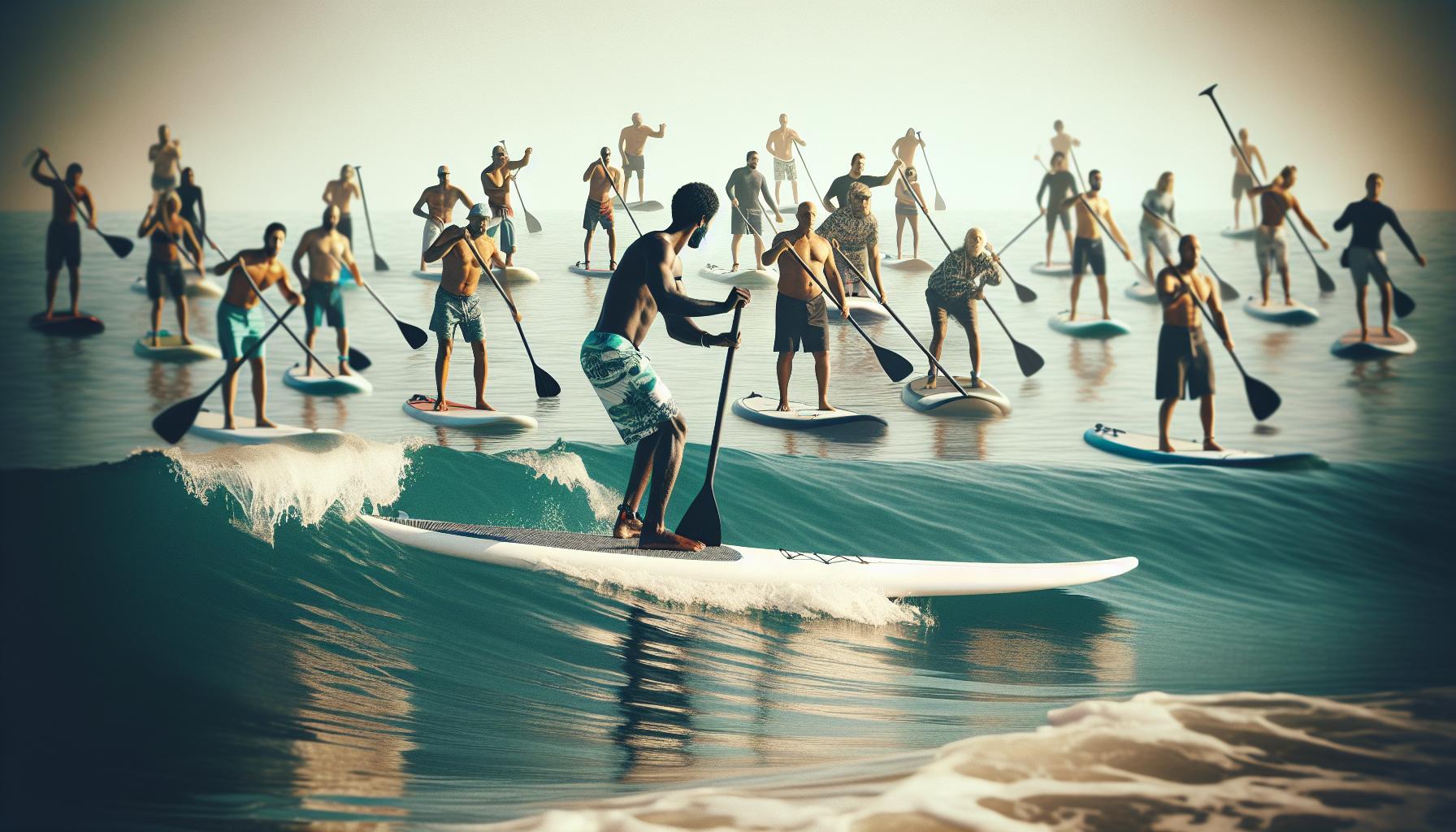
Mastering Balance: Tips for Stability in Waves
The thrill of riding waves on a stand-up paddleboard (SUP) comes with its fair share of challenges, and perhaps the most critical aspect to conquer is finding your balance. Imagine gliding over the shimmering surface of the ocean, the salty breeze whipping through your hair, and the sound of the waves lapping rhythmically against your board. Yet in that instant, a sudden swell can shift the tide, and it’s your stability that keeps you upright and surfing with joy instead of splashing down into a wipeout.
To achieve that coveted stability, start with your stance. Position your feet shoulder-width apart, placing them in the center of the board for optimal balance. This broad base serves as your anchor against the shifting ocean. When you’re not paddling, it helps to lower your center of gravity by bending your knees slightly. This adjustment will enhance your sensitivity to the movements of the board and the waves, allowing you to react swiftly to changes. Picture yourself as a graceful tree swaying in the wind-anchored but adaptable.
Next, keep your body relaxed. Tension in your muscles can lead to rigidity, making it harder to adjust your balance when the waves start to roll in. Embrace a smooth, fluid posture; think of it as being in tune with the rhythm of the sea. As waves approach, shift your weight intuitively-lean into the wave as it begins to lift your board. If the wave tilts your board to one side, make subtle adjustments by shifting your hips and core. This acts like a natural counterbalance, helping you maintain control even as the ocean tries to play tricks on you.
Lastly, don’t overlook the power of your paddle. Not only is it your propulsion source, but it also serves as a stabilizing tool. Use it strategically-when you feel the board wobbling underfoot, plant the paddle into the water on the side you wish to stabilize. This technique adds an extra layer of support, allowing you to regain equilibrium while also creating a stronger connection with the water beneath you.
With these tips in tow, you’ll find yourself mastering balance in the midst of those exhilarating swells, transforming each ride into an epic adventure rather than a battled struggle against gravity. So gear up, get out there, and let the waves guide you to a place where your heart races in harmony with the pulse of the ocean!
Gear Up: Must-Have Accessories for SUP Surfing
When you’re ready to conquer the waves on your stand-up paddleboard, the right gear can make all the difference between an exhilarating ride and a frustrating tumble. Imagine the sun glinting off the water, vibrant boards slicing through the waves-your equipment should amplify this joy, not hinder it. Here’s a guide to the must-have accessories that will enhance your SUP surfing experience, ensuring you paddle out with confidence and style.
Paddle: Your Essential Lifeline
A high-quality paddle is your best friend when it comes to SUP surfing. Look for a paddle that matches your height; typically, it should be about 6-8 inches taller than you when standing upright. Lightweight materials like carbon fiber or fiberglass will help you maneuver effortlessly, allowing for quick strokes as you catch waves. *Bonus tip*: adjust your paddle length as conditions change to maximize your stability in choppy waters.
Leash: Stay Attached!
One accessory you should never overlook is a reliable leash. Picture this: you wipe out, and your board starts to drift away. That leash is your safety net, keeping your board close and preventing it from becoming a hazard to others. Opt for a coiled leash that offers flexibility and prevents snagging while paddling. Conversely, a straight leash provides longer reach when riding and is perfect for those larger swells, giving you the freedom to explore without losing your board.
Safety Gear: Be Prepared
Safety should always be top of mind. Consider investing in a personal flotation device (PFD) that is comfortable and doesn’t impede your movement. Many PFDs have designs that allow for more freedom of movement compared to traditional life jackets. Additionally, a whistle attached to your PFD is a smart addition for signaling in emergencies. If you’re launching from a busy beach or going out to more secluded shorelines, these small precautions can keep your adventure safe and enjoyable.
Sun Protection: Shielding the Fun
As you embrace the thrill of paddling, don’t forget to protect yourself from the sun’s rays. A high-quality sunscreen, preferably water-resistant, is essential. Also, consider wearing a rash guard or surf shirt made from UV-protective material to keep your skin safe while enjoying extended time in the water. Polarized sunglasses with a secure strap will shield your eyes from glare and enhance your visibility as you navigate the waves.
With these accessories in your kit, you’ll be well-equipped to tackle the next set of waves with poise and adventure. Each piece plays a pivotal role in enhancing not just your performance but overall enjoyment as you ride the swells, connecting deeper with the ocean. So gear up, embrace the spirit of surf culture, and let each wave you catch be a step further into this exhilarating lifestyle!
Safety First: Navigating Waves with Confidence
The ocean, with its rhythmic pulse and endless horizons, offers not just waves to ride but a majestic playground where the limits of adventure are constantly pushed. However, before you paddle out to catch that perfect swell on your stand-up paddleboard, it’s crucial to arm yourself with knowledge that transforms the intimidating force of the sea into an exhilarating experience. Navigating waves with confidence stems from understanding your surroundings, knowing how to react, and embracing the spirit of safety.
To start, familiarize yourself with the conditions of the day. The ocean isn’t always forgiving; check the surf report for wave height, tide schedules, and wind speeds. Calm mornings often turn into afternoons filled with choppy waves, so be aware of how the environment evolves. Before you launch, identify potential hazards such as rocks, strong currents, or crowded areas. A simple rule of thumb is to always surf where you can see and be seen, ensuring that you’re not only enjoying the sport but also respecting fellow water enthusiasts.
As you paddle out, maintaining focus is essential. Embrace a strong stance and keep your eyes peeled for incoming waves. When a wave approaches, pivot your board, maintain a low center of gravity by bending your knees, and remain aware of your positioning relative to others. Wipeouts are part of the game, but how you respond can make all the difference. If you go down, remember to tuck your body inward and cover your head while your board-your trusty companion-tethers to your leash. This not only protects you but also prevents your board from becoming a hazardous projectile.
Staying connected to your board through your leash will help you maintain calm. Rather than swimming for the shore, let the waves carry you back to your board. Training yourself to react in these situations builds both confidence and skill. Lastly, never underestimate the power of a buddy system. Surfing with a friend not only enhances safety but also adds the joy of shared adventure, transforming the waves into a canvas of laughter and camaraderie.
With the right approach and a mindset steeped in safety, you can embrace every wave with enthusiasm. So, take a deep breath, feel the salty breeze, and paddle out into the vastness, ready to immerse yourself in a world where adventure meets serenity. Riding the tides isn’t just about the thrill; it’s about harmonizing with the ocean while celebrating the vibrant surf culture that welcomes all.
Surf Etiquette: Sharing Waves Respectfully
In the vibrant world of stand-up paddleboard surfing, the thrill of riding waves goes hand-in-hand with the responsibility of sharing the ocean with fellow enthusiasts. Every time you glissade across the water, remember that each other paddler, surfer, and swimmer has just as much right to enjoy the waves as you do. Creating a harmonious atmosphere not only enhances your experience but also contributes to the respectful surf culture that thrives in beach communities worldwide.
Observing the unspoken rules of surf etiquette can transform chaotic wave encounters into a smooth ballet on the water. Start with the right of way: when paddling out, allow those already riding the wave to enjoy their ride without interference. If you’re on a SUP and see a wave on the horizon, be sure to assess who is closer to that wave. It’s essential to recognize that the surfer or paddler closest to the peak has priority and should not be cut off. Yielding graciously not only shows respect but can also inspire others to extend the same courtesy to you.
Communication out on the waves is a powerful tool. A simple shout of “incoming!” or “dropping in!” can alert those around you to your intentions, making the experience safer and more enjoyable for all. Additionally, be mindful of the space you occupy. SUPs can have a broader footprint than regular surfboards, and when a few boards are clustered in one place, it can lead to crowded conditions. Keep your distance, paddle wide paths, and avoid unnecessary collisions. If you do find yourself tangled up with others, take a moment to check in and apologize if needed-everyone appreciates a friendly demeanor amidst the excitement.
Also, let’s not forget about the art of sharing waves! When you ride alongside others, try catching waves that allow for multiple riders-especially in beginner-friendly spots where the water is forgiving. This not only maximizes your fun but fosters camaraderie. Imagine the thrill of catching a wave side by side, the laughter spilling out over the surf as you weave in and out of each other’s paths. Embracing this spirit of cooperation means understanding that waves belong to everyone and that your time in the ocean is about connection, not competition.
Ultimately, sharing waves respectfully enriches the surf culture and promotes a community where everyone, from newbies to seasoned riders, feels at home. So gear up, paddle out with a smile, and know that as you navigate the surf, you’re contributing to something much larger than just riding the waves-you’re part of a vibrant tapestry of adventure that thrives on kindness, respect, and the sheer joy of being one with the ocean!
Best Locations for SUP Surfing Around the World
The world of stand-up paddleboard surfing is brimming with phenomenal spots that cater to both newbies eager to catch their first wave and seasoned pros looking to ride some serious swells. Whether you’re craving the tranquil beauty of a sunrise paddle in a lush bay or the adrenaline of carving through bustling surf, there’s a perfect location waiting for you. Let’s dive into some of the best locales around the globe where paddleboard surfing thrives.
Must-Visit Destinations for SUP Surfing
- Malibu, California: This iconic surf spot is not just for shortboards. Known for its gentle shores and picturesque scenery, Malibu boasts waves that cater to all skill levels. Paddle out at First Point, where you can bask in the sun and enjoy stunning views while catching some classic California waves.
- Waikiki, Hawaii: Imagine yourself gliding over the crystal-clear waters with Diamond Head as your backdrop. Waikiki is the birthplace of surfing and continues to be an epicenter for paddleboard enthusiasts. The waves here are perfect for learners, allowing for a mellow ride that captures the essence of island life.
- Byron Bay, Australia: If you’re seeking vibrant beach culture paired with fantastic waves, Byron Bay is calling your name. The surf here is not only consistent but also surrounded by breathtaking landscapes. The main beach area welcomes SUP surfers to paddle along with dolphins and, if you’re lucky, catch a glimpse of a humpback whale during migration season!
- Florida Keys, Florida: For a unique experience, the Florida Keys serve up vibrant turquoise waters and stunning sunsets. Spots like Key Largo and Bahia Honda State Park offer calm conditions that are ideal for paddleboarding, allowing you to soak in the tropical vibes while maneuvering through mangroves and enjoying wildlife encounters.
- Fuerteventura, Canary Islands: This hidden gem off the coast of Africa offers consistent waves and stunning beaches. The island’s north shore, particularly in spots like Corralejo, attracts many adventurers to paddle surf in its warm waters. The mix of well-defined waves and gentle swells makes it a premier destination for both SUP surfing and windsurfing.
No matter where you choose to paddleboard, each of these locations brings its own unique flair to the surf experience. From the sound of waves crashing to the gentle lapping of water against your board, the immersion into nature is palpable and invigorating. When planning your next SUP surfing adventure, consider what surroundings speak to your soul, and don’t hesitate to explore less traveled paths-sometimes the best waves are those waiting to be discovered. Happy paddling!
Common Mistakes to Avoid While Paddleboarding
In the exhilarating world of paddleboarding where the ocean’s rhythm beckons, some rookie mistakes can flip your blissful ride into a tale of woe. A casual day at the beach can quickly morph into a swim back to shore if you miss a wave or lose your balance. Understanding these common pitfalls not only keeps your experience enjoyable but elevates your SUP surfing game. So, let’s paddle past the blunders and glide into smoother waters!
First and foremost, neglecting to choose the right paddleboard for surf conditions is like wearing flip-flops on a hike. Many beginners opt for a generic all-purpose board thinking it’ll handle the waves just fine. However, selecting a surf-specific paddleboard with a shorter length and a rocker design can vastly improve your ability to catch and ride waves. A board that’s too wide can hinder your movements, while one that’s too narrow may feel unstable. Do your homework, and you’ll find that the right paddleboard dramatically enhances your performance and confidence on the water.
Another prevalent mistake lies in paddling technique and body posture. Many paddlers make the rookie error of leaning too far forward while catching a wave, leading to a sudden plunge into the depths below. Instead, keep your stance balanced; your feet should be shoulder-width apart, knees slightly bent, and core engaged, allowing you to respond fluidly to the wave’s movements. This stance not only helps maintain your equilibrium but also aids in effective paddling to gain the momentum needed to ride those luscious swells.
Additional pitfalls often include underestimating the power of waves and ignoring surf etiquette. Always check the forecast and understand the ocean conditions before paddling out. Waves can change rapidly, even in familiar locales! If you find yourself outmatched by the surf, it might be time to sit back, enjoy the view, and wait for more suitable conditions. Respecting surf etiquette – such as waiting your turn and not dropping in on someone else’s wave – can make for a harmonious experience with fellow surfers. Remember, we’re here to share the stoke, not create tension.
Ultimately, learning how to surf on a paddleboard can be a thrilling journey of heights and occasional spills. Embrace the process, learn from your mistakes, and keep a spirit of adventure alive in every wave you ride. Happy paddling!
Improving Your Skills: Advanced SUP Surfing Tips
The exhilarating dance of catching waves on a paddleboard is an art that combines skill, timing, and intuition. As you listen to the rhythmic crash of the surf and feel the powerful pull of the tide beneath your feet, remember that each ride is a chance to refine your technique and elevate your surfing game. Whether you’re navigating gently rolling swells or confronting powerful breaks, honing advanced skills will not only enhance your performance but also deepen your connection to the water.
To truly master the art of SUP surfing, it’s crucial to work on your paddle technique while riding the waves. One effective method is the “reverse paddle stroke,” which helps maintain speed while turning. Instead of merely switching to your backhand, plant the paddle deeper into the water on the side you’re turning toward and pull it back swiftly, keeping your core engaged. This technique allows for sharper turns and quicker maneuvers. Additionally, practicing quick, short strokes when you’re already on a wave will help you maintain momentum without losing your balance.
Focus on Foot Placement
Foot placement is another vital element that can make or break your rides. As you approach a wave, ensure your feet are placed shoulder-width apart. However, don’t just stick to this stance; be ready to adjust based on the wave’s mood! When the wave slopes up, shift your back foot slightly back on the board to keep your balance and generate thrust. When you ride down the face, plant your front foot closer to the nose to steer and maintain speed. Experimenting with foot positions not only aids stabilization but also enhances your ability to transition between various wave conditions.
Unleashing your full potential also involves embracing the waves’ natural rhythm. Start practicing your “surf stance,” where you remain low with bent knees and an aligned spine as you read the wave. Don’t just paddle; feel the wave lift you, and use this natural force to your advantage. By allowing the wave to do some of the work, you conserve energy and ensure smoother rides. A tip to remember here is to always look ahead, keeping your eyes on the curl of the wave rather than watching your feet; this will help you avoid those pesky wipeouts!
Embrace Advanced Maneuvers
As you grow more confident, consider adding advanced maneuvers to your repertoire. Techniques like the bottom turn will allow you to gain speed while positioning yourself for a great ride. To execute, as you drop into the wave, shift your weight onto your back foot and carve the board sharply at the bottom, then climb back up towards the crest. Visualize this movement as surfing a rollercoaster – you’re going down only to spring back up! Additionally, when you’re comfortable, incorporate tricks like cutbacks or snap turns as you become more adept at handling the board’s dynamics.
Every surfer has their own unique journey, filled with moments of triumph and those inevitable spills. Embrace the learning process and surround yourself with fellow surfers who share your passion for this vibrant sport. Every wave caught is another step toward mastery, so keep experimenting, adapting, and enjoying the journey. Just remember, every session at the beach is a chance to refine your skills while soaking up the sun, reinforcing the ultimate mantra of SUP surfing: ride the wave and enjoy the ride!
The Joy of SUP: Embracing Surf Culture and Lifestyle
The energy of the ocean-its salty spray, the rhythmic dance of waves, and that glorious sun-kissed feeling as you glide atop a paddleboard-captures the essence of standup paddleboarding (SUP). Beyond the exhilarating thrill of catching waves lies a vibrant culture, a lifestyle embraced by those who not only ride the surf but also merge their spirits with the ocean’s pulse. Whether you’re an eager beginner or a seasoned wave rider, diving into the world of SUP surfing is about more than just mastering techniques; it’s about connecting with a community and celebrating the joy of being in nature.
As you navigate the surf, soaking in breathtaking sunrises and the vibrant hues of sunset, you’ll find camaraderie among fellow paddlers. Picture yourself sharing tips and laughter with strangers who quickly become friends as you swap stories about wipeouts and epic rides. The world of SUP is welcoming, drawing enthusiasts from all walks of life to beaches and lakes, creating a melting pot of emotions and experiences. Engage in local SUP meets or join friendly competitions-it’s not just about the trophy at the end, but the friendships built over shared adventures and the collective passion for the water.
Incorporating the elements of surf culture into your daily life is as simple as embracing its philosophy: respect the ocean, enjoy the journey, and celebrate your individual flow. Fill your days with beach vibes by adopting a more relaxed, nature-infused lifestyle. Discover and savor the local ocean-friendly cuisine at beachside eateries, connect with nature through early morning paddles, or even find inspiration in surf films that spotlight the sport’s history and its legendary figures. This lifestyle invites you to be present, experience the simple joys of living, and foster an appreciation for the beauty that surrounds you.
For those looking to immerse themselves fully into the surf culture, consider participating in beach clean-ups to give back to the environment that nourishes this incredible sport. Not only will you be keeping the waters pristine for future generations, but you’ll also bond with fellow surfers and eco-conscious individuals, creating a shared mission that transcends the surf. Each paddle on your board becomes a testament to your commitment to preserving the ocean, intertwining your surfing journey with an impactful lifestyle.
So, grab your paddleboard, feel the sun warming your back, and let the waves whisper secrets as you ride-each moment on the water serves as a reminder of the unique thrill of SUP surfing and the wider culture that surrounds it.
Faq
Q: What is the best type of paddleboard for surfing waves?
A: The best type of paddleboard for surfing waves is a surf-specific SUP, characterized by a shorter length, narrower width, and increased rocker. These features enhance maneuverability and allow for better wave performance. Explore your options in the *Choosing the Right Paddleboard for Surfing Waves* section for specific recommendations.
Q: How does SUP wave riding compare to traditional surfing?
A: SUP wave riding differs from traditional surfing as you paddle while standing, gaining speed and balance before catching a wave. This requires adaptation to positioning on the board and identifying suitable waves. Discover the nuances in *Understanding the Basics of SUP Wave Riding* for more insights.
Q: What safety tips should I follow while paddleboarding in waves?
A: Always wear a personal flotation device and leash your board. Be aware of your surroundings, including other surfers and currents. For detailed guidelines, refer to the *Safety First: Navigating Waves with Confidence* section, ensuring a safer paddleboarding experience.
Q: Can beginners learn to surf using a paddleboard?
A: Yes, beginners can learn to surf on a paddleboard, especially in small, manageable waves. Start on calmer days to build confidence and gradually progress as your skills improve. Check out *Essential Techniques for Catching Waves on a Paddleboard* for tips tailored to beginners.
Q: How do I improve my balance for SUP surfing?
A: To improve balance for SUP surfing, practice yoga and stability exercises off the water, and focus on your stance while paddling. Gradually increase your time in the waves. For tips on mastering balance, explore the *Mastering Balance: Tips for Stability in Waves* section.
Q: What accessories should I have for a successful SUP surfing experience?
A: Essential accessories for SUP surfing include a quality paddle, leash, personal flotation device (PFD), and a surf-specific rack for your vehicle. Check the *Gear Up: Must-Have Accessories for SUP Surfing* section for more essential gear to enhance your outings.
Q: What are common mistakes to avoid while paddleboarding in waves?
A: Common mistakes include not checking surf conditions before going out, neglecting to practice fall techniques, and failing to respect surf etiquette. Avoid these pitfalls by reviewing the *Common Mistakes to Avoid While Paddleboarding* section for helpful pointers.
Q: Why is it important to understand surf etiquette when paddleboarding?
A: Understanding surf etiquette is crucial for safety and enjoyment in the lineup. It helps prevent collisions and promotes a respectful atmosphere among surfers. Learn more in the *Surf Etiquette: Sharing Waves Respectfully* section to enhance your experience.
Final Thoughts
As you gear up for your next wave-riding adventure, remember that mastering paddleboard surfing isn’t just about technique; it’s about feeling the ocean beneath you and seizing the moment. Dive deeper into the surf culture! Check out our guide on beginner SUP tips or explore the best gear for your journey. Your journey to becoming a wave-riding pro starts today-why not subscribe to our newsletter for the latest insights and exclusive content?
If you still have questions or need guidance, don’t hesitate to drop a comment below! Your voice adds to the community, and we can’t wait to hear your stories and experiences. Keep the stoke alive, and before you paddle out again, make sure to visit our resource page for everything SUP. We’re thrilled to have you riding with us, and remember, the ocean is calling-let’s ride those waves together!
Get our latest guides, news, and insights highlighted in your Google Search & AI Overviews.