
Have you ever felt the thrill of riding a wave, the salty spray mingling with the rush of adrenaline? Stand-up paddleboarding (SUP) isn’t just about calm lakes and tranquil rivers; it’s a versatile way to catch waves and experience the ocean like never before. In this guide, we’ll dive into the art of wave riding with a paddleboard, equipping you with essential techniques to harness the power of surf. Whether you’re a seasoned paddler curious about taking on swells or a surfer seeking to switch up your game, mastering SUP wave riding offers a unique blend of fun and challenge. Get ready to explore the best practices, tips, and insights that will have you confidently gliding from the paddleboard to the crest of your next wave adventure!
Techniques for Riding Waves on a Paddleboard
The thrill of catching a wave on a paddleboard is an exhilarating experience that merges the serenity of paddling with the dynamic rhythm of surfing. Imagine the sun warming your skin as the ocean breeze tousles your hair, and the horizon is alive with swells ready to be ridden. Mastering the techniques for riding waves requires a blend of skill, timing, and a deep connection with the ocean conditions. Here’s how you can elevate your paddleboard surfing game and transform those gentle swells into your personal playground.
To start with, positioning is key. Before you even think about standing up, watch the waves and find your sweet spot. Paddle out past the breaking waves to the calm ocean surface. As a wave approaches, turn your board towards the shore, paddling hard to gain speed-this momentum will help you catch the wave as it peaks. Timing your paddle strokes is crucial; you want to start paddling just as the wave begins to lift your board. Think of it as a dance with the ocean: sync your movements with the rhythm of the waves.
Once the wave is under you, it’s all about maintaining balance and steering your board. Stand with your feet shoulder-width apart, knees slightly bent, and a low center of gravity. Your weight should be distributed evenly; shifting your weight too far back can cause the nose to lift, while leaning forward too much might make the tail dig into the water. Keep your hands steady on your paddle for balance, and use small, gentle movements to steer instead of abrupt turns. Visualize where you want to go and let your body intuitively follow that path-think of it as a natural flow rather than a forced maneuver.
Lastly, embracing a sense of adventure while respecting the ocean is essential. The best paddleboard surfers approach every session with curiosity and a desire to learn from each wave. If you wipe out (and you will!), remember it’s part of the journey! Laugh it off, get right back up, and relish those moments of uncertainty; they often lead to the most growth. Celebrate every ride, and before long, you’ll find yourself flowing gracefully with each wave, feeling the heartbeat of the ocean beneath your paddleboard.
Essential Gear: What You Need to Surf on a SUP
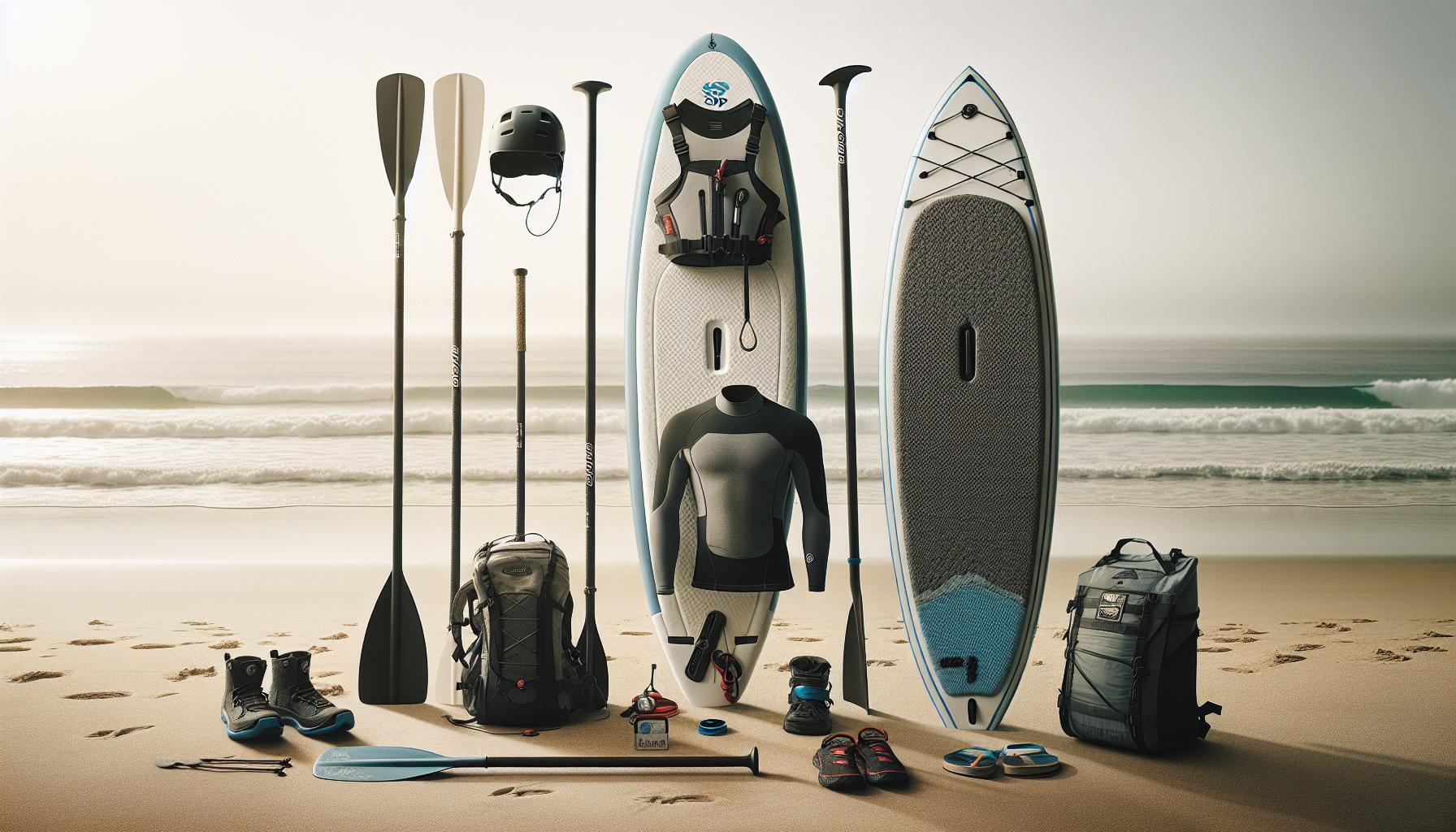
When you’re ready to hit the waves on your paddleboard, having the right gear is crucial for both your performance and safety. Picture this: the sun’s rays dancing on the water, the sound of crashing waves harmonizing with your paddle strokes, and you, fully equipped, gliding effortlessly across the surf. So, what exactly do you need to conquer the ocean on your stand-up paddleboard?
First and foremost, your paddleboard itself is your primary piece of equipment. Opt for a board designed for surfing, as these typically have a narrower profile and a more pointed nose, making it easier to maneuver through waves. A board made with durable materials, such as epoxy, will withstand the rigors of ocean paddling. Pair it with a paddle that is lightweight, yet sturdy-carbon fiber paddles are a fantastic choice for those looking to reduce fatigue while maximizing efficiency.
Next up on your gear list is a Personal Flotation Device (PFD). While you might feel confident in your abilities, conditions can change rapidly out on the water. A comfortable, lightweight PFD will keep you secure if you take an unexpected dip. Make sure it’s designed to allow movement while paddling, preventing it from becoming a hindrance when you’re riding the waves.
Protection from the elements is also essential. Consider a rash guard or a wetsuit, depending on the water temperature. Not only will they offer sun protection and prevent chafing, but a wetsuit can keep you warm on cooler days. Don’t forget proper footwear! Water shoes or surf booties provide traction and protection if you encounter rocky or sharp surfaces while launching or landing.
And of course, let’s not overlook those ocean essentials like a leash, which attaches to your board to prevent it from drifting away if you fall, and a waterproof bag or container to keep your valuables safe and dry. With the right gear, you’ll be ready to embrace the waves and turn your paddleboarding dreams into an exhilarating reality! So gear up, get out there, and let the ocean become your playground.
Understanding the Ocean: Waves, Tides, and Conditions

There’s a magical dance happening in the ocean, where waves rise and fall, creating the perfect symphony for paddleboard surfing. Understanding this aquatic rhythm isn’t just beneficial; it’s essential for riding the waves with confidence and joy. As you gaze at the horizon, the glint of the sun on the water transforms into a beautiful canvas painted with the ebb and flow of tides. Knowing how to read the ocean can elevate your surfing experience from a casual ride to an exhilarating journey.
To start, familiarizing yourself with the anatomy of a wave can significantly impact your performance. Waves are categorized into different types-beach breaks, point breaks, and reef breaks-each presenting unique challenges and thrills. Beach breaks tend to be ideal for beginners, given their forgiving nature. Look for waves that break uniformly and avoid sections with strong currents. Point breaks, on the other hand, often produce long rides and work best with specific swell directions and tides. Keep an eye on how the waves are breaking and adjust your positioning accordingly. Reef breaks, though exhilarating, are typically for more advanced surfers due to their rocky bottoms and powerful waves. Always respect your environment, and if you’re unsure, it’s best to opt for a softer break.
In addition to waves, tidal patterns play a pivotal role in your surfing adventures. Tides can dramatically change the characteristics of a surf spot. For instance, some waves work best during low tide when they reveal more structure, while others flourish at high tide, delivering a gentler ride. A helpful tip is to research local tide charts for your chosen surf location-this way, you’ll know when to hit the water for optimal conditions. Also, pay attention to the wind direction. Wind blown offshore can clean up the waves, while onshore winds can create choppy conditions that are less than ideal for paddling.
Lastly, be aware of the ocean’s conditions-this encompasses everything from swells to storms. Always check surf reports before you head out; they provide insights into the size and frequency of waves. Being in tune with the ocean not only enhances your performance but also ensures you’re riding safely. Picture this: You’ve waited for the set of waves, riding the surge with the sea breeze in your hair and the salty spray on your face, knowing you’re prepared for whatever the ocean throws your way. Embrace that sense of adventure, and let the waves guide you!
Mastering Balance: Key Skills for Paddleboard Surfing
Riding waves on a paddleboard is not just about catching the perfect swell; it’s a graceful dance that demands harmony between body and board. Balance is the secret sauce that transforms a novice paddler into a wave-riding maestro. Imagine gliding over the shimmering surface, the sun warming your skin, while the gentle roll of the ocean whispers encouragement to your core. Mastering balance is the key to feeling at home on the water, allowing you to react fluidly to the dynamic environment around you.
To cultivate balance, start by familiarizing yourself with the stance that’s best for surfing. Position your feet shoulder-width apart, with your knees slightly bent-this low center of gravity helps you absorb the natural undulations of the waves. Focus on spreading your weight evenly across your feet; feel the board beneath you as an extension of your body. Lean slightly forward, particularly as the waves build and you prepare to catch them, which engages your core and helps you maintain equilibrium. Regular practice in calmer waters before venturing into the surf can work wonders. Try standing on the board while it’s stationary, shifting your weight from one foot to the other, simulating the movements you’ll make while riding.
Dynamic Movements for Balance
As you gain confidence, introduce dynamic movements into your practice. Paddle on one side while engaging your core and using your hips to maintain stability. This exercise simulates the shifts in weight you’ll need while surfing. Embrace the rhythm of the ocean-once you catch a wave, your body will naturally adjust to fluctuations in the board’s motion. To enhance core strength, consider incorporating yoga or pilates into your routine. Poses like the Warrior or Boat can strengthen the muscles essential for balance.
Mindfulness and Connection with the Ocean
Balance is not only a physical pursuit; it’s a mental one. Cultivate a deep connection with the water by practicing mindfulness. Close your eyes (when safe) and listen to the sounds of the waves, feel the air around you, and allow the ocean to ground you. Recognizing slight shifts in your surroundings will improve your responsiveness and keep you centered.
Balancing on a paddleboard also opens the door to a broader adventure. Picture yourself riding a cresting wave with the wind in your hair and the world falling away. Every moment spent honing this skill is one step closer to that exhilarating thrill. So, get out there and practice-surf’s up!
Beginner Paddleboard Surfing Tips You Can’t Miss
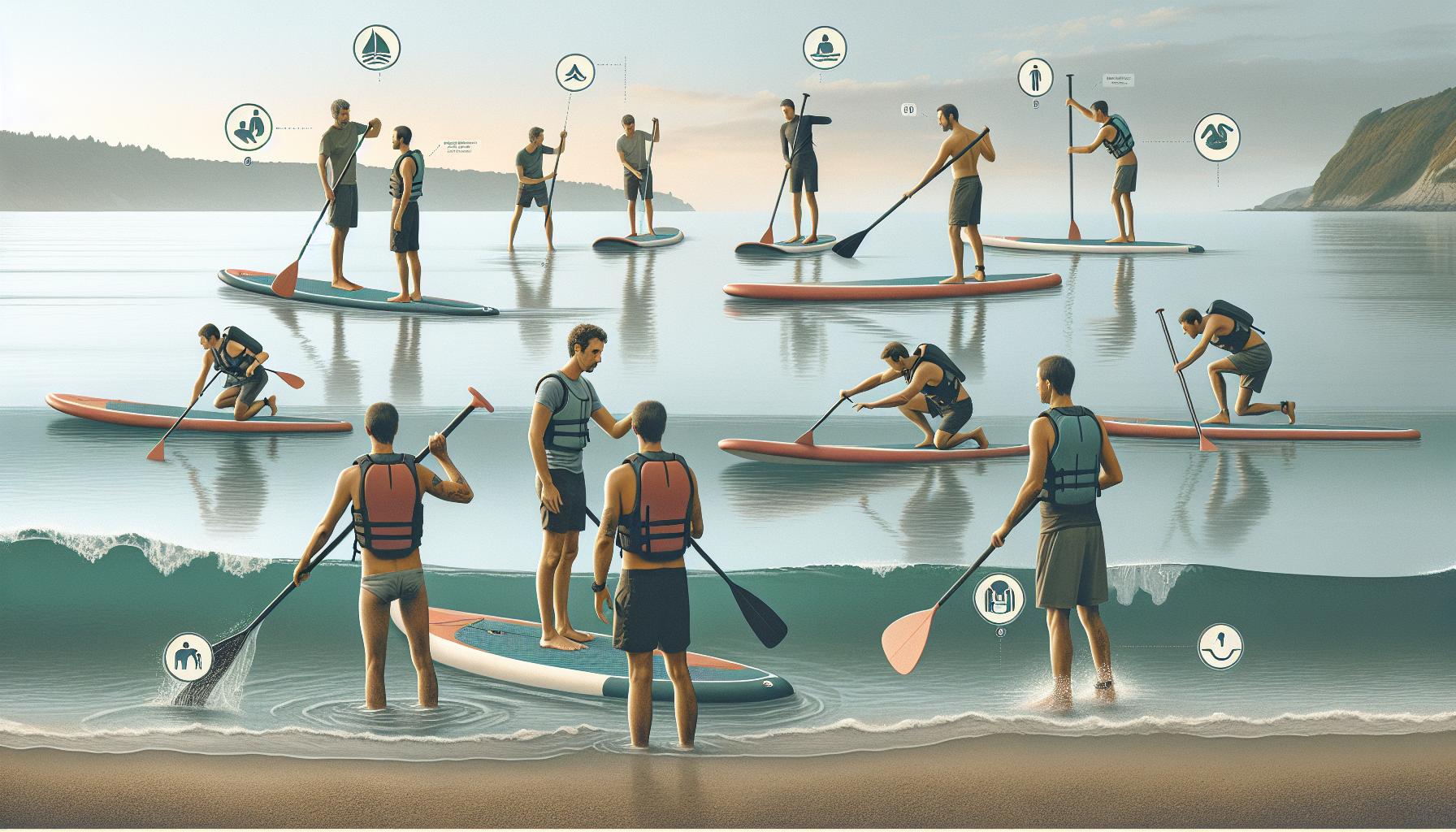
If you’re eager to ride the waves on a paddleboard, welcome to a world where ocean breezes and sun-kissed adventures await! The thrill of catching your first wave can be intoxicating, but feeling confident and secure is key to enjoying this exhilarating sport. Here are some essential tips to help you transition from shore to surf, ensuring your paddleboarding experience is as smooth as the flipping crest of a wave.
Begin your journey on your paddleboard by choosing the right time and location. Opt for gentler waves-ideally, a beach where the surf is friendly to beginners. Early mornings or late afternoons often promise less crowded waters and moderate conditions. Timing is everything! Feel the rhythm of the ocean by observing the waves before launching. Look for sets and notice how they break to help you anticipate when and where to paddle.
Once you’re out there, don’t underestimate the power of your paddle as a stabilizer. Use strong, smooth strokes to propel yourself forward, aligning your body as much as possible with the paddle for balance. Always keep your knees slightly bent and your feet shoulder-width apart, even when catching the wave, to maintain your center of gravity. This is crucial for quick adjustments as the water moves beneath you. Practice turning and pivoting on your board to develop a feel for its response to your movements; it’s almost like you’re dancing with the ocean!
Stay Connected with the Ocean
While surfing, remain mindful of your surroundings. Pay attention to the current and watch other surfers to gauge their techniques. When a wave approaches, plant your paddle in the water and start paddling with purpose-this increases your speed and helps you catch the wave at the right moment. As you feel the swell lift you, shift your weight slightly forward and prepare for the ride. Your stance should be relaxed but ready.
Whether you wipe out or glide gracefully, embrace every experience as part of your growth. The ocean teaches us patience and humility. So laugh off the tumbles, learn from them, and ride that next wave with renewed enthusiasm. Paddleboarding isn’t just a sport; it’s a joyous communion with nature, where every wave offers an opportunity for adventure and connection. Surf’s up-let the ocean be your playground!
Intermediate Tricks: Progressing Your Paddleboard Skills
To truly elevate your paddleboard surfing experience, transitioning from catching your first wave to mastering intermediate tricks opens up a world of exhilarating possibilities. Picture yourself gliding across the face of a wave, feeling the pulse of the ocean beneath you. This connection allows you to embrace new maneuvers like noseriding, pivot turns, and the thrilling backside surf. Each skill you add to your repertoire not only boosts your confidence but also enhances your ability to ride diverse wave conditions.
One of the most exciting tricks to incorporate into your surfing is the turning maneuver, especially pivot turns. This skill transforms your board’s direction swiftly, allowing you to chase down waves more effectively. To perform a pivot turn, position your paddle behind the board to act as a stabilizing pole, then shift your weight on your back foot while guiding your body forward. Practice this on calm days, so you build muscle memory without the added pressure of big waves. Aim for a smooth transition; the idea is to look like a graceful dancer out there, not a stumbling novice!
Engaging with the Ocean
While mastering these tricks, pay attention to the waves’ rhythm and their subtle changes. Watch how other surfers engage with the swell and find inspiration in their techniques. When attempting tricks like the noseride, where you balance on the front of the board, the timing is paramount. As the wave approaches, paddle with vigor to gain momentum, then shift your weight forward, keeping your gaze fixed on the horizon-not the water below-to maintain balance. Feel the thrill as you push your limits and challenge yourself.
Learning and progressing in paddleboard surfing is not just about mastering techniques; it’s about ingraining yourself in the culture of the surf community. Share your experiences with fellow surfers, swap stories of your tumbles and triumphs, and let the ocean’s lessons inspire you. Remember that every wipeout brings you one step closer to mastering that coveted trick; it’s all part of the dance with nature. Embrace each moment on the water; it’s an adventure that enriches your spirit and fosters a deep appreciation for the natural world and the joy of movement. So hop back on that board, and let the waves guide you to new heights!
Safety First: Staying Secure While Surfing on a SUP
The thrill of paddleboard surfing is undeniable, but with the rush comes the responsibility of safety. As the waves dance around you, the ocean can either be a friendly playground or an unpredictable force – and it’s essential to be prepared. Whether you’re catching your first wave or honing your advanced skills, understanding safety protocols is your best bet for an enjoyable experience.
To kick things off, always wear a personal flotation device (PFD), especially if you’re venturing into unfamiliar waters or tackling larger surf. A PFD not only increases your buoyancy but also enhances visibility, making it easier for fellow surfers and boaters to spot you. On top of your PFD, consider a leash to keep your paddleboard attached to you, especially when things get dicey. This crucial piece of equipment ensures that your board remains close by, even after a wipeout, minimizing the risk of it drifting away or hitting someone else.
Beyond gear, awareness of your surroundings can save you from trouble. Keep an eye on changing tides and evaluate wave conditions before paddling out. Use the following tips to stay safe while riding those exhilarating waves:
- Stay Hydrated: Even while surfing, drink plenty of water to keep your energy levels up.
- Know Your Limits: If the conditions look beyond your skill level, it’s wise to stay on the beach or practice in calmer waters.
- Surf with a Buddy: Having a partner with you increases safety, and you can spot each other while catching waves.
- Respect Local Rules: Familiarize yourself with surf etiquette and adhere to local surfing regulations to maintain a harmonious surf culture.
Listening to the ocean is also key. Its sounds – the crashing waves, the call of a distant seagull, even the rhythmic splash of your own paddle – can signal changes in conditions. If you notice stronger currents or heightened wave intensity, don’t hesitate to reassess your time in the water. By remaining vigilant and prepared, you can maximize your session and minimize risk, transforming each outing into an adventure without the shadow of concern. Now, grab your board, embrace the saltwater spray, and let the waves beckon you into their exhilarating embrace-safely!
Choosing the Right Paddleboard for Wave Riding
When it comes to paddleboard surfing, choosing the right board can make all the difference between feeling like a cork bobbing in the waves and carving through swells with the grace of a sea otter. Selecting a paddleboard tailored for wave riding involves understanding the nuances that affect performance, stability, and overall fun as you glide across ocean swells.
Paddleboards specifically designed for surfing or wave riding are typically shorter and narrower than all-round boards. This streamlined design allows for greater maneuverability and responsiveness when navigating waves. Generally, look for boards in the range of 8 to 12 feet in length, with a width of about 30 inches or less. The narrower profile offers less drag while paddling out through swells and gives you better control when you’re catching and riding waves. Additionally, a board with a pointed or kite-like nose helps slice through the water, enhancing your speed as you paddle into the swell.
In terms of material, boards crafted from epoxy or fiberglass are often more rigid, allowing for improved performance on the waves. They transfer energy better and respond more dynamically than softer, inflatable boards, making them preferable for those looking to chase down that perfect wave. However, if you’re just starting or need something for ease of transport, high-quality inflatable paddleboards designed for surfing have also made great strides in performance and can be an excellent compromise.
When you’re assessing the ideal board for your paddleboard surfing adventures, consider the fin setup as well. Many surf-oriented SUPs feature a thruster (three fins) or quad (four fins) configuration which helps with stability and grip while turning. The larger the fins, the more grip you’ll have when you’re riding the waves, but smaller fins may help with speed in more delicate conditions.
In summary, if you want to engage with the waves rather than be tossed around like a rag doll, invest time in researching paddleboards that promote effortless wave riding. Visualize yourself gliding gracefully, the turquoise waves cresting beneath your feet, the salty spray mixing with laughter as you conquer not just the surf, but your fears. Each wave is a lesson, and your board is your trusty steed-make sure it’s ready for the ride of your life!
The Best Locations for Paddleboard Surfing Adventures
Imagine paddling out into the shimmering blue sea, the sun kissing your skin while you anticipate the thrill of catching a wave. The locations where you can enjoy paddleboard surfing create the perfect backdrop for such exhilaration. Let’s dive into the best spots that blend stunning scenery with surfable waves, making them ideal for both newcomers and seasoned paddleboarders.
One of the top destinations is Honolua Bay, Maui. Renowned for its breathtaking beauty and perfectly breaking waves, this spot offers a range of conditions suitable for all skill levels. The crystal-clear waters, beautiful marine life, and lush green cliffs create a stunning environment that makes you feel alive. For beginners, the left point break provides manageable waves, while more advanced surfers can ride the faster rights when the conditions are just right. Tip: Traffic can get busy, so arriving early gives you a better chance at a quieter experience.
Next, let’s explore Malibu, California, known for its iconic waves and surf culture. The scenic beaches here offer various breaks, and a morning paddle surf session in the cool Pacific water is a rite of passage for many surfers. The swells at Surfrider Beach are perfect for paddlers and often provide a fun ride even when the surf is small. Watching dolphins jump in the distance while you glide over the waves adds a magical touch to your surfing adventure. Don’t forget: Always check local surf reports and tides before heading out to ensure the safest and best conditions!
For those looking for a more tropical vibe, Canggu, Bali is calling your name. This destination not only offers excellent surf conditions but also a vibrant cultural experience. The warm, inviting waters are ideal for paddleboard surfing, with consistent waves that cater to all levels. Surfing in Bali is as much about the atmosphere as it is about the waves; indulge in beachfront cafes where you can share stories with fellow surf enthusiasts after a session. Remember: The best time to surf in Bali is during the dry season, from April to October, when the swells are at their peak.
Lastly, don’t overlook Nicaragua for its stunning beaches and pristine conditions. This hidden gem features uncrowded waves, making it perfect for those wanting to avoid the hustle of more popular spots. Locations like San Juan del Sur boast warm water and consistent surf that’s favorable for paddleboarding. Explore the coastline, soak in the vibrant sunsets, and share stories with fellow adventurers who appreciate the simplicity of catching waves in such breathtaking surroundings.
No matter where you decide to paddle surf, each location brings its unique sights, sounds, and sensations. Whether battling the morning mist at Malibu or soaking in the vibrant atmosphere of Bali, your paddleboarding adventure will leave you with unforgettable memories. So grab your board, embrace the ocean breeze, and let the waves take you on a journey you’ll cherish forever!
Lessons from the Pros: Expert Insights for You
The thrill of surfing on a paddleboard isn’t just about catching waves; it’s about connecting with the ocean like never before. Pros encourage you to think of each paddle stroke as an invitation to dance with the waves. To truly embrace this synergy, immerse yourself in the rhythm of the sea, feeling the swell beneath your feet, and reacting to the crests that beckon you. Many seasoned paddleboard surfers recommend playing in the smaller, less intimidating waves first. Mastering these helps you gain confidence and refine your technique. Remember, it’s all about having fun while riding the unfolding story of the sea.
When it comes to stance and balance, expert paddleboarders emphasize the importance of positioning your feet. Your stance should mirror a relaxed surf position: feet shoulder-width apart and knees slightly bent, ready to absorb the energy of the wave. Try to stay centered and low on your board, using your core for stability. One trick shared by wave-riding veterans is to look down the line of the wave as it approaches. This keeps your weight forward, ensuring that you catch the wave’s energy just at the right moment – it’s like reading the ocean’s rhythm and responding in kind.
In terms of technique, paddle at an angle towards the wave as it breaks; this allows you to maintain momentum while navigating through the water. Pro surfers often use the term “paddle hard” to describe launching into waves. They advise that you should commit; hesitation can lead to missing out on that perfect ride. Once you’re on the wave, keep your paddle close to the board, using it as both a rudder and a stabilizer, and feel free to carve up the face-lean into turns and let the paddle support your movement.
Lastly, the ocean has a language of its own, and understanding it adds another layer of joy to your experience. Observing other surfers and their interactions with the waves can provide invaluable insights. Pay attention to how they position themselves according to changing tide patterns or swell consistency. Engaging with fellow surfers fosters community and offers an opportunity to learn from those around you. The best part? Every wave you catch is a step towards becoming part of this vibrant, energizing lifestyle, celebrating both the serenity and thrill of paddleboarding in the ocean’s embrace.
Common Mistakes to Avoid When Surfing on a SUP
Mastering the waves on a paddleboard is a thrilling journey, yet even the most seasoned surfers can stumble on common pitfalls that hinder their ride. One of the biggest mistakes is improper stance and positioning. New surfers often underestimate how crucial positioning is for both balance and control. Your feet should be shoulder-width apart, with knees slightly bent, emitting a strong sense of stability. A lot of beginners find themselves standing too upright, which can throw off their center of gravity and lead to wipeouts. Instead, focus on lowering your center of gravity and staying relaxed to adapt to the wave’s motion.
Another frequent misstep is haphazard paddle usage. Many lack awareness of how their paddle can aid them not just in propelling forward but also in maintaining balance and steering effectively. Paddling hard is essential to catch and ride the wave, but it shouldn’t feel chaotic. Instead, use gentle strokes to steer and stabilize as you approach the wave. It’s all about finding a rhythm-this means holding the paddle close to your board when on the wave for balance and employing it skillfully to control your direction.
A pervasive myth is the belief that speed is paramount-it’s not always about racing to the wave. Many surfers rush, thinking they need a high-speed entry. This rush can lead to missed opportunities and collisions. Instead, cultivate a sense of patience; observe the waves, learn their timing, and glide in smoothly rather than forcing yourself onto every swell. Moreover, a common psychological hurdle is the fear of falling-embracing this risk is part of the adventure! The ocean is forgiving; each fall is just another story, another lesson. So, shake off the anxiety and lean into the experience with zest!
Lastly, don’t overlook the importance of etiquette on the water. It’s easy to get carried away in the excitement, but understanding the unwritten rules of priority can enhance your experience and that of others around you. Respect other riders and keep an eye on wave positioning; dropping in on someone can spoil their ride and create unnecessary tension. Treating fellow surfers with respect not only enhances camaraderie but also cultivates a true surf culture that celebrates the ocean’s spirit. So, stay poised, keep your paddle close, and remember: every wave brings the chance to learn and connect!
Glossary of Paddleboard Surfing Terms Every Rider Should Know
Every paddleboarder should be armed with a solid understanding of the lingo that accompanies the exhilarating practice of wave riding. A well-versed vocabulary not only enhances safety but also enriches the camaraderie found in the surf culture. Whether you’re a novice eager to catch your first wave or an intermediate rider fine-tuning your skills, having these terms at your fingertips can make all the difference in your experience on the water.
Key Paddleboard Surfing Terms
- Stance: Your positioning on the board is crucial. A proper stance, with feet shoulder-width apart and knees slightly bent, provides stability and control as you ride the waves.
- Take-off: This is the critical moment when you catch a wave. Timing your stroke for the perfect take-off is essential for a successful ride.
- Riding the Wave: Once you’ve caught it, riding the wave refers to maintaining balance and direction while navigating the swell. It’s about feeling the energy of the wave beneath you!
- Duck Dive: This technique allows you to push your board under the wave while paddling out, reducing the impact of breaking waves crashing over you.
- Drop-in: This refers to entering the wave at the peak. It’s vital to understand wave priority to avoid collisions with other surfers.
- Cutback: A maneuver where you turn back towards the breaking part of the wave, this is all about rhythm and connecting with the wave’s flow.
- Wipeout: Falling off your board is part of the learning curve. Embrace each wipeout as a stepping stone in your surf journey!
- Set Waves: These are the larger waves that come in sets. Recognizing these can help you position yourself better for a good ride.
- Beach Break: This term describes waves that break over a sandy bottom, creating a soft landing if you happen to wipeout!
- Paddle Stroke: The action of using your paddle to steer and stabilize yourself on the board. Effective paddling is essential for achieving speed and maintaining control.
Learning these terms empowers you to navigate the ocean with confidence and enhances the joy of the ride. Picture yourself gliding on your paddleboard, the sun warming your skin, and the rhythmic sounds of the sea all around you. Every wipeout and successful ride adds to your story, deepening your love for this vibrant surf culture. So, get out there, embrace the waves, and use your newfound vocabulary to connect with fellow paddlers!
Frequently Asked Questions
Q: Can you use a paddleboard for surfing?
A: Yes, you can definitely surf on a paddleboard, specifically a stand-up paddleboard (SUP). Many paddlers enjoy wave riding as it allows them to combine surfing techniques with the stability of a SUP, making it accessible for various skill levels.
Q: What type of paddleboard is best for surfing?
A: The best paddleboards for surfing are typically shorter and thicker, allowing for better maneuverability on waves. Look for wide, stable boards designed for surf conditions, often recommended in dedicated sections of surf gear reviews.
Q: How do you catch waves on a paddleboard?
A: To catch waves successfully on a paddleboard, position yourself facing the incoming wave, paddle towards it to gain momentum, and then shift your weight to the back of the board as you pop up. This technique helps you ride the wave effectively.
Q: What are common mistakes when paddleboard surfing?
A: Common mistakes include not reading the wave properly, paddling too late, or losing balance during the pop-up. Ensure you practice your technique and focus on timing when catching waves to avoid falling off your board.
Q: Can beginners surf on a paddleboard?
A: Absolutely! Beginners can surf on a paddleboard with the right guidance. Start with flat, small waves and practice the basic paddling techniques, focusing on balance before progressing to more challenging surf conditions.
Q: How do I improve my balance for paddleboard surfing?
A: To enhance your balance for paddleboard surfing, practice yoga or on-land stability exercises to strengthen your core. While on the water, try exercising dynamic movements, like shifting your weight from side to side to gain better control.
Q: What safety precautions should I take when paddleboard surfing?
A: Always wear a personal flotation device (PFD) and a leash to stay attached to your board. Check ocean conditions before heading out, and ideally surf with a buddy. These precautions ensure safety while enjoying your SUP adventures.
Q: Why is wave knowledge important for paddleboard surfing?
A: Understanding wave patterns and ocean conditions is crucial for surfing successfully on a paddleboard. Knowing when to paddle for a wave and how to navigate strong currents can lead to a more enjoyable and safer surfing experience.
The Way Forward
As you paddle out to catch those waves, remember: surfing on a paddleboard is not just a sport; it’s a thrilling adventure that anyone can embrace! We’ve explored essential techniques to elevate your SUP wave riding skills, making your time on the water both exhilarating and rewarding. Ready to dive deeper? Check out our guide on the Best Beginner Paddleboards for 2025, which will help you choose the right board to enhance your experience [[1]].
Don’t miss the chance to engage with our community! Share your paddle surfing stories or questions in the comments below-let’s ride this wave together! Plus, for more gear reviews or tips like this, browse through our latest articles. If you’re eager to perfect your skills, consider signing up for our newsletter for expert insights delivered straight to your inbox. Dive back into the surf culture, and let the ocean’s rhythm carry you to new adventures!
Get our latest guides, news, and insights highlighted in your Google Search & AI Overviews.