
Imagine standing on the sun-warmed sands, the rhythmic crash of waves invigorating your spirit. As a surf fisherman, knowing how to read the surf is your secret weapon for pinpointing those elusive feeding zones. Understanding where fish congregate can transform a lackluster day into a thrilling catch. By tuning into the patterns of the water, you’ll not only improve your fishing success but also enhance your connection to the ever-changing ocean landscape. In this guide, we’ll unravel the art of reading the surf and spotting these vital feeding zones, empowering you to cast with purpose and tap into nature’s bounty. So grab your gear, and let’s dive into the mesmerizing world of surf fishing!
Understanding Surf Patterns for Fishing Success
The surf isn’t just a playground for surfers-it’s a buffet line for fish! Understanding how to read surf patterns can be your golden ticket to a fruitful day of fishing. As the waves crash and retreat, they create complex currents and movements in the water, clustering baitfish and enticing hungry predators. Recognizing these patterns can make you more than a chance angler; you’ll become a strategic fisherman, predicting where fish choose to feed based on the ocean’s subtle cues.
One of the most critical aspects to consider is the formation of rip currents and sandbars, which play a pivotal role in creating prime fishing zones. Look for breaks in the wave pattern-these often indicate deeper water, where larger fish tend to lurk. As you observe, be mindful of where the waves are cresting and breaking; areas that experience different wave heights and movement can signify where fish are congregating. Additionally, watch how baitfish move-when you see them jumping or swirling, that’s usually a signal that predators are nearby, ready to pounce on an opportunistic meal.
The magic of reading the surf also extends to understanding wind direction and its influence on water temperature. A brisk onshore breeze can stir up the waters, bringing nutrients and bait closer to shore, while an offshore wind often calms the surface, allowing a clearer view into the water. Pay attention to the color of the water, too-stained or more turbid areas often indicate nutrient-rich zones that attract fish. By combining these visual cues with your knowledge of fish behavior, you can transform yourself into a more effective and engaged surf angler.
In sum, patiently studying the surf is akin to learning a complex dance. Each wave, current, and gust of wind contributes to a movement that, if deciphered correctly, can lead you right to the feeding zones. Grab your rod, embrace the rhythms of the ocean, and let the surf guide you to your next great catch!
Identifying Prime Feeding Zones in the Surf

The ocean is a dynamic stage, where fish feast on the bounty carried in by the surf, and your success as an angler hinges on knowing where to set your line. Identifying where these prime feeding zones occur can turn a slow day into an exhilarating one, filled with action and excitement. Each day on the beach offers new opportunities, but a few consistent indicators can help you pinpoint where the fish are most likely to be lurking, waiting for the perfect meal to wash by.
Start by observing the contours of the ocean floor that interact with the waves. Look for features such as sandbars, troughs, and rip currents; these natural structures dictate where baitfish congregate and where predators like halibut and perch can be found. Sandbars slow down incoming waves, often leading to the formation of deeper water on the other side. To maximize your chances, cast into these deeper zones during high tide-fish frequently use sandbars as ambush points in search of unsuspecting bait. Meanwhile, troughs between sandbars provide ideal hunting grounds, housing both baitfish and the predators that chase them.
Additionally, bird activity can serve as a remarkable clue to the presence of feeding zones. Watch for diving birds-gulls and pelicans can signal that schools of baitfish are near the surface, attracting larger fish. If you spot a flock of birds swooping and diving into the surf, it’s not only visually captivating but practically your cue to cast your lines, as this almost always indicates a feeding frenzy. That fluttering frenzy above correlates to a vibrant underwater scene, transforming your fishing spot into a veritable buffet.
To enhance your fishing strategy, don’t overlook the importance of tide cycles. High and low tides drastically alter the landscape of your surf fishing territory. During high tide, certain areas that may seem barren at low tide suddenly come alive with potential. Keep a log of your outings-note the conditions, times, and successes. This practice not only sharpens your skills but builds an understanding of how the ocean’s rhythm impacts fish behavior, allowing you to adapt and overcome as conditions change. By observing the dance of the surf and its inhabitants, you’ll transform into more than just an observer; you’ll become a master sider in the ongoing aquatic ballet that unfolds at the water’s edge.
Tools of the Trade: Gear for Spotting Fish
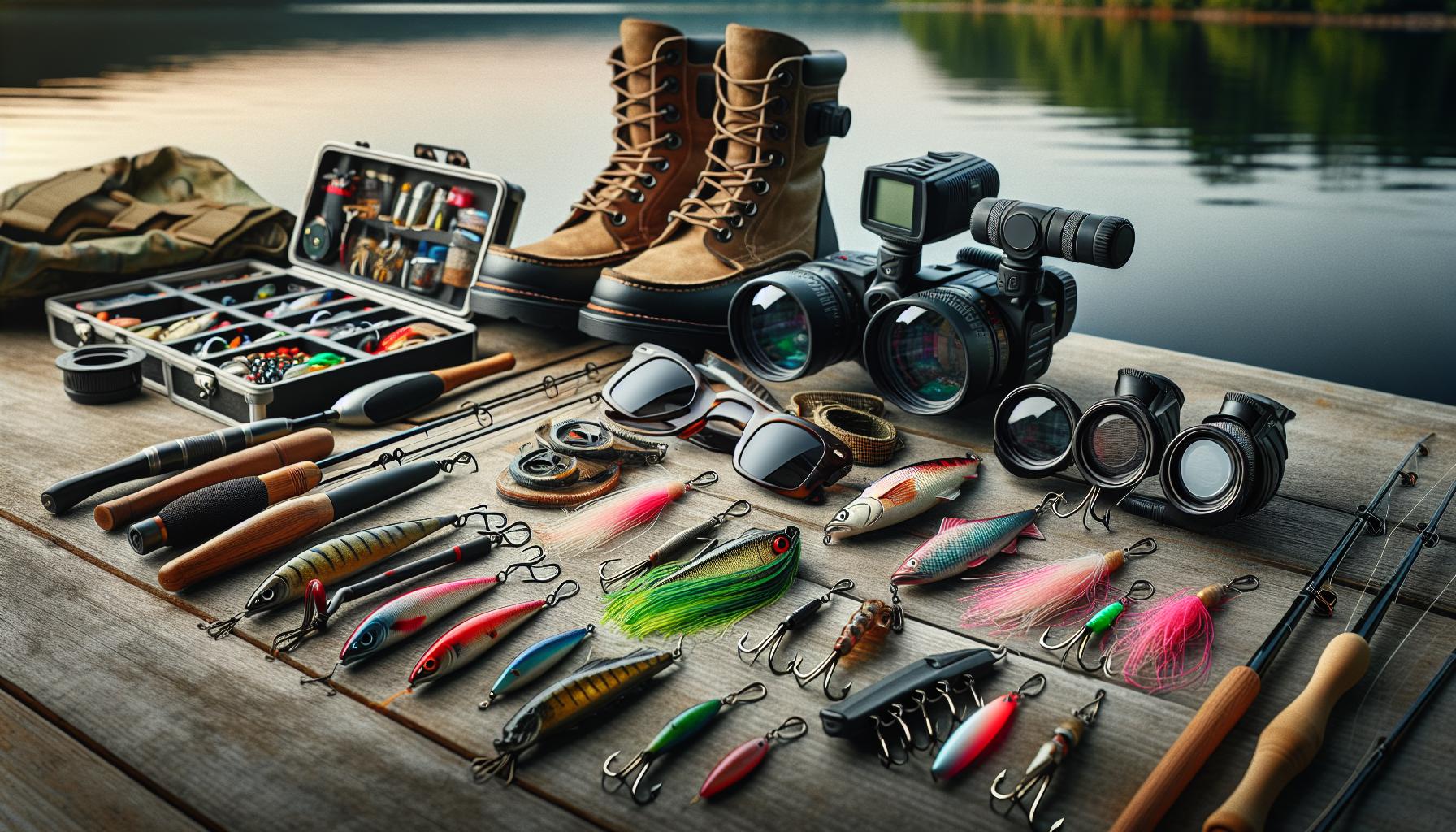
Picture yourself at the edge of the shimmering ocean, the salt-kissed breeze brushing against your face as you scan the water’s surface, looking for signs of life. The right gear can turn this tranquil scene into a successful fishing expedition in no time. When it comes to spotting fish in the surf, the equipment you choose can enhance your ability to detect those elusive feeding zones. With the right tools, you’ll feel like a wizard with a rod, conjuring up the next big catch.
Start with a solid pair of polarized sunglasses. These magical windows reduce glare and allow you to peer into the depths of the water, making it easier to see fish, bait schools, and any structure beneath the surface. Look for a pair with a good fit and lens quality; investing in a pair specifically designed for fishing can help you spot those rolling fish with dizzying speed. Next, consider adding a compact pair of binoculars to your gear. With a good set, you can keep an eye on bird activity from a distance, watching for the telltale dives that indicate baitfish below, transforming your fishing day into an epic chase.
Additionally, a versatile beach fishing rod with a sensitive tip will allow you to feel every nibble while also providing the power needed to reel in larger catches. Pair this with a reliable reel equipped with a smooth drag system for optimum performance, freeing you to focus on spotting the big ones. A tackle box filled with an assortment of lures and baits-ranging from soft plastics to surface poppers-will equip you to adapt to anything the ocean throws your way. Remember, having a selection helps you mimic what the fish are feeding on, improving your success rate when you make that cast.
Lastly, don’t underestimate the power of technology. Various fish-finding apps and handheld sonar devices can provide real-time information on fish presence and water conditions. These tools can give you the confidence boost you need when scouting for your next catch. Equip yourself with these essentials, harmonizing intuition and technology, and you’ll be ready to navigate the exhilarating dance of surf fishing, whether you’re a novice or a seasoned pro. Every trip to the beach can become a new adventure waiting to unfold as you combine the art of fishing with the thrill of spotting your prize from the shore!
Reading Ocean Swells: What You Need to Know
As you step onto the warm sand with the rhythmic dance of waves crashing at your feet, understanding the ocean’s swells can be the secret ingredient that elevates your fishing adventure. The swells, those rolling hills of water that sweep towards the shore, shape not just the surf but also the behavior of fish. When deciphered correctly, these swell patterns can help you identify prime feeding zones where fish congregate, transforming your fishing experience from ordinary to extraordinary.
The first major influence of ocean swells is how they interact with the seabed. When swells approach shallower areas, they start to “feel” the bottom. This interaction causes waves to break, forming troughs and tops, which can create ideal zones for fish to hide and hunt. Look for those breaks in the swell; where waves crash abruptly can signal sandy or rocky bottoms, often attracting baitfish and, ultimately, their predators. Locating these features might require some diligence, but the reward is worth every moment spent observing the interplay of ocean and shore.
Key Techniques for Reading Swells
To effectively read these swells and their influence on fishing spots, consider the following tips:
- Watch for Consistency: Observe how waves consistently break in certain areas. If you notice a particular spot that repeatedly attracts breaking waves, it’s likely well-structured underwater, making it a potential feeding zone.
- Combine with Tides: Pay attention to the tides in tandem with swell patterns. High tide may push fish closer to the shore, while low tide can leave them exposed, making swell-wrapped structures prime hunting grounds.
- Gauge Swell Height: Larger swells often lead to more disarray in the water, while smaller swells may allow for clearer visibility into the water, helping you spot feeding zones more easily.
- Note Wind Direction: Wind can significantly impact wave formation and surface turbulence. A steady offshore breeze can create glassy conditions perfect for spotting fish, while strong onshore winds may muddle the water and roughen the surface.
Though the ocean can seem like a vast mystery, embracing the nuances of its swells provides invaluable insight into surf fishing. As you become attuned to these rhythmic patterns, you’ll find yourselves not merely casting into the unknown but deliberately targeting the lush zones of the ocean where fish feast. So grab your gear, let the sea’s pulse guide you, and prepare for a day filled with excitement as each swell reveals its secrets, bringing you closer to that prized catch.
Tides and Currents: Their Impact on Fish Behavior
Understanding the dance of tides and currents is like unlocking a secret language of the sea, guiding you toward the bounty just waiting to be caught. When fishing along the coast, these powerful forces don’t just shape the shoreline; they also dictate where fish find their meals. Knowing how tides ebb and flow can dramatically enhance your chances of spotting those delicious feeding zones.
As the tides rise and fall, they create fluctuations in water levels that expose or cover various underwater structures like reefs, bars, and rocks. High tides often pull baitfish closer to shore, making them accessible to predators-think of it as a buffet being laid out just for them! Look for areas where the water is churning with life as the tide turns; these spots usually signal increased activity and hunting behavior. Conversely, during low tides, fish may retreat to deeper waters, so you’ll want to adapt your strategy accordingly. You can also use the tidal calendar to time your outings around conditions that favor feeding behavior, maximizing the potential of your fishing trips.
Current patterns add another layer to this intricate puzzle. Fish use currents to save energy while hunting, so understanding the direction and strength of the flow is essential. Areas where currents collide or converge can create eddies and slack water, which become prime hunting grounds. You might find that fish gather at the edges of these currents-suspended schools of bait not far away, offering a tempting opportunity. Always pay attention to how water moves through the surf, as this will inform your casting direction and technique.
Key Tips for Utilizing Tides and Currents:
- Study Tidal Charts: Familiarize yourself with local tidal patterns to pinpoint the best fishing times.
- Observe Change: Stay alert to the transitions as tides change; often, the best bites occur during these moments.
- Embrace Nature’s Signals: Use visual clues like ripples and frothing water to find currents that attract hungry fish.
- Adjust Your Gear: Depending on the tide, you may need to change your weight or bait type to present offerings effectively.
By immersing yourself in the rhythms of tides and currents, you transform your fishing experience into a synchronized dance with nature. Whether you’re a seasoned angler or just dipping your toes into surf fishing, understanding these elements will keep you hooked-not just on the line, but on the joy of the catch!
Observing Bird Activity: Nature’s Fishing Partners
When you’re out on the beach, scanning the horizon for movement, don’t just focus on the water; keep an eye on the sky as well. Birds can be nature’s ultimate fish-finding radar, and knowing how to interpret their behavior can lead you straight to feeding zones. Watching for birds diving into the surf is like getting an insider tip on where the fish are biting. Whether it’s the elegant swoop of seagulls or the bold plunge of pelicans, these avian allies are often your best indicators of a hidden underwater feast.
Birds feed primarily on baitfish, so a flurry of activity above the water usually means that there’s a veritable smorgasbord below. When you see a group of birds diving or circling over a specific spot, it’s a clear sign that something exciting is happening beneath the surface. More importantly, their behavior changes with the tides and current, which reinforces the importance of combining your observations of birds with your understanding of the ocean’s rhythms. As tides rise and drop, fish often concentrate in certain areas, while birds-ever the opportunists-are quick to capitalize, diving for hapless bait that’s been pushed closer to shore.
To effectively utilize the behavior of birds in your fishing strategy, consider these tips:
- Identify Feeding Patterns: Learn the types of birds common in your fishing area and their feeding habits. Gulls, for instance, may hunt actively during the day, while night herons hunt in the calmer evening hours.
- Watch for Clusters: Look for groups of birds gathering in one area. The more concentrated the group, the more likely there are fish below-a veritable buffet!
- Observe Their Timing: Note the times when birds are most active. It can help you plan your trips during peak feeding times for both birds and fish.
- Learn Their Dive Patterns: Not all bird activity indicates the same opportunity. Seagulls often scavenge, while diving birds like terns or pelicans are reliable indicators of predator fish below.
Remember, nature holds the key to understanding the underwater world, and birds are the gatekeepers to that treasure. Tuning into their activity not only enhances your chances of a successful catch but deepens your connection to the vibrant ecosystem around you. So next time you’re casting your line, take a moment to watch the skies; they might just lead you to the catch of the day!
Effective Techniques for Marking Feeding Areas
When you’re out braving the elements, casting your line into the surf, knowing how to mark those elusive feeding zones can feel like finding a needle in a haystack. But with a keen eye and a bit of savvy, you can uncover hidden treasures beneath the waves! The dance of the water and the behavior of the fish are intricately linked, and the key lies in observing where the action happens-both above and below the surface.
One effective technique for identifying these hotspots is to observe the water for any signs of life. Look for disturbances in the waves that might signal feeding fish, such as splashes or circular ripples. Pay attention to the type of water movement around you-a combination of swirls and choppy areas might indicate the presence of baitfish being chased by predators. The presence of foam or discolored water can also hint at higher concentrations of nutrients and fish. Timing your visits during dawn or dusk can enhance your chances, as these are prime feeding times for many species.
Utilizing simple markers can be immensely helpful as well. Carry a small notebook or create a digital note on your phone to jot down notes about specific feeding areas you’ve identified. Include details such as the time of day, type of baitfish visible, and current water conditions. These notes will become invaluable as you develop a deeper understanding of what works during various environmental conditions. You might even want to consider marking your spots on a map or using GPS coordinates for future reference, allowing you to return when conditions are just right.
The wind, too, can play a significant role in determining where fish gather. By observing the wind direction, you can figure out where the waves are breaking. Look for areas where the current sweeps bait into eddies; this accumulation of food is a dinner bell for hungry fish. Not only does this enhance your fishing strategy, but it also contributes to an overall greater connection with the natural rhythms of the ocean. Embrace the nuances, enjoy the thrill of the hunt, and let the sea reveal its secrets as you master the art of marking those epic feeding zones!
Common Mistakes When Reading the Surf
When it comes to reading the surf for fishing, making errors in judgment can cost you a great day under the sun-or worse, keep you from hooking those elusive fish altogether. Think of it like trying to decode the secrets of nature’s playbook; even seasoned anglers can misinterpret the signals of the ocean. Here are some common pitfalls to steer clear of, ensuring your next fishing venture is both productive and exhilarating!
One mistake many beginners make is to overlook the significance of water clarity. Murky waters may seem teeming with life, but this can often be counterproductive. Fish rely on sight and a muddy environment can make it tricky for them to spot their prey. Instead, watch for clear patches and areas where the water sparkles-this usually means it’s free from disturbances and ripe for a fishing adventure. On days when the surf is particularly choppy, don’t be fooled by the chaos; often, the fish seek out calmer waters near reefs or sandbars where they can find shelter from the aggressive waves.
Another common error is not taking into account the tides. The tide’s rhythm significantly influences fish behavior; they feed more actively during rising and falling tides. If you’re not paying attention, you could miss out on those prime feeding times. Mark your calendar-there’s nothing quite like the anticipation of watching the tide come in as seabirds dart above, signaling that it’s almost time for the feast. Often, the best spots to cast your line are at the drop-offs created by the moving tides, where fish gather like partygoers at a buffet.
Pay Attention to Nature
Then, there’s the temptation to ignore adjacent wildlife. Observing bird activity can give you major hints about fish whereabouts. The sight of seagulls dive-bombing the surface can indicate a school of baitfish below, while pelicans gliding overhead often imply something even bigger is hunting. Don’t just focus on the ocean waves but take a step back and watch the larger ecosystem; it often holds the key to your next big catch!
Finally, relying solely on your previous experiences without adapting to current conditions is a recipe for disappointment. Each day in the surf is unique, shaped by myriad factors, from weather patterns to seasonal migrations. Keep a fishing journal to track what works and what doesn’t, and embrace the fluid nature of your surroundings. This will refine your understanding and enhance your ability to decode the ocean’s dance. A successful fishing outing is as much about reading the surf as it is about being able to adapt and evolve with it.
By becoming attuned to the subtleties of the surf and embracing nature’s signals, you can transform your fishing experience into a captivating dance with the ocean. Book it, cast it, and get ready for some fantastic fish tales!
Seasonal Changes: Adapting Your Strategies
The ebb and flow of the seasons bring a mesmerizing rhythm to the ocean, influencing everything from the swell of the waves to the patterns of fish movement beneath the surface. As any seasoned angler will tell you, adapting your strategies to align with these seasonal changes can make all the difference between a fruitful day of fishing and coming home empty-handed. Picture this: in spring, the water warms, enticing baitfish to move inshore, leading predators like striped bass and halibut into the shallows, hungry for a snack. By recognizing these shifts, you’ll not only enhance your fishing adventures but also deepen your connection to the ocean.
One strategy to embrace is understanding the seasonal migrations of both fish and bait. As spring melds into summer, it’s essential to transition your approach-lighter tackle and faster retrieves can mimic the agile nature of schooling baitfish, drawing in predators eager to feed. Spend your mornings casting near rocky outcroppings or tide pools, where fish congregate to hunt. The vibrant sights and sounds of gulls squawking and the gentle lapping of waves create an electric atmosphere, inviting you to explore. As summer bends into autumn, fish often begin to venture back offshore in search of cooler waters, so consider moving to deeper pools or channels to maintain your luck.
Your tackle box should also evolve with the seasons. In the fall, water temperature drops, and fish become more aggressive as they prepare for winter. Adjust your bait accordingly; large swimbaits or jigs mimicking injured prey can trigger strikes from otherwise elusive species. Be sure to pay attention to local reports and consult with fellow fishermen-there’s a wealth of knowledge to be shared amongst the surf fishing community.
Finally, keep a finger on the pulse of the weather. Seasons influence not just fish behavior but also conditions at your surf spots. Stormy fronts can stir up feeding frenzies, while clear, calm days may require a patient approach. The key takeaway? Equip yourself with awareness and adaptability, creating strategies that morph with the changing tides. As you align your fishing techniques with nature’s rhythm, you’ll find yourself better in tune with the surf, celebrating the adventure of the chase. So grab your gear, head to the edge of the water, and let the seasonal dance begin!
Case Studies: Success Stories from the Water
The ocean often reveals its secrets to those who understand its whims-just ask Tony, a local surf fisherman who swears by the rhythms of the tides and the telltale signs of the surf. On a glorious summer morning, Tony arrived at his favorite beach with both excitement and a strategy locked in place. Using his knowledge of seasonal fish behavior, he noticed the swells and frothy whitewash that promised an active feeding zone just off the rocky outcroppings. Armed with a light tackle setup and a handful of swimbaits mimicking small baitfish, Tony was ready to dance with the swell.
As the tide began to rise, Tony positioned himself strategically at the water’s edge. He cast his line just past the breaking waves, where the water churned and kept a consistent eye on nearby bird activity. Here, a fleet of seagulls began diving into the surf, thrilling him with the sight of fish being chased. This wasn’t random luck; it was a signal that predators were nearby. Within moments of landing his bait, the unmistakable tug on his line set his heart racing-within minutes, he was reeling in a stunning striped bass, a true testament to the power of reading the surf and understanding nature’s cues.
### Key Takeaways from Tony’s Adventure
Tony’s experience beautifully illustrates some pivotal tips for success in surf fishing:
- Know the Tides: Timing your fishing sessions around high and low tides can significantly affect your catch. Fish often patrol the troughs during these times, looking for food washed in by the surf.
- Watch for Bird Activity: Birds are nature’s signals; when they dive into the water, it often means baitfish are present, leading to more active predator fish.
- Adapt Your Bait: Matching your bait to the local forage-whether it be small minnows or larger baitfish-can greatly increase your chances of success.
Another fascinating case comes from Mia, who ventured out on a crisp autumn day eager to test her skills. She had been following the weather patterns closely, aware that storms often trigger feeding frenzies. With a slight drizzle adding to the visceral energy of the beach, Mia chose a secluded spot where the incoming swells crashed against an underwater rock formation. As she cast out her line, she felt the thrill of anticipation as her bait danced in the tumultuous water.
On this day, the ocean was alive; within thirty minutes, Mia found herself battling a fierce halibut that had come in close to feed on the disoriented baitfish stirred up by the shifting currents. Her success that day was not just a matter of luck, but rather a culmination of understanding environmental factors and adapting her approach accordingly.
### Learning Opportunities from Mia’s Experience
Mia’s story emphasizes essential lessons for readers:
- Embrace the Elements: Weather changes can create boom periods for fishing. Be ready to take advantage of conditions that stir up activity.
- Identify Underwater Structures: Rocky formations or submerged vegetation often serve as prime hiding spots for fish. Casting near these structures can yield great results.
- Stay Patient and Observant: Fishing isn’t just about casting your line. Observing, waiting, and adjusting based on what you see and feel are critical components of the experience.
Both Tony and Mia’s narratives reflect an adventurous spirit shared by surf fishermen everywhere. The ocean is a dynamic playground rich with opportunities for those willing to learn and adapt. Each trip is not just about the catch but also about discovering the ever-changing relationship between the surf and its resident fish. With every wave that rolls in, a new story unfolds-waiting for you to write it. Grab your gear, immerse yourself in the sights and sounds of the beach, and who knows what success stories await you!
Environmental Factors That Influence Surf Fishing
The ever-changing dance of the ocean directly influences surf fishing, making it essential for anglers to tune into environmental factors that dictate where fish thrive. Imagine standing at the water’s edge, the salty breeze tousling your hair, while giant swells crash rhythmically against the shore. These waves are not just beautiful; they are nature’s orchestra of activity that can transform a quiet morning at the beach into a fishing frenzy. Understanding these elements can be your secret weapon in locating prime feeding zones.
One of the most critical aspects to consider is the interplay of tides and currents. Tides shift dramatically throughout the day, and knowing when to fish based on high and low water periods can mean the difference between a barren day and a bucket full of fish. During the incoming tide, for instance, baitfish are often pushed toward the shore, stirring up predator fish keen to feast on easy dinner options. A good practice is to arrive an hour before high tide-this is typically when fish are most active, patrolling the trough for snacks pushed in by churning waves.
Weather conditions also play a formidable role in surf fishing success. Storms can trigger heightened fish activity, as changes in water temperature and turbulence disrupt normal patterns, prompting fish to feed aggressively. It’s not uncommon for fish to follow the baitfish closely after a storm, leading to phenomenal action. For example, a sudden rain might wash food sources into the surf, drawing in an array of fish looking to feed. When the sky darkens and thunder rumbles, consider it an invitation to grab your gear and head out-some of the best catches come just after the clouds clear.
Lastly, don’t underestimate the importance of underwater structures such as rocks, reefs, and sandbars. These natural features create hiding spots for fish and often mark transitions in current flow where the bait congregates. Casting near such formations can increase your chances of landing a catch. As you familiarize yourself with your favorite fishing spots, remember that the ocean is alive, and its ever-evolving conditions can offer an exhilarating experience each time you venture into the surf. Whether you’re a seasoned pro or a curious beginner, respecting and understanding these environmental factors will enhance your fishing adventures, making every trip out a thrilling pursuit of the ocean’s bounty.
Surf Etiquette: Respecting the Ocean and Others
Fishing in the surf isn’t just about casting lines and reeling in your catch; it immerses you in a vibrant tapestry of ocean life and community. Whether you’re wading through the frothy waves or waiting on the sand for your next bite, it’s essential to observe surf etiquette, respecting both the natural environment and fellow anglers. Doing so not only enhances your experience but also fosters a harmonious atmosphere at the beach, allowing everyone to enjoy the thrill of the chase.
One of the fundamental principles of surf etiquette is to be mindful of your surroundings. Stay aware of where other fishermen are casting their lines, and try to give them ample space. A crowded beach can lead to tangles and mishaps, so aim for clear waters where you can cast without crossing arcs with your neighbors. If you happen to hook a fish, be aware of your surroundings as you reel in. Maintain a safe distance from others, signaling your movements and keeping lines clear. A gracious fisherman is one who not only respects their own space but elevates the whole fishing experience for those around them.
Protecting Our Ocean Playground
The ocean is a treasure trove of life, and preserving its beauty should be a top priority. When making your way to your favorite surf spot, tread lightly; avoid trampling delicate dunes and coastal vegetation. Carry a reusable bag for your trash and any other debris you may encounter. If each angler takes responsibility for their footprint, we can protect the very ecosystems that support our favorite pastime. Moreover, be considerate of local wildlife. When you observe birds diving for fish or seals lounging on the rocks, maintain a respectful distance. These creatures are part of the surf’s tapestry, and giving them space allows them to thrive while reminding us that we share this environment.
Lastly, always conduct yourself with a spirit of camaraderie and fun. Share tips, swap stories, and celebrate others’ catches with genuine enthusiasm. If you notice a fellow angler struggling, offer assistance or share insights; the surf fishing community thrives on connection and shared experiences. Whether you’re a seasoned pro or just starting, remember that everyone on the beach is there for the same reason: the love of the ocean and the sport. Embrace the waves with a sense of wonder and respect, and you’ll cultivate friendships and memories that make every tide worth riding.
Faq
Q: What are the signs of fish feeding activity in the surf?
A: Signs of fish feeding activity include surface disturbances, such as splashes or slicks, and the presence of bait fish near the water’s surface. Look for diving birds, which indicate fish below. Pay attention to the color of the water; murky or darker patches often signal feeding zones. For more insights, check the section on Observing Bird Activity.
Q: When is the best time to fish in the surf?
A: The best time to fish in the surf is during early morning and late afternoon, coinciding with low light conditions when fish are actively feeding. Additionally, fishing during the incoming tide can be more productive as fish move closer to shore. Explore our section on Tides and Currents for deeper understanding.
Q: How do surf conditions affect fish behavior?
A: Surf conditions significantly influence fish behavior, as rough waves can stir up sand, creating feeding opportunities. However, calmer days might provide clearer visibility, making it easier to spot fish. Understanding ocean swells is crucial; learn more about this in the Reading Ocean Swells section.
Q: What additional tools can help in locating fish?
A: Aside from basic gear, binoculars are valuable for spotting bird activity and surface disturbances from a distance. Fish finders can also be used in some surf situations. Explore our Tools of the Trade section for more recommended equipment.
Q: Are there specific locations in the surf that are better for fishing?
A: Yes, look for structures like sandbars, jetties, and rocky areas which naturally form feeding zones. Fish often congregate near these structures for shelter and food. Check out our section on Identifying Prime Feeding Zones in the Surf for strategies on locating these hotspots.
Q: Why is observing bird activity important for surf fishing?
A: Bird activity is a vital indicator of nearby fish. When birds dive into the water or gather in large numbers, it suggests the presence of bait fish below. Observing these patterns can guide your fishing strategy effectively. For more information, see our Observing Bird Activity section.
Q: How can I adapt my surf fishing technique to seasonal changes?
A: Adapting your technique involves knowing the migratory patterns of fish and adjusting bait choices. Seasonal changes like water temperature influence fish locations and feeding behavior. Our section on Seasonal Changes: Adapting Your Strategies offers detailed tips for fishing year-round.
Q: What are common mistakes to avoid when reading the surf?
A: Common mistakes include relying solely on weather reports instead of observing live conditions, and misinterpreting wave patterns. Always assess current conditions firsthand as they can differ from forecasts. Learn more about these pitfalls in our Common Mistakes When Reading the Surf section.
The Conclusion
As you venture out to read the surf for fishing, remember that understanding the nuances of wave action and feeding zones can be the key to an unforgettable catch. With the sights and sounds of the ocean as your backdrop, you’re not just fishing-you’re tuning into the rhythm of the sea. Feel the exhilaration as you pinpoint those prime spots where fish gather, ready to be lured by your bait. Now’s the time to grab your gear and ride the waves to success!
To dive deeper into your fishing journey, check out our guides on the best surf fishing tackle and local bait shops to stock up on essential supplies. Don’t forget to explore our tips for maximizing your fishing trips based on tide tables and seasonal conditions. As you embrace this adventure, we’d love to hear your stories-share your experiences in the comments or sign up for our newsletter for more insider insights and exclusive offers.
Every wave presents a new opportunity. So, grab your rod, breathe in the salty air, and let’s make some lasting memories on the water!
Get our latest guides, news, and insights highlighted in your Google Search & AI Overviews.