
Imagine the sun-kissed shoreline, the rhythmic sound of waves crashing, and the exhilarating rush of riding your first wave-all while surrounded by a vibrant surf culture that welcomes you with open arms. Learning to surf is not just about mastering the art of riding waves; it’s an opportunity to embrace a lifestyle defined by adventure, connection, and personal growth. In “Best Place to Learn to Surf: Beginner Destinations,” we’ll explore some of the most accessible and beginner-friendly surf spots around the globe. Whether you’re a total newbie or someone who’s just looking to refine your skills, the right location can make all the difference in your surfing journey. Together, we’ll dive into what makes each destination unique, ensuring you find the perfect backdrop for your first ride. So grab your sunscreen, wax your board, and get ready to discover where your surfing dreams can take flight!
Best Surf Destinations for Complete Beginners
Whether you’ve dreamt of riding the waves or just want to splash around in the ocean, choosing the right spot to start your surfing journey is a thrilling decision. Fresh ocean air, sandy beaches, and the sound of waves crashing create a magical atmosphere for beginners. Let’s dive into some of the best surf destinations that cater to those just starting out, where the waters are gentle and the vibe is welcoming.
H3: Why These Locations Shine for Beginners
Imagine yourself at a beach where the waves are just the right height-perfect for your first attempts to stand up on a board. Locations like Huntington Beach, California, known as “Surf City USA,” offer warm waters and plenty of surf schools ready to guide you through your first rides. The gentle swells provide a forgiving learning environment, and with experienced instructors, you’ll be catching your first wave in no time.
Over on the east coast, Cape Hatteras, North Carolina delivers stunning scenery with its expansive beaches and consistent, mellow surf. It’s a paradise for beginners, thanks to its sandy bottom and a perfect mix of conditions. Plus, with fewer crowds compared to some California spots, you’ll have the space and peace to focus on your technique without feeling overwhelmed.
H3: Tips for Choosing Your Surf Destination
When selecting the perfect surf spot, remember to consider the following:
- Wave Conditions: Look for beaches with smaller, less powerful waves, especially during the summer months.
- Instructor Availability:Choose locations with reputable surf schools that cater specifically to beginners.
- Safety and Amenities: Ensure the beach has lifeguards on duty, good facilities, and a friendly atmosphere.
From the colorful beach towns in Costa Rica, where the surf culture thrives amidst stunning landscapes, to the clear waters of Waikiki Beach, Hawaii, known for its gentle, rolling waves-these spots provide not just the perfect wave but an inviting community of surfers ready to welcome newcomers. Embrace the adventure that awaits at these beginner-friendly destinations, and get ready to make memories that will last a lifetime!
Why Location Matters for Beginner Surfers
Choosing the right surf destination can make or break your experience as a beginner, transforming the daunting task of learning to ride waves into a joyful and exhilarating adventure. Imagine standing on the golden sands of a welcoming beach, the rhythmic sound of waves lapping at the shore, and the salty breeze coaxing you to take your first step into the water. The perfect location not only provides gentle waves ideal for practice but also offers all the amenities to ensure your surfing journey starts on a positive note.
Beaches renowned for their beginner-friendly conditions typically feature smaller, slower waves that allow new surfers to build confidence. Places like Huntington Beach or Waikiki Beach are famous for their forgiving swells, where the water’s embrace feels like a warm hug rather than a fierce push. These environments are crucial for beginners as they minimize the intimidation factor of rough waters and maximize the enjoyment element. Additionally, the presence of established surf schools and instructors dedicated to teaching novices gives you a valuable safety net, ensuring that you have access to the guidance and support needed when navigating those first wobbly attempts at standing on the board.
Another critical factor in selecting your surf locale is the surrounding atmosphere. A relaxed, friendly vibe can bolster your confidence and encourage you to immerse yourself in the surf culture. Many beginner-friendly destinations nurture a vibrant community of surfers, eager to share tips and lend a hand. For instance, Cape Hatteras offers not only stunning landscapes but also a laid-back community that encourages camaraderie on the waves. The absence of overwhelming crowds means you can practice without the pressure of competing for space, allowing you to focus on mastering the basic skills crucial for your progression.
As you consider surf spots, think about the total experience you desire. The sights, sounds, and feelings associated with learning to surf should leave you buzzing with excitement. Choose a destination that resonates not only with your surfing goals but also with your spirit of adventure. After all, every wave caught at these idyllic spots can be the start of a lifelong love affair with surfing, an adventure that begins when you step into the surf culture and the enticing embrace of the ocean.
Top 5 Beaches for First-Time Surfers
There’s a certain magic that surrounds the idea of catching your first wave, the thrill of that initial ride transforming the intimidating into the exhilarating. For those just starting out, the right beach can serve as a supportive playground where beginners can learn the ropes without feeling overwhelmed. With gentle waves, warm waters, and usually friendly locals, here’s a curated list of five prime spots where newcomers can make waves-literally and metaphorically.
1. Waikiki Beach, Hawaii
Imagine this: you’re surrounded by breathtaking vistas of Diamond Head, while the warm Hawaiian sun kisses your skin. Waikiki Beach offers rolling waves that are perfect for first-timers. The surf here is gentle, allowing newbies to practice the art of balance without fear of wipeouts. Not to mention, this paradise is home to numerous surf schools ready to help you paddle out for the very first time. With a backdrop of vibrant beach life and the sweet sound of ukuleles in the air, your surf experience becomes a memorable part of Hawaiian culture.
2. Huntington Beach, California
Known as “Surf City, USA,” Huntington Beach is steeped in surf history and culture. The expansive sandy shores and consistent, mellow waves provide an ideal environment for learning to surf. With many surf schools dotting the beachfront, you’ll find plenty of opportunities for personalized lessons. Plus, the energetic atmosphere means you’ll be surrounded by friendly surfers who share your excitement. Don’t be surprised if you catch more than a wave here; the vibrant beach life is contagious!
3. Cape Hatteras, North Carolina
If you’re craving a more laid-back vibe, Cape Hatteras might be your perfect match. This spot is less crowded and radiates a friendly surf culture that welcomes newcomers. The waves here are gentle, making it an excellent place for beginners to hone their skills. Local surf schools offer tailored lessons, ensuring you get the most out of your time on the water. Plus, the stunning coastal landscapes make every session feel like a remarkable adventure.
4. Pismo Beach, California
With its soft sands and beginner-friendly surf, Pismo Beach is another gem on the California coast. The waves here are typically small and manageable, which means you can practice without the chaos of larger swells. Many surf schools operate along the beach, providing everything from equipment rentals to lessons. After a fun day of surfing, kick back with some clam chowder-Pismo Beach is famous for its local clam diggers!
5. Canggu, Bali, Indonesia
For those looking to mix surf lessons with an exotic getaway, Canggu is hard to beat. This beach is dotted with small waves perfect for practice, combined with a lively community of both locals and tourists. After your surf lesson, explore the local cafés and vibrant culture that make Canggu a hotspot for young travelers. The warm Balinese waters and stunning sunsets will leave you with unforgettable memories as you embrace the surf lifestyle.
In each of these locations, you’ll find not just great waves but also communities eager to share their passion for surfing. From your first shaky ride to the joy of successfully standing up, these beaches set the stage for countless unforgettable summer adventures. So grab your board, catch the vibe, and prepare to immerse yourself in the exhilarating world of surfing!
Understanding Surf Conditions: What to Know
Understanding surf conditions can feel like cracking the code to a secret language-the rhythm of the ocean, the whispers of the wind, and the dance of the waves all play a crucial role in your surfing journey. For complete beginners, grasping these elements is pivotal to not only riding your first wave but also enjoying the experience to the fullest. Just picture yourself paddling out, surrounded by sunlight sparkling on the water, the soothing sound of waves crashing nearby; knowing what to look for can transform that scene into a fulfilling reality.
When you’re choosing a spot to learn, remember that different beaches present various surf conditions that can either work in your favor or challenge your spirit. Wave height, direction, and frequency can dramatically affect your surfing experience. Generally, for beginners, you’ll want to seek out waves that are waist-high or smaller. They’re easier to catch, and riding them provides a gentle introduction to balance and timing. Take a stroll along the beach before hitting the water: observe how waves form and break. Look for spots where there’s a smooth, rolling wave rather than a sudden, steep drop-this indicates a more beginner-friendly environment.
Additionally, keep an eye on the tide. Tides can change the shape and quality of the waves significantly. For instance, some beaches are best for beginners during low tide when the water is shallower, allowing for more manageable rideable waves. Others might offer superb conditions at high tide, providing a bit more depth. It’s malleable but essential to consider as you plan your surf sessions. Consulting local surf reports or apps can also enhance your forecasting skills. These platforms often provide real-time updates on the swell height and wind patterns, ensuring you know when to hop in the water.
It can also be helpful to learn about wind direction. Offshore winds, blowing from land out to sea, tend to create cleaner, more organized waves. Conversely, onshore winds can chop up the surface, leading to messy waves that might be difficult for beginners to navigate. If you’re unsure, don’t hesitate to ask locals or instructors about the best conditions for newbies. They thrive on sharing their knowledge and are often eager to help you catch those first waves safely and confidently.
So, whether you’re gazing out at the ocean, feeling the warm sun on your shoulders, or chatting with fellow beginners at surf camp, remember that understanding these conditions is the key to unlocking your surfing adventure. The ocean is filled with opportunities-the more you learn about it, the more you’ll appreciate every ride, every wipeout, and every moment spent paddling in pursuit of that magical first wave.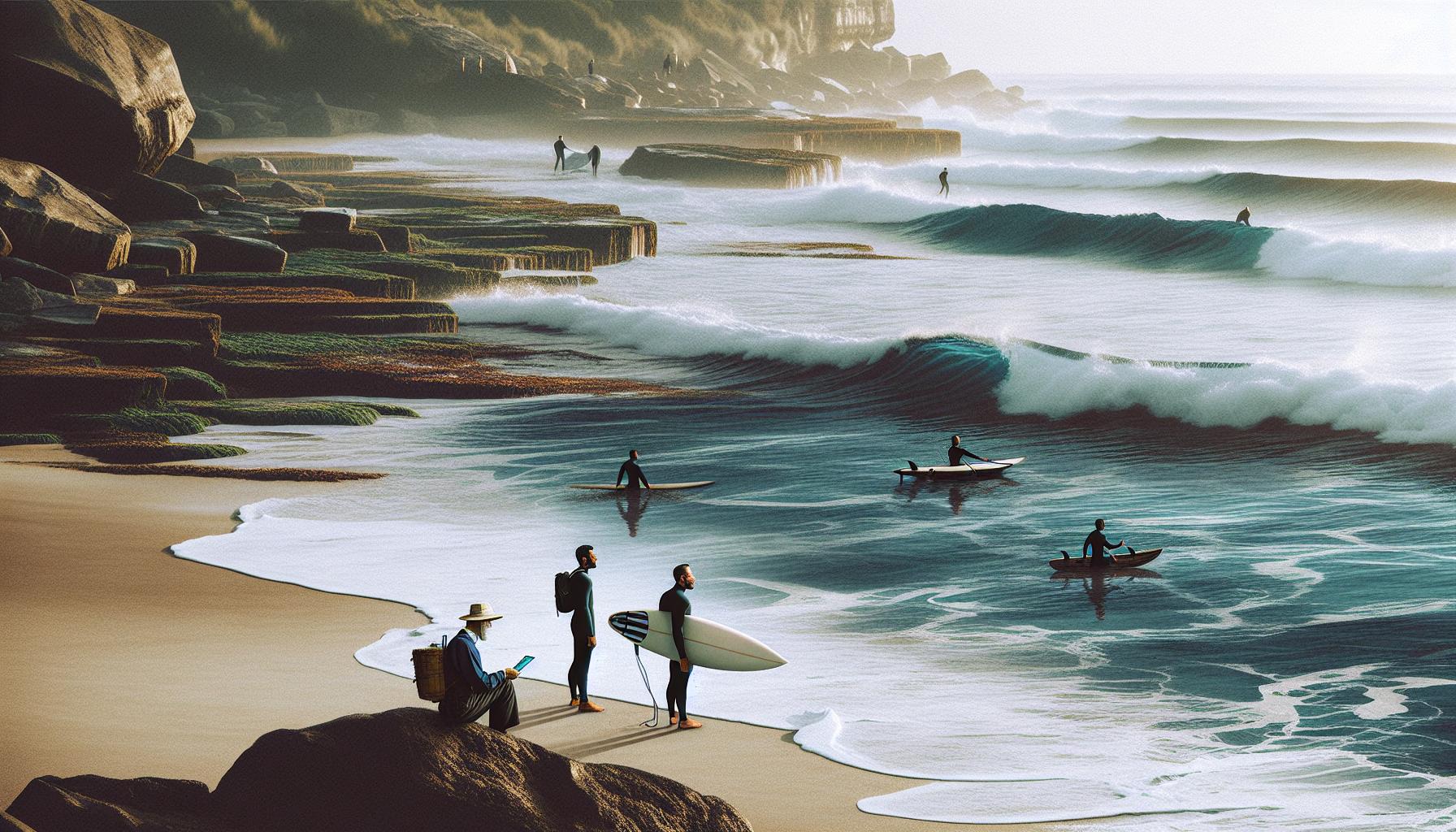
Essential Surf Gear for Beginners
Whether you’re imagining yourself gliding over the waves or just feeling the rhythm of the ocean, having the right gear can elevate your surfing experience. Shopping for your first surf essentials can be both exciting and overwhelming, but don’t fret-getting equipped doesn’t have to break the bank or stress you out. Let’s dive into the must-have items to help you conquer those initial waves confidently!
First on your checklist should be a quality surfboard. For beginners, a longer, wider board-often called a soft-top board-is best as it provides stability and buoyancy, making it easier to catch and ride waves. These boards are forgiving, allowing you to learn balance and timing without the frustration of smaller, more advanced boards. When choosing a board, look for one around 8 to 9 feet long for optimal performance. Many surf shops offer rentals, which is a perfect way to try out different sizes and styles before committing to a purchase.
In addition to your board, a wetsuit is an essential part of your surfing arsenal. The ocean can be surprisingly chilly, and wearing a wetsuit keeps you warm, allowing you to enjoy a longer session in the water. When selecting a wetsuit, consider the thickness based on local water temperatures-most beginners opt for a 3/2 mm suit for mild conditions. Whether you prefer shorties or full suits, be sure it fits snugly; a good wetsuit should feel like a second skin without restricting movement.
Don’t forget about your surf leash! This often-overlooked piece of gear is vital for safety and convenience. Attaching your leash to your board ensures that your board stays close in case you take a tumble, preventing runaway boards from causing accidents in the water. This is especially important for beginners still mastering their balance. Look for a leash that is the same length as your board or slightly under to keep things streamlined.
Finally, consider a set of rash guards or board shorts to protect your skin from irritation while paddling and riding. Rash guards are made from lightweight, quick-drying materials that provide UV protection, allowing you to spend more time in the sun without worry. Pair these with a good pair of water shoes if you plan on surfing in rocky areas-having the right footwear helps prevent slips and cuts when you’re emerging from the waves.
With these essentials in hand, you’re well on your way to making the most of your surf adventure! Embrace the excitement, connect with the local vibe, and remember that every surfer started as a beginner, just like you-so grab your gear, hit the beach, and experience the joy of riding your first wave.
Surf Schools & Lessons: Finding the Right Fit
Finding your footing in the waves can be as exhilarating as it is daunting, especially when you’re just starting. Enrolling in a surf school that resonates with your vibe and goals can make all the difference in turning that initial fear into fearless fun. Not all surf schools are created equal; some offer personalized instruction while others focus on group dynamics. When choosing the right fit, consider what sparks your excitement-whether it’s the thrill of learning amidst a community or the attention of an experienced instructor focused solely on your progress.
To start, do your homework! Research schools in your chosen beginner destination, like those famous for their friendly wave conditions and vibrant surf culture. Look for reviews and testimonials-these are gold mines of insider knowledge. Many schools provide introductory lessons for first-timers, and don’t hesitate to reach out and ask questions. A school that encourages inquiries and provides clear information is often one with dedicated instructors who genuinely want you to succeed.
What to Look For
Consider the following when picking out a surf school:
- Instructor Qualifications: Ensure they have certifications and experience, ideally with a passion for teaching beginners.
- Class Size: Smaller classes guarantee more one-on-one time, which is crucial when you’re learning to balance on a board.
- Location: A surf school located close to gentle beaches with forgiving waves will ease your learning experience.
- Additional Support: Some schools offer rentals for boards and wetsuits, making your first trip a breeze.
- Flexibility: Look for schools that accommodate varying skill levels and cater to your pace.
Every ocean whispers a different story, and so does each surf school. For instance, schools that incorporate a bit of beach theory into their lessons-like understanding tides, wind, and wave formation-provide a richer learning opportunity. This foundational knowledge not only enhances your surfing skills but deepens your connection to the ocean.
After settling into your groove, don’t hesitate to mingle with your classmates and instructors. Surf culture is all about camaraderie and shared excitement. Sharing experiences, tips, and even failures with others can create lasting friendships and invaluable support. So, grab that first wave with a grin, feel the salt spray, and know that the ocean is ready to embrace you into its world. You’re not just learning to surf; you’re embarking on an adventure that could change your life, one wave at a time.
Overcoming Fear: Tips for Your First Wave
Imagine standing on the shore, your toes sinking into the warm sand and the salty wind tugging at your hair, as waves crash and froth beckon you forward. The thrill of catching your first wave can ignite a passion that stays with you for a lifetime, but that first step into the water can feel like a leap into the unknown. Overcoming fear is often the first challenge for beginners, and it all starts with understanding the ocean and yourself.
Start by familiarizing yourself with the environment. Visit your surf destination a day before your lesson, stroll along the beach, and watch how the waves breathe. Notice their rhythm: some are gentle and rolling, perfect for new surfers, while others crash fiercely. By observing, you will start to feel a connection to the ocean. This understanding breeds confidence, turning that initial fear of the unknown into a curious excitement. Remember, every surfer was once a beginner, and the ocean welcomes you to learn at your own pace.
Once you’re ready to step into the water, focus on preparation. Before paddling out, spend a moment practicing mindfulness. Breathe deeply, allowing the sounds of the ocean-like the soothing whispers of incoming waves-to calm your racing heart. Visualize yourself gliding on the board, feeling the water supporting you. When it’s time to catch your first wave, keep your knees bent and your center of gravity low, as this stance helps maintain balance. Start small, riding whitewater waves that break close to shore, giving you a safety net.
As you paddle out, don’t hesitate to communicate with your instructor. They’re there not just to teach you but to be your cheerleader, helping you understand the nuances of wave riding. They might have you practice popping up on your board while still on dry land or guiding you through techniques as you float in the surf. Surrounding yourself with positive energy and encouragement makes a world of difference. Embrace the laughter and joy of the experience, realizing that even tumbles and wipeouts are part of learning. Each wave is a new adventure waiting for you to conquer.
Finally, celebrate every little victory, whether it’s successfully standing up or just catching a wave without wiping out. These moments will fuel your passion and soothe your fears. Remember, surfing is not merely about precision and technique; it’s about connection-with the water, the landscape, and the surf community that thrives on shared experiences. So, grab your board, and let the ocean be your playground!
Surf Etiquette: Do’s and Don’ts in the Water
As you stand at the water’s edge, ready to embrace the thrills of your surfing adventure, it’s essential to remember that the surf community operates on a foundation of respect and camaraderie. Knowing the proper etiquette not only enhances your experience but also fosters a positive environment for everyone. Imagine paddling out to the vast blue expanse where everyone is striving for the same exhilarating waves-nothing can dampen that sense of adventure like a disregard for the unwritten rules that keep the surf zone harmonious.
One of the cardinal rules of surfing is “the person closest to the breaking wave has the right of way.” This means that if you’re paddling for a wave and someone is already on it, you should back off. Respecting this guideline prevents collisions and keeps the vibe friendly. Additionally, always keep an eye on your surroundings as you paddle out; awareness of your fellow surfers’ positions can save you from accidents and help maintain a smooth flow in the lineup. Fellow surfers appreciate a newcomer who shows respect for these norms, so don’t hesitate to communicate with a wave or a nod-it’s all part of building camaraderie in the water!
Equally important is the way you handle yourself after a wave ride. If you’ve successfully caught a wave and are heading back to shore, maintain your momentum or paddle toward the side of the lineup rather than directly back through surfers still waiting on their waves. Remember, your board is your responsibility! Always control your surfboard to avoid dangerous situations. If you do fall, try to fall away from your board and the other surfers to minimize risks. This not only keeps you safe but helps ensure that others around you can enjoy their ride without disruptions.
In every surf session, aim to embody positivity and encouragement. If you see a fellow surfer wipeout or struggle, a smile or a thumbs-up can uplift them, reminding everyone that the ocean is a playground meant for fun, not competition. Embrace the spirit of learning, share stoke, and don’t hesitate to lend advice or tips if you see someone new in your lineup. Surfing is as much about the connections made on the waves as it is about mastering the art of riding those waves. So, dive in, respect the surf etiquette, and let every moment in the water be an exhilarating step towards becoming part of this vibrant community!
The Role of Local Surf Communities
There’s something magical about stepping onto a surfboard for the first time in a community that lives and breathes the waves. Local surf communities are not just groups of people who enjoy catching waves; they are vibrant ecosystems filled with supportive relationships, shared experiences, and invaluable knowledge that can help transform your surfing journey from daunting to delightful. These communities are often the heart and soul of the best surf spots, and they play a crucial role in helping beginners feel at home in the water.
When you find yourself in a local surf scene, you’re not just another person in the water; you’re entering a friendly network eager to share tips, tricks, and encouragement. Many local surfers are genuinely excited to help newcomers learn the ropes. They often host beginner-focused surf meetups, where they share their favorite spots and gear recommendations. Joining in on these group sessions can significantly boost your confidence. Remember that every pro was once a beginner! So don’t hesitate to ask questions or ask for advice about local conditions, board types, and even tips on how to paddle out like a pro.
Engaging with the local surf community goes beyond the technical aspects of riding waves; it’s about soaking in the rich culture and lifestyle that surrounds surfing. From beach clean-ups to surf festivals, participating in community events fosters a sense of belonging and helps you connect with like-minded individuals. These outings not only give you the opportunity to practice your newly acquired skills but also create bonds that will have you cheering for each other in the water. When you meet fellow surfers, share stories of wipeouts and triumphs, and laugh about the quirks of surf life, you’re immersing yourself deeper into the experience.
As you paddle out alongside seasoned surfers, pay attention to the rhythm of the ocean and the camaraderie among the community members. The swells are their playground, and your accompanying excitement is welcomed with open arms. Look for signs of local surf schools or clubs offering beginner lessons that often incorporate group dynamics. They not only teach you how to ride but also introduce you to the essence of the surf lifestyle-an endless flow of respect, joy, and shared adventure that keeps the spirit high both in and out of the water. Embrace this opportunity to learn and grow alongside others who share your passion for the ocean and all the thrills it holds!
Mastering the Basics: Techniques for Success
Imagine standing on the edge of the surf, the salty air filling your lungs, and the rhythm of the ocean beckoning you to ride its waves. For beginners, mastering the fundamentals of surfing isn’t just about catching waves; it’s about building confidence and understanding the dance between board and sea. The ocean is a vast playground, and with the right techniques, you can glide across its surface with grace. Here’s how to set yourself up for success on your surfing journey.
To begin your epic surfing adventure, start by choosing the right surfboard. While a longboard might be perfect for stability on your first day, transitioning to a shortboard will offer more maneuverability as you gain confidence. Before you step onto the board, practice your pop-up on the beach. Lay down prone, place your hands under your shoulders, and spring into a standing position in one fluid motion. This is a crucial skill-think of it as the launchpad for every epic ride to come. Remember, it’s all about timing and foot placement. Keep your feet shoulder-width apart and your knees slightly bent to maintain balance.
As you paddle out into the waves, take a moment to observe the surf conditions. Look for a lineup-a spot where surfers wait for the best waves-and try to position yourself within it. Understanding how to read waves is key to finding the perfect one to ride. As you spot a wave, start paddling toward the shore, giving it all you’ve got, and as it approaches, turn around and execute your pop-up when the wave lifts you. Timing is everything-wait too long, and you’ll wipe out; too soon, and you might miss the ride. When you finally catch that wave, lean slightly towards the nose of your board for balance as you ride.
A crucial part of this learning curve is to embrace the frequent wipeouts that come with the territory. Each tumble is a lesson in itself, teaching you more about the ocean’s fluid nature. Keep a relaxed mindset-surfing is as much about having fun as it is about technique. Consider joining a local surf school to get personalized instruction, or find a mentor within the surf community. They can provide invaluable tips and sometimes even save you from rookie mistakes. Above all, enjoy the thrill of the ocean-the sound of waves crashing, the feeling of the sun on your back, and the camaraderie shared among fellow surfers. Happy surfing!
Beach Safety: Staying Safe While Surfing
As you step into the surf zone for the first time, the thrill of the ocean mingles with the importance of beach safety that cannot be overstated. A joyful day catching waves can quickly turn into a treacherous situation if you don’t pay close attention to the surroundings. One minute you’re finding your groove, and the next, you could be caught in a rip current or dealing with unexpected obstacles. Always remember, a prepared surfer is a happy surfer.
Know the Conditions
Before you even think about jumping in, take a moment to check the surf conditions and tide reports. Many beaches have local lifeguards who can provide important information about currents, waves, and weather changes. Sites and apps dedicated to surf forecasts can be incredibly useful for understanding local conditions. Look for flags or signage indicating whether it’s a safe day to surf. Feeling out of your depth? It’s perfectly okay to talk to more experienced surfers or instructors at local surf schools-they’re often happy to share their knowledge.
Stay Aware of Your Surroundings
Your surf session isn’t just about your own adventures; being aware of other surfers and swimmers around you is vital. A crowded lineup can be thrilling, but it requires patience and good manners. Position yourself away from the main waves at first, allowing you to find your rhythm while avoiding collisions. Even as you get more comfortable, look to where others are surfing; this is often indicative of where the best and safest waves are. Always watch for rocky outcrops or debris in the water. If you’re surfing in an area known for animal activity, like dolphins or sea turtles, give them space and respect their environment.
Essential Safety Gear
While most surfers wear swimsuits, don’t underestimate the value of protective gear. A rash guard not only protects you from sunburn but can also help prevent minor abrasions from the surfboard or sandy bottom. Consider investing in a surf leash-this keeps your board close in case you bail out, reducing the chance of it hitting another surfer or yourself. Additionally, a wetsuit can provide buoyancy and warmth, making longer sessions comfortable and safe.
Lastly, never surf alone, especially as a beginner. It’s always safer to ride the waves with friends or in organized groups where help is always nearby if something goes wrong. Whether you’re waiting for a wave or just kicking back on your board, the camaraderie of the surf community will enhance your experience and enrich your skills as you navigate the ocean’s unpredictable beauty.
Surf Culture: Embrace the Lifestyle and Community
The vibrant world of surfing is more than just catching waves; it’s a lifestyle and a community deeply rooted in passion, adventure, and a shared love for the ocean. Imagine the sun blazing down as the salty scent of sea foam fills the air, punctuated by the laughter and camaraderie of fellow surfers. This culture welcomes newcomers with open arms, making every beach a sanctuary for shared experiences and stories. As a beginner, tapping into this surf culture can not only enhance your skills but also immerse you in a way of life that celebrates nature and friendship.
Engaging with local surf communities can significantly enrich your surfing journey. Whether you’re participating in group lessons or hanging out on the beach post-session, you’ll quickly find that most surfers are eager to help and share their knowledge. Attending beach clean-ups or local surf contests can further connect you to this unique culture, allowing you to meet seasoned surfers who are often more than willing to share tips, tricks, and hidden surf spots. Plus, you’ll get a front-row seat to the laid-back, inclusive vibe that epitomizes the surfing lifestyle-where every wave is not just a ride but a shared victory among friends.
The surf culture is deeply intertwined with art, music, and environmental consciousness. From stunning surf-inspired artwork adorning local cafes to the sound of beach tunes wafting through the air as you gear up for a session, the creative spirit of surfing is palpable. Many surfers use their platform to advocate for ocean conservation, fostering a sense of responsibility toward the environment. As you learn to surf, consider not just the skills of the sport but also how you can contribute to preserving the beauty that attracts so many to the waves in the first place.
So, gear up and dive into this lifestyle! Pack your surfboard, bring along an open mind, and immerse yourself in the joyous, supportive surf community waiting to welcome you. Whether it’s sharing a local wave or chatting about the best swell forecasts, you’ll find that each moment spent in this culture enhances not only your surfing skills but also your appreciation for the rhythm of the ocean and the bonds formed within this vibrant community.
Frequently Asked Questions
Q: What is the best age to start learning to surf?
A: The best age to start learning to surf is typically around 5 to 7 years old. Children at this age can grasp basic balance skills and follow instructions, making it a fun and exciting way to enjoy the ocean. Surf schools often have programs designed for young beginners, ensuring a safe and supportive environment.
Q: How do I choose the right surf school for beginners?
A: To choose the right surf school, look for qualified instructors with experience teaching beginners. Check online reviews, ask about small class sizes, and see if they provide proper safety gear. It can be helpful to visit their website to learn about their teaching philosophy and your potential instructors’ backgrounds.
Q: What are the most beginner-friendly surfing locations worldwide?
A: Some of the most beginner-friendly surfing locations include Kuta Beach in Bali, Pismo Beach in California, and Byron Bay in Australia. These spots offer gentle waves and excellent surf schools, making them perfect for first-time surfers eager to catch their first wave.
Q: How long does it take to learn to surf as a beginner?
A: Generally, it takes 3 to 6 months for beginners to become comfortable riding small waves. Consistent practice, coupled with lessons from qualified instructors, can significantly enhance learning speed. Each individual progresses at their own pace, so staying patient and enjoying the process is key.
Q: Is it better to rent or buy surf gear for beginners?
A: For beginners, renting surf gear is often the best option. This allows you to try different boards and wetsuits before committing to a purchase. Most surf schools offer rental gear, which is frequently maintained and tailored for beginners, ensuring a safe and enjoyable experience.
Q: What should I expect during my first surfing lesson?
A: During your first surfing lesson, expect to learn about surf safety, ocean awareness, and basic paddling techniques. Instructors will guide you through practices on the beach before taking you into the water. Most importantly, be prepared for plenty of encouragement as you attempt your first waves!
Q: Are there any health benefits to learning to surf?
A: Yes, learning to surf offers numerous health benefits, including improved cardiovascular fitness, core strength, and flexibility. It’s also a fantastic way to relieve stress and enjoy the great outdoors, combining physical activity with the soothing sounds of the ocean.
Q: How can I overcome fear when learning to surf?
A: Overcoming fear while learning to surf can be achieved by starting slowly and gradually increasing your comfort level in the water. Take lessons with experienced instructors and practice positive visualization techniques. Connecting with supportive surf communities can also enhance your confidence and enjoyment.
To Wrap It Up
As you gear up to catch that perfect wave, remember that the journey to becoming a confident surfer begins with choosing the right spot. Whether you’re drawn to the mellow swells of California or the vibrant beaches of Hawaii, the beginner-friendly destinations we explored provide the ideal backdrop for your surfing adventure. Don’t let the hesitation of learning to surf hold you back-dive in, feel the rush of the ocean beneath your board, and unlock the thrill of mastering each ride!
Want more tips? Check out our guides on surfing techniques and the best surf gear, and be sure to subscribe to our newsletter for updates on surf spots and community events. Your ocean adventure doesn’t have to end here; immerse yourself in the rich culture of surf life. Share your thoughts and experiences with us in the comments-we can’t wait to hear your stories! Keep riding the waves, and remember, the ocean is waiting for you.
Get our latest guides, news, and insights highlighted in your Google Search & AI Overviews.