
Picture yourself standing on a surfboard, the salty breeze tugging at your hair, and the rhythmic roar of waves crashing around you. Surfing seems like an exhilarating adventure, but is it hard to master? In this exploration, we’ll break down what it truly means to ride the waves as a beginner, addressing common fears and misconceptions. Many aspiring surfers wonder if they’ll face endless wipeouts or if they’ll ever stand tall on their board. The truth is, while it can be challenging, surfing also offers endless rewards-like the sheer joy of catching your first wave and the ocean’s embrace. Your journey into this vibrant world can be both thrilling and approachable, whether you’re a complete novice or returning after years away. Ready to dive in and discover the honest truths about surfing? Let’s ride this wave together!
Understanding the Basics of Surfing for Beginners
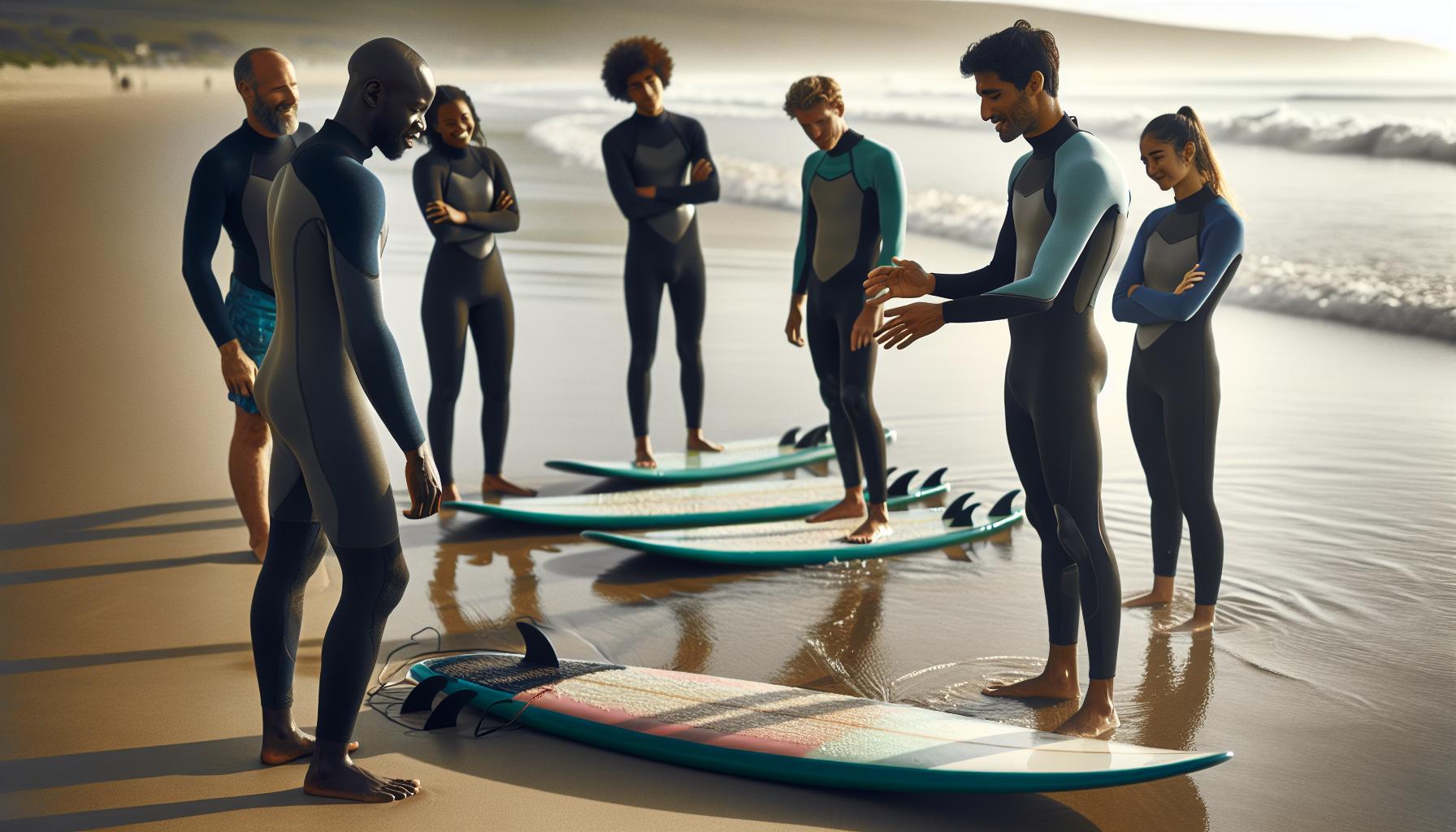
Imagine standing on the sun-warmed sand, the salty breeze tousling your hair as you survey a sparkling ocean dotted with surfers gliding effortlessly on waves. It’s mesmerizing, isn’t it? Surfing isn’t just a sport; it’s an exhilarating dance with the ocean that invites you to be a part of something much bigger than yourself. Yet, for beginners, those first steps into the water can feel daunting. Understand that learning to surf is indeed a journey filled with challenges, but it’s also one of the most rewarding experiences you can embark on.
At its core, surfing demands a combination of balance, technique, and a little courage. As a novice, you’ll start with the basics: learning how to paddle effectively, understanding wave dynamics, and mastering the all-important pop-up-a maneuver that allows you to transition from lying down on your board to standing up and riding the wave. The good news? The ocean is your teacher. Each wave offers a lesson in timing, positioning, and the rhythm of nature. You’ll quickly find that with every wipeout and each missed wave, you’re inching closer to that exhilarating moment when you finally ride one to shore.
Furthermore, embracing a beginner’s mindset is essential. Remember, every pro surfer was once in your shoes-stumbling through the learning curve, feeling the thrill of small victories, and building their confidence over time. Spend time just floating and observing the surf-watch where the waves break and how other surfers navigate them. This lays a foundation that will serve you well in the water. It’s about finding your flow, so listen to the waves and let the ocean’s energy guide you as you discover your rhythm on the board.
In summary, surfing is more than just a physical challenge; it’s an adventure that nurtures your spirit and connects you to the vibrant community of fellow wave riders. So don’t worry if it feels tough at first; what matters is getting out there, feeling the surf beneath you, and smiling at the endless possibilities that await. The ocean is calling-are you ready to answer?
The Truth About Learning to Surf: It’s Not Just for Pros
Imagine standing at the edge of the surf, the salty ocean mist cooling your face as you watch seasoned surfers dance atop waves like pros in a ballet. It’s easy to assume that surfing is a skill reserved for the elite-those brave souls who seem to glide effortlessly through the swells. But here’s the truth: surfing is not just for athletes or adventurers; it’s for everyone, especially those daring enough to take their first plunge into this exhilarating world.
Learning to surf is about embracing the journey rather than seeking instantaneous success. Each wave is a unique expression of nature, and your relationship with the ocean evolves with each attempt. Beginners often find themselves overwhelmed, but the beauty of surfing lies in its accessibility. With practice, patience, and the right guidance, anyone can learn to ride the waves. It’s a matter of breaking the process down into manageable steps and building confidence through repetition. You might start by mastering paddling techniques in calm waters, gradually working up to standing up on the board in whitewater, and eventually catching unbroken waves. The thrill of standing on your board for the first time, balanced and riding a wave, transforms nervous energy into pure joy.
Let’s face it; wipeouts are part of the learning experience. Every experienced surfer has been there-tumbled into the depths, gasping for air, only to pop back up laughing. The ocean teaches resilience, reinforcing that failure is merely the first step toward mastering a new skill. It’s essential to embrace this process, laugh at yourself, and enjoy the ride, even if that means tasting saltwater more than you’d like. Each wipeout is an opportunity to learn, adjust your technique, and grow more comfortable on your board.
To embark on this surfing adventure, consider seeking lessons from a qualified instructor. These professionals don’t just teach you the mechanics of catching waves; they instill the confidence and mindset necessary to thrive in the surf. They can guide you through essential safety tips and help you understand the dynamics of the waves, ensuring your journey is both safe and enjoyable. Remember, every pro surfer started as a beginner, and with a little time and persistence, you’ll be hanging ten and making memories that echo the thrill of your newfound passion. Embrace the journey, savor the salty air, and let the ocean unveil its magic just for you!
Essential Equipment Every Beginner Surfer Needs
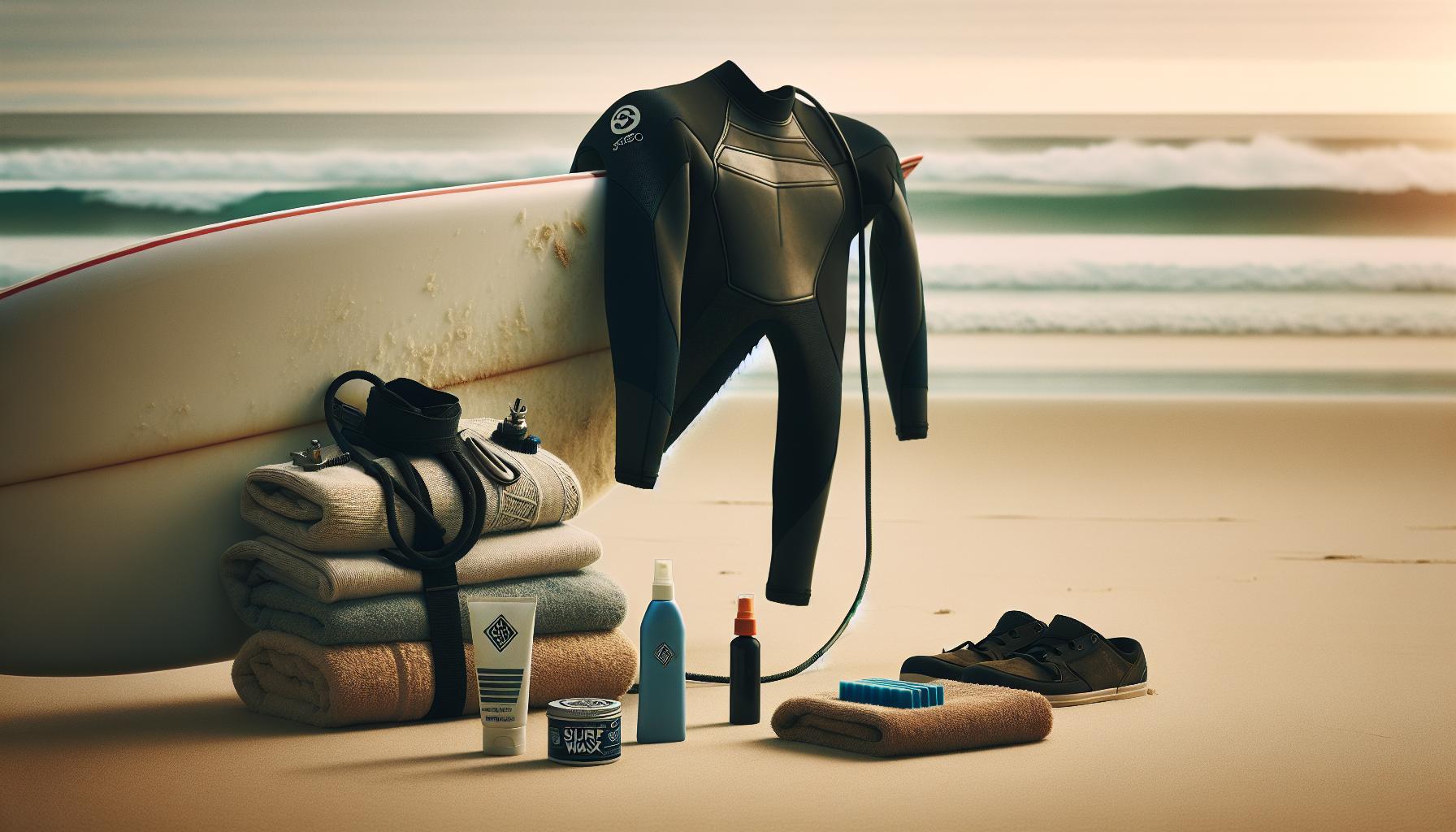
When you’re ready to tread the surf and experience the thrill of riding waves, outfitting yourself with the right gear is crucial. Think of it as packing your essentials for an epic adventure, where comfort, safety, and performance all come into play. From your first splash in shallow waters to exhilarating rides on larger swells, having the right equipment can make all the difference in your surfing experience.
To kick things off, you’ll need a surfboard tailored to your beginner needs. Boards come in various shapes and sizes, but for newcomers, a longboard or soft-top board is ideal. These designs provide stability and buoyancy, making it easier to catch those gentle whitewater waves and practice your balance. If your heart is set on a specific board design, most surf shops offer rental options, which can be a fantastic way to test different boards without breaking the bank.
Wetsuit: Depending on where you’re surfing, the water temperature can range from refreshing to downright chilly. A wetsuit not only keeps you warm but also provides a layer of protection against any pesky barnacles or the occasional flop onto the board. Look for a wetsuit that fits snugly-when you’re paddling out and waiting for the perfect wave, comfort is key.
Don’t forget the essential surf leash! This often-overlooked piece of equipment is the lifeline that connects you to your board, preventing it from drifting away if you take a tumble. It’s also vital for safety; a properly secured leash helps minimize the risk of injury to both you and others in the water.
Lastly, consider packing a rash guard or surf shirt. These lightweight layers protect your skin from the sun and rashes caused by long hours rubbing against the board, enabling you to stay out longer without discomfort. Plus, they come in various colorful designs, so you can express your style while catching some rays!
Equipped with the right gear, you’ll feel empowered to embrace the ocean’s exhilarating waves, enhancing your confidence and enjoyment as you ride toward the horizon. Surfing is as much about the journey-the breathtaking sights, the salty air, and the laughter shared with friends-as it is about mastering those skills. With your essentials on hand, you’re ready to dive into the vibrant surf culture that welcomes everyone, regardless of skill level. Now, get out there and make some waves!
Surfing Locations: Best Spots for New Surfers

There’s something magical about the ocean-the way the sunlight dances on the water, the rhythmic crash of the waves, and the fresh, salty breeze that fills your lungs. As a beginner surfer, finding the right spot to catch your first wave is not just a practical decision; it’s a crucial part of your surfing adventure that can shape your entire experience. Choosing the right location makes all the difference when it comes to feeling confident and having fun, especially when you’re just starting out.
Best Surfing Spots for Beginners
Whether you’re tucked away on the East Coast or basking in the sun on the West, there are numerous beaches that offer gentler waves ideal for novices. Here are some fantastic locations to consider:
- La Jolla Shores, California: Known for its stunning coastline and gentle waves, La Jolla Shores provides a friendly environment for beginners. With plenty of surf schools nearby, you can easily find lessons and rental gear.
- Huntington Beach, California: Often dubbed “Surf City USA,” this iconic beach boasts a sandy bottom and consistent surf breaks that cater to new surfers. The vibrant atmosphere adds to the thrill of riding your first wave.
- Tybee Island, Georgia: For those on the East Coast, Tybee Island’s mellow waves and warm waters create an inviting setting for beginners. Plus, its family-friendly vibe means it’s perfect for a beach day!
- Bondi Beach, Australia: If you’re dreaming of surfing down under, Bondi Beach is a must-visit. Its right-handers are perfect for practice, and the beach culture is nothing short of inspiring.
When searching for the perfect beginner spot, look for beaches that have sandy bottoms and smaller waves. Ideally, you’ll want to catch waves in the one to three-foot range. Areas with lifeguards are always a plus, providing an extra layer of safety while you gain your sea legs.
Remember to take in the whole experience: the scents of sunscreen and the sound of laughter from fellow surfers. Like the perfect moment captured in a photo, these sensations combine to create lifelong memories. So grab your board, don that shiny wetsuit, and dive into the thrilling world of surfing! The ocean is calling, and your adventure awaits!
Overcoming Fear: Building Confidence in the Water
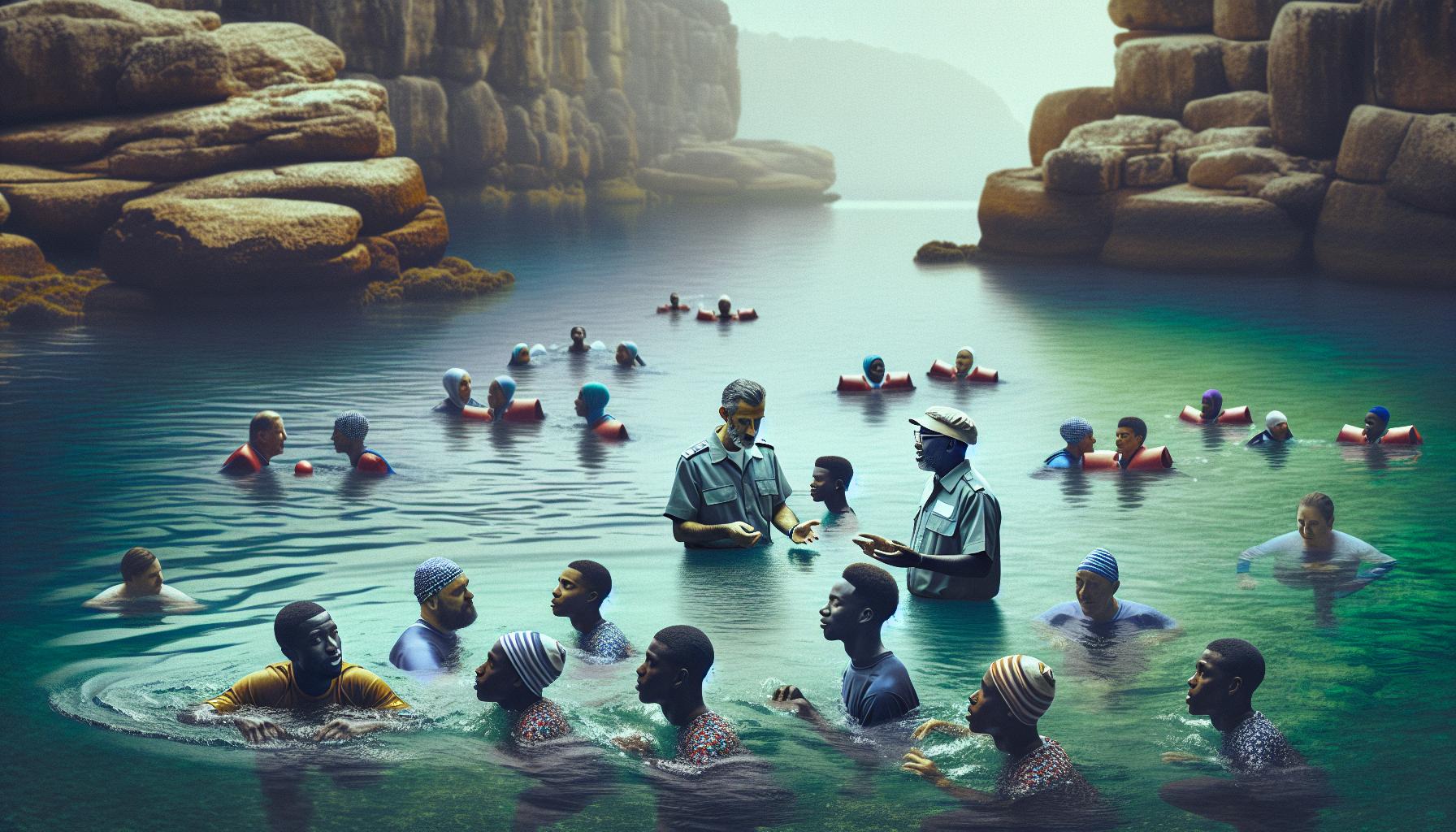
The gentle roar of the ocean can feel both exhilarating and intimidating, especially for beginners trying to conquer their first waves. It’s completely natural to feel apprehensive when stepping into the vast expanse of water, but remember: every expert surfer once started where you are now. Building confidence in the water is not just about mastering techniques; it’s also about conquering your fears and embracing the adventurous spirit of surfing.
One of the best ways to combat fear is to familiarize yourself with the ocean environment. Spend time watching the waves, observing how surfers pick their spots, and understanding the rhythms of the water. This connection will demystify the ocean, transforming it from a vast unknown into a comforting playground. Start with smaller, manageable waves to build your comfort level. When you’re in the water, practice breathing deeply and maintaining a relaxed posture. Floating on your board, feeling the waves gently rock you, can be a meditative experience and a great way to ease anxiety.
Joining a surf lesson can also dramatically enhance your confidence. Not only will you receive expert guidance tailored to your skill level, but you’ll also connect with other learners who share your initial trepidation. Group lessons foster a sense of camaraderie; everyone is rooting for each other’s success. Plus, having an experienced instructor by your side ensures you’re practicing safety and learning proper techniques, all while these waves transform from daunting heights to your new friends.
To further cultivate confidence, set small, achievable goals for each session. Maybe today you’ll practice your paddling technique, and next time, it will be all about standing up. Celebrate every little victory, whether it’s catching a wave or simply feeling comfortable on the board. Over time, these accumulated successes will compound, and what once seemed monumental will start to feel like second nature. Embrace this journey with an open mind, and you’ll find that fear gradually gives way to exhilaration and joy, making the ocean feel like home.
Basic Surfing Techniques: Paddling, Pop-Ups, and Beyond
The moment you slip on your wetsuit and step onto the sandy shore, ready to embrace the waves, a tingle of excitement courses through you. Surfing isn’t just about riding the perfect wave; it’s a delicious blend of technique, balance, and a dash of courage. For beginners, the core techniques that you’ve got to master are paddling and the infamous pop-up. These are your golden keys, unlocking the thrill of catching waves and feeling the exhilaration of being one with the ocean.
Paddling is where your journey begins. Picture this: you’re lying on your board under the bright blue sky, listening to the gentle lapping of the waves. To paddle effectively, keep your body centered and flat on the board, with your feet extended behind you and your hands gliding through the water like a graceful dolphin. Use long, deep strokes, alternating arms to maintain momentum. If you find yourself going sideways, adjust your hand placement slightly to keep a straight line. Great paddling will get you into position to catch those waves, and trust me, mastering this technique is a game changer!
When you feel the push of a wave beneath you, it’s time to pop up. This movement can feel daunting at first, but it’s all about timing and technique. As the wave lifts you, push down on the board with your hands while simultaneously bringing your knees towards your chest. In one fluid motion, spring to your feet, landing in a crouch stance with your knees slightly bent. Focus on keeping your eyes on the horizon, not on your feet – it helps with balance. It’s like a dance with the ocean, and with every attempt, you’re one step closer to becoming that surfer you’ve always dreamed of being.
While learning, don’t forget a few common pitfalls: many beginners try to rush the pop-up or don’t quite commit to the motion, which can lead to some spectacular (and often hilarious) wipeouts. Embrace those falls! Each tumble is just part of the adventure. Remember, even seasoned surfers face their fair share of wipeouts. The ocean is your playground, and with practice, patience, and a generous sprinkle of enthusiasm, you’ll find that those once-daunting maneuvers turn into a joyful rhythm of surfing. So gear up, embrace the challenge, and let the waves carry you to your next oceanic adventure!
Common Mistakes Beginners Make and How to Avoid Them
Diving headfirst into the world of surfing can feel as exhilarating as it is daunting, especially for beginners eager to catch their first wave. But sometimes, in the thrill of the moment, it’s easy to trip over some common pitfalls. Understanding these missteps is the first step towards enhancing your surfing experience and ensuring you spend more time riding waves than wiping out. Here are some of the most frequent mistakes newbies make when starting their surf journey and how to dodge them like a pro.
One of the biggest blunders is underestimating the importance of choosing the right surfboard. Many newcomers either go for boards that are too small, thinking they’ll look cooler, or too big, which can be unwieldy. It’s crucial to select a board that matches your skill level and body type. A soft-top longboard is often an excellent choice for beginners; it provides stability and makes catching waves much easier. Don’t be afraid to ask advice from local surf shops or instructors – they can steer you toward a board that will spark joy rather than frustration as you paddle out.
Another common error is neglecting to read the ocean and understand its behaviors. The ocean is a living, breathing entity and knowing how to respect its moods can keep you safe and enhance your skills. Spend a bit of time observing the waves before you dive in. Look for the sets: the way they come in pairs or threes, the gaps in between, and the way they break. Experience truly is your best teacher; take note of how the waves react based on the wind and tide conditions. Watching seasoned surfers can also offer insight into timing and positioning. Stand back, take it all in, and let that knowledge shape your approach.
It’s also easy for beginners to rush into the water without proper warm-ups or stretching. You wouldn’t jump into a game of basketball without warming up, right? The same principle applies to surfing. Your body needs to be prepared for the physical demands of paddling, popping up, and maintaining balance on the board. Effective stretching not only minimizes the risk of injury but also enhances your flexibility-making those crucial pop-ups feel much more fluid. So as you gaze at those beautiful waves, take a moment to get your body ready to conquer them.
Lastly, one of the most significant hurdles can be a negative mindset, especially when faced with the inevitable wipeouts. Falling is part of the surf journey, a rite of passage all surfers face. Instead of feeling disheartened after a tumble, view each fall as a chance to learn and grow. Embrace the adventure, laugh off the spills, and remember that persistence is key. Keep that joy alive, and before you know it, you’ll be sharing stories about the time you wiped out spectacularly on your way to shredding your first wave!
The Importance of Surf Lessons: Do You Need Them?
Jumping into the surf for the first time can feel like stepping into a grand adventure, but here’s the catch: learning the ropes of surfing is much simpler-and honestly much safer-when you have a knowledgeable guide by your side. What might seem like a free-surfing escapade on a sunny day comes laden with tidal nuances and hidden hazards that can quickly spoil your fun. This is where professional surf lessons come into play, offering a blend of instruction, safety, and camaraderie that can turn your surf dreams into reality.
Taking surf lessons significantly flattens the learning curve and ensures you’re equipped with essential techniques from the start. Think about it: can you really make the most of those rolling waves without knowing how to paddle effectively, when to pop up, or how to handle a wipeout like a pro? Many surf schools offer tailored sessions for beginners, breaking down fundamental skills such as proper stance, timing for catching waves, and maneuvering your board. Why reinvent the wheel when seasoned instructors have already distilled years of experience into digestible lessons? With guidance, you’re not only learning faster but also gaining confidence to tackle the challenges of the ocean.
In addition to technical skills, surf lessons foster an appreciation for the surf culture that allows you to connect with the ocean in a meaningful way. Picture this: under the warm sun, with the rhythmic sound of crashing waves and the laughter of fellow surf pupils filling the air, you’re engaged in a powerful bonding experience. Surf instructors often share stories, wisdom, and even local legends about the waves and the community. This cultural immersion adds an enriching layer to your surfing journey, turning what could be a solitary pursuit into a vibrant, shared adventure.
Moreover, safety is non-negotiable when engaging with the ocean’s currents and waves. Learning from professionals ensures you’ll be well-versed in the essential safety protocols, like understanding riptides and knowing how to surf respectfully among others. Think about your first surf experience-having someone teach you the do’s and don’ts of wave behavior, beach etiquette, and proper equipment usage can mean the difference between an exhilarating ride and a dangerous mishap. So, grab your sunscreen, embrace the spirit of learning, and dive into a surf lesson. The waves are waiting, and with the right guidance, they’re yours to conquer!
Surfing Safety Tips: Staying Safe in the Waves
Nothing can beat the thrill of catching your first wave, but a dance with the ocean also comes with its own set of challenges. Safety isn’t just a suggestion; it’s the first rule of the surf! Whether you’re a grommet or a seasoned pro, keeping your head on a swivel and knowing the basic safety tips can turn a potentially scary wipeout into just another story to tell by the bonfire later.
First and foremost, know your environment. Before you hit the water, take a moment to observe the waves, currents, and local conditions. Each beach has its own rhythm, and understanding this is crucial. Check for any signs indicating riptides, strong currents, or dangerous wildlife. If you’re a beginner, sticking close to areas where lifeguards are present can provide an extra layer of safety. And remember, if the conditions look intimidating, it’s perfectly fine to sit this one out. The ocean is always there; don’t rush your first encounter.
Respecting the Ocean
Now, let’s talk equipment. Always wear a surf leash! This little cord connects you to your board, ensuring it doesn’t become a floating projectile, especially when it gets crowded. If you find yourself tumbling in the surf, keep your board with you to avoid accidents. When wiping out, remember to cover your head and look out for other surfers. Understanding surf etiquette is essential-not only does it help you avoid collisions, but it also fosters a sense of camaraderie in the lineup.
Lastly, stay aware of your own limits. As much as we’d all like to be Kelly Slater on day one, it’s important to take gradual steps in your surfing journey. Always practice in conditions that match your skill level, and don’t hesitate to ask for help from instructors or seasoned surfers. They can share invaluable tips and keep you out of harm’s way. Surfing should be a joy, not a test of endurance; listen to your body and don’t push it past what feels comfortable.
By embracing these safety tips-observing your surroundings, respecting the ocean, and understanding your limits-you set the stage for an exhilarating surf experience that builds confidence, not fear. So grab your board, catch some waves, and dive into the incredible adventure that surfing promises!
Mindset Matters: Staying Positive While Learning
There’s something truly magical about standing at the water’s edge, salt-kissed breeze in your hair, and the rhythmic roar of the waves beckoning you to join their dance. But let’s face it-learning to surf can feel daunting, and it’s easy to become overwhelmed by the challenges that lie ahead. The key to navigating this exhilarating journey isn’t just technical skills; it’s cultivating a positive mindset that fuels your progression and enhances your experience.
A positive attitude can transform your approach to surfing, making even the toughest days feel like victories. When you wipe out-an inevitable part of the process-try to view it as a step in your adventure rather than a setback. Embrace the laughter that follows a dramatic tumble, and remember that every surfer has a story of epic faceplants to share. Celebrating small wins, like successfully paddling out to the waves or catching a wave-even if you don’t stand up-can boost your morale and remind you of why you fell in love with the ocean in the first place.
Stay Curious and Enjoy the Journey
Approaching each surf session with curiosity can make a world of difference. Instead of fixating on the end goal of mastering a perfect ride, immerse yourself in the process. Notice the colors of the sunset reflecting on the water, feel the buoyancy of your board beneath you, and listen to the laughter and camaraderie surrounding you. Each moment spent in the water, every splash and surf-laden breeze, enriches your experience and brings you closer to becoming a part of the vibrant surf culture.
It’s important to be kind to yourself in this learning curve. Surfing is as much about the journey as it is about the destination. Join local surf communities, attend workshops, or find a mentor who can provide support and encouragement. Surrounding yourself with fellow enthusiasts can uplift your spirits and provide a positive atmosphere where you can all celebrate your progress together. Remember, the ocean is vast and waiting for you, filled with endless opportunities to learn, grow, and connect. So keep your heart open, your spirit adventurous, and dive into that beautiful, blue expanse with joy and confidence!
The Community of Surfing: Connecting with Fellow Surfers
There’s something incredibly special about sharing the surf experience with others; the thrill of catching your first wave is amplified when you can celebrate it with fellow enthusiasts. The surfing community is a vibrant tapestry woven together by shared adventures, laughter, and perhaps a few wipeouts along the way. From local surf shops and beaches to online forums, connecting with other surfers can make your surfing journey not just about the individual experience, but about belonging to something larger-a beach family, if you will.
Finding your tribe in the surfing world can be as rejuvenating as the ocean waves themselves. Whether you’re gearing up at the beach, attending local surf events, or engaging in workshops, the camaraderie is palpable. Joining local surf schools or camps can be an excellent way to meet other beginners who share your excitement and apprehension about learning. You’ll find that everyone is in the same boat, navigating the thrills and challenges of the surf. As you laugh at each other’s tumbles and cheer each other’s successes, bonds form quickly, and you’ll discover that these new friends can motivate you to push your limits while also providing a strong support system.
Local surfing communities often host events like beach clean-ups, contests, and social gatherings, contributing to both environmental stewardship and the vibrant culture. These gatherings are perfect opportunities to exchange tips on board setups, surf techniques, and the best spots to catch waves, particularly suited for beginners. As you interact with more experienced surfers, you’ll not only gain knowledge but also immerse yourself in the rich lore and lifestyle surrounding the sport. Here’s a quick rundown of how you can connect:
- Join a local surf school: Engage with instructors and fellow students who are also navigating the waves of surf lessons.
- Attend community events: Participate in local surf competitions, movie screenings, or beach clean-ups to meet like-minded surf enthusiasts.
- Use social media and forums: Platforms like Instagram, Facebook, and dedicated surfing forums are great for connecting virtually and arranging meet-ups.
- Find a surf buddy: Partnering up with someone can make learning to surf feel less daunting and more enjoyable.
In essence, the journey of learning to surf is beautifully enhanced by the connections you forge along the way. Embrace each moment-not just in the water but also on the sandy shores, surrounded by people who understand the ups and downs of this exhilarating sport. So next time you hit the waves, remember that the thrill is even sweeter when shared with friends who are just as passionate about surfing as you are.
Progressing Your Skills: From Beginner to Intermediate Surfer
Embarking on the journey from beginner to intermediate surfer is like unlocking a new realm of oceanic adventure-where the waves beckon with greater promise and challenges inspire growth. As you gain confidence and skill, you’ll not only catch more waves but also begin to express your unique style atop your board, transforming those first hesitant paddles into exhilarating rides. This progression requires a blend of practice, patience, and the innate rhythm you develop with the sea.
To begin this exciting evolution, focus on mastering essential techniques that will elevate your surfing game. Paddling efficiently is critical; the goal isn’t just to keep up but to get a feel for the currents and how they interact with your board. Try to adopt a streamlined body position. Keep your arms straight and use your core to generate momentum, engaging your whole body for a smoother glide. As for the pop-up, practice on land until you can execute it with confidence and speed. Visualize your movements: from catching the wave’s energy to springing up into your stance smoothly. This transition is the gateway to claiming your moment on the wave!
Expanding Your Skillset
As you become comfortable catching the waves, experiment with different conditions and styles. Start by seeking out varying surf spots, each offering unique waves-from mellow beach breaks to more challenging point breaks. This exposure to diverse environments will not only sharpen your skills but also enhance your adaptability. Don’t shy away from trying new maneuvers, like gentle turns or even the occasional cutback. Embrace the wipeouts; they are just part of this thrilling learning curve! Further, consider setting small, attainable goals each session, such as perfecting your balance or timing your paddling for optimal wave surges.
Join a local surf community or find more experienced surfers to share insights and tips. Engaging with fellow surfers encourages growth and provides motivation. Sharing experiences and knowledge can dramatically impact your learning curve. Remember to periodically review your progress by capturing sessions on video-watching yourself surf can reveal areas where you can refine techniques or alter your approach.
With each wave you conquer, you’ll feel the intoxicating rush that only surfing can provide. Stay curious and open-minded, allowing the ocean to be your guide as you traverse the exciting path from beginner to intermediate surfer. The thrill lies not just in catching waves, but in the stories you’ll create along the way, each ride etching memories into your surf journey. So grab your board, paddle out, and embrace the beautiful chaos of the ocean-your next adventure awaits!
Frequently asked questions
Q: What are the biggest challenges beginners face when learning to surf?
A: The biggest challenges include mastering paddling technique, timing the waves, and popping up quickly enough to catch a wave. Many beginners also struggle with balance and anxiety in the water. Consistent practice and taking surf lessons can help overcome these hurdles.
Q: How long does it take to learn to surf?
A: It can take anywhere from a few weeks to several months to learn surfing basics. Factors like personal fitness, frequency of practice, and prior ocean experience influence the timeline. Regular lessons and practice in different wave conditions can accelerate progress.
Q: Is it easier to learn surfing in a group or alone?
A: Learning in a group setting can be beneficial for beginners due to the motivation and support from peers. However, one-on-one instruction provides personalized feedback, which can be faster for individual progress. Consider mixing both methods for optimal learning.
Q: Do I need to be fit to start surfing?
A: While being fit can help, you don’t need to be an athlete to start surfing. Basic physical fitness is beneficial for paddling and balance, but many beginners build strength and skills over time. Start with short sessions and gradually increase to improve fitness and technique.
Q: What should I do if I wipe out while surfing?
A: If you wipe out, remain calm and protect your head with your arms. Try to swim towards the shore and keep your board close to avoid collisions. Practicing fall techniques on land can help you feel more secure in the water.
Q: How do I know if the surf is right for beginners?
A: Ideal conditions for beginners include smaller, gentle waves and minimal current. Always check local surf reports and ask experienced surfers or instructors about safe spots. Surf schools often have designated areas for learners to practice.
Q: What is the best time of year to learn to surf?
A: The best time often depends on your location; generally, spring and summer offer more consistent, gentler waves. Check regional surf calendars and join local groups to find the best seasons for beginners. Seasoned surfers can provide valuable insights about local conditions.
Q: Are there any mental barriers that affect beginners learning to surf?
A: Yes, fear of the ocean, self-doubt, and performance anxiety can hinder progress. Addressing these mental barriers through mindfulness practices, breathing techniques, and positive self-talk can help. Surrounding yourself with supportive surfers can also improve confidence.
In Retrospect
So, is surfing hard? Not as hard as it seems, especially when you have the right mindset and guidance! Remember, every surfer starts as a beginner, feeling the rush of that first wave and embracing the ocean’s rhythm. If you’re ready to dive into this exhilarating experience, explore our detailed guides on getting started with surfing gear and surfing etiquette. Don’t forget to check out our tips on finding the best local surf spots to maximize those waves!
Now’s your chance to make a splash-sign up for our newsletter for the latest surf tips and community events, and join fellow wave enthusiasts in sharing your journey! Still unsure? Feel free to drop your questions in the comments; we’re here to help you ride the tide with confidence. Keep the adventure going, and who knows? You might just discover a new passion that fuels countless beach days ahead!
Get our latest guides, news, and insights highlighted in your Google Search & AI Overviews.