
Imagine standing on a sun-drenched beach, the rhythmic crashing of waves whispering promises of adventure. Surf fishing offers more than just a chance to reel in a big catch; it’s a gateway to connect with nature, experience thrilling moments, and create lasting memories. Choosing the right rod and reel is pivotal for success, equipping you to navigate the diverse conditions of surf fishing effectively. In this complete setup guide, we’ll explore the best gear options tailored to your needs, from lightweight rods that dance in the breeze to sturdy reels that can withstand powerful currents. Whether you’re a seasoned angler or just starting, understanding how to select the perfect equipment will enhance your fishing experience and boost your confidence on the water. Dive in, and let’s uncover the essential tips and tricks to elevate your surf fishing game, ensuring your next outing is filled with excitement and countless stories to share!
Choosing the Right Surf Fishing Rod: Key Features to Consider
Choosing the right surf fishing rod can feel like a thrilling adventure, as you stand on the sun-kissed shore with the salty breeze teasing your senses. The right rod isn’t just a tool; it’s your partner in exploration, designed to navigate the ebb and flow of the waves while delivering the thrill of the catch. To find your ideal match, consider key features that tailor the rod to your environment and fishing style.
First, length is a critical aspect when choosing a surf fishing rod. Typically, lengths range from 8 to 14 feet, and longer rods provide the advantage of casting further into the surf, which is essential for reaching those deeper waters where big fish like to hang out. However, longer rods also require more strength and technique, especially in heavy surf conditions. If you’re new to surf fishing, a medium-length rod (around 10 feet) can strike a balance between distance and control.
Next, pay attention to the rod’s power and action. Power refers to the rod’s strength and is categorized as ultra-light to heavy; it’s essential to match this to the type of fish you’re targeting. Action, on the other hand, describes how much of the rod bends when pressure is applied. A fast action rod bends near the tip, providing quick response and sensitivity-perfect for detecting subtle bites in turbulent waters. In contrast, medium or slow action rods bend more throughout their length, yielding greater casting distance and flexibility, making them excellent for larger baits or heavier weights.
Finally, consider the material and components of the rod. Most surf rods are made from fiberglass or graphite. Fiberglass rods are generally more durable and resistant to breakage, making them ideal for rough conditions, while graphite rods are lighter and offer increased sensitivity, allowing for more finesse in detecting bites. Additionally, features such as comfortable grips, robust guides, and corrosion-resistant components are vital, especially since saltwater can be harsh on less durable materials.
Incorporating these elements into your decision-making process will lead you on the path to selecting a surf fishing rod that not only meets your needs but also enhances the entire fishing experience, transforming each trip into an unforgettable adventure on the water. Remember, each cast is a chance to experience the thrill of surf fishing, so invest in a rod that inspires confidence and excitement as you cast into the wild blue yonder!
Reel Types Explained: Spinning vs. Conventional for Surf Fishing
When it comes to surf fishing, the choice of reel can be as pivotal as selecting the right rod. Your reel is the unsung hero in this sandy escapade, handling everything from making long, powerful casts to battling stubborn fish that can put up quite a fight. The most common types you’ll encounter are spinning reels and conventional reels, each with unique characteristics that cater to different fishing styles and conditions.
Spinning reels, often the go-to for beginners and seasoned anglers alike, excel in versatility and ease of use. With a design that allows for quick line retrieval and hassle-free casting, spinning reels are like your trusty sidekick, ready to help you cast into the surf with precision. They are particularly effective for lighter lures and baits, making them ideal for species that might shy away from heavier tackle. Imagine feeling the rush of the ocean breeze as you flick a shiny lure into the rolling waves, the line flying smoothly off the spool, all thanks to the intuitive drag system that lets you adjust resistance effortlessly. For beginners, spinning reels can make the learning curve feel like a gentle slope rather than a steep climb.
In contrast, conventional reels are the heavyweights of the surf fishing arena. Designed for serious anglers targeting larger species, these reels boast powerful gearing and robust construction to handle the strenuous demands of surf fishing. Conventional reels tend to have greater line capacity, making them perfect for those long-distance casts into choppy waters where mighty fish like striper or shark lurk. While they can be intimidating at first glance, once you get the hang of their operation, you’ll appreciate their ability to withstand the forces of nature and the strength required to wrestle in a surfside trophy. Picture yourself gripping a sturdy rod equipped with a conventional reel, feeling the powerful surge of a big fish as it pulls hard against the current. It’s a direct connection to the raw thrill of fishing.
Whether you choose a spinning or conventional reel ultimately depends on your fishing preferences and the types of fish you seek. A good rule of thumb is to match the reel to the rod’s specifications and consider your target species’ size and behavior. For those adventurous enough to explore different techniques, having both types in your arsenal can only deepen your connection to the ever-changing rhythms of surf fishing. From the exhilarating moment you cast your line to the adrenaline-pumping battle with a feisty catch, the right reel enhances your overall experience, transforming a simple day at the shore into a cherished memory that keeps you coming back for more.
Essential Gear for Surf Fishing: Beyond Rod and Reel
The thrill of surf fishing goes beyond just having the right rod and reel; it’s about immersing yourself in the experience and being prepared for the variety of challenges the ocean throws your way. Picture this: you’re standing at the edge of the surf, waves lapping at your feet, seagulls calling overhead, and you’re ready to cast your line. But wait! What about the essentials that enhance your fishing expedition? Your adventure can be transformed with just a few key pieces of gear that elevate your setup and keep you comfortable and efficient.
Gear that Makes a Difference
First, let’s talk about footwear. Sturdy, water-resistant shoes are crucial-think about it: the beach is littered with shells, rocks, and, occasionally, the slippery seaweed. A good pair of water shoes or fishing boots provides protection and will keep you steady on your feet as you navigate through the surf. And let’s not forget the importance of clothing; lightweight, breathable fabrics will help combat the sun while allowing the ocean breeze to keep you comfortable. A wide-brimmed hat and polarized sunglasses not only shield your eyes but also reduce glare from the water, enabling you to spot surf breaks and fish more easily.
Other Must-Have Gear
Additionally, having a well-stocked tackle box is vital for surf fishing success. Fill it with various lures, weights, hooks, and other essentials. Here’s a quick checklist of items you won’t want to skip:
- Hooks: Sizes vary depending on target species; be sure to pack a range.
- Weights: Pyramid weights work well for anchoring in the surf.
- Lures and Baits: Don’t forget live bait like sand crabs or cut bait, as well as artificial lures suitable for the species you’re targeting.
- Swivels and Snap Swivels: Helps reduce line twist and for easier lure changeouts.
A fishing belt can also make a huge difference in comfort when you’re reeling in larger fish. It distributes the weight and pressure, especially on those adrenaline-pumping battles with a hefty catch. Lastly, a fish cooler not only serves to keep your catch fresh but also provides you with hydration and snacks for those long hours basking in the sun.
Embrace the Elements
Getting equipped with the right gear isn’t just about function; it also allows you to embrace the elements while keeping safe. As you prepare to launch your next fishing adventure, think of each piece of gear as an extension of yourself and a bridge between you and the untamed ocean. From the feel of the cool breeze on your skin to the thrill of a tug on the line, every moment at the beach is a chance to connect with nature and create lasting memories with friends and family. Let the waves wash over you as you set your sights on reeling in the big one! Each adventure is unique, and the right gear can make all the difference in maximizing that experience.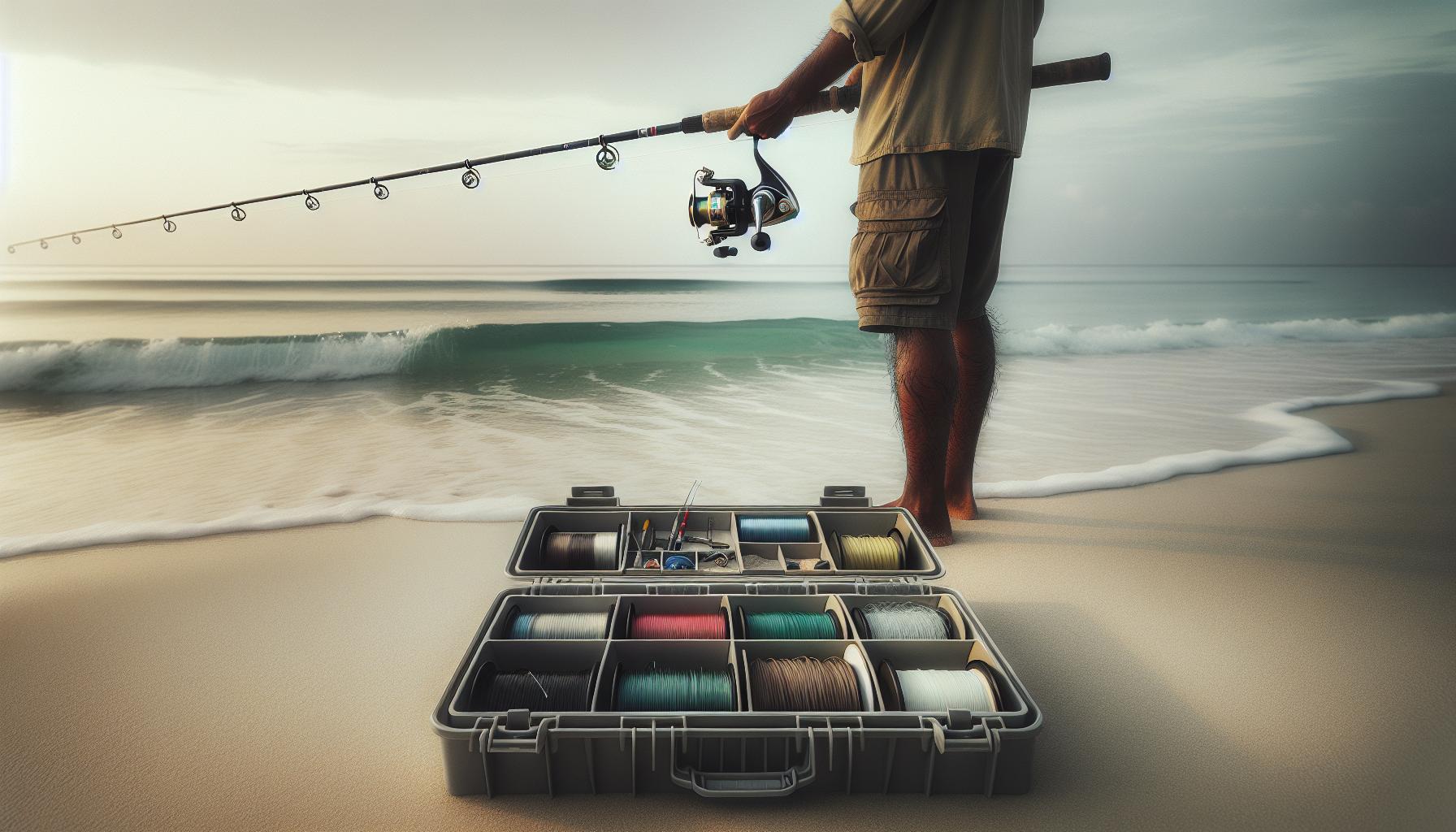
Surf Fishing Line: How to Choose the Best for Your Setup
Selecting the right fishing line can make all the difference between an exhilarating catch and a frustrating missed opportunity. Imagine wading through the rolling surf, the salty breeze whipping through your hair, and you’re all set to cast-only to realize that the line you’ve chosen isn’t quite up to the task. The right fishing line enhances your setup, translating every ounce of adrenaline into action. Whether you’re targeting striped bass, flounder, or a rogue drum, choosing the appropriate line type, weight, and material is key to surf fishing success.
Understanding the different types of fishing line and their unique attributes is essential. The three primary materials you’ll encounter are monofilament, fluorocarbon, and braided lines. Monofilament is favored for its versatility, providing buoyancy and stretch that can absorb shock when battling a fish. It’s a great option for beginners who may need a forgiving line. Fluorocarbon is nearly invisible underwater, making it perfect for clear water conditions where fish can be easily spooked. Its dense nature sinks well, which can help when targeting bottom dwellers. However, it lacks the stretch of monofilament. On the other hand, braided line is celebrated for its incredible strength-to-diameter ratio, allowing for thinner lines that handle heavier weights. Its sensitivity and low stretch help anglers feel everything under the water, which can be especially beneficial when fishing in the unpredictable surf.
When it comes to choosing the best line for your surf fishing setup, consider the conditions you expect to encounter. A good rule of thumb is to match your line’s strength-measured in pound test-to the species you’re targeting. For example, if you’re aiming for larger species in rough conditions, a braided line in the 30-65 lb test range is ideal. Conversely, if you’re targeting smaller fish in calmer waters, sticking to a 10-20 lb test monofilament or fluorocarbon may be the way to go.
Key Factors to Consider:
- Water Clarity: Use fluorocarbon in clear water and monofilament when fish are less wary.
- Target Species: Larger fish require stronger, more resistant lines; smaller fish can get away with lighter lines.
- Weather and Water Conditions: Windy days may benefit from braided lines for better casting over longer distances.
- Personal Comfort: Your fishing style matters; choose a line that feels right in your hands and complements your reel.
Be sure to spool your reel properly to avoid tangles, which can be a nightmare in the surf! The sound of a reel screaming with a fish on the line is one of the best feelings in the world, and maintaining your line is crucial to making that happen. So gear up, choose your line wisely, and let the adventure unfold with each cast!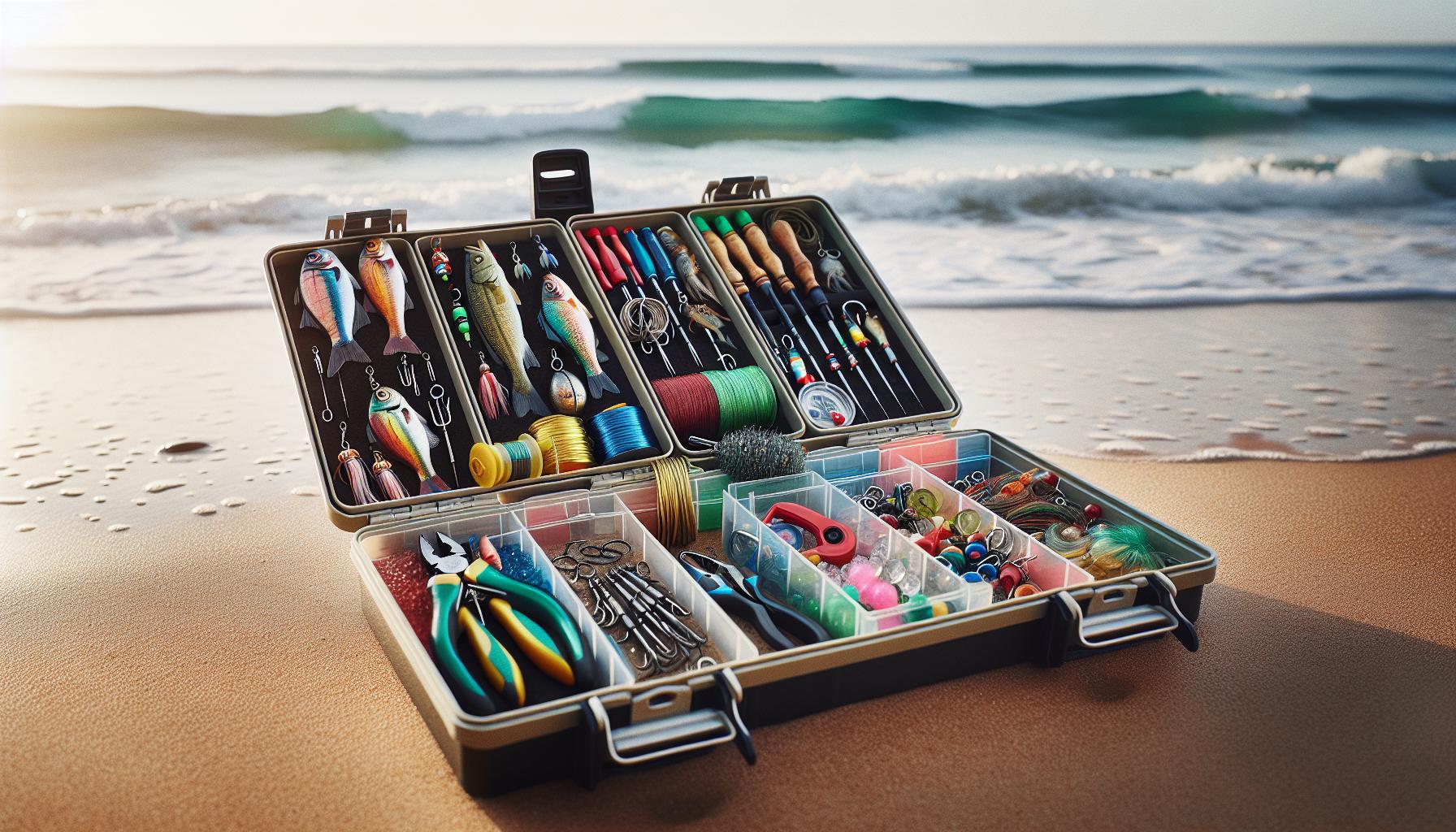
Tackle Box Essentials: Must-Have Accessories for Surf Fishing
When stepping onto the sandy shores with your surf fishing gear, it’s essential to have a well-stocked tackle box as your trusty companion. Picture this: the sun is rising over the horizon, painting the sky in hues of orange and pink, while the waves crash gently against the beach. You’re armed with your fishing rod and reel, ready to embrace the thrill of the catch. However, without the right accessories in your tackle box, you might find that exciting moment slipping through your fingers like sand.
Key items to pack include hooks of various sizes and styles. From circle hooks to J-hooks, having a selection ensures that you’re prepared for any species that might be biting. Some anglers swear by circle hooks for catch-and-release methods, as they tend to hook fish in the corner of the mouth, reducing injury. Don’t forget your swivels and sinkers; these are essential for preventing line twists and for keeping your bait in the strike zone of the surf. Depending on the conditions, you may opt for pyramid sinkers on windy days to anchor your line firmly on the ocean floor.
A measuring tape is also a must-have; it can be disheartening to reel in a great catch only to wonder if it meets the size regulations. Moreover, a pair of pliers is invaluable-not just for removing hooks but also for handling fish safely. If you’re fishing during the evening, consider including a small flashlight or headlamp so you can easily maneuver your gear after the sun dips below the horizon.
Finally, accessorizing your tackle box with a first aid kit is a savvy move. The ocean may be refreshing, but it can bring surprises, such as scrapes from rocks or the occasional sting from jellyfish. Being prepared with band-aids and antiseptic wipes ensures your fishing adventure remains fun and safe. By carefully curating your tackle box, you set yourself up for success, ready to embrace the magic of surf fishing, where every cast could lead to the catch of the day!
Baiting Techniques: What Works Best for Surf Fishing Success
When the sun first kisses the horizon, igniting the ocean in a splash of fiery colors, there’s a live crescendo of surf fishing possibilities that unfold at your feet. The key to a spectacular catch lies in the art of baiting-understanding not just what to use, but how to present it. Whether you’re an eager newbie or a seasoned angler feeling the sea’s embrace, mastering baiting techniques can make the difference between a dry day on the sand and a satisfying haul that sends waves of excitement through your veins.
The choice of bait is where you can truly channel your inner surf savant. Fresh live bait, such as sand crabs, clams, and mullet, tends to attract a more diverse range of fish, including surf perch and striped bass. These vibrant morsels resonate wonderfully with the natural environment of the ocean floor, making them irresistible to hungry predators. If you’re looking for convenience, cut bait (like mackerel or squid) can be a fantastic alternative. Just remember: the fresher the bait, the better your chances!
While presenting your bait, consider the motion it provides. The dynamic nature of surf casting means you’ll want your bait to dance invitingly in the water rather than sink like a stone. Use a carolina rig to allow your bait to drift along with the currents; this method can create a more lively presentation, mimicking the natural movements of prey. Secure your bait properly, ensuring it’s well-affixed to the hook but not so much that you compromise its natural allure. A hairpin knot or a simple loop will do wonders here.
When it comes to seasonal changes, being adaptable makes all the difference. During warmer months, live bait can thrive, attracting larger crowds of fish eager to feast before the chill of autumn sets in. In contrast, during the colder months, consider shifting your strategy to more resilient options like frozen bait or lures that mimic smaller fish. Not only does this approach allow you to maintain your catch rate, but it also makes your fishing experience as varied and vibrant as the ocean itself.
In surf fishing, each cast is a conversation with the ocean, and the right bait might just make it a thrilling dialogue filled with jerks and tugs that have you shouting in delight. Remember, surf fishing is about being in tune with the elements, and no matter what you choose to use, it’s crucial to remain patient and enjoy the rhythmic crash of the waves as you reel in your next big catch.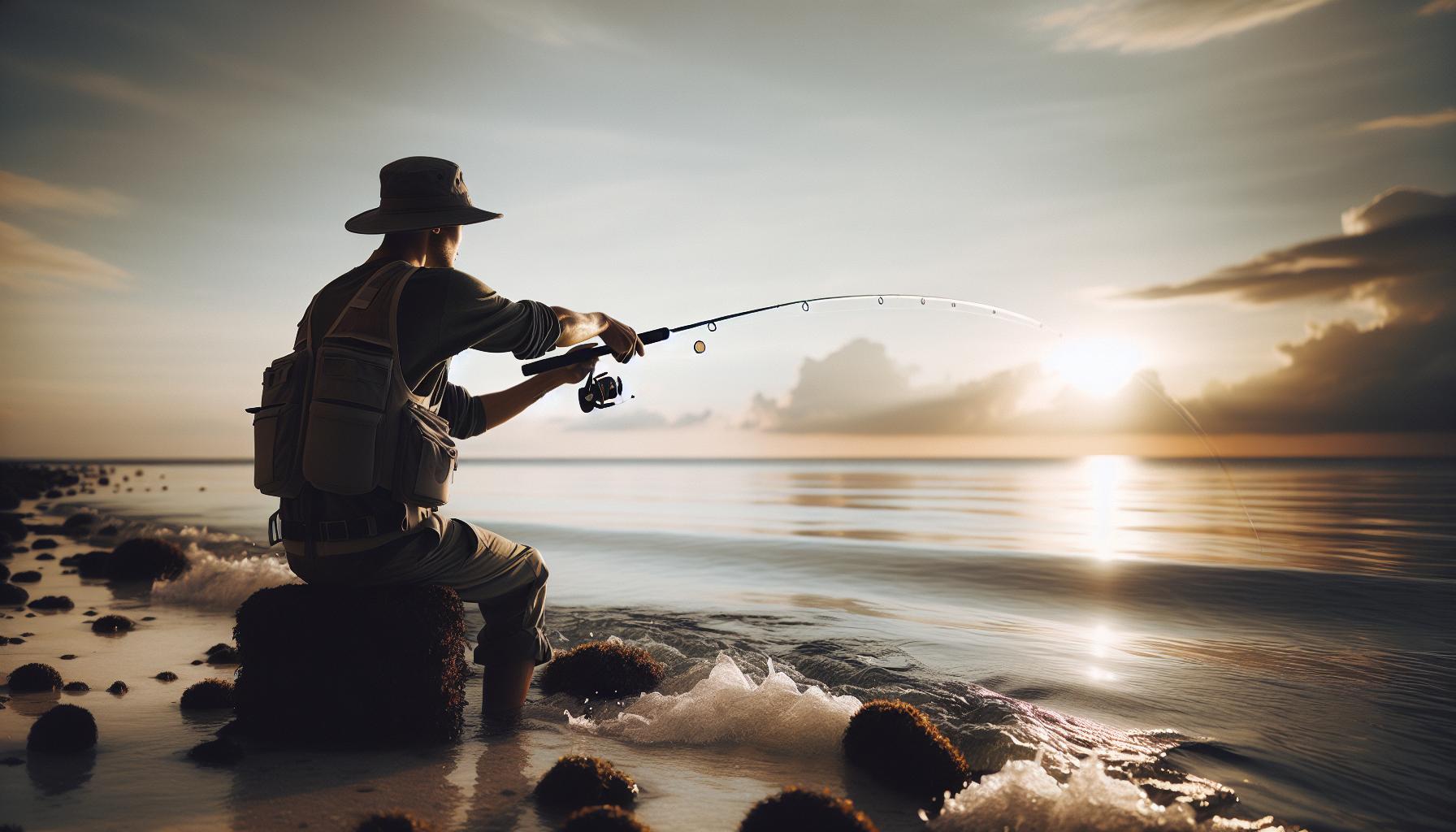
Casting Techniques: Mastering the Waves for Distance and Precision
When the surf is up, and your heart races at the thought of hooking a big one, the technique of casting can make all the difference between a story worth sharing and an empty bucket at the end of the day. Mastering the waves involves not just the physical act of casting but also understanding the rhythm of the ocean, the wind, and how they intertwine with your equipment. Feel the cool ocean breeze on your face, the salty spray dancing on your skin, and prepare yourself to launch your bait into the heart of the surf where the fish are lurking.
To begin with, proper stance and grip are essential. Stand with your feet shoulder-width apart, knees slightly bent, and always face the water. This stance provides stability as you prepare to cast. Hold the rod with a firm grip, keeping your dominant hand on the handle near the reel while your other hand stabilizes the rod’s body. As you raise the rod behind you, visualize the target, allowing your mind to sync with the natural rhythm of the waves. When you start your forward motion, release your line just before your rod reaches the 11 o’clock position-this timing creates the energy needed to maximize distance and accuracy.
### Techniques to Elevate Your Cast
There are several casting techniques that can skyrocket your performance on the beach. Here are a few to consider:
- Overhand Cast: Ideal for distance, this involves a smooth, arc-like motion. Start low, bring the rod high, and release while snapping your wrist forward.
- Sidearm Cast: Use this to avoid obstacles or when making short casts. Angle the rod horizontally to the ground and swing it outwards.
- Angled Cast: This is a hybrid technique combining elements of both the overhand and sidearm casts, particularly effective in windy conditions where you can angle your cast to combat the elements.
After your cast is made, always reel in a steady line with patience. Feel the rhythm of the waves; it’s essential to keep your line taut but not overly tight. Observe the motion of your bait-are the waves dancing over it just right, or is it trapped in the foam? A little adjustment in your retrieval speed may be necessary to attract the fish you’re targeting.
While practicing these casting techniques, don’t shy away from integrating some backstory. Before hitting the surf, I remember my early attempts, flinging bait into the horizon with wild abandon, only to watch it land short of my desired spot. It took time, a few sage tips from local fishers, and countless hours standing next to the crashing waves to truly find my style. The satisfaction of feeling the rod bend under the weight of a fish you drew in with just the right cast is unbeatable-a feeling every angler cherishes.
With practice, patience, and a little bit of ocean magic, you’ll soon find that casting becomes a symphony of movement, harmonizing perfectly with the pull of the tide and the excitement of the catch. So grab your gear, feel the sand between your toes, and let the ocean’s music guide you to masterful casts!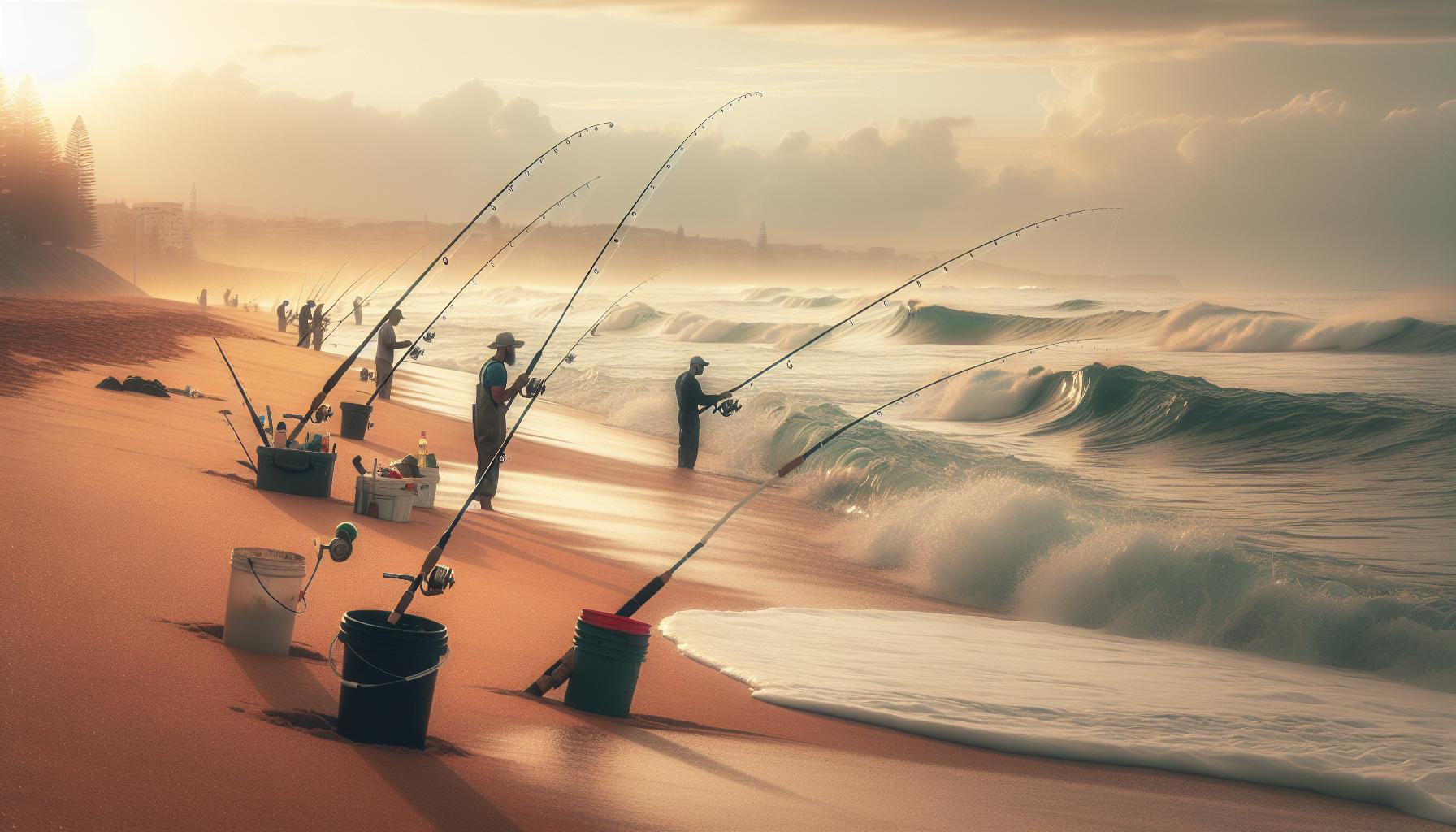
Surf Fishing Locations: Best Spots to Drop Your Line
When it comes to surf fishing, one of the most exciting elements is discovering the best locations to cast your line. Imagine the rhythm of the tide, the tang of salt in the air, and the thrill of waiting for that telltale tug on your line-these moments make surf fishing an adventure almost as captivating as catching the fish themselves. To help you plan your next outing, let’s dive into some top surf fishing spots that cater to everyone from the rookies to the seasoned pros.
The beautiful beaches along the Oregon coast, such as Cannon Beach and Pacific City, are renowned for their diverse surf fishing opportunities. Cannon Beach, with its iconic Haystack Rock, offers a variety of species including perch and striped bass, ideal for both novice and experienced anglers. On the other hand, Pacific City is famous for its surf zone where you can target salmon and halibut. During the right tidal conditions, these areas become bustling hotspots that can yield a bountiful catch.
Head down to Newport, known for its productive banks and depths close to shore. Here, the rich nutrient flows attract fish close to the surf, making it a prime location for landing black rockfish and surf perch. The Yaquina Bay area also presents unique opportunities, where the confluence of fresh and saltwater creates a vibrant ecosystem, perfect for those chasing something different. Imagine casting your line while enjoying the sound of the waves crashing and sea gulls calling-a truly immersive experience.
Don’t overlook the California coast, especially the world-famous Santa Monica Pier, where surf fishing thrills are only a line toss away. This location is teeming with colorful fish and boasts stunning views. It’s perfect for a family trip or a solo retreat-just pick a spot, set up your gear, and get ready for a day filled with ocean breezes and frolicking fish. Remember to check local regulations, as some areas may have specific rules about fishing seasons and techniques.
Tips for Choosing the Right Spot
To ensure a successful surf fishing expedition, keep the following in mind:
- Tide Timing: Fish are often more active during specific tidal phases-try fishing at high tide when food is washed in closer to the shore.
- Beach Features: Look for natural formations like sandbars, drop-offs, or rocky outcroppings; these areas often harbor fish looking for cover or food.
- Local Knowledge: Chat with locals or fellow anglers; their insights can lead you to hidden gems for a productive fishing day.
Choosing the right location can not only enhance your chances of a great catch but also enrich your overall surfing experience. Whether you’re standing on the shore with sand between your toes or feeling the cool mist of the ocean on your face, every spot offers its own unique charm and adventure waiting to unfold. Grab your rod, tune into the rhythm of the ocean, and get ready to cast your line into the charms of surf fishing!
Seasonal Surf Fishing: Adjusting Your Gear for Changing Conditions
The ocean is a dynamic habitat, changing with the seasons, and so too must your approach to surf fishing. What worked last summer might not cut it in a brisk autumn breeze or during the cold winter months. Fish behavior, water temperature, and food availability fluctuate throughout the year, requiring you to adapt your gear and techniques to reel in those prize catches. So, whether you’re dodging beach umbrellas during a sunny day in July or braving the chill to chase striped bass in January, knowing how to adjust your setup is key to success.
When it comes to your choice of rod and reel, the seasons can dictate significant changes. In the warmer months, you might opt for lighter tackle that allows for quick, agile casts, essential for hunting surf-dwelling species like perch and croaker. A medium-action rod paired with a spinning reel can give you the necessary flexibility and distance. As the temperature drops, consider beefing up your setup. Heavier gear will help you target larger species moving in closer to the shore in search of warmer waters and food. Switching to a more robust rod and a conventional reel, which offers greater power, can make a world of difference when battling those bigger fish.
Bait selection is another game changer across the seasons. During summer, when the beaches are alive with fish feeding on abundant baitfish and crustaceans, live bait like sand crabs and mullet can work wonders. However, as temperatures drop, transitioning to cut bait or slowly retrieving lures that mimic winter prey can increase your odds. Additionally, keep an eye on the local fishing reports for advice on what’s biting and what techniques are trending, as local conditions are everything.
Seasonal Gear Adjustments
To make it easy to remember how to gear up for the different seasons, here’s a quick rundown of what to adjust:
- Spring: Light to medium rods; use live bait like sandworms and smaller lures.
- Summer: Medium action rods; versatile tackle to handle various fish; focus on lively baitfish.
- Fall: Heavier gear for larger species; try using both live and cut baits as fish bulk up for winter.
- Winter: Medium to heavy rods; target larger fish with tougher cut baits and deep-diving lures.
Remember, every visit to the shore is a new opportunity to learn and adapt. Monitor conditions like tide patterns, surf height, and water clarity, as these factors also impact fish behavior and your success. Embrace the changes of nature, and let your excitement for surf fishing lead the way-there’s always something waiting to be caught just beyond the waves!
Common Mistakes in Surf Fishing: How to Avoid Them
Stepping onto the sandy shores for a day of surf fishing is like embarking on an exhilarating adventure-each wave a new opportunity, each catch a potential tale. However, even the most spirited anglers can trip over common mistakes that cloud their fishing experience. Whether you’re new to the surf or a seasoned pro, being aware of these pitfalls can elevate your success and keep your enthusiasm high.
One of the most common blunders is underestimating the power of the tides. Tidal movements aren’t just a backdrop to your fishing endeavors; they play a pivotal role in fish feeding patterns. Ignoring tide tables can mean missing out on prime fishing times. For instance, many surf species are more active during incoming tides, as they exploit the flushing water that brings food closer to the shore. Make it a ritual to plan your outings around these tidal changes, giving you a better chance to encounter fish.
Another frequent mistake is using the wrong gear for the conditions. Many anglers set out with gear suited for calm days but find themselves battling strong surf, leading to frustration and lost catches. Always opt for a rod and reel that match the surf conditions-heavier rods are better for ripping waves, while lighter gear excels in gentle waters. Selecting the right tackle will help ensure that your experience is rewarding rather than a struggle against the elements.
In addition, be wary of skimping on preparation. A tackle box stuffed with random lures is no substitute for a well-planned kit. Take time to research which baits are enticing to local species during your fishing season. Equip yourself with versatile tools that allow for easy switching between different rigs and bait. Having a well-thought-out arsenal at your fingertips will empower you to adjust your approach based on the moment’s needs, adding a dash of spontaneity to the adventure that can lead to awesome results.
Lastly, never underestimate the beauty of patience and observation. Many surf fishers rush to cast at the first sign of action, but a little quiet observation can unveil the perfect spot or timing. Take a moment to assess the surf and watch for signs of fish activity or bait schools. This calm attentiveness might just transform your fishing day from a routine outing into a thrilling odyssey, filled with laughter and memorable moments under the wide-open sky. So gear up, stay sharp, and embrace the magic of surf fishing-success is a wave away!
Expert Tips from Experienced Surf Fishers: Secrets to Success
When it comes to surf fishing, the thrill of the chase is matched only by the wisdom gained from each salty adventure. Seasoned anglers have uncovered secrets through countless hours spent battling the elements and perfecting their technique. One of the most critical pieces of advice they share is to understand your gear inside and out. Whether you’re wielding a spinning reel or a conventional setup, knowing your equipment’s capabilities can make a world of difference. For instance, lighter gear is essential for smaller fish in calm conditions, while a robust setup is necessary for those hefty catches when the tide is raging. Take the time to practice casting before you even step onto the beach-getting a feel for your rod ideally preps you for the unpredictable nature of the surf.
Another vital tip from the surf-fishing veterans revolves around location scouting. Not all beaches are created equal when it comes to fishing opportunities. Focus on areas where structure meets the water-jetties, rocky outcroppings, or even sandy bars can create feeding zones for fish. A little local research, or even a chat with fellow anglers, can pay huge dividends as you pinpoint those honey holes. Remember, the ocean is as much about patience as it is about action. Bring your binoculars, not just to scan for birds indicating fish activity, but also to observe surf patterns and currents. You’ll soon learn that a keen eye can lead you to the best spots to cast your line.
It’s essential to also keep a well-organized tackle box. This isn’t just about packing a few lures and hooks; it’s about having a strategic layout that allows for quick changes during your fishing session. A well-equipped tackle box should include:
- Various hooks suited for the species you’re targeting
- A selection of lures, including surface plugs, jigs, and soft plastics
- Weight options for different surf conditions
- Extra line for quick on-the-spot repairs
Having the right tools readily available enables you to adapt your strategy on the fly-be ready to switch bait or technique based on how the fish are behaving.
Lastly, embrace the spirit of community inherent in surf fishing. Share your stories and tips with others; it not only enriches your own experiences but extends the joy of fishing to newcomers. Whether you’re a lone wolf or part of a group, the stories shared around the cooler after a day on the beach are what ultimately keep the passion alive. So, gear up, stay curious, and let the waves guide your journey-because in surf fishing, every outing is a chance for a new adventure waiting to unfold!
Surf Fishing Safety: Best Practices for Enjoying the Ocean Responsibly
When you’re standing on the shoreline, the salty breeze tousling your hair and the waves rhythmically crashing at your feet, it’s easy to get lost in the thrill of surf fishing. However, amidst the excitement of casting your line and reeling in a big catch, safety should never take a backseat. Understanding the ocean’s moods and respecting its power is paramount, ensuring that your days at the beach are filled with adventure and free from mishaps.
The first rule of surfing fishing safety is to never turn your back on the ocean. Waves can be unpredictable-what seems calm can quickly transform into a rip current or a rogue wave. Always keep an eye on the water while you’re fishing. A great practice is to fish from a spot where you have a clear view of both your gear and the incoming tide. Ensure that you’re aware of local weather conditions, tide schedules, and any advisories that may be in place. Using a forecasting app or chatting with local fishers can provide insights on when to fish and when to head home.
Another critical aspect is to gear up appropriately for your surf fishing adventure. This involves not just having the right rod and reel for casting beyond the breakers but also wearing suitable clothing. Consider donning a life jacket if you’re wading out deeper or if conditions seem choppy. Moreover, invest in sturdy footwear, as sharp shells and unstable sand can pose risks to your feet. When the sun blazes overhead, sunscreen is your best friend-reapply every couple of hours, especially after a splash in the surf.
Emergency Preparedness
Preparation for emergencies is key. Always bring a basic first aid kit packed with essentials like band-aids, antiseptic wipes, and any personal medications. If you’re fishing with a buddy, establish a plan for what to do in case of an accident-whether it’s a trip to a nearby shoreline hospital or a simple first aid measure. It’s also wise to carry a whistle or something loud to attract attention if ever needed. Above all, remain calm; the more relaxed you stay in unexpected situations, the clearer your judgment will be.
Ultimately, your surf fishing session should be a celebration of camaraderie and connection to nature. Embrace the experience-not just the catch but the sensations, the sounds of the ocean, and the excitement of the vast horizon ahead. With a spirit of safety and responsibility, every trip can be a memorable adventure that keeps the ocean’s magic alive while ensuring you remain safe and sound.
Faq
Q: What length rod is best for surf fishing?
A: The best rod length for surf fishing typically ranges from 9 to 12 feet. Longer rods allow for greater casting distance, essential for reaching deeper waters. Choose a length that balances distance and control depending on your fishing conditions and skill level. Check the section on Choosing the Right Surf Fishing Rod for more tips.
Q: How do I choose the right reel size for surf fishing?
A: The ideal reel size for surf fishing generally falls between 4000 to 8000 series. A larger reel accommodates more line, essential for battling bigger fish in strong currents. Match the reel to your rod for optimal performance and don’t forget about drag settings! For further details, refer to Reel Types Explained in the article.
Q: When is the best time to go surf fishing?
A: The best time for surf fishing is typically during early morning or late evening when fish are more active and are feeding. Tides also play a crucial role-fish tend to feed best just before and after low and high tides. Check out the Surf Fishing Locations section for ideal timing strategies.
Q: What is the best bait for surf fishing?
A: The best bait for surf fishing includes fresh cut bait, live sand crabs, and clams. These attract a variety of fish species. Experimentation can also yield great results; sometimes, local favorites make all the difference! Find more on successful baiting in the Baiting Techniques section.
Q: How can I avoid common surf fishing mistakes?
A: To avoid common surf fishing mistakes, ensure proper gear selection, understand local regulations, and be aware of changing tides. Don’t fish in crowded areas and always check weather conditions before heading out. Refer to the Common Mistakes in Surf Fishing section for more insight.
Q: What is the best line type for surf fishing?
A: The best line type for surf fishing is usually braided line, as it provides superior strength and sensitivity, essential for feeling bites. Mono line can also be effective, particularly for its stretch and casting distance. Check the Surf Fishing Line section for detailed comparisons.
Q: Where can I find the best surf fishing spots?
A: The best surf fishing spots are often found at jetties, piers, and sandy beaches, where currents mix and attract fish. Additionally, local knowledge can lead you to hidden gems. Dive into the Surf Fishing Locations section for tips on scouting the perfect spot.
Q: How do I set up my tackle box for surf fishing?
A: Organize your tackle box with essentials such as different hooks, weights, lures, and a variety of lines. Include tools like pliers and a line cutter. Keeping everything easily accessible enhances your efficiency during fishing. Explore the Tackle Box Essentials section for a complete checklist.
In Retrospect
As you gear up to cast your line with the best rod and reel for surf fishing, remember that every trip brings new waves and adventures waiting to be discovered. From the thrill of feeling that first tug on your line to the serene beauty of the ocean’s waves lapping at your feet, the surf fishing experience is unmatched. Don’t let uncertainty hold you back-embrace the salty air and dive into the exhilarating world of surf fishing today!
For more expert tips, check out our guide on “Top Surf Fishing Techniques” and explore essential gear recommendations in our “Best Tackle for Surf Fishing” article. Have questions or want to share your fishing stories? We’d love to hear from you in the comments! Keep chasing those waves and fish, and don’t forget to sign up for our newsletter to stay updated on the latest fishing tricks and gear reviews. Adventure awaits-let’s get casting!
Get our latest guides, news, and insights highlighted in your Google Search & AI Overviews.