
Surfing in winter can be a magical experience, but without the right gear, you might end up feeling like a popsicle! The best wetsuit is your secret weapon against the chill, keeping you warm and agile while you carve through those crisp waves. Whether you’re catching the early morning swell or enjoying an afternoon session, the right wetsuit enhances your performance, comfort, and enjoyment on the water. With countless options available, finding the perfect fit can feel overwhelming, but it’s crucial for anyone eager to extend their surfing season. Dive into our guide as we explore the top wetsuits for surfing, ensuring you stay toasty while you ride the winter surf. Let’s gear up and keep those stoke levels high this winter!
Choosing the Right Wetsuit Material for Winter Surfing
When the chill of winter sets in, many surfers hang up their boards, but for the die-hard ocean enthusiasts, winter can be an exhilarating time to hit the waves. The secret to staying cozy and enjoying those frosty swells lies in the material of your wetsuit. Choosing the right wetsuit material is essential for maximizing warmth while ensuring flexibility and comfort-like slipping into a second skin that keeps your body heat locked in while allowing freedom of movement.
The most common material used in wetsuits is neoprene, known for its remarkable insulating properties. But not all neoprene is created equal! There are various types, including standard neoprene, which offers solid insulation at an affordable price, and super stretch neoprene, which is lighter, more flexible, and contours to your body for an unparalleled fit. The thickness of the neoprene is also a critical factor; typically, for winter surfing, you’ll want suits ranging from 4mm to 6mm. A thicker damp suit traps more body heat, while thinner options provide greater mobility-finding the right balance is key.
Beyond neoprene, consider additional features that enhance warmth, such as thermal linings and glued and blind-stitched seams. These elements not only reduce water entry but also hold onto warmth. Some brands have started incorporating eco-friendly materials, which provide the same durability and flexibility while being kinder to the planet. In the ever-evolving world of surf gear, it’s heartening to see brands blending performance with sustainability, allowing surfers to feel good about their impact on the environment while carving through winter waves.
In your quest for the perfect winter wetsuit, it’s crucial to think about the conditions you’ll be surfing in. Colder waters might require a thicker suit with more insulation, while milder winters could allow for a thinner model with superior range of motion. So, whether you’re braving gnarly Arctic swells or just taking a dip in chilly coastal waters, a well-chosen wetsuit material can transform your winter surfing experience from cold and miserable to exhilarating and fun!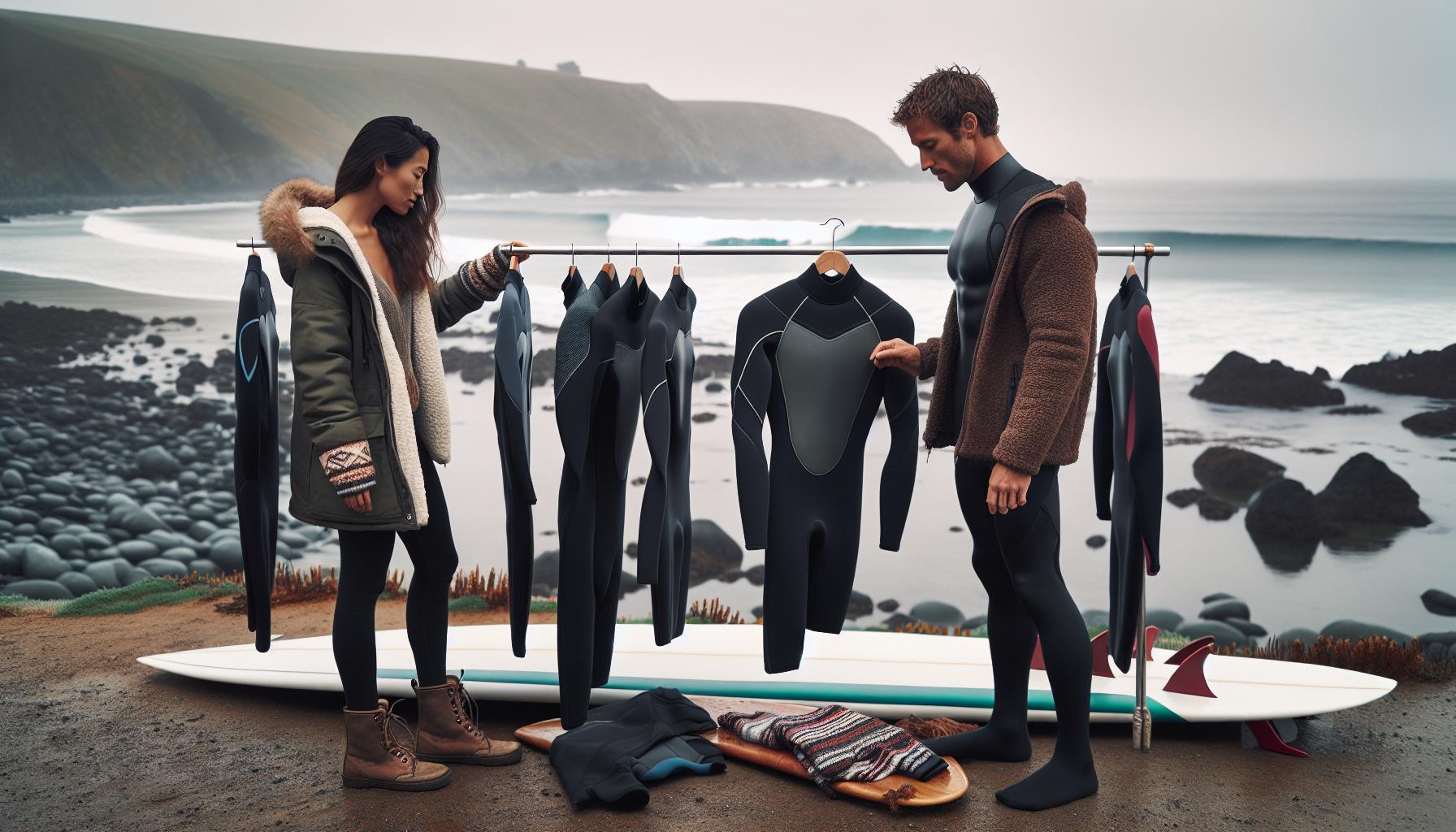
Understanding Wetsuit Thickness: Which is Best?
When you’re gearing up for winter surfing, the thickness of your wetsuit is not just a number-it’s a crucial factor that can make or break your ride on those chilly waves. Imagine the exhilarating embrace of a frigid ocean; the right wetsuit thickness ensures that while you’re battling the elements, you won’t feel like ice cream on a hot day. A thick wetsuit can be your best friend, keeping those polar waters at bay, but too much thickness can stifle your movement. So, how do you find the perfect fit?
Typically, for winter surfing, wetsuit thickness ranges from 4mm to 6mm. If you often plunge into the coldest waters, aim for thicker suits (5mm to 6mm) that trap heat effectively. Picture the waves rushing past you while your body maintains a warm core; this is the magic of thicker suits, providing that much-needed insulation while battling the icy bite of winter surf. On the other hand, if you’re surfing in slightly milder conditions, a 4mm suit could be ideal, giving you the flexibility to move freely while still providing warmth. Think of it like choosing between a cozy wool sweater and a lightweight hoodie-both have their places depending on the chill in the air!
It’s also essential to account for your personal comfort and surfing style. Those who prefer aggressive maneuvers might find a suit that’s too thick can hinder vital movements, effectively transforming your surf session from exhilarating to exhausting. Opt for suits that have strategically placed thinner panels, allowing you to paddle out and pop up with the grace of a dolphin, rather than the clumsiness of a beached whale. Moreover, layering is another fantastic option for those unpredictable days; wearing a thinner base suit underneath your primary wetsuit can provide that extra layer of warmth without overwhelming your movements.
Striking the right balance is key: it’s like finding that sweet spot in a perfect wave! Before you dive into your next winter surfing adventure, check the forecast and water temperatures, test out a few different thicknesses, and consider your personal warmth preferences. Whether you’re chasing swells on a frigid morning or winding down after a long session, the right wetsuit thickness will keep you warm, comfortable, and ready for the next ride-turning those winter swells into a playground instead of a polar plunge!
Essential Features to Look for in Surf Wetsuits
When the waves are calling your name and the winter chill is settling in, the right wetsuit becomes your ticket to an exhilarating surf session, transforming icy waters into a thrilling playground. But not all wetsuits are created equal! Before you hit the waves, you must arm yourself with the right knowledge about essential features to ensure your surfing experience is as enjoyable and comfortable as possible.
First and foremost, insulation is the backbone of any effective winter wetsuit. Look for suits crafted from top-quality materials like neoprene that offer excellent thermal retention while still allowing for flexibility and comfort. Beyond material, consider the suit’s thickness, which we’ve already explored, but remember that seams play a crucial role too. Double-stitched seams with added sealing techniques, like blind stitching or taping, significantly improve warmth and reduce water entry, keeping you snug as you slice through the surf. A well-constructed wetsuit promises that every droplet of frigid water stays on the outside, leaving your core as warm as a summer’s day.
Next up, flexibility and mobility cannot be overstated, especially for those maddeningly perfect waves where those crisp moves matter most. A wetsuit that restricts your surfing prowess can turn a majestic ride into a struggle against your own gear. Look for suits with strategically placed panels made of lightweight, stretchy neoprene that allow for maximum motion. Also, having features like a backzip or chest zip can make a world of difference in getting in and out without feeling like a contorted pretzel. Make sure to find the right cut, such as a full suit or shorty, depending on your surfing style and the temperatures you typically battle against.
Moreover, comfort features can elevate your surf game from drudgery to sheer joy. Opt for wetsuits equipped with thermal linings that offer not just heat but also a soft touch to prevent uncomfortable chafing. Changing paddling positions means your suit moves with you, thanks to thoughtful designs that minimize restrictions-perfect for those heart-pumping moments when you need to paddle against a fierce current. Look for durable knee pads, too; they’ll protect you from all the falls when you’re trying to master that elusive maneuvers and provide durability for the years ahead.
Finally, if you’re an environmentally conscious surfer, don’t forget to explore eco-friendly options! Brands like Patagonia have pioneered the use of sustainable materials, which can help you ride the waves with a little less guilt about your carbon footprint. Choosing recycled or naturally derived materials showcases your love for both surfing and Mother Earth.
In a world where every wave beckons you to challenge your limits, investing in a wetsuit with these essential features means you’re setting yourself up for greater success and unmatched fun! With the right gear, the crisp ocean air transforms from a chilly bite to a refreshing embrace, and the waves become your stage to shine brightly, even in the coldest months.
Discover the Top Brands for Winter Wetsuits
The world of surfing is vast, and just like our beloved waves, it’s ever-evolving! When it comes to winter wetsuits, the right brand can be a game-changer. With a plethora of options to choose from, selecting a top-tier wetsuit can mean the difference between a dreamy session in frigid waters and a shivering battle against the elements. Let’s dive into some of the industry’s leading brands that are crafting exceptional wetsuits for winter surfing.
Top Brands to Consider
- O’Neill – A pioneer in the wetsuit market, O’Neill is renowned for its cutting-edge technology and innovative designs. Their suits are engineered with high-quality neoprene that provides both warmth and flexibility. The O’Neill Psycho series, in particular, is a fan favorite for winter surfers, combining excellent thermal protection with a lightweight feel. Expect features like liquid sealed seams for minimized water entry, keeping you warm even in the harshest conditions.
- Patagonia – If environmental sustainability is on your mind, look no further than Patagonia. They’ve woven eco-consciousness into their wetsuit production without compromising on performance. Their R1 and R2 models made from Yulex natural rubber not only offer incredible insulation but are also environmentally friendly. It’s a win-win for surfers who want to care for the ocean while riding the waves.
- Billabong – With a strong heritage in surf culture, Billabong crafts wetsuits that combine style with functionality. Their Furnace Carbon range features thermal lining technology and solid seam construction for optimal warmth-perfect for those icy winter days. Plus, their trendy designs ensure you’ll look as good as you feel while out in the surf.
- Rip Curl – Renowned for their Flashbomb range, Rip Curl pushes the envelope in wetsuit technology. The Flashbomb suits boast a unique quick-dry lining that keeps you warm and comfortable, even after extended sessions in cold water. Built for surfers who demand durability and warmth, these suits are a great investment for winter wave chasers.
- Quiksilver – Another titan in the world of surfing gear, Quiksilver offers an impressive lineup of winter wetsuits that balance performance and affordability. Their Syncro series is popular among both novices and seasoned surfers, providing excellent warmth without breaking the bank. With features like GBS seams and thermal lining, you can enjoy the water without a worry.
When contemplating which brand to trust for your winter wetsuit, think about your surfing style, the local water conditions, and your budget. Each of these brands delivers distinct features tailored to different needs, so whether you prioritize eco-friendliness, cutting-edge technology, or stylish designs, you’ll find the perfect suit to keep you warm and ready to conquer those chilly waves!
How to Properly Fit Your Wetsuit for Maximum Comfort
The right fit for your wetsuit can make the difference between a blissful day slicing through waves and an uncomfortable slog back to shore. When it’s cold outside and the surf is calling, tension and discomfort will definitely kill your vibe. To get that second-skin feel that champions your movement while keeping you snug and warm, attention to fit is essential. Let’s gear up and dive into the ins and outs of how to determine your perfect wetsuit fit!
A well-fitted wetsuit should feel snug without trips around the surf shop causing a scene or feeling like a seal caught in a net. Start by trying it on dry; pull it up over your legs and ease your arms into the sleeves, ensuring there are no bulges or excess material anywhere. The suit should feel like a second skin-tight but comfortable. Make sure the collar sits flush against your neck without constricting. If you can fit more than two fingers in the neck opening or if the seat of the wetsuit is drooping, you might want to size down.
Next, pay attention to critical joints: your shoulders and knees! When trying on the wetsuit, reach out and up as if you’re paddling out-there shouldn’t be any pulling or restricting movement. Do a little dance! If you’re bent over like you’re catching your breath after a surf sprint, then it’s likely a bit too tight. Alternatively, practice a few squats; if your knees feel like they’re in a straight jacket or if you hear noises resembling a rubber duck, it’s time to reconsider that size.
Lastly, factor in your surfing style and the water conditions you’re likely to encounter. If you tend to paddle hard and long, opting for a slightly looser fit around the torso can be beneficial-just ensure you do not have too much extra material flapping around! Remember to assess the wetsuit’s seams; they should remain flat while allowing flexibility. Stitching that feels stiff or bulky can quickly detract from your overall experience in the water, especially when the wind picks up and temperatures drop.
Choosing the right wetsuit will have an immediate impact on both your comfort levels and performance in the water. So pull, stretch, and wiggle-it’s all part of the quest for the ultimate fit. The ocean awaits, and a well-equipped surfer is a happy surfer!
The Benefits of Layering Under Your Wetsuit
Braving the chilly winter waves can be an exhilarating experience, but without proper warmth, it can quickly turn into a struggle against the elements. One of the most effective ways to maintain that sought-after core temperature while riding the swell is by layering under your wetsuit. Think of it like wearing a warm, cozy blanket against the biting cold of the ocean. With the right layers, you not only amplify your warmth but also enhance your overall surfing experience, letting you stay out longer and enjoy every moment.
When considering layers, start with moisture-wicking base layers. These breathable materials, often made from materials like merino wool or synthetic fabrics, draw sweat away from your skin while still providing a thermal layer to keep you warm. A snug-fitting thermal rash guard or some specialized thermal tops can be great additions. The goal here is to create a barrier that reduces the heat lost through your wetsuit while allowing for movement. This combo keeps you dry and cozy, ensuring that the only waves you’re focused on are the ones breaking before you.
Next up, consider adding boardshorts or swim tights designed for extra warmth. These can fill out your wetsuit nicely, providing that second layer of insulation that locks in heat. As you glide through the water, every additional layer serves as a shield against the cold. Just imagine diving beneath the waves, each stroke powered by the knowledge that your layers are working hard to keep your body temperature regulated! Plus, layering can help mitigate any potential chafing that might occur, making those rides down the line more enjoyable.
Lastly, don’t underestimate the power of accessories. A good set of neoprene socks, gloves, and a cap can keep vital areas insulated and comfortable. The sensation of warm toes dipping into the surf is a pure joy that enhances your focus on catching that perfect wave. Remember, winter surfing shouldn’t feel like a battle; it should be an adventure! So gear up, layer properly, and embrace the chill with confidence! You’ll be amazed at how much longer you can stay out when you’re snug and warm beneath those layers.
Wetsuit Care Tips: Ensure Longevity and Performance
Maintaining your wetsuit is like nurturing your favorite surfboard-it can make all the difference between a smooth ride and a frustrating struggle in frosty waters. A well-cared-for wetsuit not only enhances your performance but also dramatically extends its lifespan, keeping you warm and ready for action during winter’s chillier sessions. Here are some essential care tips to ensure your suit is in top-notch shape for those epic winter swells.
First off, rinse your wetsuit with fresh water after every surf session. This simple act washes away salt, sand, and chlorine, which can degrade the neoprene if left unchecked. In the shower or a hose, take a moment to turn it inside out and give it a good, gentle rinse – just like you would with your favorite beach towel. Remember, warm water is key to releasing the dirt, but avoid hot water as it can damage the materials. After rinsing, let it air dry away from direct sunlight. Sunlight can cause colors to fade and materials to become brittle, much like a surfboard left on the beach all day. Instead, hang it up in a cool, shaded area, ensuring that it retains its shape rather than stretching out.
Storage and Maintenance
When you’re not riding the waves, proper storage is crucial. Avoid folding your wetsuit, as this can create creases, which may lead to leaks over time. Instead, hang it on a wide hanger (a specific wetsuit hanger is even better) to maintain its shape. If you’re stashing it away for the off-season, make sure it’s clean and fully dry before sealing it in a cool, dry place. Consider using a garment bag to protect it from dust and accidental snags.
In addition to regular cleaning and proper storage, inspect your wetsuit for signs of wear and tear. Spotted any little rips or seams coming undone? Fix these before they become big troubles! Use neoprene glue for small repairs or consider more professional patch kits available widely in surf shops. Taking proactive steps keeps your suit performing optimally and you surfing comfortably.
Invest a bit of time in your wetsuit maintenance, and in return, it’ll keep you warm and ready to tackle those winter waves with confidence. The thrill of catching big waves doesn’t just come from skill-it comes from the right gear working harmoniously with your passion for the ocean!
Navigating Different Water Conditions: Wetsuit Recommendations
When it comes to riding the rolling waves in winter, understanding the nuances of water conditions can make all the difference in your surfing experience. Picture this: the brisk salt air on your face, the serene blue of the ocean stretching as far as the eye can see, and the waves beckoning you with the promise of adventure. But to fully embrace the thrill, you’ll need to equip yourself with the right wetsuit, tailored for varying temperatures and conditions. Whether you’re braving the icy waters of the North or enjoying the milder climate of the Southern beaches, here’s a handy guide to help you navigate different water conditions and choose the ideal wetsuit.
If you find yourself surfing in waters colder than 60°F (15°C), a thicker wetsuit is a must. Opt for a 4/3mm wetsuit, which keeps you warm while still allowing for the flexibility you need to paddle and ride. These suits are designed to provide insulation without sacrificing movement, perfect for those powerful winter swells. In case the temperatures dip below 50°F (10°C), it’s time to call in reinforcements. A 5/4mm full suit with sealed seams will offer extra insulation and keep your core warm during those longer sessions. Don’t forget a good pair of booties and gloves to fend off the chill on your extremities-there’s nothing worse than numb fingers when you’re trying to grab onto your board!
For warmer waters, a 3/2mm wetsuit is the perfect companion. These suits are ideal for temperatures ranging from 60°F to 70°F (15°C to 21°C), providing just the right balance between warmth and breathability. You’ll also want to consider the style: back-zip suits are easier to put on and take off, while chest-zip models offer increased flexibility and water resistance. If you’re surfing in tropical locations or during the peak of summer, you might even get away with shorty suits or spring suits, which keep you cool while still offering a layer of protection against the sun and potential scrapes from the reef.
Ultimately, the key to a great winter surf experience lies in your comfort and readiness to embrace the elements. Whether you’re slicing through glassy waves at sunrise or catching the last break before dusk, your wetsuit should adapt to your surroundings like the ocean itself. So, take the plunge, explore the different options available, and look for a wetsuit that resonates with your personal style and surfing environment. Remember, a well-fitted suit enhances your performance and keeps you focused on riding those epic waves!
Real Surfers’ Favorites: User Reviews and Testimonials
The thrill of winter surfing is an exhilarating experience shared by many, and the right wetsuit can make all the difference in how you embrace those frigid waves. Real surfers have taken to their favorite forums and social media to share heartfelt testimonials and practical advice on the best wetsuits to keep your spirits high and your body warm. There’s a sense of camaraderie in these reviews, each one echoing the adventures of dawn patrols and epic surf sessions where comfort met performance in the form of their trusty suit.
One surfer from California raves about their 5/4mm wetsuit that has been a game changer during chilly sessions at the notoriously cold La Jolla shores. They described the suit as their “secret weapon against the frosty mornings,” highlighting how the sealed seams kept water out while allowing enough mobility for duck dives and tight turns. For surfers in ultra-cold environments, they can’t recommend adding booties and gloves enough- “Those numb fingers can turn an awesome wave into a painful reminder that you forgot to prepare!” Their exuberance encapsulates what it means to enjoy the surf-stay warm, stay playful, and keep riding!
Another fan favorite comes from a seasoned surfer who swears by a 4/3mm chest-zip wetsuit, praising it for its combination of warmth and flexibility. “It feels like a second skin!” they exclaimed, drawing attention to the way the suit hugged their body without feeling restrictive during those exhilarating rides. They noted that they can comfortably paddle out in 55°F waters without worrying about icy waves crashing down their back. This sentiment was echoed by many who found the chest-zip style offered not just comfort, but a stylish edge on the waves.
As the winter season approaches, fellow surfers echo recommendations for brands like Patagonia and REI, with many touting their eco-friendly materials and innovative designs. Real-life reviews often emphasize how a great wetsuit not only transforms your surfing experience but also connects you more deeply with Mother Ocean. So whether you’re waiting for that perfect set or celebrating with friends after a good surf, know that the right wetsuit can inspire confidence and joy, keeping you warm and ready for whatever the ocean has to offer.
In the end, investing in a quality wetsuit is not just about the material or thickness; it’s about enhancing your connection to the waves, making every surf session not just a ride, but an adventure to cherish.
Exploring Eco-Friendly Wetsuit Options
Winter surfing is not just a test of your skills; it’s also a chance to embrace the ocean while being kind to Mother Earth. More and more brands are stepping up to the challenge of creating eco-friendly wetsuits, blending performance with sustainability-a surfer’s dream come true! Imagine gliding through pristine waves while knowing your gear minimizes environmental impact. If you’re on the hunt for a wetsuit that aligns with your eco-values, the options are plentiful and exciting.
Many eco-friendly wetsuits are now made from advanced materials like limestone-based neoprene, which significantly reduces reliance on traditional petroleum-based neoprene. This twist in materials not only cuts down on carbon emissions during production but also supports a softer, more flexible feel against your skin. Brands such as Patagonia and O’Neill lead the charge, offering models that incorporate recycled materials and natural rubber. These innovations maintain essential warmth and flexibility, enabling you to paddle out comfortably, even on the coldest winter mornings.
When searching for an eco-friendly wetsuit, consider features that enhance your surfing experience while being conscious of environmental impact. Look for sealed seams to prevent water entry, which keeps you warmer, and consider chest-zip designs for added flexibility and comfort. Many surfers have discovered that these suits can feel just as good, if not better, than traditional options. Additionally, ensure that you check labels and product designs for certifications that mark them as sustainable-this is your green light that you’re making a responsible choice.
Lastly, it’s essential to care for your eco-friendly wetsuit properly to ensure maximum longevity. Hand washing it in cool water and letting it air dry, while avoiding direct sunlight, helps maintain its integrity. By taking good care of your wetsuit, you’ll not only extend its life but also reduce waste, contributing further to a healthier planet. So, gear up, hit those winter waves, and ride with the confidence that comes from supporting eco-conscious surfing gear!
Maximizing Warmth: Accessories for Winter Surfing
When the chill sets in and the winter swells start to roll, staying warm is crucial for maintaining your surf stoke. You might think your wetsuit is the be-all and end-all of warmth, but let’s dive into the world of accessories that can elevate your thermal game to new heights. From the moment you suit up until you’re back on shore, the right accessories can make all the difference, ensuring you stay comfortable and focused on riding those waves.
H3: Essential Accessories for Winter Surfing
First up, let’s talk about booties. Those early-morning sessions can be frigid, and slipping into a pair of neoprene booties not only warms your toes but also provides you with added grip on your board. Look for booties with a snug fit and minimal seam construction to maximize warmth and comfort without feeling bulky. Brands like Rip Curl and Xcel offer fantastic options that can turn your icy beach commute into a cozy stroll.
Next, consider the importance of gloves. Your hands can be the first casualty of cold water, and nothing can ruin a session faster than numb fingers. Investing in high-quality neoprene gloves can keep your digits warm while maintaining dexterity. Opt for 5mm thickness if you’re surfing in seriously cold conditions or a thinner pair for milder days. Many surfers prefer the split-finger designs that balance warmth with functionality, allowing for better control while paddling out.
Don’t overlook the hood either-an accessory that can save your ears from the bite of frigid winds. A good neoprene hood offers superior warmth, and the snug fit prevents cold water from sneaking in. Look for features like a smooth skin interior to help eliminate chill and the potential for wind interference, keeping you focused on the waves rather than your head’s discomfort.
H3: Layering Techniques to Boost Warmth
A game-changing strategy for chilly surf sessions is the art of layering. Underneath your wetsuit, consider adding a thin thermal top, crafted from materials like rash guards made with thermal properties. These layers trap warmth while allowing moisture to escape, keeping you dry and toasty. Additionally, thermal swim leggings can provide extra coverage for those long days out on the water, working in tandem with your wetsuit to keep your legs warm.
Finally, don’t forget about a changing poncho for those after-surf moments. Not only does it keep you warm during your transition from surf to street, but it also provides privacy for changing in those crowded beach car parks. Look for models made from absorbent materials that dry quickly, allowing you to head off for a hot drink and a chat about that last epic wave.
By thoughtfully equipping yourself with these accessories, your winter surfing experience will be transformed. You’ll glide into the ocean not just prepared but invigorated, ready to tackle those winter swells with confidence and warmth. So grab your gear and head out-epic adventures await!
Tips for Surfing Comfortably in Cold Waters
When the surf gets chilly and the ocean’s inviting waves call you, it’s easy to feel overpowered by the cold. But there’s no reason your water escapades should be hijacked by frigid temperatures! With the right mindset and gear, you can find comfort in the cold waters and relish every moment spent riding the winter swells. That thrill of catching a wave shouldn’t come with the discomfort of frozen fingers and toes, so let’s explore how to breeze through those chillier sessions.
First off, choosing the right wetsuit is paramount. Opt for a suit that fits snugly but allows some movement. A well-fitting wetsuit traps that essential layer of warm water, maintaining body heat. Look for thickness recommendations based on your locale; typically, a 4/3mm wetsuit suffices for colder climates-offering adequate insulation without compromising mobility. As you don your suit, ensure you’ve checked for leaks. Any water entry can sap away your warmth faster than you can say “wipeout.”
Beyond your wetsuit, donning quality accessories will elevate your cold-water experience. Remember those booties? They’re game changers! Your feet might be the last thing on your mind, but booties not only keep your toes warm but also provide much-needed traction on your board. When picking gloves, aim for a balance between warmth and dexterity; split-finger gloves can offer a brilliant compromise between the two, making paddling and gripping your board a breeze. And let’s not forget a snug hood, which will shield your ears from stingy winds-keeping them warm during those intense sessions when you’re fully immersed in the ride.
Lastly, embracing a good pre-surf warm-up routine is essential. Engage in light stretches and movements to get your blood flowing before hitting the water. This not only preps your body for the cold twist but also enhances your performance once you’re paddling out. And if you can, keep moving once you’re in the water-staying active helps maintain your body heat and keeps that wave-riding stoke alive. So, with the right gear and adjustments, you’ll be ready to conquer the chill and make this surf season your warmest yet!
Q&A
Q: What is the best wetsuit material for winter surfing?
A: The best wetsuit materials for winter surfing often include neoprene and Yulex, a plant-based alternative that offers excellent insulation. Look for suits that combine flexibility and warmth, ensuring both comfort and performance in cold water. For detailed material comparisons, check out the section on Choosing the Right Wetsuit Material for Winter Surfing.
Q: How do I choose the right wetsuit thickness for surfing in cold water?
A: When choosing wetsuit thickness, 3/2mm suits are ideal for milder winter climates, while 4/3mm or 5/4mm are better for colder waters. The ideal thickness depends on the temperature of the water you’ll be surfing in. For more tips, refer to Understanding Wetsuit Thickness: Which is Best?.
Q: What features should I look for in a winter wetsuit?
A: Important features include seam construction, thermal lining, and zippers that enhance insulation and ease of entry. A good winter wetsuit should have taped seams for extra warmth and flexibility. For a deeper dive, see Essential Features to Look for in Surf Wetsuits.
Q: When should I replace my old wetsuit?
A: Replace your wetsuit if you notice tears, leaks, or significant loss of elasticity. Frequent use in challenging conditions can wear down the material. Regular maintenance can extend its life, but a degraded suit won’t keep you warm. Explore Wetsuit Care Tips: Ensure Longevity and Performance for upkeep advice.
Q: Can I layer under my wetsuit for extra warmth?
A: Yes, layering with thermal underwear or rash guards can enhance warmth when surfing in cold conditions. Ensure layers are snug and thin to prevent bulkiness, which can hinder movement. For more insights, refer to The Benefits of Layering Under Your Wetsuit.
Q: What are the best wetsuit brands for winter surfing?
A: Top brands for winter wetsuits include Patagonia, Rip Curl, and O’Neill, known for their quality and innovation in materials. Each brand offers specific suits tailored for cold conditions. Check out Discover the Top Brands for Winter Wetsuits for recommendations.
Q: How do I ensure a proper fit for my wetsuit?
A: A proper fit means the wetsuit should feel snug but not restrictive. Your shoulders should have full range of motion, and you shouldn’t feel excess water entering. Refer to How to Properly Fit Your Wetsuit for Maximum Comfort for fitting tips.
Q: What additional accessories can maximize warmth while surfing?
A: Consider boots, gloves, and hoods for extra protection against cold waters. These accessories can significantly enhance your comfort and warmth when surfing in winter. Check out Maximizing Warmth: Accessories for Winter Surfing for more details.
Key Takeaways
As you gear up for epic winter waves, remember that choosing the right wetsuit is your ticket to comfort and performance! Whether you’re chasing tubes at dawn or enjoying a leisurely surf session, the right wetsuit keeps you warm and flexible, letting you focus on riding the perfect wave. Don’t wait-dive into our top picks and find the ideal match that enhances your surf experience while keeping the chill at bay!
Curious about optimizing your surf performance further? Check out our articles on “Essential Surfing Gear for Beginners” and “Top Surfing Destinations to Explore”. And if you want to stay in the loop with the latest surfing tips and product reviews, be sure to sign up for our newsletter. Your next adventure is calling-embrace it confidently and share your stories with us! Together, let’s ride the wave of discovery and passion for surf culture. 🌊🏄♂️
Get our latest guides, news, and insights highlighted in your Google Search & AI Overviews.