
Surfing is more than just a sport; it’s an expression of freedom and adventure, captured beautifully through iconic wave photography. These stunning images transport us to the moment when ocean and athlete collide, awakening our senses to the exhilarating rush of the surf. Whether you’re a seasoned surfer or someone dreaming of riding the waves, these photographs tell stories of bravery, balance, and the boundless energy of nature.
As you dive into this collection, you’ll discover not only breathtaking visuals but also insights into the art of surf photography itself. From the vibrant colors of sunlit swells to the raw power of crashing waves, each image invites you to feel the ocean spray on your skin and hear the roar of the surf. Get ready to celebrate the culture, the legends, and the stories behind some of the most breathtaking surfing moments ever captured-your upcoming favorite might be just a scroll away!
The Art of Capturing Waves: A Photographer’s Guide
Capturing the magnificence of ocean waves can feel like an exhilarating challenge. Just as surfers ride the raw energy of the sea, photographers must harness that same spirit to snap breathtaking images that echo the thrill and beauty of surf culture. To achieve this, you don’t need to be a photography wizard; you simply need an eye for the moment and a willingness to embrace the unpredictable nature of the surf. Picture this: golden sunlight shimmering across the water’s surface while a surfer deftly carves through a perfect wave. This is the essence of surf photography-moments waiting to paint themselves on your lens.
A key element to master is timing. Surf is dynamic, with each wave telling its own story. To catch those epic shots, study the rhythm of the tide and the surfers’ movements. Consider positioning yourself on the shore at a low angle, where the waves stretch dramatically before collapsing in a foamy burst. Additionally, using burst mode on your camera lets you capture a series of frames in quick succession, increasing your chances of clinching that fleeting moment when a surfer catches the wave just right. The thrill of trying to anticipate both the wave’s crest and the surfer’s trick will make each session feel like an adventure.
When it comes to equipment, while professional-grade gear can be beneficial, it’s not a strict necessity. A sturdy DSLR or mirrorless camera with a fast shutter speed will serve you well, paired with a lens that can zoom in on the action, like a 70-200mm. Don’t forget about filters-polarizing filters can accentuate the blueness of the waters, while neutral density filters allow for longer exposure to soften those crashing waves, creating a dreamy effect. As you venture into the action, keep in mind the importance of protecting your gear from saltwater and sand. Waterproof housings or pouches for your camera can be invaluable.
Remember, the heart of surf photography isn’t just about the technicalities; it’s also about capturing the emotion and the culture intertwined with the surf scene. Every captured moment is a slice of life, a dancer in the water, laughter shared with fellow photographers, or the adrenaline of waiting for the right wave. So, dive into the waves, learn from every shot, and let your journey as a surf photographer be as adventurous as the waves themselves. Be patient, keep shooting, and most importantly, enjoy the ride!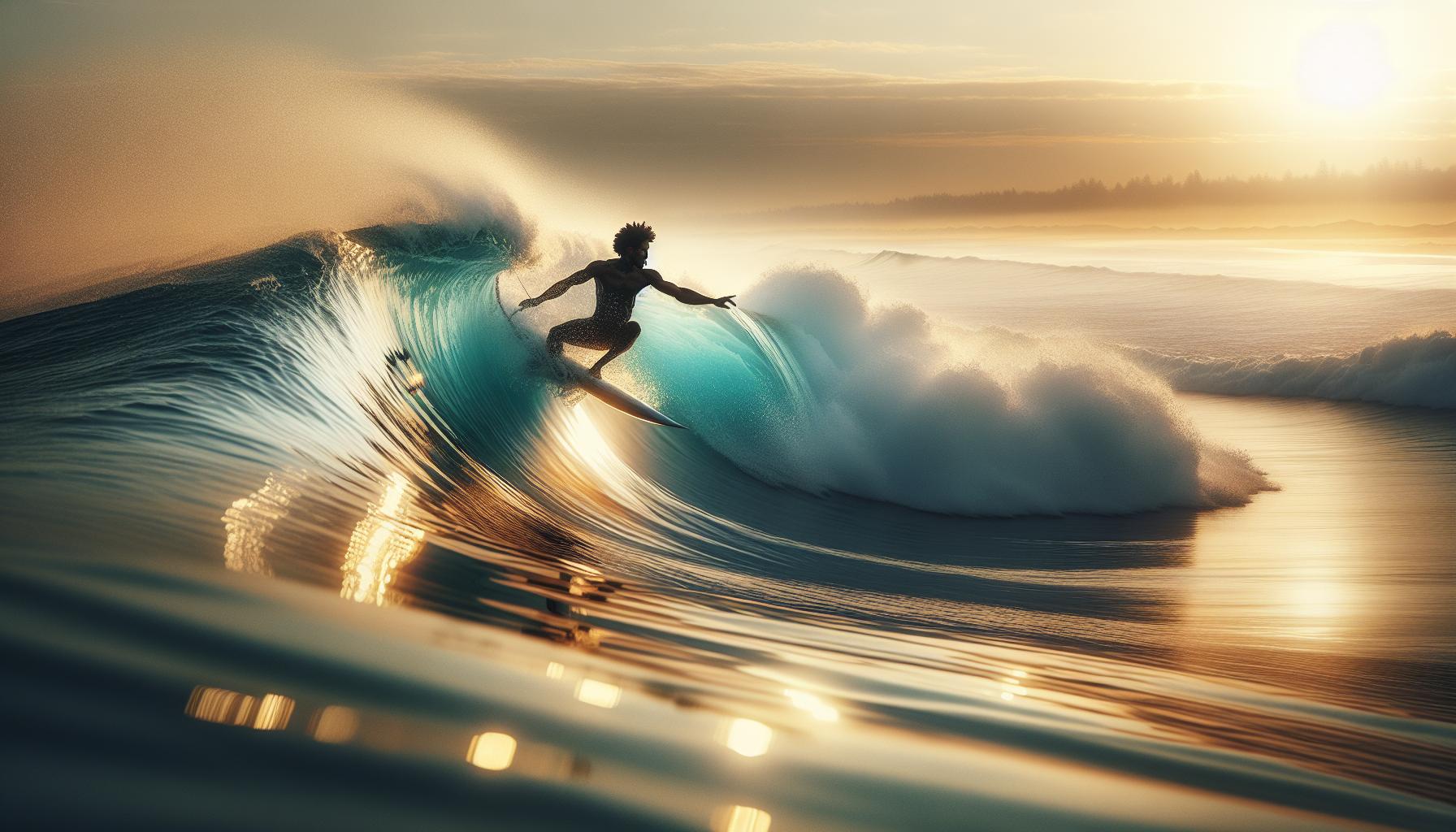
Epic Moments: Iconic Surfing Shots That Inspire
The dance between a surfer and the wave is nothing short of hypnotic, a beautiful clash of strength, skill, and nature that photographers have lovingly documented through the ages. Iconic surfing shots not only capture the thrill of the ride but also the intricate emotions that accompany each moment on the water. If you want to ignite your imagination and inspire your own photography journey, exploring these heart-stopping images can be a powerful catalyst.
When we think about legendary surf photography, names like Chris Burkard and Aaron Chang come to mind. These artists have immortalized perfect waves, showcasing the raw power and beauty of the ocean, framed against vibrant sunsets or stormy seas. Imagine the roar of a crashing wave as it curls, soaring high, casting a glittering spray. A surfer skillfully navigates this watery giant, capturing not just a ride, but a rush of adrenaline that you can almost feel through the lens. These moments are breathtaking, and they remind us of the unpredictable beauty of the ocean and the artistry involved in surfing itself.
So, what makes a surfing shot truly iconic? It often boils down to four key elements: timing, composition, light, and emotion. Consider the classic shot of a surfer hanging ten, silhouetted against a setting sun as the sky explodes in hues of orange and pink. This moment is not just visually stunning but also brimming with emotion-freedom, joy, and a connection to nature. Utilizing a low angle can add drama, making the wave feel even larger, while playfully adjusting your settings to capture the right light can turn an average shot into a masterpiece. Experimenting with different perspectives, such as water shots or aerial views, can also elevate your photography to new heights.
Ultimately, each iconic surf photograph tells a story, one that connects the viewer to the spirit of adventure and the sheer beauty of the ocean. As you seek to create your own epic moments, stay curious, embrace the unpredictability of the surf, and let your passion for both surfing and photography guide your lens. Reveal the stories hidden within the waves, whether you’re capturing a serene ride, an epic wipeout, or the camaraderie of surfers cheering one another on. The ocean is calling-are you ready to answer?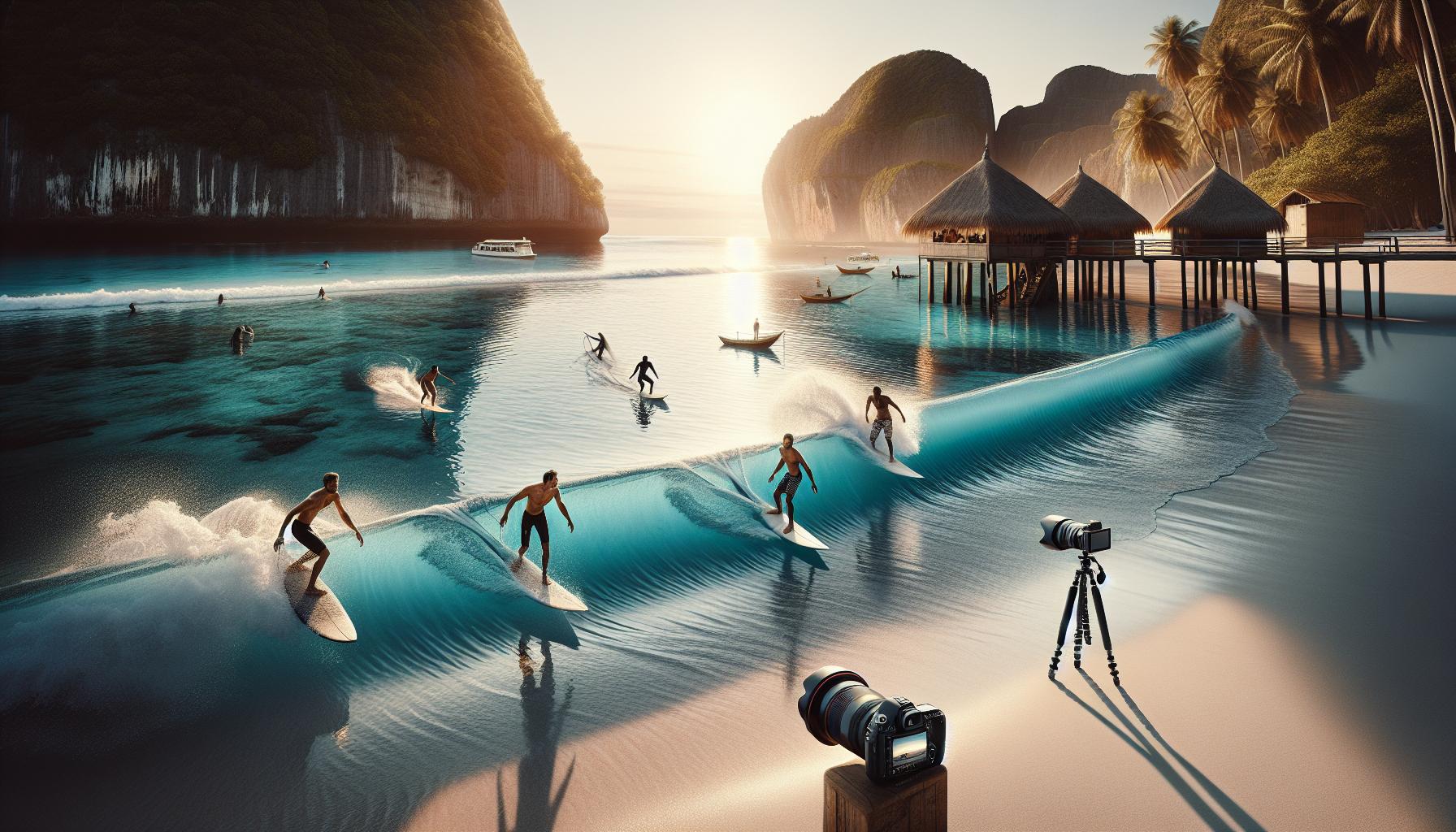
The Best Surfing Destinations for Stunning Photography
Imagine standing at the edge of a breathtaking coastline, the salty breeze tousling your hair as the relentless waves crash against the shore, creating an orchestra of sound that harmonizes with the vibrant colors of the sunset. This is the magic of surf photography – it’s not just about the waves or the surfers; it’s about the enchanting locations that serve as backdrops, transforming ordinary moments into extraordinary art.
To capture the very essence of surfing, consider venturing to iconic destinations renowned for their surf culture and stunning vistas. Hawaii’s North Shore is a Mecca for surf photographers; its legendary beaches like Waimea Bay and Pipeline provide dramatic waves that have been immortalized in countless photos. The mesmerizing sight of surfers riding monster swells against a backdrop of lush green mountains or fiery sunsets is enough to ignite your creative spirit. Not to mention, the vibrant, local surf culture presents a multitude of candid, story-rich moments just waiting to be captured.
Another prime destination is Jeffreys Bay in South Africa, famed for its long, fast right-hand point break. The combination of perfect waves and an expansive stretch of coastline creates sweeping landscapes that showcase the fluidity of both ocean and surfer. Here, the light changes rapidly throughout the day, creating endless opportunities for unique shots, whether you’re right on the water’s edge or perched high on the cliffs. It’s a place where seasoned pros and eager novices collide, offering a diverse palette of surfing styles that can inspire any photographer’s portfolio.
For those seeking a different vibe, Tahiti’s Teahupo’o offers some of the heaviest waves in the world, known for their beautiful but challenging barrels. Shooting here allows you to play with extreme conditions and capture the raw power of the ocean, all while surrounded by stunning tropical scenery that can turn any frame into a work of art. The vibrant turquoise waters against the dramatic backdrop of the island create an immersive experience that speaks to the heart of surf culture.
As you plan your next surf photography adventure, keep in mind that each destination brings its unique flavor, and understanding the local conditions can significantly enhance your shooting experience. Be aware of the tidal movements, the time of day for optimal lighting, and, most importantly, the community of surfers around you. Engage, chat, and connect; a great shot often arises from a moment shared. So pack your gear, embrace the spirit of adventure, and get ready to unleash your creativity against some of the most beautiful backdrops the world of surfing has to offer.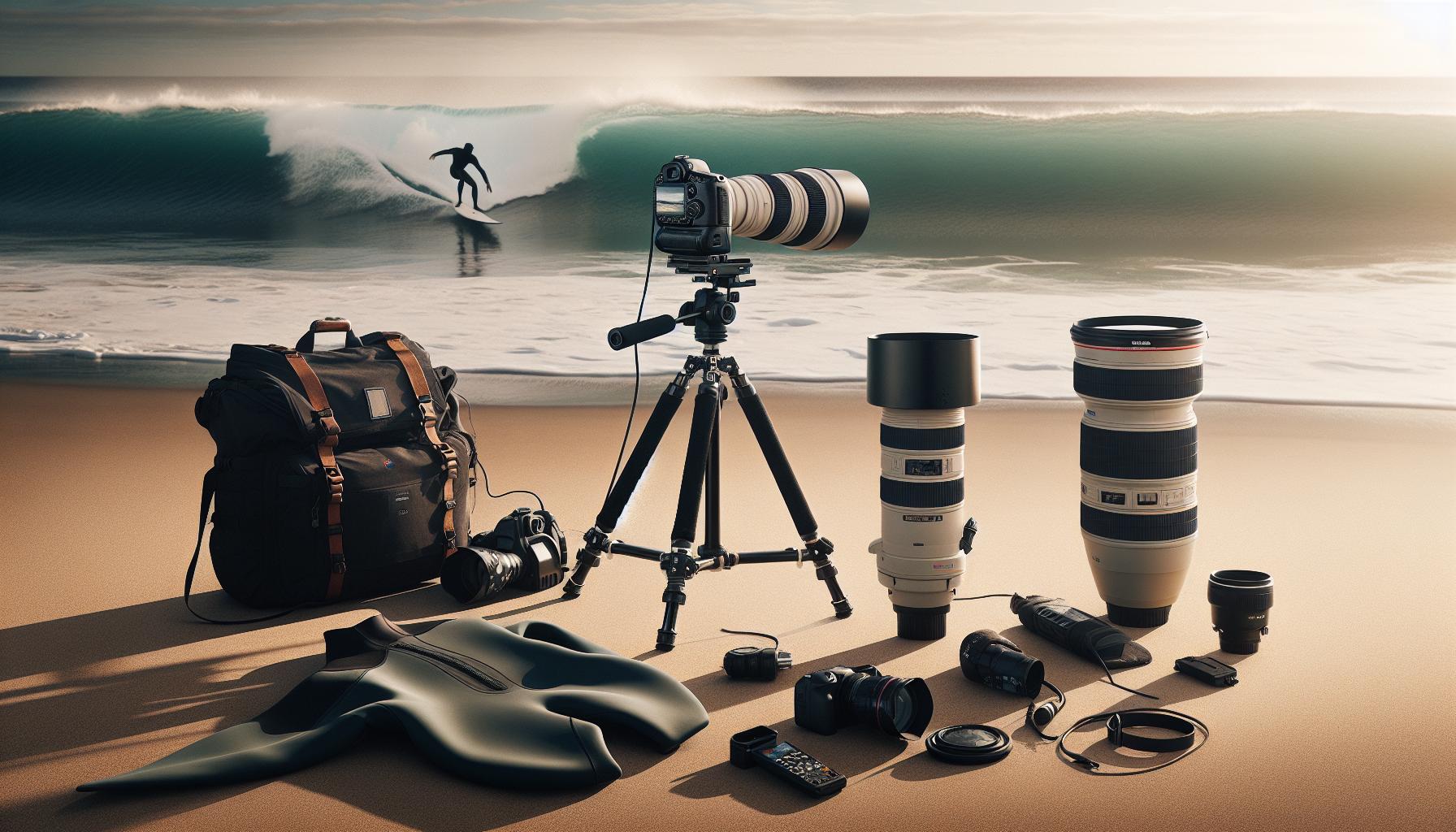
Gear Up: Essential Equipment for Surf Photography
Capturing the exhilarating essence of surfing demands more than just passion-it requires the right gear to freeze those epic moments in time. In the dynamic world of surf photography, where waves crash with a rhythmic intensity against the shore, having the proper equipment can make all the difference in translating the beauty of the ocean into stunning visuals. Whether you’re a seasoned pro or just starting out, let’s dive into the essentials that will elevate your surf photography game.
Camera Gear That Makes Waves
First and foremost, your camera choice will significantly impact your shots. A DSLR or mirrorless camera is typically favored for their versatility and image quality. Look for models that offer quick autofocus and high frames per second (FPS) capabilities to capture those split-second moments as surfers carve through waves. Lenses are equally crucial; an 18-200mm zoom lens provides flexibility for shooting both distant and close-up action. However, consider a wide-angle lens (like a 16-35mm) for capturing vast ocean landscapes, while a telephoto lens (like a 70-200mm) will help you zoom in on those incredible rides without losing detail.
For added versatility, invest in a waterproof housing or water-resistant camera, particularly if you plan to shoot from the water or during rough weather. These protective cases will safeguard your gear against the sea spray and unexpected splashes that are par for the course in surf settings.
Accessories to Enhance Your Experience
Along with your primary gear, certain accessories can enrich your shooting experience and ease some challenges. A sturdy tripod or monopod helps stabilize your shots, especially in conditions with unpredictable movements or if you’re perched on the beach for long periods. Lens filters, such as polarizers, can reduce glare on the water’s surface, improving color saturation and contrast in your images. Don’t forget about the importance of extra batteries and memory cards-the last thing you want is to run out of power just as the sun sets over a killer wave!
Lastly, consider packing a snorkel mask and fins if you’re venturing into the water-this gear allows you to get up close and personal with the action while maintaining fluid mobility. Trust me, there’s nothing quite like being in the water, camera in hand, as you capture surfers weaving through the glassy waves, the ocean swell glistening under the warm sun.
Each piece of equipment not only serves its purpose but collectively transforms your vision into breathtaking prints. As you gear up, remember: the best photography springs from a blend of creativity, the right tools, and an intimate understanding of your environment. Embrace the adventure, and let your storytelling shine through every click of the shutter!
Techniques to Capture the Perfect Wave
Every surfer knows the thrill of catching the perfect wave, but have you ever considered how that magic translates into photography? The key to capturing stunning surfing shots lies in understanding the wave dynamics, timing your shots, and being in the right position at the right moment. When you’re out there battling the elements, keep these techniques in mind to ensure you don’t just take photos – you create masterpieces.
One of the first steps to capturing that iconic wave shot is mastering your timing. You want to anticipate the moment just before the surfer hits the peak of the wave. This is often the most visually striking part of the ride, where the surfer is elevated and the water cascades dramatically behind them. Keep your eyes peeled for the moments of excitement: the spray of water, the surfer’s elegant movements, or the roar of the wave. When you see it coming, be ready to fire your shutter at the right moment – it’s all about being quick on the draw!
Positioning is equally crucial. Whether you’re shooting from the beach, the water, or a cliff, your angle can dramatically affect your images. If you’re in the water, try to find a spot where you can shoot the surfers head-on; this perspective is particularly powerful for documenting their interactions with the wave. When shooting from the beach, capturing low angles with the ocean as a backdrop often creates a dramatic sense of scale. To get the best effects from the sun, consider visiting during the golden hour when the light makes the water glow.
Remember to play with your settings. To freeze the action, use a fast shutter speed-around 1/1000 of a second is a good starting point. If you’re aiming to convey motion, you might want to slow it down just a tad to capture the details of the water’s movement. Experiment with different ISO settings as the light changes throughout the day, and consider using continuous autofocus for those erratic movements found in surfing.
With these techniques, you’ll be well on your way to snapping breathtaking shots that encapsulate the raw beauty and power of the ocean. The next time you’re out there shooting, let the rhythm of the waves guide you, trust your instincts, and immerse yourself in the incredible world of surf photography. Embrace the challenge, and remember: every wave captured is a moment forever frozen in time.
Editing Surf Photos: Tips for Stunning Visuals
Editing your surf photos can feel like a mystical journey, transforming raw images of sprawling waves and sun-kissed surfers into stunning visuals that tell a story. After spending hours in the water, capturing the dynamic beauty of surfing, the next exhilarating step is giving those images the finishing touch they deserve. Not only does editing enhance the visual appeal of your photography, but it also allows you to express your unique artistic vision. So, grab your favorite editing software, and let’s dive into the essential tips for perfecting your surf shots!
Make Colors Pop
One of the first things to address in post-production is color. The ocean offers a vibrant palette, from deep blues to crystal-clear aquamarines, often lit up by golden sunlight. Use tools to adjust the saturation and contrast, helping those colors leap off the screen. Experiment with sliders or presets, but don’t go overboard-something subtle can make a powerful difference. A touch of vibrance can bring out the natural hues without making them look artificial, keeping the authenticity of the surf culture intact.
Crop for Impact
Composition plays a critical role in photography, and sometimes, the best way to enhance your image is through thoughtful cropping. Remove any distracting elements in the background or the bits that detract from the surfer’s action. Aim to follow the rule of thirds to create a more balanced image. If a surfer is riding a wave, crop tightly to emphasize their form and the water’s dynamics, allowing viewers to be drawn into the thrilling moment. Remember, less can often be more in surf photography, focusing on the essence of the wave and the rider.
Mastering Light and Shadows
Balancing light and shadows can dramatically change the feel of a photo. Use the exposure and highlight sliders to ensure that bright areas aren’t washed out; likewise, shadows should reveal the intricate details of the wave and the surfer’s position. Experimenting with the shadows can also add depth and dimension to your shots, making the wave appear more sculptural, akin to a work of art. Playing with the clarity and sharpness can highlight water droplets and the surfer’s movements, freezing that exhilarating moment in time.
Final Flourishes
To wrap things up, don’t forget about adding your personal touch! Watermark your images subtly, so they remain linked to your identity as a photographer while safeguarding your creative work. Consider experimenting with black-and-white conversions; certain shots might evoke emotional responses that color alone can’t achieve. Finally, when you’re satisfied with your edits, save the file in high resolution and share it across your platforms-be it your portfolio, Instagram, or surf magazines. Each image you edit is not just a photo; it’s a reflection of your adventures, passion for the ocean, and love for surf culture. So, relish the process, and let your creativity shine as brightly as the sun on the sea!
Behind the Lens: Stories from Legendary Surf Photographers
Each iconic wave photograph tells a story that stretches far beyond the frame, often capturing not just the action, but the very essence of surf culture. Legendary surf photographers like Aaron Chang and Jeff Divine don’t just shoot images; they cultivate experiences that resonate with us all. They transport viewers into the heart of the ocean, where sun, salt, and spray dance in unison. Being behind the lens isn’t merely about technical skill; it’s about understanding the energy of the moment and being present in the chaos of the sea.
Take, for instance, Aaron Chang, who has spent decades perfecting his craft. His work often highlights the stunning beauty of waves as they curl and crash, emphasizing the emotional connection surfers have with the ocean. “I aim to capture that fleeting moment when the light hits just right, and the wave seems to come alive,” Chang says. His portfolio showcases images where vibrant colors meld into the crashing surf, inviting viewers to feel the rush of riding those waves. His advice? Always be patient and observant; sometimes the best shots come when you least expect them.
Another renowned figure, Jeff Divine, helped define surf photography in the 1970s. His candid captures of surfers and surf culture during that era bring nostalgic warmth, showcasing everything from gritty competition moments to intimate beach gatherings. “The moment you press the shutter, you’re sharing a slice of life that no one will ever see exactly the same way again,” says Divine. His approach underscores the importance of storytelling through images, encouraging photographers to think about the context surrounding their subjects rather than just the action.
Listening to these legends and their tales can be a source of inspiration, but their journeys also offer practical lessons. Here are some tips for aspiring surf photographers inspired by their experiences:
- Know Your Subject: Spend time in the water and observe how surfers interact with the waves.
- Embrace the Elements: Weather can change rapidly at sea; adapt your shooting style to capture its beauty.
- Experiment with Angles: Shoot from different perspectives to find unique compositions that tell a story.
- Be Ready for the Unexpected: Nature can be unpredictable; sometimes, the best shots come when things don’t go as planned.
Ultimately, the stories behind legendary surf photographs remind us that every picture encapsulates the thrill of the ride, but also the profound connection between surfers and the ocean. Whether you’re capturing the action or the serene beauty of the sea, remember that your perspective distinguishes your work. Embrace the spontaneity, own your unique vision, and let every click of the shutter tell a piece of your passionate narrative.
Social Media and Surfing: Sharing Your Best Shots
In the vibrant world of surfing, every photograph taken is a chance to share your journey, evoke emotions, and connect with fellow ocean lovers on social media. With countless platforms at your disposal-Instagram, Facebook, TikTok, and beyond-each offers a unique canvas for your stunning surf photography. The true magic happens when you combine your best shots with storytelling, allowing your followers to feel the rhythm of the waves and the thrill of the ride through your lens. Capturing the sunlight glinting off a perfect barrel or the raw excitement of a surfer dancing on the waves isn’t just about aesthetic; it’s about immersing your audience in the surfing lifestyle.
Crafting Captivating Captions: Don’t let your photos do all the talking! Pair each image with relatable anecdotes or inspirational quotes that echo your experience. For instance, when posting a breathtaking shot of a sunset surf, you might say, “Chasing the last light, where the ocean whispers secrets and the horizon promises adventures. 🌊✨ #SurfLife.” Such captions not only engage your audience but also offer a glimpse into the emotions that drive your passion for surfing and photography.
Engagement Strategies to Boost Your Reach
The success of your posts doesn’t solely hinge on the quality of your shots; it’s also about how you interact with your community. Use hashtags wisely-think #SurfPhotography, #OceanMoments, and #WaveChaser-to increase your visibility. Engage with other surfers and photographers by commenting on their posts and sharing insights. Joining online surfing communities or dedicated photography groups can also enhance your network and provide invaluable feedback.
Lastly, don’t shy away from utilizing stories or live sessions to share your journey in real time. Whether it’s scouting for the best surf spots or showcasing behind-the-scenes moments while you shoot, these slices of life foster a deeper connection with your audience. Treat your social media like a digital surf journal, where every wave ridden, every gnarly wipeout, and every stunning sunrise over the ocean becomes part of a bigger narrative.
Embracing the vibrant heartbeat of surf culture through social media not only showcases your art but also cultivates a shared community experience. The more you share-your victories, your challenges, and even your creative endeavors-the more your unique voice will resonate within the vast ocean of surf enthusiasts and photographers alike. So grab your camera, channel your inner surfer, and make waves-with your photography and your social presence!
Safety First: Navigating the Surf for Photographers
When venturing into the swell to capture stunning photography, the ocean is both a muse and a wild card. While you may be drawn to the thunderous roar of crashing waves and the breathtaking dance of surfers, it’s crucial to prioritize your safety among this exhilarating chaos. Understanding the nuances of surf conditions and recognizing potential hazards can mean the difference between a perfect shot and a perilous situation.
First and foremost, always check local surf reports before heading out. This includes not only wave height and swell direction but also the tides and wind conditions. Tides can dramatically alter beach access and wave dynamics, so knowing whether you’re on the high or low can significantly impact your photography choices. Be particularly cautious of strong rip currents, which can sweep even the strongest swimmers away from safety. If the current looks overwhelming, it’s best to take a step back, set up your equipment on dry land, and zoom in on the action from a distance.
Gear Safety and Maintenance
Your camera gear is your ticket to capturing those epic moments, but it often represents a hefty investment. To keep your equipment safe while you’re navigating the surf, consider a few essential strategies:
- Waterproof Your Gear: Investing in weatherproof camera bags and housing can save you tons of heartache. If you’re shooting from the water, use waterproof casings or housing that are specifically designed for surf photography.
- Strap It Down: In the excitement of shooting, it’s easy to forget to secure your gear. Use wrist straps or lanyards to prevent accidental drops or losses in the surf.
- Keep It Clean: Saltwater can wreak havoc on your equipment. Always rinse your gear with freshwater after a shoot and dry it thoroughly to avoid corrosion.
Remember, it’s not just the waves you need to watch out for. Be mindful of the other surfers around you. Maintain a respectful distance, using your camera to document rather than intrude. Understanding surf etiquette goes a long way; dropping in on someone’s wave can not only lead to a ruined shot but also create unnecessary tension in the lineup. So, while you’re focused on that perfect barrel shot, keep your head on a swivel. The ocean is a shared space filled with passionate individuals ready to catch their next epic ride-don’t become an accidental obstacle to their quest.
By staying informed about surf conditions, diligently caring for your equipment, and respecting your peers in the water, you’re setting the stage for a successful and safe adventure in surf photography. Embrace the beauty of the ocean with enthusiasm, and it won’t just be the waves you capture, but the stories they tell in each frame.
The Evolution of Surf Photography: From Film to Digital
The journey of surf photography is a radical ride through the waves of time, evolving dramatically from the grainy black-and-white images of the past to the vibrant, high-resolution captures we see today. In the early days, photographers battled with the limitations of film-waiting for the development process to reveal whether they’d even captured the perfect shot of a surfer gliding atop a wave. This physical waiting game fostered a sense of anticipation akin to catching a perfect swell, where every frame was precious and every click of the shutter held the promise of unfolding a story.
As we moved into the age of digital photography, the game changed completely. Instantaneous feedback transformed the craft into a more dynamic, experimentative process. No longer constrained by the need to develop film, photographers could shoot freely, adjusting their techniques on-the-fly to capture the most elusive moments. The ability to check compositions and exposures immediately allowed a new wave of photographers to hone their skills and push the boundaries of what was possible, capturing the beauty and intensity of surfing with a newfound intimacy. The trust in gear became less about the effort of the setup and more about the spontaneity of capturing a surfer in mid-air, the sunlight dancing off each droplet of ocean spray.
Technological advancements also led to the introduction of better autofocus systems and faster shutter speeds, which meant that even the most acrobatic maneuvers could be immortalized with stunning clarity. The rise of action cameras-think GoPros-on surfboards brought a thrilling new perspective to the sport, placing viewers literally in the water with the surfers, shredding waves alongside them. This immersive experience allowed for unique storytelling and a deeper connection to the ocean’s energy, appealing to both the surfing community and newcomers eager to experience the thrill from anywhere in the world.
Today, whether using high-end DSLRs or compact action cameras, street photographers and professionals alike embrace the ocean’s magic in their own style. The blend of traditional skills with modern technology continues to inspire new generations of photographers to chase waves-not just for the perfect image but for the stories behind them. Each click of the shutter becomes a testament to the enduring allure of surf culture, capturing the essence of adventure and the vibrant spirit of life on the coast.
Surf Culture Icons: Photographers Who Changed the Game
The world of surf photography has long been shaped by a passionate cadre of artists who daringly chase the waves, capturing the essence of surf culture through their lenses. Among these icons, few stand out more profoundly than the legendary Herbert Leibowitz, whose groundbreaking perspectives transformed how we perceive surf photography. Leibowitz was a master of engaging storytelling, using his camera to not just document surfing, but to portray the very soul of the ocean. His images often evoke the raw power of waves and the intimate dance between surfers and their environment, forever changing the narrative of surf imagery.
Another pioneer worth celebrating is Mickey Smith, a modern-day visionary whose breathtaking underwater shots and dramatic angles invite viewers to dive into the exhilarating world beneath the waves. Smith’s work, marked by an adventurous spirit, reflects the spontaneity and joy of surfing. His unique perspective is not only about surfing; it’s about the lifestyle, the friends, and the adventures that come with it. Through his lens, we’re reminded that each wave offers a new story, each surfer a new adventure, and every photograph encapsulates a fleeting moment of pure joy and freedom.
Equally influential is Clark Little, a surf photographer who specializes in capturing the awe-inspiring beauty of waves from inside the barrel. His images are nothing short of magical, as he filters the chaotic energy of the ocean into stunning stills that make you feel like you’re riding the crest of fearsome waves yourself. Little’s ability to maneuver through the surf with a camera in hand not only showcases his bravery but also his deep connection to the ocean-a bond that resonates with surfers and photography enthusiasts alike.
In a world where the ocean’s tales are told through vivid imagery, these photographers embody the spirit of surf culture. They inspire not just others with cameras, but also anyone seeking a connection with the sea. Their work serves as a beacon, guiding up-and-coming photographers to embrace the beauty of the moment, whether it’s the fierce exhilaration of a wipeout or the tranquil peace after the swell.
Emulate their courage by diving into your own surf photography journey. Equip yourself with a reliable camera, find the right surf spots, and most importantly, relish every moment in the saltwater haze. Remember, each shot tells a story-one that could inspire the next generation of wave-riders and photographers to chase their dreams.
Future Trends in Surf Photography: What to Look For
As the world of surf photography evolves, more anglers are casting their nets into the vibrant waters of creativity, led by changing technologies and shifting cultural tides. Drones represent one of the most exhilarating advancements in capturing surfing action. Imagine soaring above the waves, honing in on surfers gliding effortlessly while the ocean unfurls in breathtaking patterns below. Drones provide a perspective that was previously unattainable, allowing photographers to capture stunning shots of epic rides or wipeouts from unique angles that showcase the scale of nature’s magnificence. As drone technology continues to improve, expect to see sharper images and more dynamic videos that elevate surf storytelling to new heights.
Even as enthusiasts chase the perfect shot, social media continues to shape the landscape for surf photography. Platforms such as Instagram and TikTok not only influence trends but also provide a space for photographers to share works instantly with a global audience. This newfound immediacy brings a freshness to surf culture, with content creators being inspired by one another almost in real-time. While we’re all sharpening our skills, stay tuned for themes focused on sustainability and ocean conservation. As awareness surrounding environmental challenges grows, surf photographers are increasingly using their platforms to highlight these issues, capturing poignant images that drive conversations and inspire action.
Furthermore, AI is starting to slip into the photographer’s toolkit, assisting in editing, pattern recognition, and decision-making regarding composition and timing. With AI tools that can analyze images and suggest optimal edits or styles, photographers can streamline their workflows and enhance their storytelling without losing authenticity. This technology may pave the way for new visual styles and storytelling techniques that could transform how we perceive and feel about the ocean.
In embracing both tradition and innovation, future surf photography promises thrilling advancements. Experiment with your style and embrace new tools, whether it’s a drone flight above a swell or capturing surf scenes from the sand with cinematic flair. The ocean is your canvas; paint memorable moments, push creative boundaries, and ultimately inspire others to dive into your underwater world. The waves are calling-all that’s left is for you to answer!
Faq
Q: What are some tips for capturing stunning surfing photos?
A: To capture stunning surfing photos, use a fast shutter speed to freeze the action, shoot during golden hour for beautiful natural lighting, and experiment with different angles. Utilizing a telephoto lens can help you get closer to the surfers without invading their space, enhancing the energy of the shot.
Q: How can I find the best locations for surfing photography?
A: The best locations for surfing photography are often popular surf spots like Jeffrey’s Bay in South Africa or Pipeline in Hawaii. Research surf conditions, access points, and local surf culture through online forums and surf reports to discover hidden gems that offer breathtaking wave action.
Q: Why is editing important for surf photography?
A: Editing is crucial in surf photography to enhance colors, contrast, and details, making the waves pop. Use software like Lightroom or Photoshop to adjust exposure and remove distractions. Effective editing helps convey the drama and energy of surfing, creating standout images for your portfolio.
Q: What gear is essential for surf photography?
A: Essential gear for surf photography includes a DSLR or mirrorless camera, a weather-sealed lens, and a sturdy tripod. A polarizing filter can reduce glare off the water, while waterproof housing protects your equipment in challenging conditions. Check “Gear Up” section for more comprehensive advice.
Q: How do I choose the right camera settings for surf photography?
A: Choose a fast shutter speed (1/1000s or faster) to freeze motion, a wide aperture (f/4 or lower) for a shallow depth of field, and adjust ISO based on light conditions. Experimenting is key-practice during different times of day to find what works best for capturing iconic wave moments.
Q: When is the best time to photograph surfers?
A: The best time to photograph surfers is during early morning or late afternoon when the light is soft and warm. Additionally, surf conditions vary; researching swell forecasts can help you be at the right place when the waves are most spectacular, maximizing your chances of capturing epic shots.
Q: How can I get my surf photos noticed on social media?
A: To get noticed on social media, use relevant hashtags like #SurfPhotography and engage with the surf community by commenting on and sharing their posts. Consistently posting high-quality images and participating in photo contests can also increase your visibility and followers over time.
Q: What common mistakes should I avoid in surf photography?
A: Common mistakes in surf photography include not anticipating the action, using the wrong settings for lighting conditions, and failing to focus on the subject. Always scout your location beforehand, plan your shots, and practice keeping the subject sharp in motion to avoid disappointing results.
Feel free to dive deeper into our article sections for more tips and inspiration on capturing the perfect surfing shot!
The Way Forward
As you ride the waves of inspiration from our “Best Surfing Pictures: Iconic Wave Photography,” don’t let the adventure stop here! Dive deeper into the ocean of knowledge with our guides on surfing tips and exploring iconic surf spots. Remember, each snapshot captures not just a moment but the essence of surf culture-revel in the tide’s roar and the feel of salt on your skin.
Now’s the time to grab your board, soak in the surf, and perhaps even share your favorite surfing moments in the comments below. Your next epic wave awaits! And if you’re eager to elevate your surfing game or capture stunning shots like these, check out our gear reviews for top-notch recommendations. Explore, engage, and let the waves carry you further!