
Did you know that surfing’s roots trace back to ancient Polynesia, with its vibrant culture celebrating the rhythm of the waves? “When Did Surfing Start: Historical Timeline of Wave Riding” invites you on an adventurous journey through the fascinating evolution of this beloved sport. Whether you’re a seasoned pro or just daydreaming about catching your first wave, understanding the rich history behind surfing enhances your appreciation for each ride. From the early days of wave riders to the iconic surf culture that ignites passion around the globe, this timeline sheds light on the stories, innovations, and heroes that have shaped surfing into what it is today. Grab your board and dive in-there’s a world of inspiration waiting to be discovered in the ebb and flow of surfing history!
When Surfing Began: Uncovering Ancient Origins
The essence of surfing is as ancient as the waves themselves, with its roots steeped in the vibrant cultures of the Polynesian islands. Picture this: long before the first European settlers set foot on the shores of Hawaii, Polynesians were already riding the swells, transforming the ocean into their playground. The practice, known as he’enalu in Hawaiian, was more than just a sport; it was a ritual embedded in their spiritual and communal life. The wooden boards they carved from native trees weren’t merely tools for wave riding; they were extensions of themselves, decorated with symbolic carvings that represented their identity and beliefs.
As the sun set on the horizon, turning the waves into shimmering arcs of gold, these early surfers would paddle out, the salty air filling their lungs, synchronized with the mesmerizing rhythm of the ocean. The sound of crashing waves mingled with laughter and the chants of their ancestors, creating a symphony that echoed through the islands. Surfing became a measure of social status, skill, and respect, shaping the community’s dynamics and celebrating their connection to the sea.
By the late 19th century, surfing began its journey beyond the islands, thanks to the efforts of pioneers like Duke Kahanamoku, who took this ancient art to the mainland U.S. and beyond. The thrill of catching a wave soon spread from Hawaii to California, igniting a cultural revolution. Beaches transformed into bustling hubs of activity, where newcomers took to the water, inspired by the grace and skill of the islanders. This early cross-pollination marked the beginning of surfing’s evolution from spiritual practice to a beloved global phenomenon, paving the way for the diverse surfing culture we know today.
So, next time you wax your board and paddle out, remember: you are a part of a timeless tradition, riding the same waves that carried ancient surfers into their own histories, a vibrant thread in the tapestry woven by centuries of wave riding and oceanic adventure.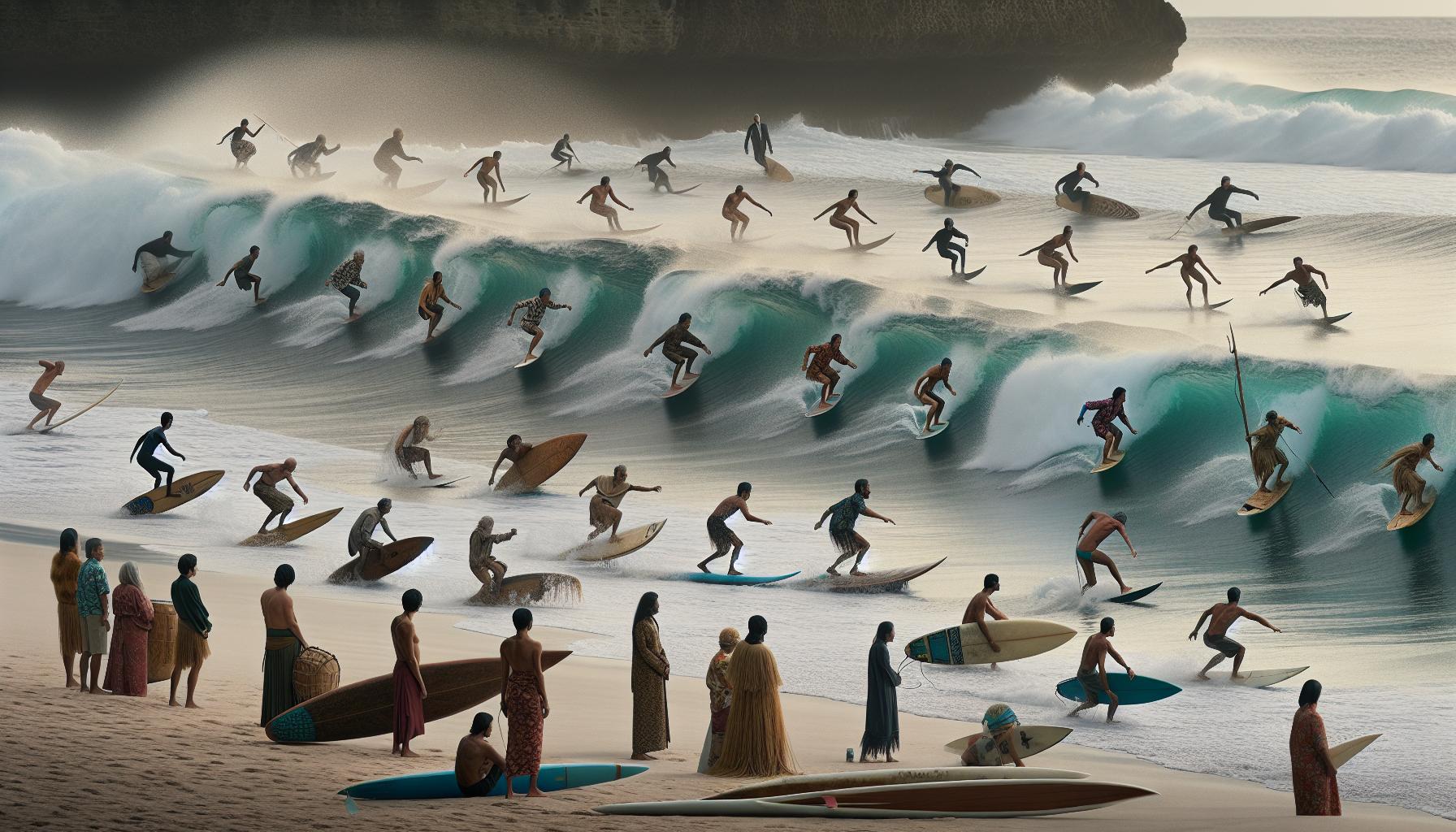
The Evolution of Wave Riding Through Cultures
The thrill of riding a wave is an ancient practice that transcends borders and generations, with cultural influences weaving through its evolution like the ever-changing tides. Surfing, initially a sacred ritual among Polynesian communities, expanded far beyond these roots as it brushed against the shores of numerous cultures around the globe. This evolution reflects not only the technical advancements in wave riding but also a rich tapestry of social connections, community identities, and spiritual practices that have been celebrated across epochs.
Exploring the earliest forms of wave riding, one can trace various cultural expressions from Polynesia to the rugged coastlines of South America and beyond. In Peru, fishermen used rudimentary boards to ride waves, enabling them to access their catch more efficiently, revealing that surfing has always been as practical as it has been pleasurable. The Incas, known for their engineering prowess, fashioned perfected wooden surfboards, allowing them to glide over the ocean’s surface-a testament to human ingenuity in harmony with nature. Even today, these ancient practices resonate in contemporary wave riding, reminding us of the deep connection between humans and the ocean.
As surfing spread and transformed, each culture adding its unique flair, the visual kaleidoscope of riding styles began to flourish. The golden beaches of California saw this ancient Polynesian art take on a new life in the 20th century, particularly with the rise of surf culture in the 1960s and 70s. Surfing in California morphed into a vibrant counterculture movement; surfboards evolved from heavy wooden planks to lighter, more agile fiberglass shapes designed for performance and tricks. Cultural icons like the Beach Boys immortalized the spirit of fun, sun, and the surf lifestyle in their music, portraying a sense of freedom that resonated deeply with youth and the burgeoning surf scene.
Across continents, surf culture adapted, integrating local traditions and styles-consider the colorful surf shacks on the beaches of Australia, where surfers gather to share stories and laughter, or the intricate rituals of wave riding in Fiji, where respect for the ocean is paramount. This global exchange of ideas and practices not only enriched the sport but also fostered a sense of community among surfers united by their love of the waves. Each dive into the water, each paddle out, is not just an individual experience but a collective connection to a historical narrative that binds us to the ocean and each other, echoing the chants of those ancient Polynesian surfers who first danced with the waves.
Feel the sun kissing your skin as you ride that perfect wave, and remember that you are part of a vast, interconnected heritage-a testament to the timeless allure of the ocean and the cultures that celebrate its beauty.
Key Milestones in Surfing History
The journey of surfing is as captivating as riding a wave itself, dotted with pivotal moments that have shaped its identity over centuries. One of the earliest recorded instances dates back to the Polynesian islands, where surfing was more than just a sport; it was a vital part of the culture, woven into the spiritual and social fabric of life. In these vibrant communities, kings and commoners alike took to the waves, showcasing not only their wave-riding prowess but also reinforcing social bonds and traditions through this shared experience. This ancient practice left a lasting impact, reverberating through cultures, giving birth to nudging innovations and evolving styling in wave riding.
As history flowed forward, the arrival of European explorers marked a significant turning point in the timeline of surfing. In the 16th century, Spanish and Portuguese accounts began to emerge, capturing the imaginations of those far from the sandy shores of Polynesia. Yet, it wasn’t until the late 1800s that surfing began its journey to popular culture on a global scale, sparked by figures like Duke Kahanamoku, who traveled the world, introducing this thrilling sport to eager audiences. This hawaiian ambassador of surfing not only showcased the art of wave riding but also became an enduring icon, ensuring that the culture would not only flourish in Hawaii but seep into the consciousness of surfers worldwide.
The mid-20th century marked another sea change for the sport-surfing exploded into a full-fledged movement, fueled by innovations in board design and cultural shifts in the 1960s and 70s. The introduction of lighter, fiberglass surfboards transitioned the sport from heavy wooden planks, which hindered agility, to sleek designs that allowed for maneuverability and tricks. It was during this period that surf music, led by bands like The Beach Boys, captured the spirit of free-spirited youth, intertwining a lifestyle of sun, surf, and a touch of rebellion into the American mainstream. Beaches became grounds for community gatherings, competitions blossomed, and the iconic surf culture was born, characterized by its music, fashion, and boundless energy.
Moving into the 21st century, surfing continued to evolve with technological advancements making waves in gear and training methodologies. The rise of competitive surfing introduced structured events like the World Surf League, while digital platforms fostered global communities, connecting surfers across continents. Today, we see a blend of traditional respect for the ocean with modern innovations, such as eco-friendly surfboards, capturing the essence of sustainability in surfing culture. As we ride the crest of this exciting wave of history, we celebrate not just the sport but the interconnected community of surfers, old and new, as they continue their vibrant dance with the ocean, making history with every ride.
Famous Surfing Locations: From Polynesia to California
From the breathtaking shores of Polynesia to the iconic beaches of California, the world of surfing is a tapestry woven with unique locations, each contributing its own flavor to the culture and practice of wave riding. It’s hard not to be captivated by the glistening waves that kiss the golden sands of these surfing havens, places that have not only shaped individual surfer experiences but have also cradled the historical evolution of the sport itself.
Hawaii, often referred to as the birthplace of surfing, is where the spirit of wave riding bubbled over into a cultural phenomenon. Iconic spots like Waikiki, with its gentle, rolling waves, attract beginners eager to experience the joy of standing on a surfboard for the first time amidst the breathtaking backdrop of Diamond Head. For the more adventurous, the North Shore beckons, boasting legendary waves at spots like Pipeline and Waimea Bay, where surfers from around the globe gather to tackle some of the most challenging surf conditions known. These coasts are alive with the electric energy of surf competitions, the roar of the ocean, and the laughter of those sharing in the joy of riding waves.
As surfing journeyed beyond the Pacific, California emerged as a key player in the sport’s evolution and popularization. The beaches of Malibu, known for their smooth, mellow waves, were where surfers started to define style and technique, becoming an emblem of the laid-back California lifestyle. Places like Huntington Beach, nicknamed “Surf City USA,” resonates with the cheers and excitement of vibrant surf festivals, creating an atmosphere where enthusiasts of all ages come together to celebrate their love for the ocean. Santa Cruz is another gem in this surfing treasure chest, where the captivating sound of waves crashing against the cliffs mingles with the thrill of the local surf scene, producing a rich tapestry of surf culture that’s both historical and enduring.
In every swell and curl, these famous surfing locations represent a lineage of tradition, resilience, and fierce passion. Whether you’re lounging on the beach, feeling the salt spray on your skin, or paddling out to catch your first wave, you’re partaking in a global story that began centuries ago in the warm waters of Polynesia and has swelled into a culture that celebrates freedom, creativity, and community. The journey through these surf locations reveals not only the changing tides of surfing techniques and styles but also the undying spirit of adventure that continues to inspire new generations of wave riders.
As you gear up to ride these waves, remember that each beach has its own personality and flow. Pay close attention to local surf reports, etiquette, and conditions to ensure a safe and enjoyable surfing experience. Embrace the adventure and dive into the deep-rooted traditions of these iconic surfing locales!
The Birth of Modern Surfing: The 20th Century Revolution
The roaring waves and salty air of the early 20th century were not just a natural backdrop but the catalyst for the explosive evolution of surfing as we know it today. This vibrant era saw surfing transform from a culturally rich Polynesian tradition into a global phenomenon fueled by the onset of modern technology and cultural shifts. In Hawaii’s sun-drenched shores, surfing thrived as locals crafted their longboards and showcased their skills at legendary spots like Waikiki, drawing watchful eyes from curious tourists and surf enthusiasts alike.
As the 1900s progressed, surfing was awakening not only in Hawaii but also on the Californian coast, where the golden beaches became the melting pot for new surf culture. With each swell and crash of the ocean, surfers like George Freeth and Duke Kahanamoku became household names. Kahanamoku, known as the “father of modern surfing,” helped to popularize the sport across the United States through his exhibitions and charismatic personality. Imagine crowds gathering to witness this Hawaiian sensation ride the waves with a grace that seemed almost otherworldly, inspiring an entire generation to seek out the thrill of riding the ocean’s fury.
The birth of modern surfing gear was just as revolutionary as the sport itself. The introduction of lighter, more maneuverable boards made from balsa wood, and later foam, revolutionized the way surfers could ride. Gone were the cumbersome redwood boards; surfers now had the tools to perform aerial tricks and radical maneuvers, pushing the boundaries of what was possible on a wave. The progression was marked by the introduction of the wetsuit, which allowed surfers to extend their sessions in colder waters without sacrificing comfort. Suddenly, surf culture was not just about catching waves but also about fashion, lifestyle, and community, sparking a wave of creativity in art, music, and even film.
The cultural landscape shifted dramatically with the 1959 release of the film “Gidget,” showcasing surfing’s allure and lifestyle to a mainstream audience. People flocked to the beaches, eager to embody the carefree spirit of the surfers portrayed on screen. Surfing competitions began to dot the calendar, notably the first organized surf contest at Malibu in 1955, fostering a competitive edge while nurturing camaraderie among the surf community. Every competition was filled with thunderous applause as riders carved through waves, an echo of the spirit of adventure that now resonated beyond Hawaii and California, reaching surfers in every corner of the globe.
As you embark on your own surfing adventure, remember that you’re part of a rich tapestry woven with history, innovation, and a sense of community. Every wave you ride connects you to the legends who pioneered this exhilarating sport. So grab your board, embrace the ocean’s rhythm, and ride your way into the continuing saga of surfing!
Iconic Surf Legends That Shaped the Sport
The world of surfing is not just defined by its breathtaking waves but also by the larger-than-life legends that have shaped its very soul. Think of Duke Kahanamoku, often hailed as the “father of modern surfing.” This Hawaiian icon wasn’t just a phenomenal athlete; he was also an ambassador for the sport, introducing it to crowds worldwide. His smooth style and incredible skills captured the imagination of many, paving the way for surfing to transition from a local pastime in Hawaii to a global phenomenon. Imagine the roar of the ocean as he gracefully carved through the swells, embodying the spirit of aloha with every ride.
Another luminary who left an indelible mark on surf culture is Kelly Slater. With an impressive record of 11 World Surf League titles, Slater revolutionized the competitive aspect of the sport. His innovative techniques and dedication to pushing boundaries transformed how surfing was perceived-what was once a leisurely, laid-back activity became a serious sport filled with thrilling competitions and fierce rivalries. Slater’s presence on waves around the world has inspired countless surfers, and his career is a testament to the evolving nature of the sport. Each of his runs feels like poetry in motion, reminding us all that surfing is not just about catching a wave but about artistry and expression.
Beyond these titans, there’s the vibrant duo of Laird Hamilton and Gabrielle Reece, who fused their athletic worlds. Together, they championed big wave surfing and introduced tow-in surfing, which opened the door to riding massive swells previously deemed unmanageable. Picture the adrenaline rush as they tackle monstrous waves, a combination of guts, technique, and the thrill of the unknown. Their adventures not only captivated audiences but also encouraged surfers everywhere to embrace the challenge of the ocean’s power.
Surfing, because of its legends, isn’t merely what happens on the water; it’s also an experience woven into the fabric of culture and community. So when you paddle out, take a moment to connect with the story-not just your own, but that of every surfer who has ever faced the ocean. Each wave is a continuation of a narrative that spans centuries, linking you with the past and transforming your journey into one of excitement and adventure. Grab your board, ride the momentum, and know that you’re part of a legacy that breathes life into every surf outing.
Surfing Gear Through the Ages: A Historical Overview
Throughout centuries, the evolution of surfing gear has mirrored both technological advances and the changing culture surrounding this beloved sport. From the heavy wooden boards of ancient Polynesia to today’s lightweight and high-performance shortboards, the tools of the trade have transformed remarkably, each era contributing to the rich tapestry of wave riding history. Imagine the sound of waves crashing against solid wood as early surfers paddled out into the oceans, armed only with their handcrafted boards carved from local trees. These early wave riders embraced the ocean’s power with primitive gear that reflected their intimate connection with nature.
As the sport grew in popularity, so did innovation. The introduction of fiberglass in the 1950s marked a revolutionary shift, allowing for lighter and more durable boards. Suddenly, surfers could catch more waves with less effort, gliding effortlessly across swells that once seemed insurmountable. This era birthed iconic surfboards like the “longboard,” which offered stability and a smooth ride, perfect for noserides and leisurely days under the sun. And who could forget the vibrant, artistic designs adorning these boards, each one telling a story and reflecting the surfer’s personality and style? It was more than just a surfboard; it was a canvas for self-expression.
The Gear That Defined Surfing Eras
With each new decade came advancements that further defined the sport. By the 1980s, shortboards dominated, changing the way surfers approached the waves. These designs provided agility and allowed for radical maneuvers, ushering in a new era of competition. The combination of lighter materials and innovative shapes birthed styles that splashed across magazines and screens, igniting a surf craze that reached far beyond the coasts. This period also heralded the dawn of appropriate surfing attire, as board shorts, wetsuits, and surf-specific footwear became standard fare on the beach.
Wetsuits revolutionized cold-water surfing, offering warmth and protection, allowing surfers to extend their seasons and explore more diverse locations. The inclusion of stretching neoprene blended function with fashion, creating a cult-like following for brands that crafted these essential pieces of gear. Today’s wetsuits continue to evolve, boasting advanced materials that provide even better insulation, flexibility, and buoyancy, equipping surfers to tackle epic waves in the harshest conditions.
Current Innovations: Merging Tradition with Cutting-Edge Technology
The modern era is defined by a fascinating blend of nostalgia and high-tech innovation. Surfboards are now designed with CNC machines and tested in wave pools to optimize performance. The rise of sustainable materials reflects an increasing awareness of environmental impact, ensuring that the sport honors the very oceans we cherish. Striking a balance between tradition and modernity, surfers today can join the ranks of historical wave riders while utilizing cutting-edge advancements to enhance their experience.
As you step onto the sandy shores, equipped with your modern gear, know that you are part of a legacy that spans centuries. Each piece of equipment tells a story of exploration, creativity, and the relentless pursuit of the perfect wave. So whether you’re a seasoned pro or a beginner finding your balance, remember to embrace the journey – diving into the ocean, with the thrill of catching that first wave, connects you to generations of surfers who have come before you.
The Impact of Surf Culture on Society
The vibrant dance between surf culture and society has transformed how we perceive leisure, community, and environmental stewardship. Surfing isn’t merely a sport-it’s a way of life, deeply woven into the fabric of global subcultures since its ancient Polynesian roots. As surfers gather on sun-kissed beaches, the essence of camaraderie fills the salty air; it’s a melting pot of diverse backgrounds bonded by a shared passion for the ocean’s exhilarating waves. This communal spirit fosters inclusivity, welcoming everyone-from beach bums to elite athletes-into a family that celebrates the joy of riding the tide.
In modern society, this culture has burgeoned beyond the waves. Surfing’s influence is evident in fashion, music, and even art, as brands like Quiksilver and Billabong morph into lifestyle icons. Picture this: a sun-drenched music festival, with the sounds of surf rock echoing across the shoreline, where flip-flops and board shorts reign supreme. The aesthetic isn’t just about style; it speaks to a laid-back attitude that prioritizes freedom and adventure. Beyond trendy clothes, there’s a rising awareness-surf culture has taken up the mantle of environmental advocacy. Surfers, who share a deep connection with the ocean, are often at the forefront of ocean conservation efforts, championing movements against plastic pollution and climate change. The phrase “Leave only footprints, take only memories” echoes in many surf circles, emphasizing the need to respect and protect the natural wonders that fuel our adventurous spirits.
Moreover, the surf culture has led to a redefined relationship with nature, where balance between human activity and environmental care is essential. Community-driven beach clean-ups and sustainable surfboard production initiatives are increasingly common, showcasing a commitment to preserving the ocean for future generations. Recognizing that the wind, waves, and wildlife beckon us to coexist harmoniously encourages a lifestyle focused on sustainability. When surfers step onto their boards, they aren’t just catching waves; they carry the hopes of a brighter, cleaner future, advocating for the very waters that nourish our souls.
Ultimately, is akin to the ebb and flow of the tides-a dynamic force shaping our values, lifestyles, and connections with each other and the environment. So, as you paddle out into the surf, remember that you’re part of a centuries-old lineage, carving your own path in the ongoing epic of wave riding, community, and respect for nature. Each wave you ride is a reminder that adventure awaits, with the ocean’s rhythm guiding us to embrace life’s endless possibilities.
Modern Innovations: Technology Meets Tradition
The evolution of surfing embodies a stunning mix of tradition and cutting-edge technology, crafting a continual dialogue between the ancient art of wave riding and modern innovation. Did you know that the first surfboards used by Polynesians were made from heavy, solid wood, weighing up to 200 pounds? Fast forward to today, where surfers now glide over waves on boards that are not only lightweight but also constructed from high-tech materials like epoxy and carbon fiber. This shift has dramatically changed the dynamics of surfing, enabling enthusiasts-regardless of skill level-to ride waves with increased speed, agility, and control.
The Intersection of Tradition and Technology
One of the grandest innovations in recent surfing history is the development of performance-enhancing surfboards. Manufacturers have revolutionized board shapes and materials, employing computer-aided design (CAD) to fine-tune each curve and contour for optimal wave riding. These boards are designed to suit various conditions and surfing styles, allowing you to venture from gentle rolling waves to gnarly surf with confidence. The use of eco-friendly materials, such as recycled plastics and plant-based resins, merges sustainability with performance, reflecting the surf community’s growing commitment to preserving oceanic environments.
Moreover, the introduction of smart technology has begun to infiltrate surf culture. For instance, surfboard manufacturers have started integrating sensors into boards, providing surfers with real-time feedback on their speed, turn angles, and even wave height. Imagine catching a wave and later analyzing your performance through a mobile app! This blend of technology and tradition not only fuels the progression of skills but also enriches the overall surfing experience, turning each outing into a fun lesson in personal growth and oceanic mastery.
Adventure with Added Insights
Beyond gear, innovations in surfing education have modernized the learning process. With online surf schools and video tutorials, aspiring surfers can absorb techniques and tips from seasoned pros before even stepping into the water. Surf coaches now utilize drones to capture aerial footage, giving riders a unique perspective on their form and technique. This immersive approach has transformed the journey of learning how to ride waves into an exciting adventure filled with insights.
As we charge into the future of surfing, it’s clear that the partnership between tradition and technology will keep evolving, compelling us to experience the ocean in fresh, exhilarating ways. Whether you’re a beginner trying to find your balance or a pro hunting down the thrill of your next big wave, remember that innovation is an essential companion on this timeless journey of riding the tides. Embrace the spirit of adventure, and let the ocean guide you through the blend of heritage and modernity that surfing uniquely offers.
Surfing Events That Made History
As you paddle out into the shimmering blue waves, have you ever considered how historical surfing events have shaped the sport we love today? From thrilling competitions to groundbreaking moments on the world stage, these events have left an indelible mark on surfing culture and the water’s edge. Throughout surfing history, numerous contests have not only showcased raw talent but also introduced groundbreaking rules that propelled the sport into the spotlight, transforming casual riding into a professional spectacle celebrated around the globe.
One watershed moment arrived in the 1970s with the launch of the professional surf tour, birthing events like the World Surf League (WSL) tour we know today. This was a game changer, as it allowed surfers to make a living doing what they love. The surfing scene thrived, leading to the rise of iconic contests held in legendary locations, such as the Banzai Pipeline in Hawaii, where roiling waves challenge even the most seasoned competitors. The annual Pipeline Masters became a hallmark event, drawing the best surfers from around the globe to test their skills against nature’s mightiest rollers.
Another pivotal moment came in 1985 when the U.S. Open of Surfing introduced a festival atmosphere, complete with live music and beach activities, revolutionizing how surf contests were perceived. This open format not only encouraged more participation from surfers of varying skills but also engaged audiences beyond the hardcore surfing community. The event’s blend of lifestyle, culture, and sport fostered an inclusive environment that invites everyone to celebrate the rush of catching waves.
These events mark just a few of the significant milestones that have propelled surfing into a thrilling professional arena. Today, as you ride the waves, you stand on the shoulders of giants, echoing the passion and perseverance of those who came before you. Whether you’re just beginning your journey on a soft-top board or charging the waves on a high-performance shortboard, remember that each swell carries the legacy of countless surf legends and iconic moments. So next time you wax your board, think of the rich tapestry of contests that have paved the way for your adventure in the ocean.
The Future of Surfing: Trends and Emerging Styles
As the sun begins to dip below the horizon, painting the sky in hues of orange and pink, the surf community stands on the cusp of an exhilarating new era. While the roots of surfing plunge deep into ancient Polynesian culture, the future dances on the horizon like a perfect wave, full of exciting trends and emerging styles just waiting to be explored. The fusion of traditional techniques with cutting-edge technology is not just enhancing the sport; it’s redefining it. Those who embrace these evolutions will find themselves part of an ever-changing narrative that bridges generations and cultures.
Innovative Wave Riding Techniques
Imagine gliding over the surface of artificial waves that mimic nature’s finest swells, thanks to advancements in artificial wave technology. These state-of-the-art facilities are popping up around the globe, offering surfers of all skill levels a chance to experience the thrill of riding perfect waves every day. From the Surf Ranch in California to upcoming venues in Europe and Australia, enthusiasts can now hone their skills in controlled environments, making the sport more accessible and less reliant on seasonal changes. Furthermore, these venues often host competitions that foster community spirit and showcase emerging talent, ensuring a dynamic future for the sport.
Yet, it’s not just about the waves-innovations in gear are revolutionizing how surfers connect with the ocean. Smart surfboards and wearable tech are on the rise, enabling athletes to track their performance metrics in real-time. These devices, with features like GPS analytics and wave count, empower surfers to optimize their technique and cherish every ride. The combination of traditional riding styles with data-driven approaches promises to push personal limits and elevate the overall experience. So whether you’re a grom learning your first cutback or a seasoned pro chasing after the next big wave, having the right tools can enhance your ride immeasurably.
Eco-Conscious Riding
In tandem with these technological advancements, a growing mindfulness regarding environmental sustainability is shaping the future of surfing. Surf culture has always revered the ocean, and now, more surfers are stepping up to protect it. Eco-conscious materials, like sustainable woods and recycled plastics, are gaining traction in board production, presenting a fantastic opportunity for surfers to make a positive impact on the environment while still enjoying their passion. Joining communal beach clean-ups and advocating for ocean conservation is not just a trend; it’s a movement that encourages surfers to give back to the waves that provide so much joy.
As we look to the future, don’t just catch the wave-be part of the swell! Experimenting with new gear, techniques, or eco-friendly practices isn’t just for the elite; it’s an invitation to everyone eager to make waves. Each surf session could be an exploration into what’s possible-who knows what the next breakthrough could be? Embrace the adventure and ride the wave of progress, knowing that you’re not only part of the future of surfing but of a culture that celebrates innovation and inclusivity.
FAQ
Q: What are the earliest known forms of surfing?
A: The earliest known forms of surfing date back to ancient Polynesia, particularly around 2000 BC. Ancient Hawaiians refined the sport, using wooden boards to ride waves, creating a rich surfing culture that would influence future generations.
Q: How has surfing changed throughout history?
A: Surfing has evolved significantly, from ancient wave riding in Polynesia to the modern sport we know today. Key changes include the development of lighter materials for surfboards in the mid-20th century, which allowed for new techniques and styles. Explore more in “The Evolution of Wave Riding Through Cultures.”
Q: Who were the pioneers of modern surfing?
A: The pioneers of modern surfing include figures like Duke Kahanamoku, who popularized the sport in the early 20th century and brought surfing to mainland America. His influence helped shape the surfing culture we cherish today. Check out “Iconic Surf Legends That Shaped the Sport” for more details.
Q: What impact did surfing have on popular culture?
A: Surfing has significantly influenced popular culture, from music and film to fashion. The rise of surf rock in the 1960s and films like “Endless Summer” showcased surfing as a lifestyle, creating a lasting cultural phenomenon. Discover more about its societal impacts in “The Impact of Surf Culture on Society.”
Q: When were the first surfing competitions held?
A: The first formal surfing competitions began in the early 20th century, with events like the 1928 Makaha International Surfing Championship in Hawaii. These competitions helped establish surfing as a competitive sport.
Q: How did technology influence surfing gear?
A: Technology revolutionized surfing gear, particularly with the introduction of foam and fiberglass boards in the 1950s. These materials made boards lighter and more maneuverable, enhancing performance and appeal. For a deeper dive, visit “Surfing Gear Through the Ages: A Historical Overview.”
Q: What cultural significance does surfing hold in Hawaii?
A: Surfing holds profound cultural significance in Hawaii, where it originated. It’s more than a sport; it’s a tradition that embodies Hawaiian spirituality, connection to the ocean, and community. Learn about its rich history in “When Surfing Began: Uncovering Ancient Origins.”
Q: What are the major milestones in the history of surfing?
A: Major milestones in surfing history include the introduction of the longboard in the 1950s, the shortboard revolution in the 1960s, and the emergence of big wave surfing. Each milestone has contributed to the sport’s evolving identity. For further exploration, see “Key Milestones in Surfing History.”
To Conclude
As we ride the wave back to the shore, remember that surfing transcends time and culture. From ancient Polynesian heritage to the vibrant beach culture we celebrate today, wave riding connects us all. Want to dive deeper? Explore our articles on the Evolution of Surfboard Design or the Best Surf Spots Around the World. Don’t let the tide pull you away just yet-sign up for our newsletter to stay updated on the latest surfing tips, gear reviews, and culture insights.
Your journey into the rich history of surfing and its exhilarating lifestyle doesn’t have to stop here. As the sunset paints the ocean in vibrant hues, leave a comment below sharing your favorite surfing moment or ask any lingering questions. The ocean’s calling-let’s keep the conversation flowing! Surf’s up!