
Imagine gliding atop sun-drenched waves, the salty breeze kissing your skin and the roar of the ocean filling your ears. This exhilarating experience, known as surfing, has deep roots in ancient culture, tracing back to the Polynesians, who perfected the art of wave riding long before it became a global phenomenon. But who really invented surfing? What sparked this passion for the ocean that has captivated generations?
In this exploration of “Who Invented Surfing: The Ancient Origins of Wave Riding,” we journey back in time to uncover the rich history of this beloved sport, from its sacred significance in Hawaiian rituals to its evolution into a mass pastime. Whether you’re an avid surfer or simply an ocean lover, discovering the origins of wave riding will deepen your appreciation for the sport and the vast oceanic playground it thrives in. So, grab your board, feel the excitement surge, and let the waves of history carry you away!
The Cultural Significance of Surfing in Ancient Societies
The ocean has always whispered secrets to those brave enough to listen, and nowhere is this more evident than in the ancient cultures that rode its waves. In societies throughout the Pacific Islands, surfing was not merely a recreational activity-it was woven into the fabric of daily life, a reflection of spirituality, and a manifestation of community identity. The early Polynesians viewed surfing as a pathway to connect with the ocean, a place where divine energies were harnessed and honored through the graceful dance of board and wave.
In Hawaiian culture, surfing transcended beyond a sport; it was an expression of royalty and privilege. The best surfers were often part of the ali’i (chiefly class), and their surfing abilities were celebrated within ritualized settings. Each wave was more than just water crested by the wind; it represented the moʻo (gods and spirits of the ocean), with each ride being a form of communion with these powerful beings. The traditional Hawaiian surfboards, known as olo for the elites and alaia for the common folk, were crafted meticulously from natural materials, each design imbued with symbolism and purpose. Can you imagine the thrill of gliding on a perfect wave, feeling it pulse beneath you while the ancestors watched in approval?
Surfing was also a deeply communal activity, often featuring a host of social customs and ceremonies. Local chiefs would host competitions that not only tested skill but also strengthened community bonds and fostered a sense of unity. Such events were celebrated festivals, bustling with music, dance, and communal feasting. Today, historians note that these gatherings laid the groundwork for modern surf culture, where camaraderie and the “surf community” remain integral to the experience.
But the waves tolled a different story with the advent of colonialism. As European contact increased, surfing entered a period of transformation, often undermined by new values and cultural shifts. Yet, despite these challenges, the cultural significance of surfing endured, evolving while still paying homage to its past. It’s incredible to reflect on how ancient practices continue to influence the way we ride today. Whether you’re a seasoned surfer or just beginning to dip your toes in the ocean’s embrace, remember that each wave carries with it a rich history-a sacred invitation to connect with the sea and its ancient traditions.
Tracing the Roots: The First Surfers of the Pacific Islands
The origins of surfing can be traced back to the ancient Polynesian islands, where the ocean was not merely a source of nourishment but a vast playground for the spiritual and physical exploration of its people. Picture this: bright blue waters shimmering under the sun, the rhythmic sound of waves crashing against the shore, and young Polynesians gliding effortlessly atop handcrafted surfboards. These first surfers were not just tackling the waves; they were engaging in a profound cultural practice that connected them to their ancestors and deities. Surfing, known as ‘he’enalu’ in Hawaiian, was both a sport and a spiritual journey, embodying the harmony between humanity and the great ocean.
Let’s dive into those early waves! The first surfers crafted their boards from carefully selected materials such as koa wood, which not only provided strength but also carried spiritual significance. This connection to their environment went beyond functionality; it was a literal ride on their cultural identity. As these athletes paddled out into the water, they summoned the moʻo, ocean spirits who watched over them and influenced their fates. Imagine the thrill of carving into waves, feeling the salty spray against your skin, knowing that each ride was a testament to the deep-seated respect for nature and spirituality.
Connection to Community
Community played a vital role in the early surfing cultures of the Pacific. Annual competitions brought people together, fostering not just rivalry but camaraderie and shared joy. These events were vibrant celebrations filled with chants, music, and feasting, where the best surfers showcased their skills. The gatherings were more than just contests; they reinforced social structures and community ties, echoing a deep sense of belonging that remains a cornerstone of today’s surf culture. To this day, the ethos of sharing waves and enjoying the ocean together continues to thrive among surfers of all backgrounds, emphasizing that surfing is as much about community as it is about individual skill.
So, as you stand on your board, awaiting the perfect wave, take a moment to remember the legacy of those first surfers who paved the way for this exhilarating ride. With every ripple in the water and every swell that rises, you’re part of an ancient tradition that celebrates not only the sport but the culture and spirit that animated it. Whether you’re catching your first wave or riding high on a ten-footer, you’re sharing in a timeless voyage that began long before modern surfboards graced the shores.
Boarding the Waves: Ancient Surfing Techniques Revealed
Imagine gliding atop a wave, the sun kissing your skin, and the salty breeze dancing through your hair. The art of riding waves is an ancient practice that combines skill, balance, and an intimate understanding of the ocean’s moods. Let’s explore the essential techniques that early surfers mastered, which laid the groundwork for the vibrant sport we enjoy today.
The first surfers utilized surfboards crafted from native woods, with koa being a favorite for its lightweight and buoyant properties. These boards varied in size, and the choice often depended on the surfer’s skill level and the type of waves they were tackling. The traditional technique for riding waves involved a keen sense of timing-paddling out to catch the wave at just the right moment to avoid being swept back ashore. Once a wave was caught, surfers executed a sequence of movements, shifting their weight and adjusting their stance to maintain balance and direction. This required a blend of strength, agility, and an almost instinctual connection to the water.
Core Techniques for Riding Waves
To successfully board a wave, ancient surfers relied on several key practices:
- Paddling: Timing your paddling is crucial. Surfers would use a combination of arm strokes and powerful kicks to propel themselves into the incoming waves.
- Positioning: Knowing where to position yourself on the board affects how well you ride the wave. Typically, surfers balanced their weight toward the back of the board to help it glide smoothly.
- Turning: By leaning into the turns and using their hips, early surfers could steer their boards along the wave’s face, a technique still essential in modern surfing.
- Dropping In: The exhilarating moment when a surfer commits to riding down the wave’s face required both courage and precise timing.
As they practiced, ancient surfers developed a profound appreciation not only for the physical techniques involved but also for the spiritual connection to the ocean. Each ride was a communion with nature, reflective of their respect for the elements. Stories of legendary waves and the spirits that inhabited them were passed down, shaping the intimate and cultural relationship surfers had with the seas.
This ancient craft of wave riding was not merely about the thrill but represented a way of life. So next time you paddle out, take a moment to appreciate how these early techniques and the spirit of the ocean continue to thrive in each wave you catch. Whether you’re a beginner or a seasoned wave rider, remember that surfing is as much about the journey and connection as it is about the ride itself.
From Polynesia to Hawaii: The Evolution of Surfing
In the warm embrace of the Pacific, surfing began as a vibrant dance upon the waves, steeped in rich cultural significance. Ancient Polynesians are credited with being the first wave riders, their surfboards crafted from the abundant koa wood, which was both buoyant and beautifully patterned. As they mounted their boards, they were not merely riding for sport; they continued an age-old tradition that reflected their connection to the sea, their ancestors, and their gods. For these early surfers, each wave represented a spiritual journey-a communion with nature that transcended mere recreation.
As these practices moved across the ocean to Hawaii, the art of surfing took root in fertile soil, evolving into a deeply entrenched aspect of Hawaiian culture. Surfing in Hawaii was not only a physical activity; it was woven into the fabric of community life and spirituality. Surfers, known as “ku-wai,” rode the waves not only for pleasure but also to showcase skill, honor family names, and even heal. Festivals dedicated to surfing and the ocean were abundant, and ancient tales of legendary surfers such as Duke Kahanamoku illuminated the cultural landscape, inspiring generations with stories that blended mythology with athleticism.
The introduction of surfing to Hawaii by Polynesian navigators who traveled vast distances forged a new chapter in this aquatic saga. The iconic waves of places like Waikiki and the North Shore became tests of strength and bravery, where local surfers honed their skills, developing techniques that combined intuition with a profound respect for the ocean. As they learned to read the waves, the cultural significance of surfing expanded, transforming it into a revered ritual that honored the gods of the sea and the spirits of their ancestors.
This evolution wasn’t just about the technical advancements or the variety of boards; it was also about the storytelling, the connection to nature, and the communal bonding that happened on the beaches. As surfing spread from its Polynesian roots to embrace the shores of Hawaii, a vibrant tapestry of culture, spirituality, and community developed, paving the way for the global surfing phenomenon we cherish today. The legacy of those early surfers is still felt in every wave we ride, reminding us that surfing is not merely an activity, but a timeless thread connecting us to the past and to each other.
Embrace this heritage the next time you paddle out, as each wave you catch carries with it the echoes of centuries past, urging you to honor the spirit of surf in your own ride.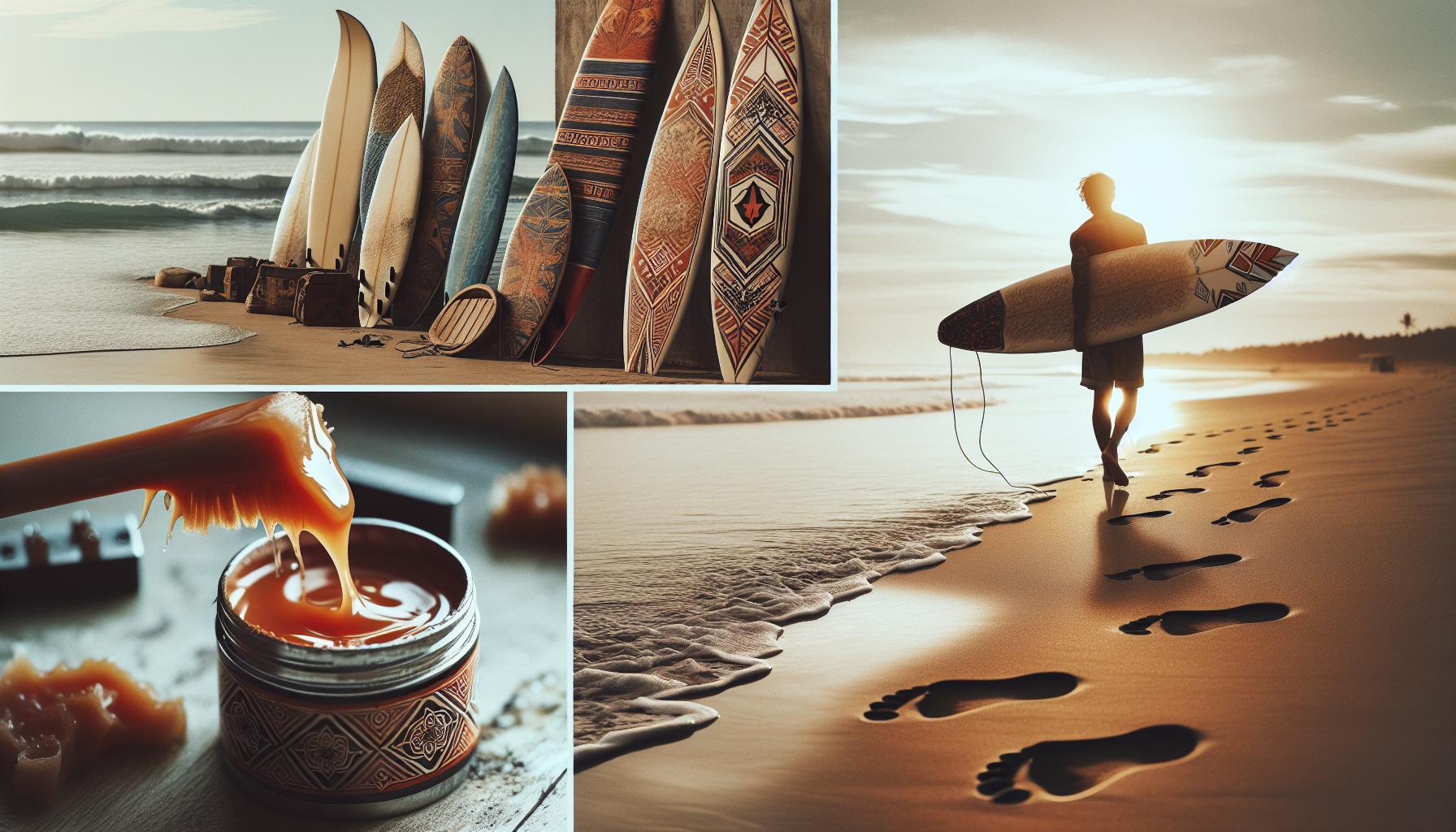
Iconic Surfing Myths and Their Influences
From the windswept shores of ancient Polynesia to the vibrant beaches of Hawaii, countless myths and legends have woven into the fabric of surfing’s historical narrative, shaping how communities understand themselves and their relationship to the ocean. These stories often highlight the profound connection that ancient surfers felt with both the waves they conquered and the spiritual forces believed to govern oceanic realms. From tales of surfing deities to heroic human feats, these myths are not just relics; they are the heartbeat of surf culture, still resonating with contemporary surfers who paddle out today.
Take, for instance, the legend of Kāne and Kanaloa, Hawaiian deities intricately linked to the ocean and its bounty. In ancient lore, surfers would invoke their names before catching waves, symbolizing respect for the forces of nature that made riding those waves possible. These figures represent more than myth; they embody the values of reverence and gratitude that run deep in the surfing community. As surfers, we often find ourselves inspired by these ancient narratives, feeling a sense of duty to protect the oceans we cherish.
Another powerful myth is that of Manō, the shark, revered for its prowess in the ocean and often seen as a guardian of surfers. Stories speak of experienced surfers who could communicate with sharks, summoning their aid or protection during a session in the waves. This reverence reflects a cultural understanding of the interconnectedness of life-surfboards riding the waves right alongside other marine life. Whether it’s spotting a graceful glide beneath the surface or witnessing a sunset over a tranquil sea, each ride is a dance with the natural world, echoed in these ancient beliefs.
As surf culture evolved into modern times, many of these myths have transitioned into symbolic practices that serve to unite surfers of all skill levels. For today’s surfers, celebrating the ocean through community rituals and storytelling continues the legacy of our ancient predecessors. Whether it’s participating in a local surf contest, sharing tales of wipeouts around a bonfire, or simply enjoying the serene backdrop of waves crashing on the shore, these activities honor the myths that shaped the surfing spirit.
Ultimately, recognizing and embracing these iconic myths reinforces a greater understanding of surfing as a holistic experience. So next time you’re out riding a wave, take a moment to appreciate the echoes of ancient stories wrapped around your ride. Feel those legends lift you with the swell and inspire a sense of unity with the ocean that flows through all surfers, past and present.
The Role of Surfing in Indigenous Rituals and Spirituality
The echoes of ancient rituals resonate through the waves, where surfing has long served as a spiritual vessel for indigenous cultures across the Pacific. It’s not just about catching the perfect wave; it’s about connecting with ancestors, honoring deities, and participating in sacred traditions that herald the ocean as a source of life and energy. For the early Polynesians and Hawaiians, surfing transcended the realm of sport; it embodied a sacred dance with nature-an expression of gratitude and respect toward the ocean’s mighty force.
In these cultures, the ocean is often perceived as a living entity, imbued with spirits and ancestors’ presences. Before paddling out, surfers would partake in rituals-such as chanting or offering prayers to deities like Kāne and Kanaloa-to seek favor and protection. These practices fostered a profound sense of community and connection among surfers, transforming every wave ridden into a shared spiritual experience. Surfing was something more than an individual endeavor; it reflected communal bonds and ancestral heritage that continue to ripple through surf culture today.
Ceremonies and Offerings
Indigenous surfing rituals could also involve more tangible acts, such as the creation of offerings. Surfers would sometimes make small dedications to the ocean before heading out-whether it be flowers, carved wooden figures, or woven leis- symbolizing respect and appreciation for the ocean’s generosity. This act, woven with intention, reinforced the connection between humans and the natural world, ensuring surfing remained a sacred act steeped in spirituality.
From the ceremonial rituals at sunrise to the celebrations of the catch surrounded by family and friends, these practices form a rich tapestry of cultural significance that shapes modern surfing. Contemporary surfers often find themselves drawn to these ancient practices, whether through mindful meditation before a session or honoring the ocean with a moment of silence upon entering the water. It’s about embracing the spirit of the waves and recognizing that every ride is part of a larger spiritual legacy that invites riders of all skill levels to partake in something truly divine.
In exploring these indigenous practices, one gains a deeper appreciation for the waves-turning each surfing session into a communion with both the ocean and a vibrant cultural lineage that breathes life into the sport. So the next time you catch a wave, consider the rich traditions that have played a role in shaping that experience, feeling the spirit of those who rode before you as you carve your path through the water.
Surf’s Up: The Impact of Colonialism on Wave Riding
Surfing isn’t just a pursuit of thrill and adventure; it carries a history that intertwines joy with deeper, often painful narratives of culture, identity, and colonialism. As you paddle out into the sparkling blue, it’s essential to understand how colonial forces reshaped this ancient practice, transforming it from a sacred ritual into a recreational activity co-opted by outsiders. The beauty of riding the waves today draws upon centuries of tradition that were almost erased under the weight of colonialism, highlighting an urgent need to recognize and respect these origins.
When Europeans set foot on the shores of the Hawaiian Islands and other Pacific regions, they encountered more than just a paradise; they uncovered a complex culture rooted in surfing. For indigenous peoples, wave riding was a spiritual practice, a celebration of connection with the ocean and the deities they revered. However, as colonial powers took control, they imposed their own meanings and interpretations, often portraying surfing as merely a sport for leisure, stripping it of its profound cultural significance. Surfers would come to see these waves through a lens that prioritized profit and tourism over reverence and responsibility, leading to a commercialization that continues to influence surf culture today.
The impact of colonialism stretches beyond the reinterpretation of surfing; it fundamentally altered the landscape of the sport. As mainland surfers flocked to Hawaii in search of the perfect wave, the local surf community often found itself pushed aside, marginalized in its own homeland. Colonial narratives erased the rich histories of indigenous surfers, and in the process, the powerful spiritual connections they held with the ocean were overshadowed by a stereotype of surfing as purely a non-indigenous activity. The vibrant, communal surfing culture that once thrived transformed into a more isolated, competitive arena, focusing on individual glory rather than mutual respect.
Despite this history, modern surfers can reconnect with these roots and help to reclaim the sport’s original spirit. By honoring the traditions of the first surfers, including rituals and offerings, contemporary wave riders can enrich their personal experiences while fostering a deeper respect for the ocean and indigenous cultures. Imagine laying down a lei or sharing a moment of silence to honor the waves before you ride them. Such acts not only celebrate the origins of surfing but also contribute to a more inclusive understanding of the sport, allowing everyone to participate in its rich legacy while advocating for the protection and respect of the waters we cherish.
In doing so, surf culture can evolve from one shaped by colonialism into a community that embraces its diverse roots. Let each ride be a nod to the ancient surfers of the Pacific, an echo of the sacred traditions, and a renewed commitment to honor the ocean as a living, dynamic force that connects us all.
Legendary Surf Spots of Ancient Times
The allure of ancient surf spots speaks to the spirit of adventure and connection with the ocean that has defined surfing for centuries. Imagine gliding over the same waves that Polynesian chiefs once rode, where the hoots of excited surfers today echo the gasps of ancient onlookers who revered these majestic breaks as sacred. From the sun-drenched shores of Hawaii to the rugged coastlines of Peru, legendary spots have been integral to the evolution of surfing, showcasing not just the joy of wave riding but the cultural significance tied to these breathtaking locales.
Hawaiian Heritage: The Birthplace of Surfing
Hawaii, often regarded as the beating heart of surfing, features some of the world’s most legendary surf spots that have roots in ancient traditions. Waimea Bay, for instance, is famous for its massive waves that call to experienced surfers from around the globe. But long before it became a hotspot for thrill-seekers, it was a sacred site for the ancient Hawaiians, where surf riding was part of religious ceremonies linked to the ocean gods. Picture the spectacle: kings and queens riding waves, dressed in traditional garb, carving through the water as a display of skill and spiritual connection. The cultural significance of these spots was woven into the very fabric of Hawaiian society, shaping not just the sport but the communal respect for the life-giving ocean.
- Waimea Bay: Known for its giant waves, it was historically a place of honor and prestige for elite Hawaiian surfers.
- Diamond Head: This iconic spot is not only famous for its breathtaking views but also for its history as a royal surfing ground.
- Hanalei Bay: A picturesque setting where ancient traditions still resonate, making it a popular choice for surfers seeking both beauty and cultural richness.
The Sacred Waves of Peru
While Hawaii often steals the surf spotlight, ancient wave riders of Peru also left a vibrant legacy. The coastal town of Punta Hermosa, with its consistent waves, was once frequented by the Inca civilization. They had their own wave-riding traditions, documented by early explorers who marveled at the skill of the local surfers riding on wooden boards, called “caballitos de totora,” made from reeds. These ancient surfers were not just riding waves-they were participating in a dialogue with nature, honing their skills while honoring the aquatic gods that they believed controlled the ocean’s tides and swells.
The breathtaking beauty of the Peruvian coast, with its dramatic cliffs and golden sand beaches, invites surfers to trace the steps of these early wave riders. Today, as you paddle out at Punta Hermosa or Pico Alto, it’s easy to imagine the thrill and reverence that accompanied each ride long ago. It’s a chance to connect with the spirit of an ancient sport that transcended mere recreation, aiming instead for a profound connection with both the ocean and the community.
- Punta Hermosa: Renowned for its consistent surf, once a vital spot for Inca surfers honing their skills.
- Pico Alto: Famous for its massive waves, attracting surfers looking to replicate the feats of ancient riders.
- La Herradura: Known for its picturesque environment, where ancient traditions of wave riding seamlessly coexist with the modern surf culture.
In contemplating these legendary surf spots, we not only celebrate the evolution of a cherished sport but also recognize the deep cultural roots and historical narratives that shaped its foundation. Surfing remains a vibrant tapestry woven from the threads of ancient practice and modern-day passion, inviting all of us to ride the waves with a sense of wonder and respect for those who came before. So whether you’re catching a wave at a famed break or just soaking in the sun on the beach, remember: you’re participating in a legacy that spans centuries.
Famous Ancient Surfers: Profiles and Stories
Imagine the thrill of riding the waves on a handcrafted wooden board, feeling the salty wind whip through your hair as you glide toward the shore, embodying not just sport but a way of life. The allure of famous ancient surfers captivates our imagination, inviting us to learn about those monumental figures who shaped the art of wave riding. Among them, the elite wave riders of Polynesian society and the remarkable caballito surfers of Peru stand out, echoing across the ages with their stories of skill, spirituality, and connection to the ocean.
In Hawaii, surfing was more than a pastime; it was an essential aspect of the culture that intertwined deeply with social status and religious practices. Among the most revered was the legendary chief Kuʻuipo, said to possess an unparalleled connection to the ocean’s spirits. His mastery of riding waves was legendary, earning him not just respect but a near-mystical status within his community. It is said that he communicated with the ocean, knowing precisely when to catch the perfect wave, a skill that blended intuition and respect for the natural world-a philosophy that resonates even with modern surfers today.
Equally captivating are the ancient Peruvian surfers, particularly those who skillfully navigated the waters on their caballito de totora, a striking little craft made of totora reeds. Among the most notable was the mythical figure of Túpac Amaru, a celebrated surfer believed to mystically balance the forces of nature with his rides. His adventurous exploits along beaches like Punta Hermosa fueled tales of bravery and connection, illustrating the spiritual dialogues early surfers engaged in with the ocean. These narratives have permeated through time, reminding us that each wave ridden was a feat celebrated not just for its thrill but as a testament to camaraderie with the water’s graceful dance.
The stories of these ancient surfers speak to us not merely of technique or athleticism but of a profound respect cultivated over generations. From Hawaii’s sacred waters to the rich cultural coastlines of Peru, these figures remind us that every ride we take is steeped in history, encouraging us to approach the ocean with reverence and intent. So whether you’re a seasoned pro or catching your first wave, you stand on the shoulders of giants, sharing in the timeless joy of surfing that transcends centuries and borders. Embrace this legacy, and let the spirit of the ancient surfers guide your ride as you carve your own path across the waves.
The Legacy of Ancient Surfing in Modern Culture
The echoes of ancient wave riders resonate through modern surf culture, connecting enthusiasts today to the vibrant legacies of those who first carved the seas. Each surf session is a living tribute to historical figures whose mastery and spirituality enriched the experience of riding the waves. Picture this: as you paddle out, you join a lineage that spans centuries, a diverse tapestry woven with the tales of legendary surfers from Polynesia to Peru, each inspired by the same dance with nature that you now partake in.
Modern surfing has not just retained the thrill of ancient practices but has also integrated the philosophy behind them. The respect for the ocean, which once governed the lives of indigenous wave riders, still underpins our approach today. Surfers now often reclaim this ethos by engaging in sustainable practices, echoing the values of their ancient counterparts who revered the waves as sacred. From beach clean-ups to supporting ocean conservation efforts, today’s surfers are encouraged to embody the spirit of ancient wave riders, honoring the waters that provide us joy and adrenaline.
Craft-wise, whether you’re strapping into a high-performance shortboard or riding a retro longboard, the evolution of surfing equipment can be traced back to these early innovations. The ancient Hawaiian alaia and the Peruvian caballito laid groundwork that continues to inspire modern surfboard designs, emphasizing the bond between rider and board. When choosing a board, consider what suits not only your skill level but also your personal connection to the water, honoring that intertwining of form and function passed down from the ancient surfers.
To fully embrace this legacy, consider reflecting on the experiences of those who rode before you. When you catch a wave, think of Kuʻuipo and Túpac Amaru, and let their legendary bravery and reverence motivate you. Perhaps share stories with fellow surfers about the history of the craft, and explore local surf spots with a sense of gratitude for their past significance. By immersing yourself in the stories of ancient surfing, you not only enrich your own experience on the waves but also contribute to the ongoing narrative, ensuring that the legacies of those first surfers endure in every splash and ripple you encounter.
How Ancient Practices Shape Today’s Surfing Techniques
The rhythmic pulse of the ocean has long captivated the human spirit, transforming primeval wave riding into a beloved global pastime. Ancient surfers, be it the Polynesians or the Peruvians, didn’t just revel in riding waves; they practiced an intricate art that laid the groundwork for modern techniques and philosophies. As the sun rises on another day, surfboards slice the shimmering surface, recalling the wisdom passed down through generations of watermen and women who understood the dance of energy between ocean and rider.
Today’s surfing techniques are a vivid tapestry woven from ancient practices. Modern surfers can trace the very essence of their craft back to the meticulous knowledge of early wave riders who perfected balance, timing, and board control. For instance, the Polynesian alaia boards were designed for speed and maneuverability, qualities that seamless carry through to today’s shortboards. The ability to read the ocean’s swells and wind patterns, a skill honed by ancient surfers, remains critical for surfers today. Whether you’re a novice or an experienced rider, understanding these elements can significantly enhance your wave-catching joy.
Ancient Wisdom in Modern Techniques
Links between ancient practices and modern surfing minimize the learning curve for newbies. Start by observing your environment-how the tide changes and how waves break. Ancient surfers didn’t just ride waves; they studied them. Engage your senses: listen to the way the waves whisper before they crash. Feel the pull of the ocean as you paddle out. A few tips to integrate this ancient wisdom into your surfing routine:
- Watch and Learn: Spend time observing surfers ahead of you. What techniques do they use to navigate specific breaks?
- Practice Balance: Try riding a balance board at home to hone your skills in a fun, low-risk environment.
- Connect with Nature: Use each session to deepen your respect for the ocean and its rhythms, as ancient surfers did.
The cultural significance of techniques and tools used by early surfers continues to ripple through modern practices. The carving style of the caballito de totora, a traditional Peruvian craft, mirrored in how we now maneuver between rides, showcases the fluidity that transcends generations. Today’s surfers might find themselves following techniques like the bottom turn or cutback, deeply rooted in the knowledge various cultures cultivated with their local resources, environments, and spiritual connections to the sea.
As you plunge into the embrace of the ocean, remember that every wave is a continuation of an ancient tradition. Embrace these foundational practices, cultivating a relationship with the waves that honors those who came before. Every ride is not just a personal adventure; it’s a dynamic conversation with history itself. Whether you’re a beginner feeling the thrill for the first time or a veteran chasing the next big swell, keep this legacy alive each time you paddle out.
Surfing Through the Ages: A Timeline of Wave Riding
The story of wave riding unfolds like the tides themselves, a sweeping narrative that reveals the timeless rhythm between humanity and the ocean. From the first Polynesians catching waves on hollowed-out logs to the modern surfboards gliding gracefully across azure waters, surfing’s timeline is rich with innovation and cultural significance. As we dive into the historical currents that have shaped surfing, let’s explore the key milestones that mark this exhilarating journey through the ages.
Around 2000 years ago, ancient inhabitants of the Pacific Islands, particularly in Polynesia, began experimenting with wave riding on simple wooden boards. These early surfers used alaia boards, often crafted from local tree species, navigating the waves with a mixture of skill and spiritual connection. This era set the foundation for a culture that revered the ocean; riding the waves was not merely a sport but a way to connect with the sea’s powerful energies. The Polynesians, who revered the ocean as a divine force, exemplified this harmony, innovating surfing techniques that emphasized balance, respect, and an intimate understanding of the ocean’s moods.
By the 19th century, surfing gained a foothold in Hawaii, where it evolved into a performance art and a cherished tradition. Hawaiian royalty like King Kalakaua showcased the sport in lush celebrations, elevating the practice to a cultural emblem of identity and pride. The introduction of lighter, more maneuverable boards reflected advancements in craftsmanship and design. This period marked the transition of surfing from a functional practice to an arena for competition and artistry, establishing Hawaii as the hub of modern surfing culture that would influence the world.
With the dawn of the 20th century, surfing saw a surge in popularity, especially in California. Iconic surf spots like Malibu and Huntington Beach began to draw crowds, and the rise of surf culture was accompanied by the development of new materials like fiberglass. The emergence of surfing magazines, contests, and films-most notably Endless Summer in 1966-propelled the sport into mainstream consciousness, creating a burgeoning community of wave riders. The energetic sound of crashing waves and cheerful chatter filled the beaches as surfers donned brightly colored wetsuits, embodying a carefree lifestyle steeped in adventure and camaraderie.
As we ride the waves of history, we see that surfing has morphed into a global phenomenon, transcending its humble beginnings. Through various cultural lenses, surfing continues to evolve while remaining rooted in the ancient traditions that honor the connection between ocean and rider. Today’s surfers still carry that spirit, wearing it proudly as they paddle out, carving their path through the fluid expressions of nature. The dance of man and wave can be traced back through centuries, a living history that invites all who seek the thrill of the surf to participate in its ongoing narrative.
FAQ
Q: Who were the first surfers in history?
A: The first surfers are believed to be the Polynesians, who engaged in wave riding using wooden boards made from local trees. This practice developed centuries ago, primarily in places like Hawaii and Tahiti, where surfing became integral to their culture and social rituals.
Q: Why is surfing significant in ancient cultures?
A: Surfing held deep cultural significance in ancient societies as it symbolized status, spirituality, and community. It often featured in rituals, connecting the spiritual beliefs of indigenous populations to the natural world, particularly in Hawai’i, where it was intertwined with the Aloha spirit.
Q: How did surfing evolve from its ancient origins?
A: Surfing evolved significantly from its ancient roots as it spread to different cultures. The transition from traditional wooden boards to modern materials allowed for greater innovation. Communities began to develop diverse styles and techniques, blending ancient practices with contemporary surf culture.
Q: What are some iconic ancient surfing spots?
A: Iconic ancient surfing spots include Waikiki Beach in Hawaii and Teahupo’o in Tahiti. These locations not only provided excellent waves but also served as cultural hubs where surfing was practiced and celebrated within their communities.
Q: How did colonialism impact ancient surfing traditions?
A: Colonialism significantly disrupted ancient surfing traditions by introducing Western practices and altering social dynamics. Many indigenous surfing customs faded, but there have been revitalization efforts to reclaim and celebrate these rich histories in today’s surfing culture.
Q: What techniques did ancient surfers use?
A: Ancient surfers used various techniques, including the prone position on wooden boards and standing to ride larger waves. They also developed skills to harness different types of waves, enhancing their riding techniques over generations, as discussed in the article’s section on ancient methods.
Q: How are ancient surfing practices relevant today?
A: Ancient surfing practices are relevant today as they influence modern surf culture and techniques. Many contemporary surfers look to historic practices for inspiration, fostering a deeper appreciation for the heritage and rituals associated with surfing, which can be explored in our section on legacy.
Q: What stories are associated with famous ancient surfers?
A: Famous ancient surfers often carry stories highlighting their courage and mastery of the ocean. Legends of Hawaiian surfers like Duke Kahanamoku echo across time, showcasing how surfing shaped their identities and communities. These narratives are pivotal in understanding the legacy of surfing.
In Retrospect
As we dive into the mesmerizing world of surfing, remember that the roots of wave riding stretch back centuries, connecting us to cultures that revered the ocean. From the Hawaiian islands to ancient Peru, each surf legend enriches our understanding. Now, armed with knowledge about who invented surfing, we invite you to explore further! Check out our articles on the evolution of surfboard design and the best surfing spots around the globe to deepen your experience.
Don’t let this be your last wave! Join our community by signing up for our newsletter to stay updated on everything surf-related, from gear reviews to local events. Have questions or stories of your own? Share them in the comments below-we’d love to hear about your most exhilarating rides! Embrace the adventure, ride the tide, and let the ocean’s call inspire your next journey!