
Imagine standing on a sun-kissed beach, the rhythmic sound of waves crashing nearby, and the thrill of casting your line into the surf-surf fishing offers a unique blend of adventure and tranquility. In this complete beginner’s tutorial, we’ll dive into the essentials of how to surf fish, empowering you to catch everything from feisty drum to delicious flounder. Whether you’re a seasoned angler looking for new challenges or a curious newbie drawn to the coastline’s natural allure, you’ll find that surf fishing is not just about the catch; it’s about embracing the ocean’s spirit. As we explore techniques, gear, and tips, you’ll learn how to read the surf and maximize your chances for success. So grab your gear and let’s embark on this exhilarating journey together, turning the beach into your personal fishing paradise!
Choosing Your Surf Fishing Gear: The Essentials for Beginners
The thrill of surf fishing is not just about the catch; it’s about the experience of casting a line while the waves crash rhythmically around you, the scent of salt in the air, and the sun filtering through the clouds overhead. For beginners eager to embark on this adventure, choosing the right gear sets the foundation for a successful outing. With a variety of rods, reels, and tackle options available, it can feel overwhelming, but don’t fret! Let’s break down the essentials that will have you feeling like you’ve been a surf fisherman your whole life.
Rods and Reels: Your Essential Pairing
When selecting a fishing rod, versatility is key. A 7-foot medium-action rod is a great starting point, allowing you to handle various species without feeling under-equipped. Pair it with a 4000-sized spinning reel, which offers smooth performance for reeling in the catch. Brands like Penn’s Spinfisher series are popular among surf fishers for their durability and reliability, but you can find many quality options depending on your budget.
Once you have your rod and reel set, don’t forget about the line. A braided line in the 20-30 lb test range has a thin diameter which lets you cast farther and feel every nibble, while also adding the necessary strength to battle larger fish. Consider a fluorocarbon leader to increase invisibility in the water, making the fish less suspicious of your bait.
tackle Box Essentials
Now that you’ve got your rod and reel sorted, it’s time to fill your tackle box with essentials. Here’s a quick list of must-haves:
- Hooks: Size will depend on your target species, but a mix of sizes from 1/0 to 3/0 works well for many surf species.
- Sinkers: Pyramid sinkers help hold bottom in turbulent surf conditions. Keep a variety on hand to accommodate different surf conditions.
- Swivels: These help prevent line twists and keep your setup tangle-free.
- Bait: Fresh or frozen bait such as shrimp, sand crabs, or cut bait are popular choices. Artificial lures can work wonders too-don’t be afraid to experiment!
Each trip to the shore teaches you something new about what works best in your local conditions. As you catch your first fish, embrace the excitement! Surf fishing is as much about personal growth and discovery as it is about landing the big one. So grab that gear, find your favorite spot, and let the ocean surprise you!
Finding the Perfect Surf Fishing Spot: Tips and Tricks
The destination you choose for surf fishing can make all the difference between a dull day on the beach and an electrifying adventure filled with the thrill of the catch. Imagine standing on the wet sand, the sound of crashing waves filling your ears, and spotting a promising spot where fish are likely swimming by. To maximize your fishing experience, you’ll want to identify a few prime locations – and knowing where to look is half the fun!
Start by exploring surf zones with natural structures that attract fish. Look for rocks, jetties, and piers, as these areas disrupt the flow of water, creating little eddies that serve as havens for bait fish. The presence of bait fish in such spots often leads larger game fish not far behind. Additionally, surf fishermen often find success around sandbars and troughs, where the bottom depth changes and fish tend to congregate. Pay attention to the prevailing wind and current patterns; these can lead fish to forage closer to shore.
One of the essentials to master is understanding tidal movements. Fishing during the incoming tide is generally the most fruitful because it brings in bait from the ocean, attracting game fish. As the tide changes, so too might your luck. Take a moment to observe the water – watch for signs of fish activity, such as jumping or splashing. And don’t forget to check the weather forecast! Calm, overcast days can often lead to a better catch since fish feel comfortable venturing out of their hiding spots.
Make sure you’re also aware of local regulations and any access restrictions, as respecting these can enhance the community experience and ensure your future surfing adventures. By staying curious and respectful, you’ll connect not only with the ocean but also with fellow surf fishers who share the same passion for adventure. So grab your gear and let the search begin – the perfect surf fishing spot awaits!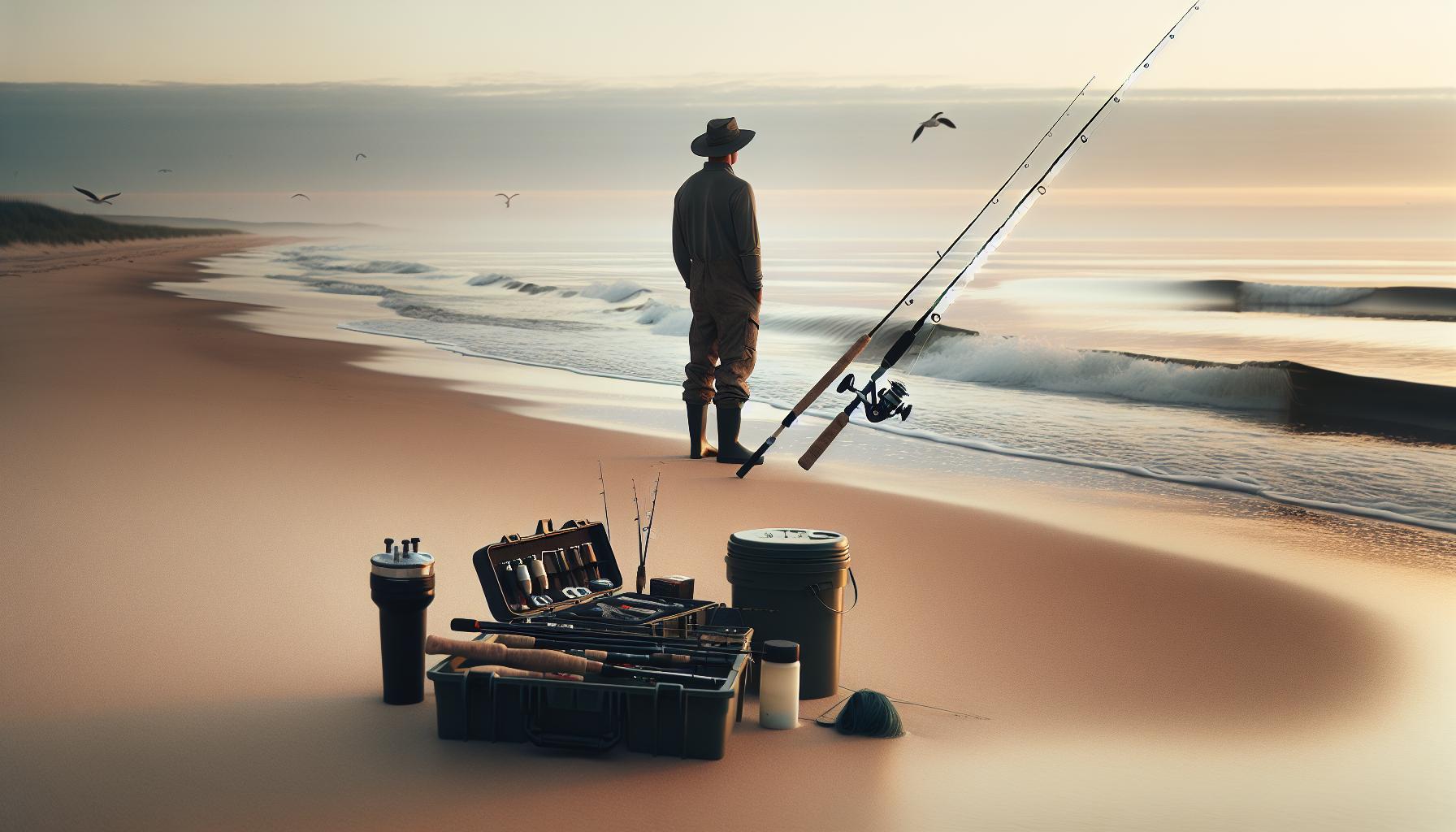
Understanding Tides and Weather: Key Factors for Surf Fishing
The rhythm of the ocean is more than just a calming soundtrack; it’s a vital symphony that guides your surf fishing success. Understanding the intricate dance of tides and weather can mean the difference between a lackluster day on the beach and reeling in a record catch. Picture yourself standing at dawn, the salty breeze tousling your hair while the sun peeks over the horizon. As the tide begins its rise, you’re not just a spectator-you’re part of an ecosystem where the larger game fish eagerly await the influx of bait sparked by the tidal pull.
Tides are primarily influenced by the gravitational forces of the moon and sun, leading to the familiar ebb and flow of ocean waters. For surf fishing enthusiasts, timing your outing around these tidal movements is crucial. The incoming tide is often considered the golden hour for fishing, as it brings nutrients and smaller prey closer to shore, inviting game fish to feast. Observing the behavior of the water can provide valuable insights; look for “ripples” or disturbances where fish may be feeding, signaling where to cast your line.
Weather Wonders
Next to tides, weather conditions play a pivotal role in surf fishing outcomes. Bright, sunny days certainly make for enjoyable outings, but don’t overlook the power of overcast skies. On these cloudy days, fish tend to feel safer venturing out into shallower waters, and you might just see them jumping or splashing nearby, inviting you to join the action. Similarly, light winds can create perfect surf conditions, allowing your bait to float enticingly in the water’s dance while vigorous winds can muddle the water clarity, challenging your chances of a catch.
Be sure to keep an eye on the local weather forecast, as changes in atmospheric pressure can influence fish feeding patterns. A sudden drop in pressure often precedes a storm, prompting fish to feed more aggressively. Knowing when to hit the surf based on weather patterns not only elevates your fishing experience but also deepens your connection to the living ocean. So grab your gear, keep your eyes on the tides and weather, and let the sea reveal its secrets-your adventure awaits!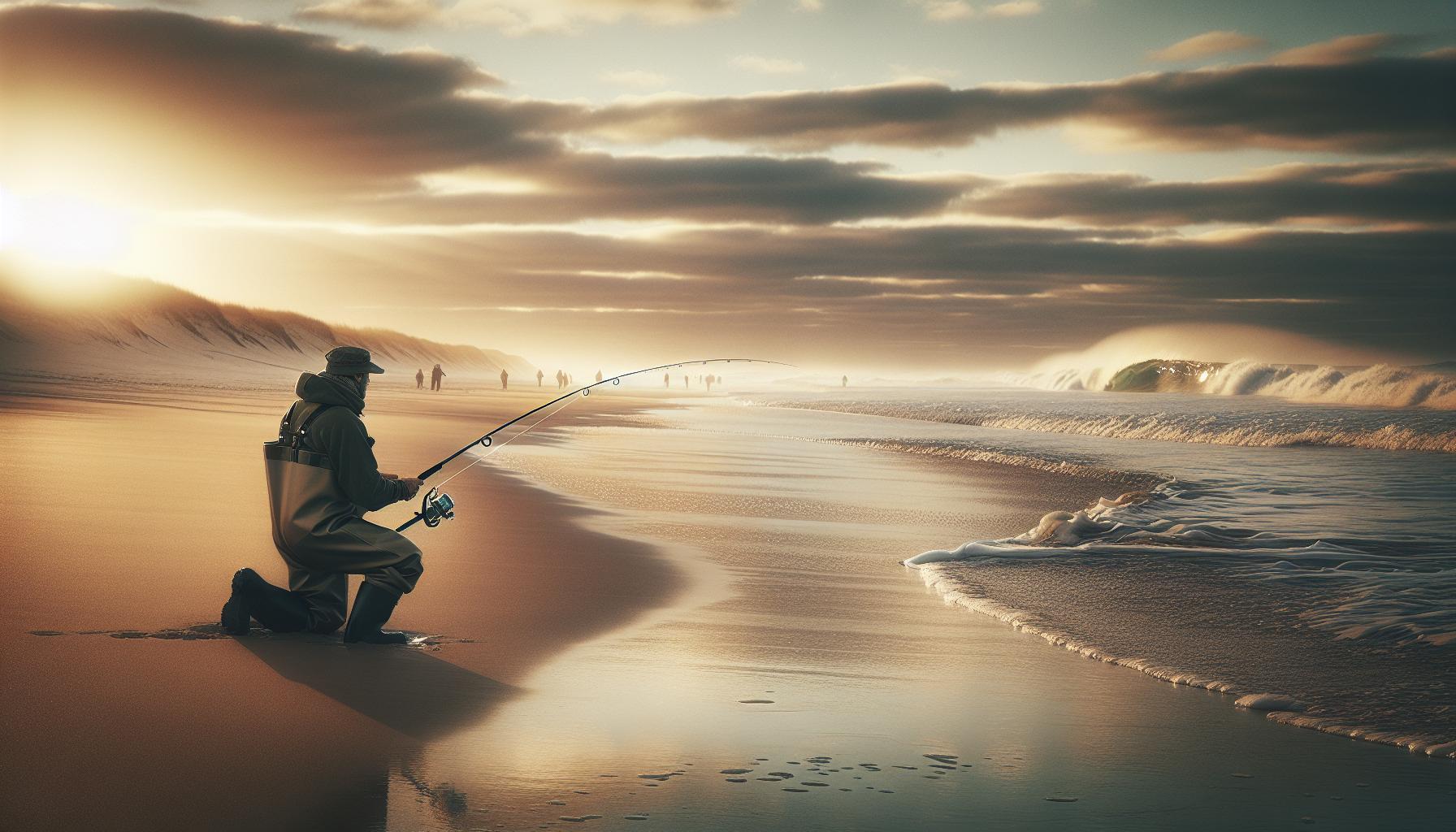
Casting Techniques: Mastering the Art of Surf Fishing
The thrill of casting into the surf is about more than just technique; it’s about feeling the ocean’s energy surge through you. Picture yourself standing barefoot in the sand, the rhythm of the waves crashing nearby, and the taste of salt in the air. Successfully launching your line out into the vast blue expanse requires mastering a few essential casting techniques that will enhance your chances for that elusive trophy catch.
Start with the ideal stance and grip to create a stable foundation for your cast. Stand with your feet shoulder-width apart, knees slightly bent, and your non-dominant foot angled toward the water. This alignment helps you maintain balance and control as you cast. Grip your rod firmly, but not so tightly that your knuckles turn white! Allow your arms to function fluidly; they should act like a well-oiled machine in sync with your body. Hold the rod with your dominant hand near the reel and use your other hand to stabilize the butt of the rod. As you prepare to cast, open the bail and place your finger on the line-this simple step avoids tangling when the time comes to launch.
To execute a solid cast, think of it as a fluid motion. Begin by raising the rod tip to about 10 o’clock, drawing it back, and then swiftly bringing it forward in a smooth, controlled motion. The goal here is to transfer your body’s energy through your arms and into the rod, giving your bait the distance it needs to reach the feeding fish. Timing is key, so as your rod tip approaches the 1 o’clock position, release your finger from the line and let your bait fly. For a successful long-distance cast, imagine each cast tracking the perfect wave; you want to propel your line just over the crest before it breaks, sending your bait farther along the surf.
Practice Makes Perfect
After a few practice casts, you might find yourself wanting to improve your distance or accuracy. Consider integrating a sidearm cast for windy days, where the wind’s strength could affect your cast. In this modified technique, your rod slices through the air horizontally from your dominant side, almost like a frisbee. It allows for a cleaner cast with less resistance, enabling your bait to travel smoothly through blustery conditions.
Visualize the moment you catch that first fish-each cast, each technique practiced leads you to that exhilarating experience. As you refine your skills, integrate the rhythm of the ocean and the natural landscape into your casting routine. Embrace this harmony with nature, and before long, you’ll be striding down the beach with confidence, casting like a pro and feeling the ocean’s embrace welcoming your every throw. Remember, surfing and fishing share a lively bond; both celebrate patience and joy in pursuing the perfect wave-or in this case, the perfect catch.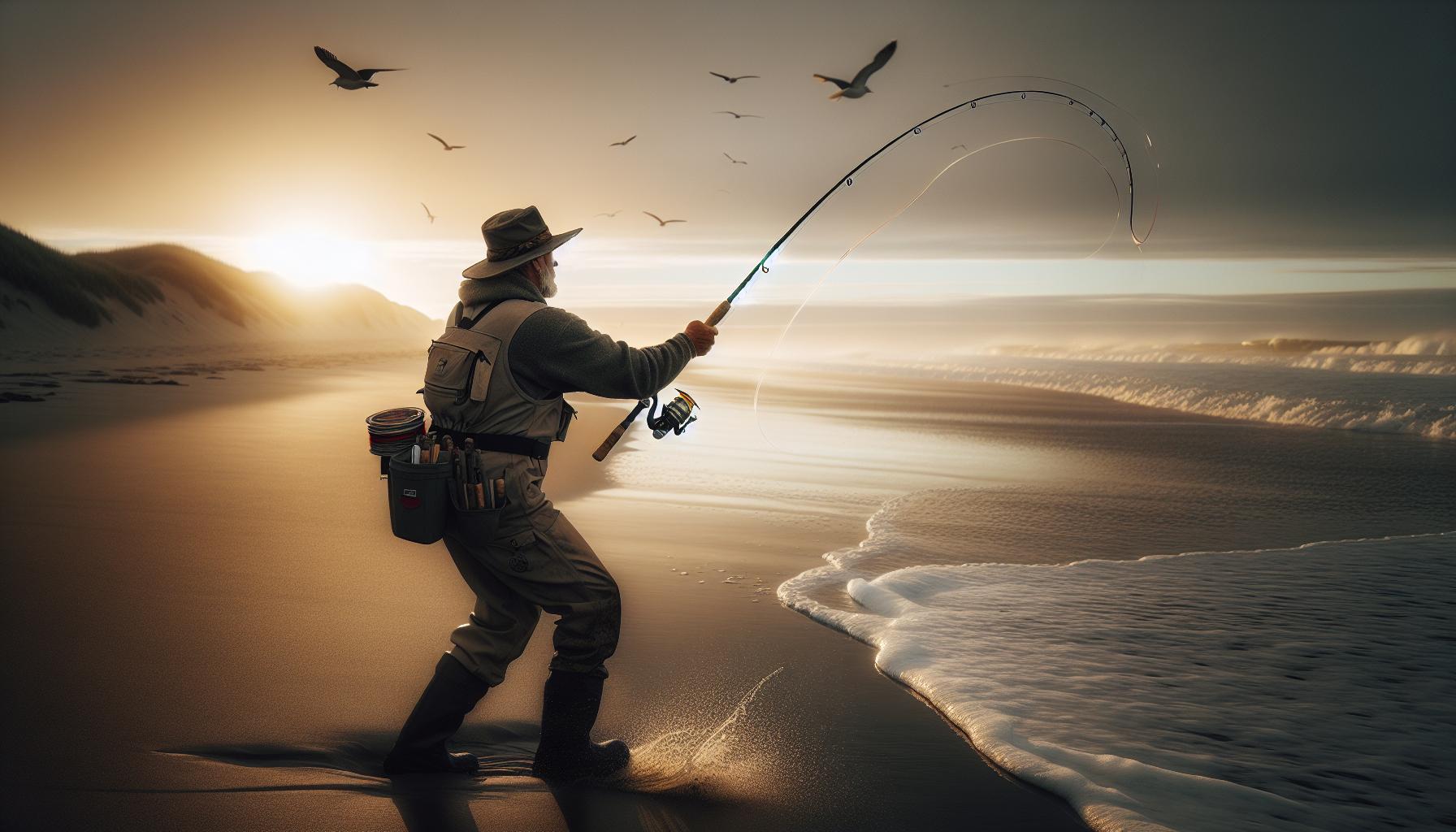
Bait Selection: What Works Best for Surf Fishing
The ocean’s vastness hides a colorful array of bait options, and choosing the right one can be the key to unlocking successful surf fishing experiences. Each bait has its own allure, catering to different fish species and conditions, making this decision both exciting and critical. Among the most popular natural baits that surf fishers swear by, sand fleas-those little critters often scuttling along the beach-are prized for attracting pompano and whiting. They’re lightweight and easy to present, making them a favorite in the surf zone where these fish are on the hunt for their next meal.
Continuing along the buffet line, let’s not forget about shrimp, which reign supreme as a versatile and effective bait. Whether using live, dead, or frozen shrimp, this option dazzles hungry fish and can work wonders for catching redfish, flounder, and even sea trout. For a more robust offering, nothing beats blue crabs, particularly when halved and fished around structures or in deeper waters. This bait is especially friendly to anglers seeking bull redfish during peak feeding times when these hungry predators are out in search of serious sustenance.
- Sand Fleas: Ideal for targeting pompano and whiting.
- Shrimp: A versatile bait that attracts redfish, flounder, and trout.
- Blue Crabs: Effective for bull redfish, especially when halved.
- Clams: Another solid option for various species like striper and flounder.
If you’re feeling adventurous and want to explore beyond natural bait, give Fishbites a try. These artificial baits have earned their spot in many surf fishers’ arsenals for their effectiveness and ease of use. They come in various flavors and textures, mimicking popular natural baits to fool even the most discerning fish. Remember, the key is to observe the conditions and the local fish behavior, adapting your bait selection accordingly-because the ocean is as dynamic as the tides that shape it. As you stand along the shoreline, the sound of waves crashing and the salty air surrounding you, the anticipation of the tug on your line from a hungry fish becomes a thrilling promise of adventure waiting to unfold.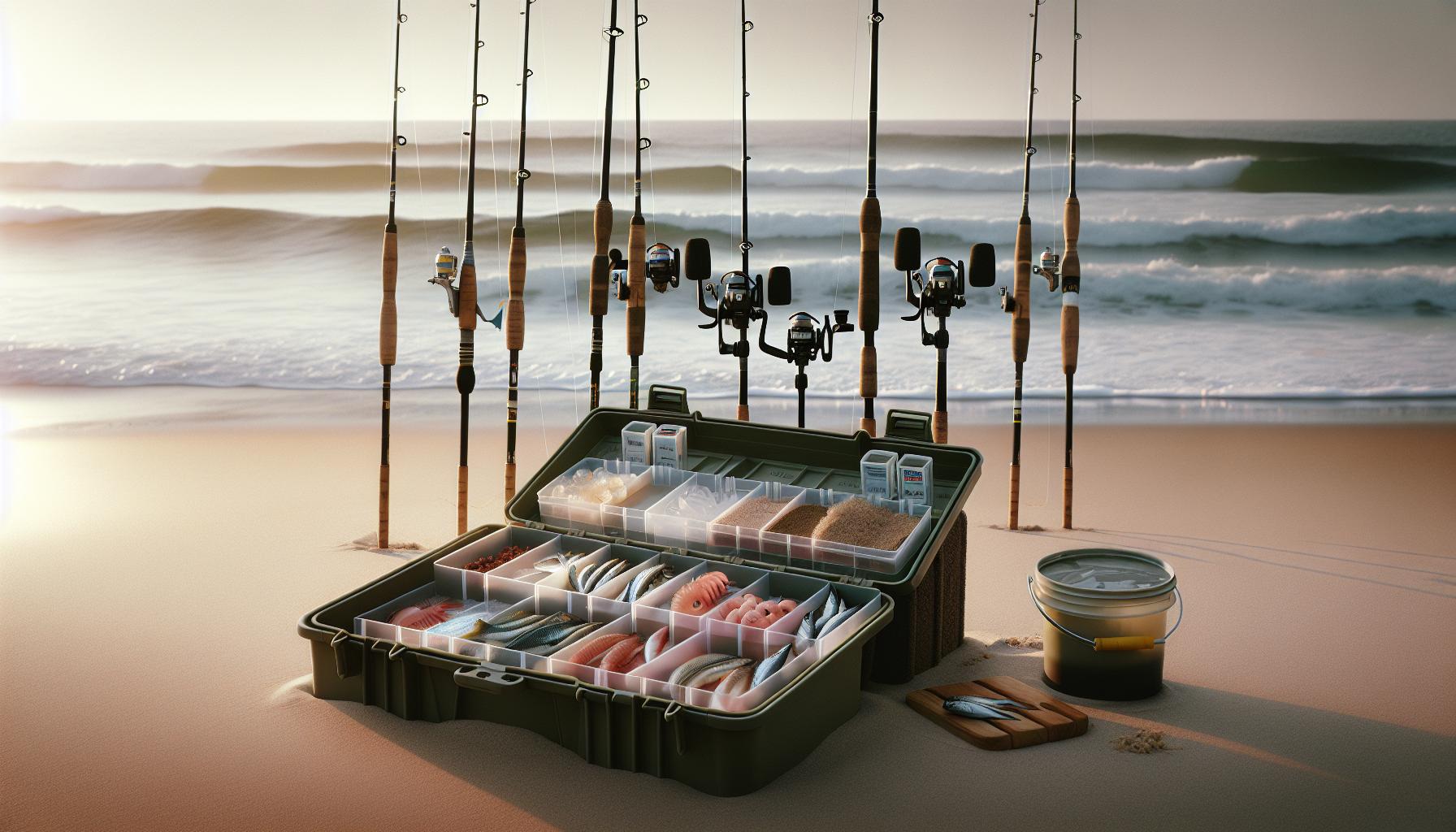
Surf Fishing Techniques: Advanced Strategies for Success
The surf roars with excitement, each wave carrying the thrill of possibilities as you embark on your next fishing adventure. As a surf fisher, harnessing advanced techniques can unlock the ocean’s treasures and elevate your game. Whether you’re seeking that trophy catch or just an exhilarating day by the water, refining your approach will give you the edge over both the fish and the elements.
Mastering the Art of Timing
One of the most crucial elements in surf fishing is understanding the tides. Fish are highly influenced by tidal movements, often feeding more aggressively during specific phases. Utilize a tide chart to identify the optimal times to cast your line. The general rule of thumb? Focus your efforts around high tide, particularly during the first and last hours of light, as fish tend to be more active and feeding. Don’t just rely on the tides-pair this knowledge with a keen awareness of the weather. Overcast days can create excellent feeding conditions, providing cover for fish while they hunt.
Locating Your Target
Finding the hotspots along the shore is an art in itself. Look for features such as sandbars, troughs, and jetties. These structures create essential feeding zones where fish congregate. When scouting the beach, observe the water conditions-the more turbulent, the better the chance of enticing predatory species lurking in the swells. A helpful tip is to watch for birds diving into the water; they are often a sign that baitfish are present, indicating a prime fishing spot.
Utilizing Effective Techniques
As for the actual casting techniques, practice makes perfect. The long cast is your best friend in surf fishing, allowing you to reach deeper waters where larger fish dwell. Use a heavier sinker when necessary, especially in choppy conditions-it helps your bait stay put in the strike zone and reduces the chances of being swept away. Consider the method of “double rigging” where two hooks are rigged with the same bait, enhancing your chances of landing a catch. Not only does this increase your bait’s visibility, but it also caters to the curious, opportunistic feeders.
Adapting Your Approach
As conditions change, so should your strategy. German angler Peter Muscle famously said, “Baits and rigs should be adapted to the circumstances.” For instance, if fishing at dawn or dusk, try using bright colored lures that stand out against the darkening sky-these can provoke strikes from predatory fish eager for an easy meal. Likewise, pay attention to the species you’re targeting; different fish have distinct feeding patterns. For example, while pompano might prefer lighter baits and conditions, larger species like bull redfish won’t shy away from beefy offerings like cut mullet or blue crab.
Remember, every angling experience is a chance to learn and adapt. Take notes about what works for you, observe other skilled anglers, and don’t shy away from trying new techniques. Embrace the joy of surf fishing; from the enchanting sounds of the ocean to the anticipated thrill of a catch, every moment is part of an exhilarating story waiting to be told.
Local Regulations and Best Practices: Fishing Responsibly
The thrill of surf fishing isn’t just about the catch; it comes with a responsibility that every angler should embrace. Adhering to local regulations and best practices ensures that our beloved beaches remain vibrant ecosystems for generations to come. Each time you cast your line, you become a steward of the sea, and it’s essential to respect the rules set forth by local authorities to protect marine life and habitats.
Start by familiarizing yourself with the fishing regulations specific to your location. This might include restrictions on seasonal catches, size limits, and bag limits that vary by fish species. Many regions have designated conservation areas or protected species, and violating these rules can lead to hefty fines and negatively impact the marine environment. You can typically find this information on the local fish and wildlife department’s website or by visiting a nearby tackle shop where seasoned locals can offer insights. Don’t forget to check for any required licenses or permits before you hit the surf.
Fish responsibly by employing best practices while out on the water. Catch and release is a viable method that not only protects fish populations but also promotes a sustainable fishing environment. If you’re fortunate enough to catch a fish, handle it with care! Use wet hands or a wet cloth to avoid damaging its protective slime layer, which is crucial for its health. If you plan to keep your catch, ensure you know the legal size limits and handling techniques to maximize its survival chances. A good rule of thumb is to limit stress by minimizing the time the fish spends out of water.
Another vital aspect of responsible fishing is respecting the beach and marine environment. Always clean up after yourself by disposing of trash and fishing gear properly, as discarded items can pose significant hazards to wildlife. Additionally, practice safety by maintaining a safe distance from others and ensuring you’re aware of your surroundings, including tides and weather conditions. Embrace the ethos of “Leave No Trace,” ensuring that the beauty and resources of the coastline are preserved for those who will come after you.
Incorporating these responsible fishing practices not only amplifies your enjoyment of surf fishing but also enriches your connection to the ocean and its inhabitants. So gear up responsibly, share the bounty of your day with friends and family, and toast to a wonderful day on the waves while fostering a sustainably thriving fishing community!
Safety First: Navigating Ocean Conditions for Surf Fishers
The ocean is a dynamic and ever-changing playground for surf fishers, where the thrill of the catch can be coupled with the unpredictable nature of the waters. Every wave crashing on the shore, every gust of salty breeze brings with it an element of excitement-and a dash of caution. Understanding and navigating ocean conditions is essential for an enjoyable and safe surf fishing experience. Don your favorite sun hat, grab that trusty rod, and let’s dive into making your surf fishing adventure both thrilling and secure!
When planning your surf fishing expedition, weather conditions take center stage. Always check the forecast; even the most beautiful sunny day can turn into a stormy mess with little notice. Keep an eye out for changing winds, darkening clouds, or a sudden drop in temperature. Staying informed not only safeguards your fishing trip but also adds to the enjoyment as you anticipate the best times to cast your line. For example, the recipe for success often includes calm conditions that excite fish to roam closer to shore. Additionally, tide movements can either create a bounty of fish or leave you casting into empty waters, so familiarize yourself with local tide charts to time your fishing outings when the fish are active.
As you step into the waves, safety gear is your best ally. Investing in a quality wading belt can prevent water from filling your gear, and sturdy shoes with good traction will keep you stable on slippery rocks and wet sand, far better than flip-flops ever could [2]. Remember, while it may be tempting to wade into deeper water, it’s safer to stay knee-deep unless you have a clear understanding of the currents and underfoot conditions. The ocean is powerful, and a sudden wave can catch even the most experienced anglers off guard. Always keep a friend nearby-or at least let someone know where you’ll be fishing-so that help is readily available if needed.
To elevate your surf fishing safety game, be vigilant about the currents and waves around you. Familiarize yourself with local reports about rip currents-those fierce, sneaky torrents of water that can pull unsuspecting swimmers away from shore. If you ever find yourself caught in one, stay calm and swim parallel to the shoreline until you’re out of its grip, and then make your way back to the beach. Additionally, keep your eyes peeled for any marine wildlife or unusual conditions like jellyfish or sharp rocks lurking just below the surface. A few simple precautions can turn a potentially dangerous outing into a delightful day spent soaking up sunshine and excitement on the coast.
Surf fishing offers a unique blend of thrill and tranquility, with every outing serving up a tantalizing mix of adventure and connection to nature. By staying informed and prepared, you’ll not only enhance your fishing prowess but also craft memorable ocean-side tales that you’ll be excited to share. So rally your fishing pals, embrace the spirit of curiosity, and who knows what you might reel in-both on your line and within your heart!
Cleaning and Cooking Your Catch: From Surf to Table
After a thrilling day on the waves, the sound of crashing surf now mingles with the satisfying promise of a freshly caught dinner. There’s something uniquely gratifying about preparing a meal from what you’ve just reeled in-it’s a full-circle moment that connects you intimately with the ocean. Whether you’ve snagged a plump striper or a shiny flounder, knowing how to clean and cook your catch is essential for ensuring both flavor and safety.
To start, you’ll want to clean your fish as soon as possible to maintain its freshness. Begin by gathering your gear: a sharp filet knife, a cutting board (preferably plastic for easy cleaning), a bucket for waste, and a hose or access to water. Place your catch on the board, and with your non-dominant hand, hold the fish firmly by its tail. Insert the blade at the base of the gills, slicing downwards towards the belly. Be careful to cut just deep enough to open the fish without piercing any organs. Next, make a horizontal cut along the belly and continue through to the tail, revealing the innards. Remove these by pulling them away gently, disposing of them in the bucket. Rinse the fish under fresh water, and voilà-you’ve got a clean fish ready for cooking!
Cooking methods are as diverse as the ocean itself, and you have plenty of options! Here are a few fan favorites to consider:
- Grilling: Nothing beats the smoky flavor of grilled fish. Marinate your catch in olive oil, lemon juice, garlic, and fresh herbs for at least an hour. Then, place it on a hot grill for about 6-8 minutes per side. Use a fish grill basket if you’re worried about it sticking or falling apart.
- Pan-Seering: For a crisp outside and tender inside, heat oil in a pan until shimmering. Season your fish with salt and pepper, then place it skin-side down in the pan. Cook for about 5-7 minutes per side, depending on thickness.
- Baking: This is a low-maintenance option. Preheat the oven to 375°F (190°C), coat your fish in your preferred spices (think paprika, lemon slices, and parsley), wrap it in foil, and bake for 20 minutes.
Regardless of the cooking method, the secret ingredient is always love (and a pinch of salt!). Fill your kitchen with the aroma of the sea, and as you sit down to feast, share stories of the day’s catch and enjoy the flavors of your ocean adventure. With every bite, you’ll relish not just the meal itself but the glorious experience that brought it to your table. Surf fishing isn’t just about the thrill of the hunt; it’s about experiencing the entire journey-from the waves to the plate.
Surf Fishing Stories: Tales from the Shoreline
There’s a magic in the salty air, where waves kiss the shore and the thrill of the catch dances on the horizon. Each surf fishing trip holds a treasure trove of stories-an unscripted adventure that blends patience, excitement, and the unpredictable nature of the ocean. Picture yourself standing on the beach at dawn, the sky painted in hues of orange and pink, as you cast your line into the frothy surf. What comes next can forge unforgettable memories.
Every seasoned surf fisher has that one story-the one that becomes legendary among friends. Perhaps it’s the tale of the colossal striper that almost pulled them into the surf, or the morning when they struck gold, reeling in flounder after flounder. These tales often serve as both inspiration and instruction. For example, a friend once shared how they caught their first pompano by simply observing the waves and the movement of schools of bait fish. They realized the fish were feeding right at the edge of the trough, which led to a productive morning of casting. The key takeaway? Pay close attention to the water-sometimes the best advice comes from nature itself.
Along with these personal anecdotes, sharing experiences creates a sense of community among surf fishers. Local spots buzzing with stories can transform an average fishing haul into something epic. Enthusiasts gather at popular beaches, swapping tips and tricks while sharing brews and laughter. This camaraderie forms an invaluable network for beginners and experts alike. When someone mentions their latest catch or the risks of fishing at night, it builds a shared culture of respect towards both the environment and each other. Remember, the surf fishing experience isn’t just about the fish; it’s about each person’s unique journey along the shoreline.
So next time you find yourself at the water’s edge with your gear in hand, think of the adventures waiting to be written. Will it be the day you hook that elusive giant? Or the morning when you bond with fellow fishers over tales of triumph and near-misses? Embrace every moment, event, and fish caught along the way as part of the vibrant tapestry of surf fishing. This is what makes the experience unforgettable-the thrill of the chase, the beauty of the waves, and the stories that will last a lifetime.
Community and Resources: Connecting with Fellow Surf Fishers
There’s something exhilarating about sharing the surf fishing experience with like-minded enthusiasts. When you step onto the sandy shore, you’re not just a solo angler; you belong to a vibrant community that thrives on camaraderie, shared knowledge, and the intoxicating thrill of the chase. Whether you’re a novice eager to learn or a seasoned veteran with tales to tell, tapping into local resources and connecting with fellow fishers can transform your outings from routine to remarkable.
Joining a surf fishing community is as easy as hopping on a social media platform or visiting local fishing forums. Groups such as the ones on Facebook devoted to Long Island surf fishing provide a perfect platform for exchanging tips, sharing catches, and asking those burning questions that arise on a crisp morning by the sea. Engaging with these communities allows you to gain insights tailored to your local waters-from best bait strategies to secret fishing spots that only the regulars know about. Imagine posting a question on a community board and receiving a flurry of advice, complete with anecdotal victories from fellow anglers who have navigated the same tides as you.
Tune In to Local Fishing Reports
Another valuable resource is local fishing reports. Websites like NyAngler offer an expansive set of forums where anglers discuss everything from recent weather conditions to what’s biting where. Staying plugged into these resources can significantly enhance your surf fishing strategy. For example, a recent thread might reveal that striped bass are running particularly strong on a specific beach, or that a certain lure has been working wonders in the surf. Act on these insider tips, and you might just find yourself reeling in your personal best!
Attend Local Events and Gatherings
Participating in local fishing tournaments or community events can also significantly elevate your surf fishing game. These gatherings present the perfect backdrop for mingling with fellow fishers, swapping stories, and learning new techniques. Plus, there’s often a raw thrill in competition; being surrounded by the excitement and anticipation propels you into a richer fishing experience. Picture yourself casting alongside seasoned pros, picking up tricks as you watch them work their lines, while the salty breeze fills the air and the call of the ocean beckons to you.
Joining forces with fellow surf fishers is more than just catching fish; it’s about building relationships, learning from each other’s experiences, and celebrating the beauty of the beach life. So, gear up, embrace the spirit of community, and let the stories, advice, and laughter from those around you turn your next surf fishing adventure into an unforgettable experience.
Faq
Q: What is the best time of day for surf fishing?
A: The best time for surf fishing is typically during the early morning or late evening when fish are more active. Additionally, fishing during the incoming tide often yields better results as fish are feeding closer to shore. Check local tide charts to maximize your fishing success.
Q: How do I choose the right bait for surf fishing?
A: Choosing bait depends on the fish species you’re targeting. Live bait like sand crabs or mullet is often most effective, but artificial lures that mimic these can also work. Research local fish preferences and adjust accordingly for the best chances of a catch.
Q: What should I wear for surf fishing?
A: Dress for variable conditions-light layers, a hat, and sunscreen for sunny days; a waterproof jacket for rain. Wear sturdy, non-slip shoes to navigate wet and slippery rocks or sand. Comfort and safety are essential for enjoyable fishing.
Q: What are common mistakes beginners make in surf fishing?
A: Common mistakes include fishing without understanding tides, using poor-quality gear, and not checking local regulations. Avoid overcasting; instead, focus on accuracy to land your bait where fish feed. Take time to learn from experienced anglers.
Q: How can I improve my casting technique for surf fishing?
A: To improve your casting, practice a smooth, fluid motion. Use your hips and shoulders for power rather than just your arms. Target open areas without obstacles and consider practicing on land to develop muscle memory before your fishing trip.
Q: Are there specific techniques for catching larger fish from the surf?
A: Yes! Use heavier tackle and larger bait when targeting bigger species like shark or drum. Employ techniques like bottom fishing with weighted rigs, and consider night fishing, as larger predatory fish are more active after dark.
Q: What types of fish can you catch while surf fishing?
A: Common species include striped bass, red drum, flounder, and surf perch, depending on your location and time of year. Fish behavior varies with seasons, so familiarize yourself with local fish habits for effective fishing.
Q: How do I handle and release fish caught while surf fishing?
A: Handle fish with wet hands to prevent damage to their scales and slime coating. Use barbless hooks when possible to minimize injury. When releasing, do so gently, ensuring the fish can swim away uninjured, helping to preserve local fish populations.
Explore more about surf fishing techniques and local resources in our detailed sections for a deeper understanding. Happy fishing!
Key Takeaways
And there you have it-your comprehensive guide on how to surf fish like a pro! Imagine the salty breeze in your hair and the thrill of reeling in your first big catch right off the beach. It’s time to grab your gear and hit the sand! Don’t forget to check out our posts on essential surf fishing gear and beginner hooks to bait tips for an even deeper dive into the surf fishing world.
Curious about the best spots to fish along the Outer Banks or want to share your surf fishing stories? Drop a comment below! And remember, every cast is an adventure-embrace the journey! If you loved this tutorial, make sure to subscribe for more engaging tips and tricks to enhance your surf fishing experience. Your next big catch awaits just beyond the waves, so get out there and make some memories!
Get our latest guides, news, and insights highlighted in your Google Search & AI Overviews.