
Have you ever watched surfers gliding effortlessly over waves and felt a surge of excitement, wondering if you could ever do that? Learning to surf is not just about riding waves; it’s an invitation to embrace adventure, connect with nature, and boost your confidence. This beginner’s step-by-step guide will break down the essential skills and techniques, ensuring that your journey into the surf is enjoyable and rewarding.
Whether you’re drawn to the thrilling rush of catching your first wave or simply eager to spend more time in the sun and sea, mastering surfing will transform your days at the beach into unforgettable experiences. With helpful tips on equipment, safety, and surf etiquette, you’ll be equipped to navigate the ocean’s challenges. So, dust off that board, gather your courage, and let’s dive into the vibrant world of surfing-where every wave holds the promise of joy, freedom, and a little saltwater magic!
How to Choose the Right Surfboard for Beginners
Choosing the perfect surfboard can feel daunting for beginners, but it’s all about finding the right tool that matches your body, skill level, and the waves you’ll be riding. Imagine yourself gliding over shimmering azure waters, your board responding perfectly as you paddle out. Well, first, let’s unpack the essentials that will help you find your ideal companion on this ocean journey.
When starting on your surfing adventure, longboards are often a great choice due to their stability and ease of paddling. Their extended length, typically around 9 feet, allows beginners to catch waves earlier and maintain balance as they practice standing up. If you find yourself enchanted by the idea of graceful glides and soulful rides, a longboard can deliver that dream right at your fingertips. Alternatively, funboards (or mini-malibu) range from 7 to 8 feet and are slightly narrower than longboards, providing a perfect hybrid of stability and maneuverability. These boards are versatile enough for various wave conditions, making them a fantastic choice as you develop your skills.
In addition to size, it’s essential to consider board shape and material. Generally, boards with a wider nose and tail provide more stability, while thinner boards are better for performance and turns as you progress. However, as a beginner, prioritize comfort and confidence over performance characteristics. It’s also worth exploring soft-top surfboards, which are designed with beginners in mind. They are forgiving, often less expensive, and reduce the risk of injury when falling-because let’s face it, wiping out is part of the learning process!
Ultimately, don’t hesitate to visit local surf shops and ask for advice. Being able to touch and feel different boards can guide your choice more than any online guide. Test a few out if possible, listen to the stories each shape tells, and allow that excitement to fuel your passion for the waves. Happy surfing!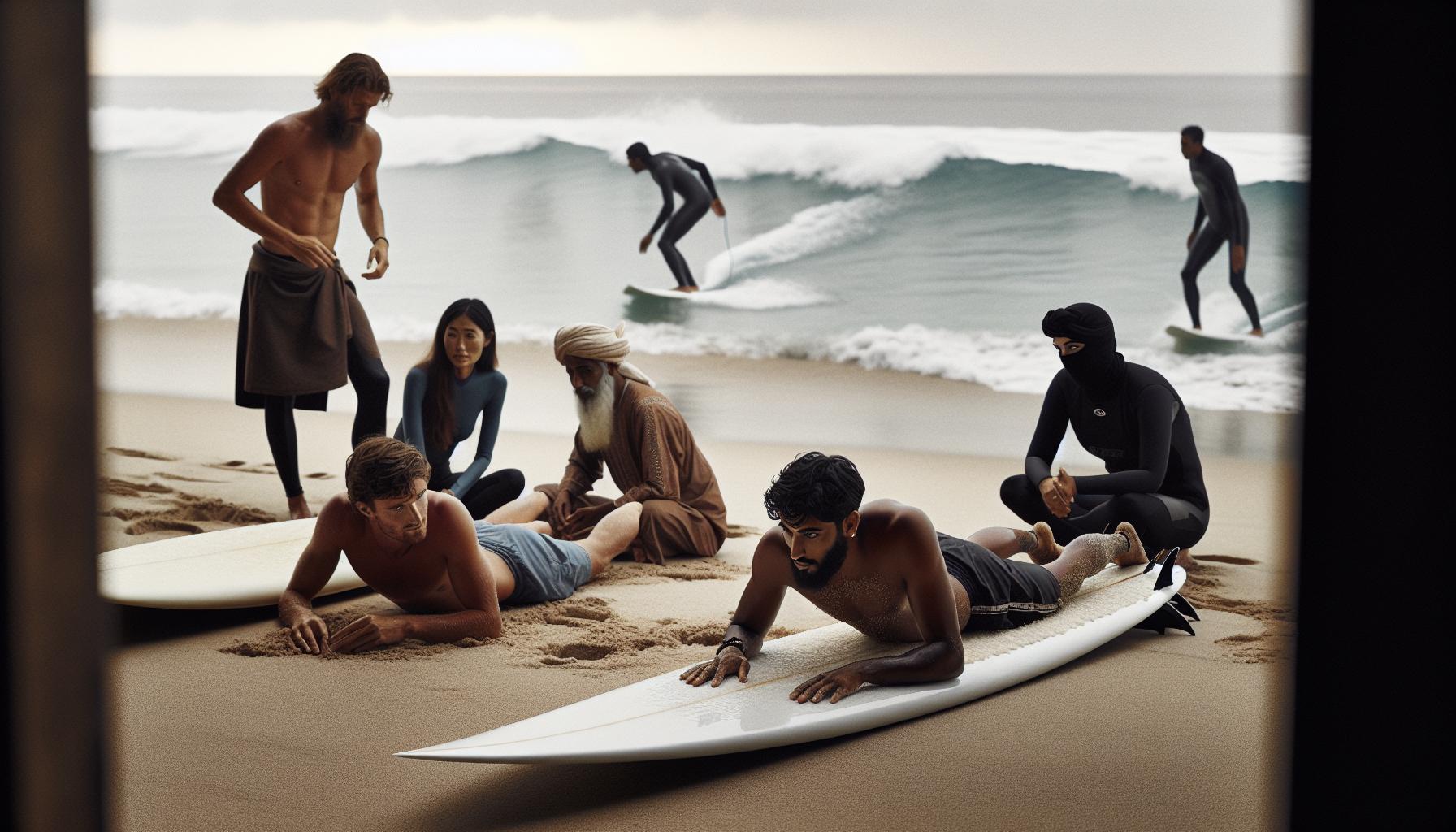
Mastering the Basics: Essential Surfing Techniques
There’s nothing quite like the thrill of catching your first wave-it’s a moment of pure exhilaration where the ocean and the surfer unite. As you paddle out, the sun glistens on the water, the salty breeze fills your lungs, and you become one with the rhythm of the sea. But before you can ride that wave into nirvana, mastering the essential techniques is paramount. Let’s dive into the fundamental surfing techniques that will set you on the path to becoming a confident wave rider.
The first trick up your sleeve is the paddling technique. It’s your lifeline out there, so knowing how to paddle efficiently is crucial. Start lying on your stomach, making sure your body is centered on the board. Use long, sweeping motions with your arms-think of it as drawing circles in the water. Keep your elbows high and engage your core to maintain balance. Remember to alternate sides to avoid fatigue and ensure smoother progress through the waves. As you paddle, keep your eyes peeled for incoming swells; anticipation is half the battle!
Once you’ve mastered paddling, it’s time to work on the pop-up, a critical maneuver that transforms you from a prone position into standing on your board. When you catch a wave, timing is everything. As you feel the wave lift you, quickly pull your knees under your body. Place your hands on the board, just beneath your shoulders, and push up like you’re doing a push-up. In one fluid motion, plant your feet where your knees were, keeping them shoulder-width apart for stability, and bend your knees slightly to absorb the wave’s energy. Picture this moment like a dancer stepping into the spotlight-the transition has to be smooth, confident, and poised.
Another essential technique to master is the turning movement, which allows you to navigate the wave effectively. To initiate a turn, shift your weight onto your heels, gently guiding the board with your body movement. Turn your shoulders in the direction you want to go, which naturally rotates the board. There’s an art to this; it’s all about fluidity and reading the wave. Practice your turns in small sections as the waves roll in, gradually increasing your speed as you gain confidence.
Incorporating these foundational skills into your surfing repertoire opens the door to endless adventure and fun. Remember to be patient with yourself-every great surfer was once a beginner who took the time to practice and embrace the learning process. With the right techniques and a dash of ocean enthusiasm, you’ll soon be carving through waves like a pro, feeling the thrill of the ride pulse through your veins. Happy surfing!
Understanding Ocean Conditions: Waves, Tides, and Safety
The ocean is a breathtaking playground, but diving into it for surfing requires a keen understanding of its ever-changing conditions. From rolling waves to shifting tides, knowing how to read the ocean not only enhances your surfing experience but ensures your safety. Imagine standing on your board, the salty breeze teasing your hair, as you watch the waves break perfectly. That magic can quickly turn into chaos if you’re unprepared for the ocean’s temperament.
To start, let’s explore the waves themselves. Understanding wave formation is key-waves typically roll in sets, with larger swells accompanying smaller ones. This means you’ll often wait for that perfect, high-energy wave to catch. Pay attention to the swell directions and the beach’s geography, as these factors determine wave size and power. For beginners, look for mellow, soft waves that gently roll in-these provide a safer ride and an excellent opportunity to practice your skills. Observe how the waves break, noting the different peaks and where to position yourself to catch them.
Next, the tides play a crucial role in your surfing journey. Tidal movements influence wave height and strength, drastically changing the surfing conditions. High tide can create steep, powerful waves, while low tide often flattens them out. Get familiar with local tide charts and try to surf during mid-tide for a balance that’s typically more favorable for learners. A good general rule? Surfing on an incoming tide often yields better waves than on a falling tide, as the ocean swells are more organized and consistent.
Finally, safety should always be at the forefront of your mind while harnessing the ocean’s energy. Always check for currents and rip tides-they can be deceptively strong and pull you away from shore. Observing seasoned surfers and lifeguards can provide valuable insight into strong currents. If conditions look overwhelming or if you feel uncertain, don’t hesitate to call it a day and head back to shore. The ocean will always be there, eagerly waiting for your next visit. Understanding these conditions fosters not only your growth as a surfer but also deepens your respect and connection to the beautiful ocean that serves as your ultimate playground. Happy surfing!
Essential Surf Gear: What Every Beginner Needs
Ah, the thrill of catching your first wave! Before you paddle out into that exhilarating experience, you need the right gear to make your venture into the surf not just enjoyable but also safe and effective. Picking the essential surf gear isn’t just about style; it’s about comfort and functionality, setting you on the path to becoming a pro in no time.
To kick things off, let’s talk about the most crucial piece-the surfboard. For beginners, a soft-top board is your best friend. These boards are not only more forgiving when it comes to wipes outs, but they also provide better buoyancy, making it easier to catch smaller waves. Opt for a longer board, around 8 to 9 feet, which will give you stability as you learn the ropes. As you progress, you can explore shorter, more advanced boards that suit your style.
Next up, your wetsuit! Depending on the water temperature, a good wetsuit will keep you warm and protect your skin from the sun and surf. In warmer waters, a shorty or spring suit may suffice, while chillier locales might require a thicker full suit. Look for a wetsuit that fits snugly-this is key for warmth-without being too restrictive. A wetsuit’s thickness is measured in millimeters (e.g., 3/2mm), with the first number indicating the thickness of the torso and the second representing the legs.
Now, let’s not forget about some essential accessories. A pair of surf wax will keep your grip strong and secure on your board, ensuring you won’t slip off mid-ride. And don’t overlook the importance of a surf leash! This handy piece of equipment connects you to your board, so when you wipe out-a frequent rite of passage for every beginner-you won’t have to chase your board down the beach. Lastly, a rash guard is a perfect layering piece under your wetsuit, protecting your skin from chafing and sunburn.
With your gear sorted, you’re all set to embrace the waves. Just remember, being well-equipped enriches your surfing experience, letting you focus on honing your skills and basking in the glory of the ocean’s embrace. So grab your gear, hit the beach, and let the adventure unfold!
Building Confidence: Overcoming the Fear of Surfing
Picture this: the sun glistens off the ocean waves, the salty breeze brushes against your skin, and the rhythmic crash of the surf fills your ears. But as you stand on the shore, that rush of excitement is quickly overshadowed by a wave of anxiety. You’re not alone-many beginners feel a flutter of fear as they prepare to take the plunge into surfing. Overcoming this fear is crucial to enjoying your surfing journey and unlocking the joy of riding those beautiful waves.
The first step to building confidence is understanding that fear is a natural part of the process. Like any adventure, surfing comes with its thrills and challenges, and acknowledging your apprehension is healthy. Start by immersing yourself in the ocean’s beauty without getting on the board. Get used to the sensation of the water, float around, and take a moment to appreciate your surroundings. This connection with the ocean can ground you and reinforce that you’re stepping into an ever-changing, beautiful environment.
Practice Makes Progress
One of the best ways to diminish fear is to practice, practice, practice! Begin with smaller, gentler waves where you can focus on your technique without the intensity of larger swells. Consider starting your surf lessons in a controlled environment alongside an instructor. A supportive coach can be invaluable, guiding you through each step as you become familiar with paddling, popping up, and balancing on your board. Each small victory, from catching a mini wave to successfully standing up, will boost your confidence, making the next challenge seem less daunting.
Additionally, visualize your success. Picture yourself gliding on the waves like a pro. Visualization is a powerful technique that can transform fears into confidence by mentally rehearsing positive outcomes. You might even want to watch surf videos or follow experienced surfers on social media to draw inspiration. When you see others enjoying the same experience you’re about to embark on, it becomes a shared journey rather than a solo challenge.
Embracing the community aspect of surfing can also help. Finding a group of friends or fellow beginners can create a sense of camaraderie, making you less likely to feel isolated in your fears. Laughing over the inevitable wipeouts, sharing stoke moments, and cheering each other on can turn anxiety into excitement. The ocean might be vast and powerful, but together, you and your fellow surfers can conquer it!
So, next time you feel that creeping fear, remember that every surfer has been in your shoes. With a bit of practice, preparation, and community support, you’ll find that the waves aren’t the only thing that can lift you up; your newfound confidence will carry you through every session, helping you become one with the ocean. Dive in, lean into the experience, and let the adventure of surfing shape you uniquely.
The Art of Paddling: Strength and Technique
There’s a unique thrill that comes from gliding over the water, feeling the ocean rise beneath you, and riding the momentum of the waves. But before you can live that dream, you must master the foundational skill of paddling-your gateway to every wave. Paddling is more than just a means to get into position; it’s an art that combines strength, technique, and rhythm, much like a dance with the ocean.
The key to effective paddling lies in body position and stroke technique. Start by lying on your surfboard with your body centered; your chest should be high and your hips should sit just above the board. Visualize yourself as a streamlined torpedo, slicing through the water’s surface. Use a long, smooth stroke. Instead of paddling with a frantic splashing motion, extend your arms fully, digging deep into the water as they enter, and pull them back to your sides in a smooth arc. Rotate your shoulders with each stroke-this movement utilizes your core and shoulders, minimizing arm fatigue and maximizing power.
Building Strength and Endurance
Just like any athlete, surfers benefit greatly from strengthening exercises. Building endurance and overall functional strength will not only improve your paddling but can make your entire surfing experience easier and more enjoyable. Incorporate the following exercises into your routine:
- Push-ups: Building upper body strength is essential for powerful paddling. Start with standard push-ups and progress to more challenging variations.
- Planks: A strong core supports your paddling posture and stability on the board.
- Swimming: Practicing freestyle swimming can help mimic the paddle stroke, improving your technique and building stamina.
Don’t forget the importance of breathing technique! While paddling out, practice taking deep breaths to maintain a steady heart rate and keep you calm. Inhale through your nose and exhale through your mouth. This not only aids in relaxation but also ensures you don’t tire out quickly.
Rhythm with the Ocean
Paddling isn’t just about physical strength; it’s also about understanding the rhythm of the waves. As you paddle, watch for those rolling swells approaching. Aim to position yourself just ahead of the wave’s peak. Paddle harder and faster as the wave nears, using its momentum to propel you forward. This synchrony between paddler and wave creates magic-a seamless transition from paddler to surfer.
In conclusion, the art of paddling is your first ticket to surfing success. It’s where you start honing not just your physical skills but also your intimate connection with the ocean. Embrace the learning process, enjoy those early morning sessions, and remember: every great surfer was once just a paddler feeling the waves underneath them. With practice and patience, you’ll soon paddle out like a pro, ready to catch the next exhilarating wave. So, grab your board, find your rhythm, and enjoy the ride!
Perfecting Your Pop-Up: Step-by-Step Coaching
There’s a moment in every surfer’s journey when you feel the rush of a wave beneath your board, your heart racing with anticipation. But for many, this exhilarating feeling hinges on mastering one critical move: the pop-up. Getting this right transforms you from a mere paddler into a rider, elevating your connection with the ocean. It’s like the moment a caterpillar breaks free from its cocoon, ready to embrace the thrilling world of surfing.
To execute the perfect pop-up, you’ll want to start practicing on land first. Begin by lying on your stomach in a push-up position, your hands placed just below your shoulders, mimicking the posture on your board. Focus on engaging your core and positioning your feet flat on the ground, much like they would be on your surfboard. Now, practice pushing yourself up with your arms while simultaneously bringing your knees towards your chest, then place your feet flat on the board. This action should be smooth and explosive, allowing you to stand up without losing balance or momentum.
Step-by-Step Breakdown
- Paddle into the Wave: As you catch a wave, paddle hard to gain speed and ensure your momentum will carry you through the transition.
- Timing is Key: Just as you feel the wave lifting your board, prepare for the pop-up. This is usually when the wave begins to crest, and you’ll feel the pull of the water beneath you.
- Execute the Pop-Up:
- Push up with your arms, using the strength from your shoulders and core.
- As you rise, quickly bring your knees forward under your body.
- Place your feet shoulder-width apart on the board, ideally where your knees were.
- Adopt the Stance: Once you’re standing, keep your knees slightly bent and your weight centered over the board. This stance will help maintain balance as you ride the wave.
- Look Ahead: Always keep your eyes focused on where you’re going, not down at your feet. Your board will follow your gaze, guiding your ride.
Practice Makes Perfect
Perfecting your pop-up takes time and practice, much like learning to dance. The movement should feel fluid, and many surfers find it helps to visualize the process. Imagine the thrill as you glide across the surface of the water-the wind in your face, the salty tang in the air, the rhythmic rise and fall of the ocean. To build muscle memory, practice on land and in shallow water where you can focus solely on the movement without worrying about the wave conditions.
Incorporating this step into your surfing routine is essential. Maybe you can find a friendly beach buddy or a surf coach who can provide feedback. Remember, even the pros were once beginners fumbling with the pop-up. Keep that adventurous spirit alive, and with every attempt, you’ll inch closer to transforming those initial wobbles into smooth rides. Embrace the journey, enjoy those first exhilarating moments, and let the ocean’s rhythm guide you. Soon, you’ll be carving your path through the waves like a seasoned surfer, leaving only the ripples of your excitement behind.
Surfing Etiquette: Navigating the Lineup Like a Pro
When you first paddle out to surf, there’s an electric blend of excitement and anticipation in the air-a symphony of ocean waves crashing, the salty breeze tousling your hair, and the sun dancing on the water’s surface. Yet, as you sit among fellow surfers, it’s crucial to understand that surfing isn’t just about catching waves; it’s also about respecting the lineup and the community that shares the surf. Mastering surfing etiquette is essential for both your enjoyment and the enjoyment of others, transforming an exhilarating rush into a harmonious experience where everyone waves with joy instead of feeling waves of irritation.
To blend seamlessly into the lineup, begin by familiarizing yourself with who has the right of way. The surfer closest to the peak, or where a wave starts to break, generally has the priority to ride it a little further down the line. If you’re further down the line, it’s your responsibility to yield and avoid dropping in-think of it as giving your fellow surfer the spotlight while you set up for the next wave. Also, keep your conversations mellow and to a minimum when waiting for waves; respecting the tranquil vibe enhances the atmosphere and allows everyone to tune into the rhythm of the ocean.
Your Role in the Lineup
As you develop your skills and confidence, it’s just as important to maintain a friendly and inclusive spirit in the water. A simple smile or nod goes a long way in creating a sense of camaraderie. If you see someone struggling, offer a few encouraging words. And if you’re a rookie, don’t hesitate to ask for tips from others; most surfers are more than happy to help. Remember, we’ve all been in those wobbly beginner shoes at one point or another!
Safety First
Above all, safety should reign supreme. A few crucial points to consider include:
- Keep an eye on your surroundings: Always be aware of other surfers nearby, the waves coming your way, and the overall conditions.
- Respect the locals: If you’re at a surf spot that feels foreign, showing respect for those who regularly surf there can set the stage for a positive experience.
- Don’t interfere: Once a surfer catches a wave, avoid paddling directly in front of them. Instead, take a different line or back off to allow them a clean ride.
Embracing the etiquette of surfing isn’t just about following rules; it’s about cultivating a mutual respect and shared joy with those on the same journey. With each wave you ride, let the ocean’s rhythm resonate within you, knowing you’re contributing to a vibrant community of surf lovers who respect the laws of the lineup. So go ahead, dive into the ocean’s embrace, share smiles, and ride those waves like a pro!
Finding the Best Surf Spots for Beginners
Finding the ideal surf spot can feel like uncovering a hidden gem, where rolling waves greet you like old friends and the salty air invigorates your spirit. For beginners, the right location can make all the difference between a thrilling start to a lifelong passion and a frustrating experience that leaves you lost at sea. Look for beaches with gentle, rolling waves-these are the perfect canvases for mastering your skills without the intimidation of choppy waters. Places like Ahukini State Park or the famous Waikiki Beach in Hawaii are often hailed as beginner-friendly because of their predictable swells and welcoming vibes.
When scouting for that perfect spot, keep a few key considerations in mind. First, check the conditions based on the time of year; summer often brings smaller, more manageable waves, ideal for newcomers. It’s also wise to seek out breaks that have lifeguards on duty-they can offer not only a watchful eye but also insights about current conditions. Engaging with local surf schools, like those mentioned on Oregon Surf, can further enhance your experience. They’ll have the inside scoop on daily ocean conditions and even provide basic training on how to respect the surf environment while ensuring your safety.
Factors to Consider
As you embark on your surfing journey, take note of these factors when choosing a surf spot:
- Wave Size: Gentle, smaller waves are generally more suitable for beginners. Look for breaks that crest smoothly instead of crashing violently.
- Crowd Size: While the ocean is vast, busy surf spots can be overwhelming. Opt for less crowded beaches where you can practice without the fear of colliding with more experienced surfers.
- Accessibility: Make sure the surf spot is easy to reach and allows for a comfortable entry and exit into the water.
- Local Expertise: Engaging with local surfers or schools can provide crucial tips and insights on where to go and how to handle the waves.
Exploring Local Spots
Venturing beyond the well-trodden paths can also yield delightful discoveries. Many coastal towns boast their secret beaches, where you might find a perfect wave just for you. Whether you’re dreaming of the pristine shores of Southern California or the rugged coastlines of Oregon, take the time to explore. Remember to respect the local surf culture-nothing enhances your experience quite like sharing a wave with the ocean’s community, where every surfer has a story to tell, and every wave carries a whisper of adventure. Grab your board, consider these tips, and ride into a new world where the ocean teaches you how to dance with the waves!
Staying Fit: Specific Exercises for Surfing Strength
Getting ready to surf is not just about locking in those sweet board shorts and hitting the waves; it’s about building the strength and endurance to carve through the ocean like a pro! Picture this: as you paddle out into the surf, each stroke chisels your shoulders, every pop-up sculpts your core, and that rush of catching a wave becomes your reward for all the hard work. To become a skilled surfer, you need strength and flexibility-not just in your arms, but in your entire body. Here are some specific exercises to help you ride every wave with confidence!
Start your fitness journey with exercises that mimic the movements you’ll make on the board. Push-ups are a classic choice; they enhance your upper body strength, which is crucial for paddling. Try to incorporate variations, such as dive bomber push-ups, that engage your core and help you build muscle in a way that translates directly to surfing. Aim for three sets of 10-15 reps to get that heart pumping. Alongside push-ups, planks will amplify your core stability. Hold a standard plank for 30 seconds to a minute, and once you’re comfortable, switch to side planks to work those obliques-vital for maintaining balance and control while riding waves.
Don’t forget about your legs! Surfing requires explosive power to pop up and pivot. Squats and lunges are perfect for this. You can mix in jump squats to enhance your agility-this mimics the sudden bursts of energy needed when catching a wave. Start with three sets of 10-12 squats and lunges, and sprinkle in some jumping to boost your overall power. Finally, add some yoga into your routine. Poses like Downward Dog and Warrior not only stretch your muscles but also cultivate the balance and mindfulness that are essential for a beautiful ride on the waves.
Incorporating these exercises into your weekly routine will not only get you surf-ready but also keep you fit and healthy all year round! Embrace the burn, feel the rhythm of the ocean in your muscles, and before you know it, you’ll be gliding across the water with the ease of a local surfer. Get out there, have fun, and let the waves teach you the art of surfing-one swell at a time!
Surf Culture 101: Embracing the Lifestyle
Dive into the vibrant world of surfing, where each wave tells a different story and every surfer contributes to a rich tapestry of culture and community. Surfing is not just a water sport; it’s a lifestyle rooted in the values of freedom, respect for nature, and camaraderie among surfers. Imagine kicking off your flip-flops on a sun-drenched beach, the salty breeze tousling your hair while you watch seasoned surfers dance atop the waves, their laughter mingling with the crashing surf. This is the spirit of surf culture, an electric mix of adventure and connection that welcomes enthusiasts of all skill levels.
To truly embrace the surfing lifestyle, it’s essential to understand its core values. First and foremost is the respect for the ocean. The surf community believes in maintaining the health of our seas and beaches, participating in beach clean-ups and shared efforts to protect marine life. This stewardship not only enhances the surfing experience but fosters a deeper appreciation for our natural playground. Whether you’re paddling out into the surf or relaxing on the shore, taking time to recognize the beauty and power of the ocean is a fundamental part of being a surfer.
Beyond environmental awareness, the surfing lifestyle is also about building connections. It’s a community of like-minded individuals, where friendships blossom over shared experiences in the lineup. Locals love showing newcomers the ropes, sharing tips on technique, or simply exchanging stories about their favorite surf spots. The diversity within surf culture means you’ll meet people from all walks of life-artists, musicians, and travelers all united by their love for riding waves. This sense of belonging can be incredibly empowering, creating lifelong bonds as you cheer each other on while catching waves or commiserate over wipeouts.
Getting involved in surf culture also means embracing the gear and style that define it. From brightly colored board shorts that feel like a second skin to the meticulously crafted surfboards that reflect both function and artistry, your gear can become an extension of your identity as a surfer. Don’t shy away from exploring the vast array of surf brands that celebrate creativity and innovation-be it through unique board designs or eco-friendly products that reflect your respect for the ocean. In addition, dive into surf art, music, and films that encapsulate the adventure and allure of the ocean, creating a lifestyle rich in inspiration and creativity.
Finally, never underestimate the power of sharing your journey. Document your progress on social media, connect with other surfers, and join online forums to share tips and experiences. Crafting a personal narrative of your surfing adventures not only enhances your skills but also contributes to the wider surfing story. As you strap on your board and paddle into the waves, remember: you’re not just participating in a sport; you’re joining a global movement that celebrates life, adventure, and the call of the ocean. So wax up your board, feel the sun on your skin, and let the waves teach you their rhythm. Embrace the lifestyle, and let the surf culture shape your journey both in and out of the water!
Tips for Continuous Improvement: Lessons and Practice
Every wave is a chance to learn something new, and as a beginner, embracing that idea can supercharge your surfing journey. Continuous improvement isn’t just about perfecting your technique; it’s about fostering curiosity, embracing the stoke, and allowing the ocean to mold your skills over time. Remember, surfing is a dance with the elements, and every ride, wipeout, and successful turn enriches your experience.
Practice Makes Perfect
To get better at surfing, practice is essential, and it should be as varied as the waves themselves. Start by carving out consistent time to hit the water. Set a schedule that works for you – whether it’s every weekend or a few evenings after work. Focus on different aspects of your technique each time. For instance, dedicate one session to mastering your paddling; feel the rhythm of your movement as you glide through the water, channeling the power of each stroke. Another day could be all about your pop-up technique – visualize that perfect moment where your body shifts from paddle to stand.
Find a local surf buddy or join a surf school for added motivation and tips. There’s nothing quite like the sound of laughter and encouragement as you conquer a wave together! If you’re out there solo, don’t forget to document your progress. Consider investing in a waterproof camera to capture your rides and analyze them later. This not only adds fun to your sessions but enables you to see your improvements firsthand and spot areas that need work.
Learn from the Ocean
Understanding the ocean is paramount for any surfer hoping to improve. Pay close attention to the waves and tides – a little knowledge goes a long way. Spend time just watching the water before you paddle out; observe where others are catching waves and note the tide patterns. The ocean is ever-changing, and learning to read its moods can be your secret weapon to scoring the best waves.
Joining local surf forums and engaging with the community can also provide invaluable insights. Experienced surfers are often eager to share tips about spot selection and conditions. Don’t shy away from asking questions and soaking up the experiences of others; that camaraderie is part of what makes surfing special. Always be keen to learn from your surroundings and incorporate feedback into your practice; every whisper of the ocean can teach you something new.
Stay Fit and Flexible
Physical fitness plays a key role in surfing performance. Integrating specific exercises into your routine can enhance your strength, balance, and endurance, making those long days spent riding waves much more enjoyable. Consider activities like yoga for flexibility, swimming for stamina, or strength training focused on core stability. Simple exercises like push-ups, planks, and squats can immensely benefit your paddling and balancing skills.
Also, remember to give yourself grace as you leap into improvement – surfing is as much about mental strength as it is physical. Celebrate small victories, recharge with rest, appreciate those exhilarating moments where you feel like you’re flying, and learn from wipeouts with a smile. Each session brings you closer to the surfer you aspire to be, so gear up, hit the beach, and let the waves provide the lessons you crave!
Faq
Q: What are the best beginner surfing lessons for adults?
A: The best beginner surfing lessons for adults typically include a blend of hands-on instruction and safety education. Look for local surf schools that offer small group sessions with certified instructors. Consider schools that provide equipment and practical tips, ensuring you find one with positive reviews and a friendly environment to boost your confidence.
Q: How long does it take to learn surfing as a beginner?
A: Learning to surf as a beginner can vary based on individual dedication and conditions. Generally, expect to gain basic skills within a few weeks to a couple of months of consistent practice. Weekly lessons, along with self-study and additional practice, can dramatically improve your surfing abilities.
Q: What is the best time to learn surfing for beginners?
A: The best time to learn surfing for beginners is during summer months when the ocean conditions are typically calmer and more forgiving. Early mornings or late afternoons are ideal, as they often provide less crowded beaches and more manageable waves. Observe the local surf culture for beginners’ session hotspots!
Q: What safety precautions should beginners take when learning to surf?
A: Safety precautions for beginner surfers include wearing a leash and proper surf gear, always checking local surf conditions, and ideally surfing with a buddy. Stay aware of the tides and currents, and never surf in areas designated for advanced surfers. A knowledgeable instructor can guide you through these safety measures effectively.
Q: How can beginners improve their surfing skills quickly?
A: Beginners can improve their surfing skills quickly by practicing regularly, focusing on technique, and getting feedback from experienced surfers or instructors. Supplement your surfing with specific strength and balance exercises to enhance your performance in the water. Consistency and determination are key!
Q: What type of surfboard is best for a total beginner?
A: A soft-top longboard is the best choice for total beginners due to its stability and safety features. These boards make paddling easier and provide a larger surface area for balance, helping you stand up quickly. Check out the section on selecting the right surfboard to explore different options!
Q: Are there specific beaches recommended for beginner surfers?
A: Yes, specific beaches ideal for beginner surfers often have gentle, rolling waves and minimal current. Seek out local spots known for their friendly surf conditions. Joining a community or asking local surfers can lead you to popular beginner locations with supportive atmospheres.
Q: What should I do if I get knocked off my board while surfing?
A: If you get knocked off your board while surfing, stay calm and keep your eyes on your board to avoid injuries. Swim towards the shore or the side, depending on the current, and avoid panicking. Water safety protocols and practicing mindfulness can make your experience safer and more enjoyable. Check the section on building confidence for more tips!
In Conclusion
As you paddle out into the shimmering blue, remember that every wave is a new opportunity to grow your skills and deepen your love for surfing. You’ve learned the essentials in our “How To Learn To Surf: Beginner’s Step-by-Step Guide,” from the best techniques to catching those thrilling waves, but the adventure doesn’t stop here! Keep the momentum rolling by diving deeper into surf etiquette and wave selection on our Oregon Surf Camps page, or check out our tips for beginner surfers that will help you navigate the ocean like a pro.
The ocean is calling-don’t just dip your toes in; embrace the spirit of the surf! If you have questions or need personal advice, drop a comment below. And if you’re ready to level up, don’t forget to sign up for our newsletter to get the latest surf tips and gear reviews delivered straight to your inbox! Let’s chase those waves together; your surf journey is just beginning! 🏄♀️🌊
Get our latest guides, news, and insights highlighted in your Google Search & AI Overviews.