
Imagine the rush of catching your first wave-the moment when you transition from lying flat on your board to standing tall, riding the crest of a shimmering wave. This magical move, known as “popping up,” is essential for every surfer, whether you’re just starting or looking to refine your technique. Mastering this skill not only enhances your surfing experience but also boosts your confidence in the water. In this guide, we will break down the popping up technique step by step, helping you navigate the often-challenging waters of learning to surf. With clear tips and actionable advice, you’ll be well on your way to standing tall on your board and embracing the exhilarating surf culture. So grab your board, feel the salty breeze, and let’s dive into the art of popping up like a pro!
How Surfing Transforms You: Embrace the Thrill
The moment you catch your first wave, a wave of exhilaration surges through your veins-it’s a feeling like no other. Imagine standing on your board, feeling the gentle swell of the ocean beneath your feet, sun glinting off the water, and that refreshing spray hitting your face as you ride. Surfing isn’t just a sport; it’s a transformative experience that reshapes your perception of the world and yourself. Embracing the thrill of riding the waves pushes your limits, ignites your adventurous spirit, and fosters a deeper connection with nature.
Every session introduces you to a unique blend of unpredictability and excitement, igniting your senses and offering lessons that extend far beyond the surf. Whether you’re a novice learning to pop up or an experienced rider refining your style, the ocean becomes your classroom. The thrill of standing up on your board for the first time-after countless attempts-gives you a sense of accomplishment that whispers, “You can do anything.” Each wipeout is a badge of courage, reminding you that every great surfer has faced the unforgiving ocean floor at some point. This acceptance of challenges helps cultivate resilience and a growth mindset; the ocean teaches us to embrace discomfort and learn from our experiences.
Additionally, the camaraderie shared among fellow surfers fosters a community of support and motivation. You’ll exchange tips about the perfect timing to pop up or the right stance for various wave conditions, creating bonds over shared experiences that can last a lifetime. The stories shared on the beach, the laughter at each other’s attempts, and the joy of celebrating successes-these moments enhance the surfing culture that makes the experience enriching.
By immersing yourself in the surfing world, you not only transform physically but mentally and emotionally as well. As you navigate your journey on the waves, remember to celebrate each small victory, each splash that sends you tumbling; it’s all part of a beautiful transformation that goes beyond just popping up on your board. So, buckle your leash, paddle out, and let the ocean’s thrill take you on an unforgettable ride!
Essential Gear: Choosing Your Ideal Surfboard
Choosing the right surfboard can feel like picking the perfect wave-both thrilling and a bit daunting! With so many shapes, sizes, and materials out there, it’s easy to get lost in the selection process. Your ideal surfboard is not just a piece of equipment; it’s your trusty partner in pursuit of that exhilarating moment when you finally pop up on your feet and ride the wave. Understanding the fundamentals can make your surfing experience more enjoyable and accelerate your learning curve.
When selecting your surfboard, consider your skill level, the type of waves you wish to ride, and your physical attributes. For beginners, a wider, longer board often offers more stability and buoyancy, making it easier to catch those early waves and practice your pop-up technique. Shortboards are generally preferred by more experienced surfers looking for performance in bigger and more powerful waves, but they require more skill and balance. Here’s a quick breakdown of popular surfboard types:
Types of Surfboards
- Longboards: Typically 9 feet or longer and perfect for beginners or those who enjoy a relaxed ride. They’re great for small to medium waves and offer a smooth experience.
- Funboards: A blend of long and shortboards, measuring between 7 to 8 feet. They provide stability like a longboard but allow more maneuverability.
- Shortboards: Ranging from 5 to 7 feet, they are designed for performance and fast turns in powerful waves. Ideal for advanced surfers skilled at popping up quickly.
- Fish Boards: Shorter and wider with a unique swallowtail design, these boards are perfect for good wave conditions and can help you catch more waves with less effort.
Next, don’t overlook the material and construction. Most boards are made from polyurethane (PU) foam with fiberglass, providing a classic feel, or epoxy, which is lighter and more durable-ideal for those who travel often with their gear. If you’re a surfer keen on the environment, consider eco-friendly options made from sustainable materials.
As you stand at the surf shop, don’t hesitate to ask for a demo. Many shops offer rentals or allow you to test ride different boards. This hands-on approach not only helps you understand your personal preferences but also eases your mind as you prepare to pop up on your first wave. Remember, the right surfboard will complement your style and facilitate growth as a surfer. So go ahead, grab your board, and feel the thrill of riding the open sea! Your adventure awaits!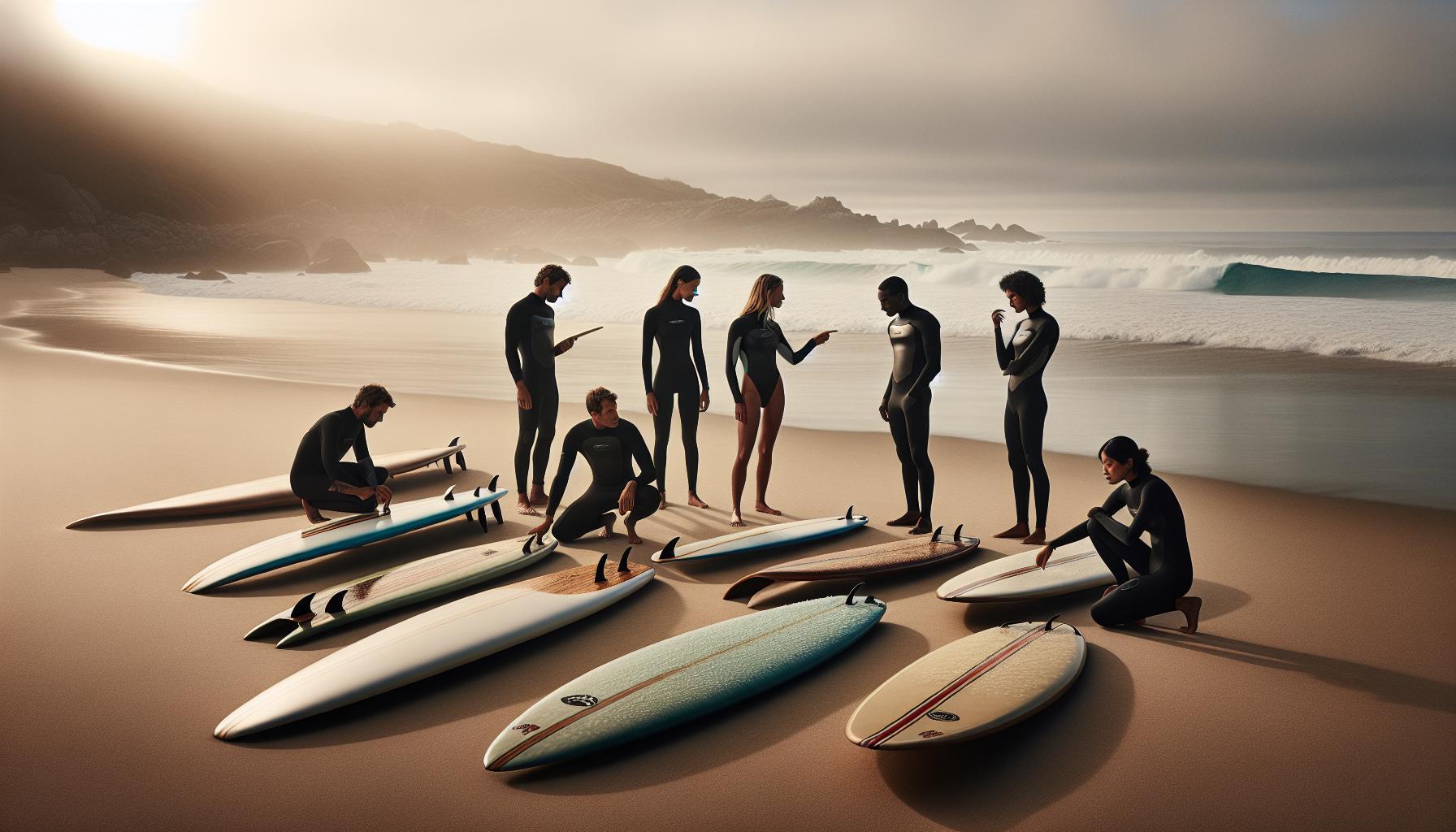
Understanding the Pop-Up: Physics of Balance and Motion
The magic of riding a wave begins with a dynamic movement known as the pop-up, where balance and motion coalesce into a ballet of physics on water. Imagine the rush as you glide atop a swelling wave, the sound of crashing surf mingling with the rhythm of your own heartbeat. As you transition from lying prone on your board to standing upright, understanding the underlying principles of balance and motion can make all the difference in your experience and success.
At its core, the pop-up hinges on your center of gravity and how you distribute your weight. Your body must act as a pendulum, moving fluidly to maintain balance while also reacting to the unpredictability of the ocean surface. As you push up from the board, distribute your weight evenly along your feet to prevent the board from tipping sideways. Think of your feet like an anchor-planted solidly yet flexible enough to allow for adjustments as the wave carries you forward. An essential tip here is to engage your core; a strong midsection provides stability, making it easier to control your balance.
Another key element of the pop-up process is timing with the wave’s energy. As the wave begins to rise, you shouldn’t just react; instead, you should anticipate the motion. This anticipation creates a seamless connection with the wave – a moment where your intended movement syncs perfectly with the wave’s peak. Practice visualizing this timing while watching seasoned surfers; note how their bodies move in harmony with the wave. It’s that magical moment when adrenaline meets intention.
To visualize the body mechanics, consider the following steps in the pop-up process:
- Ready Position: Start by lying flat on your board, with your hands placed just below your shoulders.
- Push Up: With a strong motion, push yourself up while simultaneously bringing your legs under you in one fluid movement.
- Feet Placement: Land your feet shoulder-width apart, trying to keep your knees slightly bent for better balance.
- Find Your Stance: Adjust your weight as needed, keeping your eyes forward to maintain balance and direction.
Remember, practice is vital in mastering this transition. Spend time on land practicing your movements and visualize the process. Once you hit the waves, keep your mind open and, more importantly, enjoy the ride. Surfing is not just a sport; it’s an experience that intertwines you with nature, leaving you buzzing with joy and anticipation for every wave ahead!
Step-by-Step: Mastering the Perfect Pop-Up Technique
The exhilarating moment when you transition from lying on your board to standing tall on a wave is one of surfing’s purest joys. To master the pop-up, you’ll need to blend strength, timing, and fluidity-qualities that any surfer, from novice to expert, strives to refine. Picture yourself catching that perfect wave, a glorious swell rising beneath you, and with the right technique, you’ll feel the life of the ocean surge through you as you rise to your feet, balance, and ride.
To kickstart this journey, let’s break down the pop-up into concise, digestible steps. Begin in the ready position: lie flat on your board, ensuring your head is level with the nose of the board. This alignment is crucial as it sets you up for success. With your hands positioned just below your shoulders, take a deep breath, feel the rhythm of the ocean, and get ready to harness that energy.
Next comes the push-up. Engage your core and with swift agility, push yourself up like a spring, bringing your legs under you in one smooth motion. Think of it as a dance-a quick, sharp transition that should feel natural over time. As your feet come down, aim for feet placement: land shoulder-width apart, keeping your knees slightly bent. This stance ensures better balance when the wave starts to propel you forward.
Lastly, find your stance by subtly adjusting your weight. Keep your eyes forward; where you look is often where you’ll go. This moment is about alignment not just with the board, but also with the wave’s rhythm. Feel the energy around you and let that confidence ripple through your movements. Remember, this isn’t just about mechanics; it’s a connection to the ocean itself. Practice these steps on land if you can, visualizing the ocean’s energy guiding you, and when you hit the waves, let that anticipation fuel your ride ahead!
By approaching the pop-up with enthusiasm and practice, you’ll soon be embracing the exhilarating call of the surf, each wave an opportunity to further embrace the thrill of surfing life!
Common Mistakes: Avoiding Pop-Up Pitfalls
The thrill of the wave beckons, but before you find your feet and ride with grace, it’s crucial to navigate the common pitfalls that can trip up even the most eager surfers. As exhilarating as the pop-up can be, many beginners stumble into repetitive mistakes that can hinder their progress and diminish the joy of catching a wave. Understanding these blunders is the first step towards transforming your transition from prone to standing into a smooth and confident maneuver.
One of the biggest culprits of a botched pop-up is incorrect timing. Surfers often rush through the push-up phase, springing to their feet before the wave has truly lifted them. This hasty approach not only leads to balance issues but can also result in an unceremonious wipeout that leaves you tumbling beneath the surf. Timing is everything-wait for that gentle surge beneath you, rise with the swell, and synchronize your movement with the wave’s power. That sweet spot between lying down and popping up should feel like dancing with the ocean rather than forcing your way onto the board.
Another common mistake is failing to establish a proper foot placement. Many surfers set their feet too close together or don’t land in a stable, shoulder-width stance. You want to create a solid base to ride from; landing with your feet too close can throw off your balance and make it difficult to steer. Practice your foot placement while on land to develop muscle memory-imagine the surf beneath you as you transition from a push-up to a standing position. Keeping your knees bent will help absorb the wave’s movement and maintain your center of gravity as you ride through every undulation.
Lastly, mental chatter can often disrupt your focus. As you prepare to pop up, it’s easy to become overwhelmed by the sound of crashing waves or the sight of other surfers zipping by. Embrace the beauty of your surroundings-the warm sun, the salty spray, and the rhythmic crash of the sea. By staying present and calming your mind, you can execute the pop-up more fluidly and confidently. Visualize your success as you prepare to stand; let the impending joy of the ride energize your movements and quiet those nerves.
In the end, remember that every surfer has faced these hurdles and emerged triumphant. With practice and mindfulness, you’ll soon be rising with ease, conquering the waves, and basking in the thrill that is surfing. Keep riding those waves of perseverance and enthusiasm, and before long, you’ll be sharing your own tales of triumph over pop-up pitfalls with newcomers to the surf community!
Building Core Strength for Surfing Success
Building solid core strength isn’t just about rocking a six-pack; it’s the secret sauce for mastering your pop-up and cruising gracefully on the waves. Your core-comprising your abdominals, obliques, and lower back-acts like a bridge between your upper and lower body, stabilizing you as you ride the volatile ocean swells. Imagine the waves beneath you, the salty breeze on your face, as you connect with the rhythm of the surf. The stronger your core, the more confidence you’ll unleash, allowing you to navigate every twist and turn with finesse. Dive into some easy yet effective exercises that can enhance your surfing prowess and get you ready to pop up like a seasoned pro.
To build that essential core strength, consider incorporating a mix of stability and mobility exercises into your routine. Here are a few favorites that surfers swear by:
- Planks: Hold a plank position-either on your forearms or hands-for 30 seconds to start, aiming to increase your duration as you get stronger. This simple yet effective move targets your entire core and teaches you how to engage those muscles while maintaining balance.
- Russian Twists: Sit on the ground with your knees bent, lean back slightly, and twist your torso from side to side while holding a weight or a medicine ball. This exercise simulates the rotational movements you’ll make when you paddle and pop up.
- Bird-Dogs: On all fours, extend one arm forward and the opposite leg back. Hold for a moment, then switch. This move promotes stability and coordination, vital for keeping your balance on the board.
Incorporating these exercises into your workout routine doesn’t have to be daunting. You can perform them while listening to your favorite surf band, infusing that beach vibe into your training, or even right on the shore-feel the sand between your toes as you strengthen your body. Remember, it’s not just about hitting the gym; you can also engage in fun activities to boost your core strength, like yoga or even paddleboarding. Both activities enhance balance and core engagement, making them excellent complements to your surfing journey.
As you dedicate time to strengthening your core, you’ll find that popping up on your board becomes second nature. The additional power in your core translates into improved balance and control, making those moments when the wave lifts you feel effortless. Picture this: you catch a wave, feel the swell beneath you, and as you pop up, every muscle in your body works in harmony-this is the feeling of freedom that surfers chase! So, embrace the journey of building your strength; each session counts toward riding those tides with confidence and joy. Surf’s up!
Timing the Wave: When to Pop Up for Maximum Ride
As you paddle out, adrenaline flows through your veins, and the salty breeze tousles your hair. The moment you catch sight of that perfect wave forming, a wave of excitement rushes over you. But here’s the deal: timing your pop-up is everything. It’s the difference between experiencing the thrill of riding a wave and tumbling into a watery tumbleweed. Understanding when to pop up is an art, honed by observing the rhythms of the ocean.
The best time to pop up is just as the wave starts to swell beneath you, lifting your board. Look for the sweet spot: you want to feel the surge of the wave pushing you forward. Too early, and your board may not gather enough speed, causing you to nosedive; too late, and you risk getting wiped out as the wave breaks over you. Picture yourself gliding; it’s almost like dancing with the ocean. As you see the wave lifting, take a moment to brace yourself-this is when your heart races, and your focus sharpens. Aim to pop up when you’re already feeling that acceleration; it’s all about that exhilarating flip of motion that propels you upwards and onwards.
To help nail your timing, start by watching surfers ride the waves. Notice how they pop up in response to the wave’s energy rather than just the wave itself. You may find it helpful to practice this timing while you’re on flat water too. Lie on your board and have a friend call out when they think a wave is about to break, then practice popping up as if you were catching that imaginary wave. This will give you the muscle memory needed to feel the right moment when it’s time for the real deal.
Key Tips for Timing Your Pop-Up
- Watch the Horizon: Keep your eyes peeled for the wave’s peak-knowing when it’s at its best will guide your moment to pop up.
- Feel the Power: Sense the wave’s energy building; when you feel that surge, it’s your cue!
- Practice Makes Perfect: Use a soft top surfboard for practice, as it allows you to fall without fear while you refine your timing on soft swells.
Every surfer has their unique rhythm, and soon, you’ll find yours too. Embrace those small wins, like nailing a perfect pop-up once out of ten attempts, and don’t sweat falling just yet-it’s part of the journey. Each splash you take brings you closer to mastery. Trust your instincts, feel the wave, and ride the adrenaline-before you know it, you’ll be riding waves like a seasoned pro. Surf’s up!
Practicing on Land: Exercises That Prepare You
There’s nothing quite like the feeling of riding a wave, but before you can dive into the surf, mastering the pop-up technique on solid ground is crucial. Practicing on land can feel a bit unusual at first-like rehearsing for a dance without the music-but it’s these exercises that will lay the foundation for your success in the water. Think of it as your dry-land warm-up, a sneak peek into the rhythm and timing that surfing demands. By integrating specific drills into your routine, you’ll build muscle memory and improve your confidence, making your first pop-up on a wave a thrilling victory rather than a wipeout.
Start by honing your balance, which is essential for the pop-up. One fun way to do this is by using a balance board or even a skateboard. Here’s how to get it done: stand on the board, focus on your foot positioning, and practice shifting your weight as if you’re adjusting to the movements of a wave. Incorporating yoga into your daily routine is another brilliant way to enhance your stability. Poses like the Warrior II and Tree pose not only strengthen your core but also improve your proprioception. You’ll be amazed at how dynamic stretching and mindful balance practice transform your ability to pop up swiftly when it counts.
When it’s time to practice the actual pop-up, find a flat surface and lay down on your board-preferably one that replicates your surfboard’s size-so you can visualize your movements effectively. Start by pushing up with your arms, lifting your torso while keeping your feet planted. Then, with a powerful thrust from your legs, snap your feet beneath you to land in a standing position. Focus on this sequence: hands down, chest up, feet in. Repeat this motion a few times to develop fluidity. Ideally, incorporate a friend to provide feedback or even time how fast you can pop up. Challenge yourself to minimize the time it takes while maintaining form-it’s these small hurdles that fuel your progress.
Lastly, don’t forget to sprinkle in some general strength and endurance training to complement your surf-specific exercises. Engaging in planks, push-ups, and even some light agility drills can enhance your overall fitness. Picture yourself catching waves, the sea spray in your eyes, and the exhilarating rush of gliding through an ocean swell-those dream surf moments become attainable when your body is primed and ready. Embrace each practice session with enthusiasm; after all, every attempt brings you closer to conquering the waves and carving your name in surf history. Surf’s up, and so is your potential!
Adapting Your Technique for Different Surf Conditions
Every surf session presents a unique canvas, influenced by the interplay of wind, tide, and swell. Just as a painter adapts their brush strokes to capture the essence of their subject, a surfer must adjust their pop-up technique based on the conditions of the day. Whether you find yourself facing knee-high ripples or massive, barreling waves, understanding how to adapt is essential to riding those waves with confidence and style.
To begin, let’s consider the condition of the waves. In smaller, softer waves, the pop-up can be more relaxed, allowing you to take your time and focus on balance rather than urgency. Here, your pop-up should be fluid and controlled. Instead of an explosive burst, push up steadily with your arms while simultaneously drawing your knees to your chest; this prepares you for a smooth transition to standing. In contrast, larger, more powerful waves demand a quick and decisive pop-up. As the energy of the wave pushes you forward, timing becomes critical. Aim to pop up immediately as you feel the lift, almost as if you’re being propelled up by the wave itself. This sharpness reduces the chance of getting caught in the wave’s lip and losing momentum.
In terms of positioning, how you place your feet can greatly impact your stability. In choppy waters, where the ocean is in constant movement, keep your feet more centered and lower on the board to maintain balance. This position allows you to react quickly to any sudden shifts beneath you. Conversely, in cleaner conditions, a wider stance on your board-feet shoulder-width apart-will offer you better leverage to carve and turn. Make sure to engage your core throughout your ride, allowing for fluid adjustments based on how the wave unfolds.
Here’s a quick checklist to help you adjust your technique based on surf conditions:
- Small/Soft Waves: Use a relaxed pop-up; focus on balance; ensure a smooth transition.
- Large/Powerful Waves: Execute a quick, explosive pop-up; stay alert to prevent being unseated.
- Choppy Conditions: Keep your feet centered for balance; maintain a lower center of gravity.
- Clean Conditions: Use a wider stance to enable better carving and maneuverability.
It’s a thrilling adventure facing Mother Nature in all her moods. Engage your senses as you adapt; feel the spray mist against your skin, listen to the crash of waves, and taste the salt on your lips. Practicing adaptability not only enhances your skill but also enriches your connection to the ocean, making every ride-whether a smooth peel or a wild ride-part of your surfing journey. Embrace these variations with enthusiasm and watch as each surf session transforms you into a more versatile and confident surfer.
Staying Calm Under Pressure: Pop-Up Mentality
When you’re paddling into a wave, excitement and adrenaline can be intoxicating. But just like a seasoned surfer knows to ride the waves, mastering the mental game is equally crucial to your success on the board. Staying calm under pressure can mean the difference between a glorious ride and a tumble into the depths of the ocean. Embracing this mental aspect of surfing is essential for all skill levels, transforming anxiety into effortless grace as you pop up to your feet.
Imagine the sun glinting off the wave’s crest as you feel the swell beneath you. There’s a moment, a heartbeat, where everything aligns, and your instinct kicks in. The key is to focus on your breathing. Deep, steady breaths can quell that rush of adrenaline that threatens to pull you under. When you feel the wave lift you, it’s time to let your body take over. Visualize your movements before they happen: picture your hands pushing up and your feet finding their place on the board. This mental rehearsal calms your mind and prepares your body to respond naturally, allowing you to pop up fluidly, rather than with frantic energy.
As you shift into this empowered mindset, trust becomes your ally. Picture your first successful pop-up or that epic wave you conquered-those mental snapshots help anchor your confidence. Embrace the thrill of the ocean dance; recognize that every wipeout is a lesson wrapped in nature’s challenges. Celebrate small victories: each time you catch a wave, whether you stand up or not, is a success in itself. With practice, you’ll develop muscle memory that requires less conscious thought, freeing you to enjoy the ride instead of grappling with nerves.
To enhance your calm under pressure, here are some practical tips to incorporate into your surf sessions:
- Practice Mindfulness: Spend a few moments before hitting the water to ground yourself; feel the sand beneath your feet and the sun on your skin.
- Visualize Success: Before your next surf, visualize your pop-up, focusing on each step of the process, as if you’re rehearsing a performance.
- Stay Present: Concentrate on the current conditions-the rhythm of the waves, the wind, and your surroundings. This awareness can slow your heart rate.
- Embrace the Wipeouts: Understand that falls are a part of the journey; they teach resilience and bring you closer to mastering your technique.
With the ocean’s melody in your ears and the salty breeze against your skin, find joy in each moment spent on the water. As you cultivate your pop-up mentality, remember: the waves are forgiving, and every session enriches your connection to this beautiful dance of nature. Embrace the adventure, stay present, and let the thrill transform you into the surfer you aspire to be!
Celebrating Your Progress: The Journey of Learning
There’s an undeniable magic to surfing that unfolds each time you ride the waves-every wobble and wipeout is part of a larger narrative that shapes your skills and boosts your spirits. Progress in surfing isn’t just about catching bigger waves or mastering more challenging maneuvers; it’s about embracing each moment as a step towards becoming more attuned to the ocean and your abilities. Each surf session brings unique experiences, and every little win should be celebrated like a personal victory in this thrilling journey.
Recognizing your improvements, whether they’re as grand as standing up on your board for the first time or as subtle as bettering your balance, fosters a sense of confidence that propels you forward. Take the time to reflect on your sessions; did you find that perfect spot to pop up, or did that wave manage to sweep you off your feet? These moments are significant! Documenting your progress through a surf journal can be both fun and motivational. Jot down the waves that challenged you, tricks you attempted, or even your feelings out in the water. Not only will this serve as a reminder of how far you’ve come, but it will also help you focus on specific areas for improvement.
To actively celebrate your progress, set small, achievable goals for each surf session. These can be as simple as practicing your paddling technique, refining your pop-up, or even catching a specific number of waves during your time in the water. After each session, take a moment to reflect on what you accomplished. Remember, every surf trip is a chance to learn something new, and each catch-even if it’s just smooth gliding over a small wave-is proof of your growing connection to this captivating sport.
As you embrace this journey, it’s essential to keep the joy alive. Share your experiences with friends, and engage in the vibrant surf culture around you. Head to the beach with fellow surfers and cheer each other on; create a community where victories are celebrated, and wipeouts are shared with laughter. After all, each time you hit the water, you’re not only riding the waves but writing your story within the ever-expanding tapestry of surf culture. So grab your board, feel the salty breeze, and let the ocean guide you on this incredible adventure-you’re in for a wild ride!
Advanced Pop-Up Techniques: From Intermediate to Pro
Every seasoned surfer knows that the pop-up is the gateway to board control and wave riding brilliance. It’s that exhilarating moment when your heart races, the ocean roars, and you transition from paddling to standing tall on your board. To truly elevate your pop-up game from solid intermediate to pro status, you’ll need to focus on advanced techniques that refine your agility, timing, and technique. Let’s dive deep into those crucial steps that can make a world of difference.
At this level, timing and positioning are everything. As you paddle for a wave, start by feeling its energy rather than merely watching it. You’ll want to pop up as the wave begins to lift your board. This requires a keen sense of when the wave starts to drop behind you. A well-timed pop-up not only ensures a smoother transition but also gives you immediate momentum. To enhance this, try visualizing your stance. Imagine your feet hitting the board in a fluid, explosive burst, landing in your ideal riding position. Keep your knees slightly bent to absorb the wave’s energy and maintain balance as you stand.
Refining Your Technique
Adjust your body movements to facilitate a seamless rise into the standing position. Instead of pushing off in a rigid manner, aim for a fluid motion where your hips lead the charge. Imagine your bottom half as a spring-quick and dynamic. Here’s a quick checklist to elevate your pop-up:
- Body Position: Align your shoulders directly over your hands during the initial push-off.
- Foot Placement: Aim to land your feet shoulder-width apart, ideally with your back foot slightly near the tail for better control.
- Look Ahead: Focus your gaze on where you want to go instead of downward; this keeps your body in a natural upright position.
Practicing on land is an underrated way to master your pop-up. Try it on a yoga mat or even on the beach to get used to the motion without the distraction of the water. This not only builds muscle memory but also strengthens the core and upper body, enhancing your balance for those crucial moments on the wave.
Critical Mindset and Wave Adaptation
As you progress, the mental component becomes significant. Embrace the pop-up mentality-it’s all about staying calm and confident under pressure. Each wave presents unique challenges, so your pop-up should adapt accordingly. For steeper waves, pop up faster while for softer waves; allow yourself a moment to establish a solid footing before leaping into action. Embrace every wipeout as a lesson-after all, it’s through our falls that we learn the best ways to rise again.
Remember, surfing is not just a sport; it’s a rich culture teeming with stories, laughter, and camaraderie. Engage with fellow surfers, participate in local events, and share your progress. The true essence of surfing thrives on shared experiences, so celebrate every achievement-whether big or small. Keep tuning into the ocean’s rhythm, and let your pop-up become nothing less than a dance with the waves!
Q&A
Q: What are the best exercises to improve my pop-up technique on a surfboard?
A: To improve your pop-up technique, focus on core-strengthening exercises like planks and sit-ups, combined with push-ups to enhance arm strength. Practicing jumping from a squat position can mimic the pop-up motion, making your movements more instinctive in the water. Try also practicing on a balance board to simulate surf conditions.
Q: How can I maintain balance while popping up on a surfboard?
A: Maintaining balance during your pop-up starts with proper foot placement. Keep your feet shoulder-width apart and shift your weight onto your back foot as you rise. Engage your core to stabilize your body and use your arms to help with balance. Visualize your center of gravity over the board to stay grounded.
Q: Why do I fall frequently when I try to pop up on my surfboard?
A: Falling frequently when popping up could be due to improper timing or muscle engagement. Ensure you’re popping up at the right moment-when the wave begins to push you forward. Practice engaging your core and using quick, fluid motions rather than rushing, to create a smoother transition to standing.
Q: When is the best time to pop up while catching a wave?
A: The best time to pop up is when the wave begins to lift you. Look for the moment when you feel the wave’s push beneath you, usually as it crests. Popping up too early can lead to falls, while too late might cause you to miss the wave entirely. Practice your timing to improve your success rate.
Q: What mental strategies can help me stay calm while learning to pop up?
A: Stay calm by focusing on your breath and visualizing a successful pop-up. Before entering the water, pause to mentally rehearse your technique. In the moment, remind yourself that falling is part of learning. Embrace the ocean’s rhythm and your connection with the surf to build confidence.
Q: How can I practice my pop-up technique without being in the water?
A: You can effectively practice your pop-up on land. Use a yoga mat or soft surface to mimic the feeling of a surfboard. Start on your stomach, then pop up into your riding stance. Repeat this motion until it feels second nature, making it easier to execute when catching real waves.
Q: What equipment can help improve my pop-up on a surfboard?
A: Equipment such as a balance board or exercise ball can significantly enhance your pop-up. These tools help develop core strength and balance, simulating the motions needed for popping up effectively. Using resistance bands for strength training will also build the necessary muscle memory for the surf.
Q: Are there specific types of surfboards that can make the pop-up easier?
A: Beginner-friendly boards such as soft-top surfboards or longer boards provide greater stability and ease for popping up. Their buoyancy allows more time to react and adjust your position. As you build confidence, consider transitioning to shorter boards that require more skill for effective pop-ups.
Insights and Conclusions
Congratulations, wave riders! You’ve now got the keys to mastering the pop-up technique that will have you standing tall on your surfboard in no time. Remember, practice is your best friend-embrace every moment on that board, feel the salty spray, and listen to the rhythmic roar of the ocean. Don’t shy away from the waves; they’re calling your name!
If you’re eager to take your skills to the next level, check out our guide on Surfing Techniques for Intermediate Surfers and our top picks for the Best Surfboards for Every Level. And why not dive deeper into our Surfing Gear Essentials to make sure you’re fully equipped for that next big swell? Your oceanic journey is just beginning!
Share your experiences in the comments below-we’d love to hear about your progress! Don’t forget to subscribe to our newsletter for more tips, tricks, and surf culture insights. So grab your board and get back out there; the waves are waiting, and every ride is your chance to shine!
Get our latest guides, news, and insights highlighted in your Google Search & AI Overviews.