
Imagine the exhilarating rush of gliding atop a cresting wave, the sun glinting off the ocean’s surface as you feel the force of nature propelling you forward. Mastering the pop-up is key to unlocking this incredible surfing experience. This essential technique, where you seamlessly transition from paddling to standing, can be the difference between wiping out and riding the wave of your dreams. Whether you’re a budding beginner or looking to refine your skills, perfecting your takeoff can elevate your surfing game and boost your confidence in the water.
In this guide, we’ll dive into practical tips and insights to help you nail your pop-up-things like body positioning, timing, and the all-important hip rotation. So grab your board and get ready to discover the art of the pop-up. With each wave, there’s a new adventure waiting for you, and it all starts with mastering this fundamental move. Let’s ride the wave of improvement together!
The Essential Elements of a Perfect Takeoff
When it comes to conquering the waves, your success largely hinges on your takeoff-it’s the moment that separates the dream from the reality of riding a wave. Picture yourself on the shoreline, the sun glistening on the water, the rhythmic whoosh of the ocean filling your ears. As you paddle out, a wave begins to rise behind you, and it’s your time to shine. Mastering can elevate your surfing game and transform those intimidating moments into exhilarating rides.
Central to the perfect takeoff is finding your rhythm with the ocean. This begins with your paddle technique; strong, efficient strokes will help you gain the necessary momentum to catch the wave. Positioning yourself correctly on the board is key; too far back, and you’ll risk a bogged-down ride, too far forward, and you’ll nosedive into the water. Aim to be in the sweet spot-right where the board floats level with the surface. Maintain a balanced and confident stance as you paddle, allowing your body to flow with the natural swells of the ocean.
As you feel the wave’s energy begin to lift you, it’s time for the most critical moment: the pop-up. Timing is crucial-waiting just until you feel the wave start to propel you forward is essential. Then, in one fluid motion, plant your hands on the board, thrust your chest up, and snap your feet beneath you into a low crouch, keeping your knees bent to lower your center of gravity. This natural movement, driven by momentum rather than brute force, not only gives you speed but also helps you maintain balance as you ride. Remember, every wave is unique; adapt your technique by reading the wave’s shape and the conditions around you. Whether you’re in mellow foamy waves or powerful barrels, feel the pulse of the ocean and let it guide you through your takeoff.
By focusing on these key aspects-paddling smart, positioning perfectly, and timing your pop-up like a pro-you’ll be well on your way to a flawless introduction to the exhilarating world of surfing. So, grab your board, embrace the surf culture, and let the ocean teach you its secrets!
Mastering Your Balance and Stance
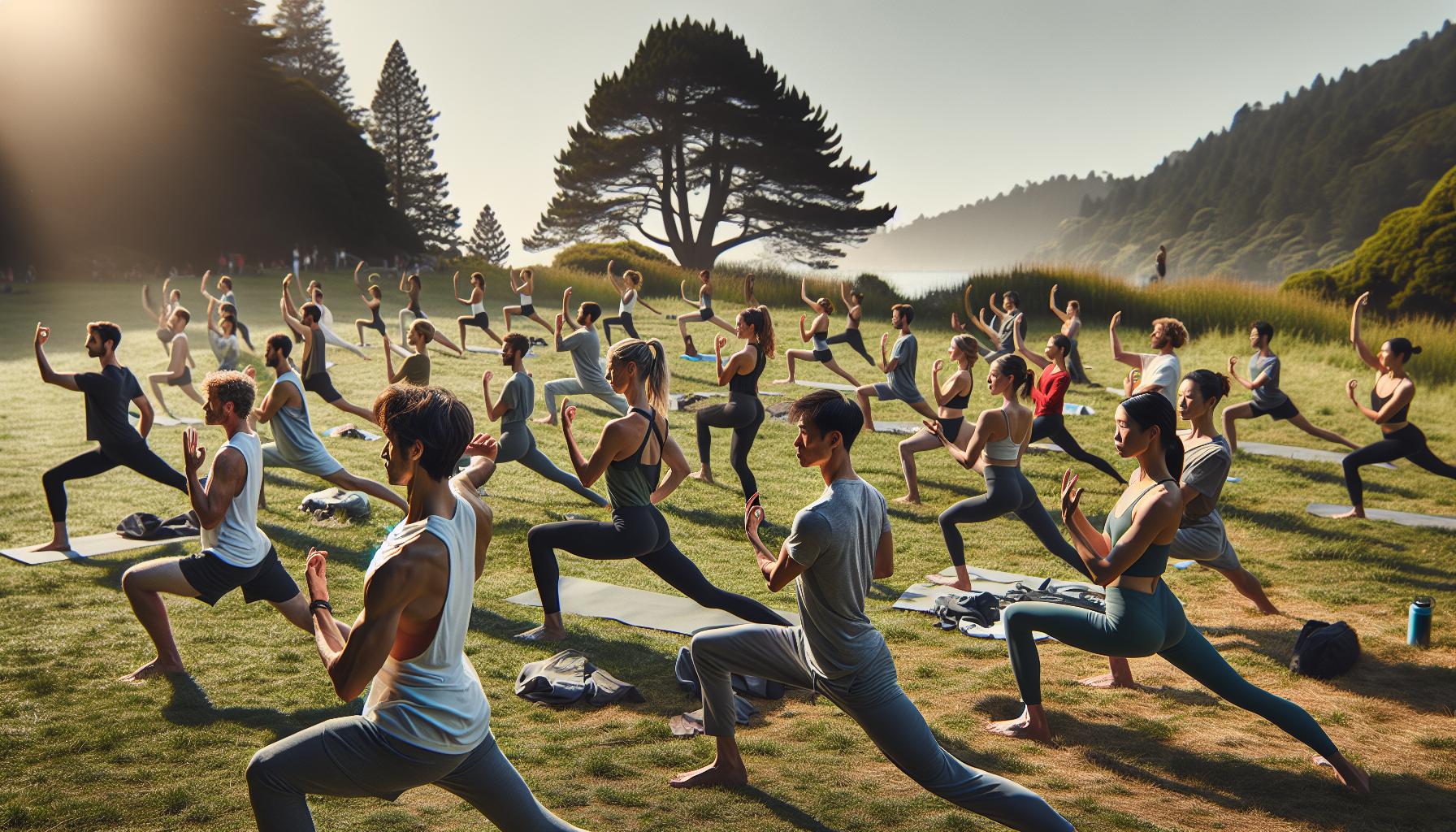
Finding your balance on the board is the foundation of any successful surfing endeavor. Imagine gliding over a wave, the spray dancing around you as you carve through the water-nothing quite beats that exhilarating feeling. To achieve this, the first rule is to establish a solid stance. This means understanding the nuances of your body positioning while remaining responsive to the rhythm of the ocean. You want your feet to be shoulder-width apart, balanced over the center of your board, allowing you to shift your weight easily as the wave carries you forward.
Finding Your Center
To master your balance, focus on distributing your body weight evenly. Stand upright but relaxed, with your knees slightly bent to lower your center of gravity, which enhances stability. Engage your core muscles, the often-overlooked anchors of your surfing posture. Think of your body as a surfboard itself: it needs to flex and respond to the forces around it. Instead of tensing up, embrace a fluid energy that allows your body to naturally follow the contours of the wave. This flexibility can be the difference between a graceful ride and a wipeout.
Your Stance Matters
As you prepare for takeoff, the specifics of your stance become vital to your overall performance. Each surfer’s anatomy is different, so experiment with foot placement to find what feels comfortable for you. Most surfers opt for a “regular” (left foot forward) or “goofy” (right foot forward) stance; however, some might adopt a more unique position based on personal preference or surfing style. Try standing on your board on the sand – it’s a great way to practice adjusting your stance without the pressure of riding a wave!
- Core Engagement: Maintain a tight core, which not only adds to your balance but also gives you more power when popping up.
- Knees Bent: Keeping your knees bent allows for better shock absorption and balance over the board.
- Look Ahead: Your head should be held high, eyes focused on where you want to go, ensuring your body follows.
Through continual practice of these principles on both the beach and in the water, your balance will evolve, transforming awkward moments into smooth rides. Embrace the ocean’s energy, and soon you’ll find that every wave becomes an opportunity to express your style and skill. Celebrate those small victories, learn from the wipeouts, and always remember-the ocean has a rhythm, and mastering your stance and balance is your ticket to a harmonious dance with the waves!
Timing is Everything: When to Pop Up

The rhythm of the ocean hums like a hidden tune, and catching that perfect wave is a dancer’s art that requires impeccable timing. As you lie on your board, waiting for the swell to lift you, the moment to pop up comes down to an instinctive interplay with the wave itself. The key lies in understanding the wave’s energy and finding that split-second to rise and ride the exhilarating rush. It’s like waiting for the crescendo in your favorite song – you know it’s coming, and when it hits, you want to be ready to move.
So, how do you tell when to leap to your feet? Look for the telltale signs. As the wave approaches, you’ll feel it pulling you forward and see the crest start to steepen. This is your cue. You want to pop up just as the wave reaches its peak and begins to break. If you time it correctly, you’ll harness the wave’s energy, riding the natural push it provides. Wait too long, and you risk missing the wave altogether, or worse, wiping out as it crashes behind you. The best surfers can feel the wave almost intuitively, adjusting their timing based on variables like wave height and shape.
A helpful trick is to practice counting in your head as you watch the waves roll in. Start with “One” when the wave is about to break and “Two” as it starts to lift you. On “Three,” spring up to your feet. It’s all about developing that rhythm and syncopation with the ocean. Remember, every wave is different, so pay close attention; the ocean has its own unique pulse, and you need to dance to that beat.
In your journey to mastering the pop-up, don’t shy away from the thrill of trial and error. Each session in the water is an opportunity to refine your timing, learn how the waves behave, and grow more in tune with the ocean’s rhythm. So, share that excitement with fellow surfers, learn from one another, and let those ecstatic moments of catching a wave fuel your passion for the journey ahead! Embrace the stoke and let it guide your surfing adventure!
Step-by-Step Guide: Execute Your Takeoff
The moment just before you pop up is like the calm before a storm-a fleeting instant where anticipation hangs thick in the salty air. You’ve paddled hard, your heart races as you feel the unmistakable tug of the wave beneath you. Now, it’s time to transform that energy into an exhilarating ride! Mastering the takeoff isn’t just about physical prowess; it’s a dance of timing, technique, and a sprinkle of oceanic intuition. Here’s a simple yet effective step-by-step approach to execute your takeoff and catch that perfect wave.
Get in Position
Before the wave sweeps you up, ensure your board is correctly aligned. Lie flat on your stomach, hands just behind your shoulders for optimal leverage. Your feet should hang off the tail of the board, allowing you to pivot easily when it’s time to pop up.
- Center Your Weight: Distribute your weight evenly across the board to avoid tilting during the transition.
- Eyes Forward: Focus on the horizon and the direction where you want to go, not at your feet.
Timing Your Pop-Up
This is the crux of your takeoff. As the wave begins to lift you, use that natural upward motion to your advantage. Count silently and aim to pop up as the wave crests. This means you’ll need to spring off your stomach and transition into a crouched position on your feet seamlessly.
- Immediate Action: As you feel the momentum, pull up your knees tight to your chest.
- Launch Up: Push off with your hands and feet simultaneously, using a strong upward motion to get upright quickly. Think of it like launching a rocket-powerful and efficient!
Finding Your Balance
The moment your feet hit the board, it’s all about stability. Your knees should bend slightly, and your feet should be shoulder-width apart, with one foot (your back foot) ideally over the tail. This stance is crucial for balance as the board starts to glide.
- Stay Low: Keep your center of gravity low to maintain balance on the moving water.
- Engage Your Core: A strong core will enhance your stability, making it easier to adjust your position as needed.
Take a deep breath and allow yourself to enjoy this exhilarating moment. Remember, the ocean is your guide, and each wave presents a unique opportunity to improve your technique. Embrace the thrill, learn from each ride, and before you know it, you’ll be popping up like a seasoned pro, ready to carve your way through the surf!
Common Takeoff Mistakes and Fixes
The excitement of riding a wave can quickly turn into frustration if you struggle with your takeoff technique. Many surfers-whether seasoned pros or eager beginners-experience common mistakes that can throw their rhythm off and keep them from catching that perfect wave. Recognizing these hiccups is the first step toward finding the right fixes and transforming those wipeouts into exhilarating rides.
One frequent error is misjudging the timing of the pop-up. Ellen, a passionate surfer from California, recalls the many times she miscalculated her movements-popping up too early or too late, losing precious momentum and balance. To avoid this, it’s vital to synchronize your takeoff with the energy of the wave. As the wave starts to lift you, make that quick mental note: this is your moment! Pull your knees to your chest and launch yourself upward in one fluid motion, like a spring releasing its energy. Missing this window can lead to a clumsy, unbalanced landing that may leave you floundering in the surf.
Another common mistake? Overextending your arms during the pop-up. Picture yourself in the shallows of a warm, sun-drenched beach: you hear the rhythm of waves crashing around you, but rather than riding that wave’s energy, many surfers swing their arms out wide like they’re trying to catch a beach ball, throwing off their center of gravity. Instead, keep your hands near your body and push off with a powerful but controlled movement. This helps maintain your balance as you rise, putting you in a more advantageous position to stabilize your stance on the board.
Finally, one major blunder is surfing with a rigid body. Just like the waves themselves, you need to flow with the ocean. Tightening up your muscles can lead to a stiff pop-up and a higher chance of face-planting right back into the water. Remember to relax your body-imagine you’re floating on the water instead of battling against it. Engage your core, bend your knees, and stay low; this fluidity will not only help with your takeoff but also with your overall control on the wave.
By proactively addressing these mistakes, you can sharpen your takeoff technique and turbocharge your surfing experience. Each wave is different, presenting a unique canvas for you to paint your ride, so learn from the stumbles and embrace the thrill of your journey on the water!
Exploring Different Pop-Up Techniques
The magic of surfing lies in the moment you rise from the depths of the ocean and into the exhilaration of riding a wave. Yet, mastering the art of the pop-up can sometimes feel just out of reach. Think of it as a dance with nature-one that requires rhythm, precision, and a deep understanding of your body’s mechanics while riding the powerful energy of the wave. Just as each wave is unique, so too are the techniques you can employ to bring your surfing to life.
First up is the traditional pop-up, often the go-to technique for most surfers. This method involves lying prone on your board, paddling to catch the wave, and when the swell starts lifting you, you push up from your chest and spring into your feet in one smooth motion. The beauty of this technique lies in its simplicity; it allows you to get a feel for the wave while establishing your balance. Ensure your hands are positioned slightly wider than shoulder-width apart, using that leverage to power your rise. This move can be described as a fluid, explosive spring, igniting the thrill of the ride.
For those looking to spice things up, the drop knee pop-up offers a stylish alternative that may be especially appealing when riding a shorter board or in more technical conditions. Instead of springing directly to your feet, you place one knee upon the board while the other foot shoots out to maintain balance. From there, you can elegantly transition into a standing position. This technique is not only functional but also gives you that retro surfer vibe, reminiscent of the greats from years past. Be wary, though; it requires practice to nail your timing and weight distribution, making it essential to focus on your momentum as you come up from the water.
Then there’s the back foot pop-up, a technique often used by more advanced surfers who like the power of precision under their feet. This method permits you to launch onto your feet more directly over your back foot, maintaining leverage for sharper turns right off the bat. While it can be tricky at first, practicing this technique can vastly improve your agility and responsiveness on the wave.
No matter which technique you choose, it’s important to maintain a strong core. Without it, your pop-up may lack the essential stability you need on the board. Keep your body relaxed, fluid, and in tune with the rhythm of the ocean. Picture the way the waves roll, anticipating their rise and fall, and let that energy guide your movements. Feel the sun on your skin and the sea spray on your face as you embrace the moment-every surf session is a new opportunity to perfect your takeoff and express your individuality on the water.
The Role of Board Type in Your Takeoff
The surfboard you choose can dramatically influence your pop-up technique, impacting not just your balance but your overall performance on the waves. Imagine this: you’re paddling out, the salty breeze tousling your hair, the rhythmic sound of the ocean enveloping you. You look at your board – is it short and nimble, or long and stable? The type of board beneath you can make all the difference when the time comes to rise and ride.
For beginners, a longboard can be a fantastic entry point. Its length and wider surface provide excellent stability, making it easier to find your balance as you pop up. With the added buoyancy, it glides smoothly over smaller waves, giving you extra time to maneuver your body into the standing position. Picture yourself catching those gentle summer swells, rising effortlessly, feeling secure with every sway. A longboard allows for that beautiful fluidity during your takeoff, leaving plenty of room for mistakes without the harsh consequence of a wipeout.
Shortboards vs. Fish Boards
As you progress, you might be enticed by the allure of a shortboard or fish board. These boards are typically more maneuverable and responsive, which can elevate your surfing to new heights but also demand a more refined technique. With a shorter length, you need to be precise in your timing and execution during the pop-up. A shortboard is designed for performance on steeper, faster waves, making it essential to practice your balance and core strength consistently. Imagine popping up on a vibrant fish board, zipping through waves with agility while feeling the electrifying energy of the ocean beneath you.
Consider also the material and shape of your board, as they contribute to your takeoff success. Boards made of lighter materials like epoxy can help you accelerate quickly into the wave, but they may sway more during the pop-up if you aren’t steady. Meanwhile, a thicker board can provide extra stability. Each board type requires adjustments to your pop-up technique, so take the time to understand how your specific board reacts in different conditions. Whether you’re riding a longboard on mellow waves or a shortboard in explosive surf, embracing these nuances is part of the thrilling journey of surfing.
Ultimately, the right board isn’t just about style; it’s about how you connect with the ocean. Remember, every surfer finds their groove through experimentation and practice, so don’t hesitate to try out different types. The more you immerse yourself in the experience and pay attention to how your board performs during takeoff, the more natural and exhilarating your pop-up will become. So grab your board, paddle out, and trust that each wave you catch brings you closer to mastering your technique!
Surfing in Different Conditions: Adapting Your Technique
In the world of surfing, the ocean is a vast tapestry of ever-changing conditions, each wave demanding a specific approach. Imagine the rush of paddling out into a vibrant surfscape where every swell presents a new challenge. Whether you’re faced with gentle baby waves at your local beach or pumping overhead swells at a renowned surf spot, adapting your technique to match the conditions is crucial for successfully popping up and riding the wave.
When you’re tackling smaller, whitewater waves that are breaking close to shore, your priority is to harness the energy of the water. For these mellow conditions, think about your pop-up as a quick springboard moment. As the foamy wave approaches, paddle vigorously to match its speed. Timing becomes essential here; pop up as the wave lifts you, allowing the force of the water to help elevate you into a standing position. Embrace that moment of buoyancy, using your arms to create a strong base while your feet plant firmly on the board. Visualize how the wave lifts you higher, and capitalize on that energy. It’s the perfect environment for beginners to practice-no harsh drops or tricky maneuvering needed!
In contrast, if you find yourself facing more powerful, steep waves, your pop-up technique will require precision and a bit more control. With bigger surf comes faster waves, where the window for catching and standing up shrinks significantly. Here, your approach shifts; focus on your core strength and quick reactions. As the wave steepens, stay low during your pop-up, drawing your knees up to your chest and launching yourself upwards smoothly and swiftly. This agility allows you to keep your balance on the powerful rush of the wave while reducing the chances of a wipeout. Remember, the rule of thumb is less is more in these conditions-your movements should be sharp, intentional, and coordinated with the wave’s rhythm.
Wind and current can also play tricks on your ride, so stay attuned to your surroundings. A headwind adds resistance, making it more challenging to paddle out and build speed. On days like this, you might want to choose a slightly larger or more buoyant board, which provides extra stability -think back to your trusty longboard. When conditions get choppy, focus on your stance as you pop up, ensuring your weight is centered over your board to efficiently navigate any unpredictability.
Riding different types of waves not only enhances your surfing skills but also deepens your connection with the ocean. Each session teaches you something new about timing, balance, and the subtle nuances of your surfboard. So, embrace the adventure! Dive into those varying conditions, and with every wave, refine your technique and discover the unique excitement that surfing provides. Paddle out, respect the power of the water, and enjoy the thrill of adapting your style to whatever the ocean throws your way!
Strengthening Your Core for Better Takeoffs
To effortlessly pop up on your surfboard like a pro, you must harness the power of your core. Think of your core as the central engine that drives your balance and agility, allowing you to respond fluidly to the dynamic forces of the ocean. A strong core not only enhances your ability to stand up quickly but also keeps you stable while riding those energy-filled waves. It’s like having a sturdy anchor in the swirling sea of surfing chaos, helping you deftly navigate the ride without getting wiped out by a sudden swell or the infamous tumble of a rogue wave.
Building core strength involves a mix of exercises that target your abdominals, obliques, and lower back-muscles crucial for maintaining balance on your board. Incorporate activities such as planks, Russian twists, and mountain climbers into your workout routine. These can transform you into a wave-catching machine by improving your stability and control. For instance, try holding a plank for at least 30 seconds, then work your way up. It sounds simple, but the discipline it builds is paramount. As you engage these muscles, visualize yourself paddling out and navigating the waves with finesse.
Core Exercises to Boost Your Takeoff
- Plank Variations: Standard and side planks enhance your overall stability. Aim for 3 sets of 30 seconds, working your way up as you get stronger.
- Russian Twists: Sit on the ground with your feet elevated. Twist your torso side to side, holding a weight or just your hands for balance. This moves your center of gravity and increases rotational power.
- Mountain Climbers: This dynamic exercise provides a cardio boost while targeting the core. Keep your hands on the ground and alternate bringing your knees towards your chest quickly.
Begin to incorporate these exercises at least three times a week, and you’ll likely notice an improvement in how well you pop up and maintain your stance during those thrilling rides. Remember, every drop-in comes with a new chapter in your surf story. Whether you’re joining a friend’s sunset surf session or testing your skills on a solo mission at your favorite break, your core will be the unsung hero. Picture yourself standing tall and powerful, slicing through the water with effortless precision, feeling the ocean’s vibrations beneath your feet. That’s the magic of a strong core, transforming you into the surfer you aspire to be!
Visualizing Success: Mental Tricks for Surfers
Imagine riding a brilliant wave, sunlight dancing across the water, and feeling the exhilarating rush as you pop up with effortless grace. But before you hit the surf and catch those perfect waves, success begins in your mind. Harnessing the power of visualization can be your secret weapon, transforming your surfing dreams into reality. Picture this: you’re lying on your board, the rhythm of the ocean amplifying your pulse, and as you paddle in, you visualize every tiny detail of your takeoff, from the moment you feel the wave push you from behind to the exhilarating moment you rise to your feet. This mental rehearsal sharpens your focus and primes your body to execute those movements with precision.
Breaking down your pop-up technique with vivid imagery can enhance your performance significantly. Start by imagining the ocean’s energy building beneath you-the swell rising, urging you to take action. Picture your hands firmly gripping the rails of your board, your body poised to spring upwards. In your mind, run through the exact sequence: push down with your hands, bring your knees towards your chest, and then, as if you’re being propelled upwards by the wave itself, stand tall. As you mentally repeat this sequence, you build muscle memory that translates into smoother, more confident movements once you’re in the water.
Moreover, don’t underestimate the effect of positive affirmations. Each session, as you prepare to hit the waves, remind yourself of your abilities with phrases like, “I am a strong and balanced surfer” or “I trust my instincts in the water.” Just before you paddle out, take a moment to soak in your surroundings-the sound of crashing waves, the salty air, the warmth of the sun. Allow this sensory experience to amplify your confidence and fill you with excitement. Consider writing these affirmations down or keeping them in mind during your warm-up stretches. This mental prep aligns your body and mind, setting a positive intention for your surf session.
Harnessing visualization and powerful affirmations as part of your preparation can dramatically improve your surf technique. By creating a mental movie that plays out each time you take on a wave, you not only enhance your competency but also deepen your connection with the ocean and the sport you love. So, the next time you find yourself at your local beach, take a deep breath, visualize the perfect pop-up, and watch as the waves invite you to dance upon them.
Gear Up: Choosing the Right Surfboard for Takeoff
Nothing gets your adrenaline pumping quite like the moment you catch a wave, but before you can nail that perfect takeoff, you need to make sure your surfboard is ready to roll. The right board can make all the difference, transforming the chaotic dance with the ocean into a harmonious ride. As you embark on your surfing journey, let’s explore the essential qualities to consider when choosing the perfect board for your takeoff technique.
Understanding Board Types
When it comes to surfboards, not all are created equal. Each type serves a specific purpose and adapts to different conditions and skill levels. Here’s a quick breakdown:
- Shortboards – These are nimble and quick, perfect for advanced surfers looking to perform tricks or navigate steep waves. Their reduced volume allows for rapid movement, making them ideal for a quick pop-up.
- Longboards – Gentle giants of the surf world, longboards provide stability and ease, making them fantastic for beginners. Their length makes it easier to paddle and catch waves, offering a smooth transition from lying down to standing up.
- Fish – With their unique shape and wider tails, fish boards are designed for speed in smaller surf. They’re versatile enough to suit a range of conditions, giving you the best chance to pop up swiftly.
- Funboards – A blend of short and longboards, funboards are ideal for novice surfers. The added buoyancy helps with balance and stability, which can support a smoother takeoff.
Choosing the right board type based on your experience level and the wave conditions will not only aid your takeoff technique but also enhance your overall surfing experience.
Size Matters
The size of your board is crucial to mastering your takeoff. A larger board provides increased buoyancy, making it easier to paddle out and catch waves. If you’re just starting, opt for a thicker board that offers stability and support. As you improve, you might want to shift to a thinner model for more control and agility. Here’s a quick reference for sizing:
| Rider Weight | Board Length |
|---|---|
| Up to 130 lbs | 6’0″ – 6’6″ |
| 130 lbs – 180 lbs | 6’6″ – 7’2″ |
| Over 180 lbs | 7’2″ and up |
A good fit between board length and your size will allow you to pop up more effortlessly and maintain balance as you ride those waves.
Selecting your surfboard is a pivotal step in your surf journey. Picture yourself gliding over glassy waters, the ocean spray kissing your face as you pop up seamlessly with a board that feels just right. Whether you’re a novice or a seasoned pro, understanding your board’s characteristics will ensure you take off like the surf legend you aspire to be. And remember, every wave is a new adventure; with the right gear, you’re already half ready to conquer what lies ahead!
Embarking on Your Surfing Journey: Tips for Beginners
The thrill of catching your first wave is unlike any other experience, as the ocean swells beneath you and the salty breeze dances with your hair. But before that exhilarating moment can happen, you’ll want to navigate your way through the fundamentals of surfing – starting with your technique for popping up on the board. This journey is not just about mastering physical skills; it’s about connecting with the ocean and embracing the vibrant surf culture that surrounds you.
One of the best tips for beginners is to practice your pop-up technique on land before hitting the waves. Mimicking the motion of getting up from the board will build muscle memory. Lay down on your stomach, then quickly thrust your chest up while bringing your feet underneath you in one fluid motion. This may feel awkward at first, but regularly practicing this movement will help you transition smoother when you’re out in the water. Once you’re comfortable with the motion, it’s time to tackle the actual waves!
When you’re ready to hit the surf, start by choosing a soft-top longboard if you’re just beginning. These boards are more forgiving and provide the stability you need as you learn to balance. On a sunny California beach or a quieter shore, watch the waves before you paddle out – timing your entry and your pop-up is essential. Once you catch that wave, let your instincts kick in. As the wave lifts you, drive your hands into the board, pop up fast, and find your stance.
To enhance your surfing journey, immerse yourself in the local surf community. Join group lessons or engage with fellow surfers; sharing experiences and tips builds relationships and confidence. Remember, every legendary surfer started as a beginner, so embrace the stumbles and crashes as part of your unique story. Be patient with yourself, celebrate small victories, and most importantly, savor the electric energy of the sea!
Faq
Q: What is the best way to practice my pop-up technique?
A: The best way to practice your pop-up technique is by using a balance board at home or practicing on the sand. Focus on timing and body positioning. Visualize the motion of popping up while engaging your core. This helps translate muscle memory into the surf.
Q: How can I improve my balance while popping up on the board?
A: To improve your balance while popping up, engage in balance-specific exercises like yoga or stability training. On the surfboard, practice adjusting your weight distribution as you pop up, ensuring your feet are aligned with the board’s center for better stability.
Q: What should I do if I keep falling during my takeoff?
A: If you keep falling during your takeoff, reassess your timing and body position. Ensure you pop up quickly as the wave approaches. Practicing more in smaller, white-water waves can help build confidence and technique before tackling bigger waves.
Q: Are there exercises to strengthen my core for better takeoffs?
A: Yes, exercises like planks, sit-ups, and leg raises can strengthen your core for better takeoffs. A strong core supports explosive movements when popping up. Including these exercises in your routine will enhance your stability and balance on the board.
Q: How do different surfboard types affect my takeoff technique?
A: Different surfboard types can significantly impact your takeoff technique. Shortboards require quicker, more explosive movements due to their size, while longboards allow more time to pop up. Understanding your board type can help you adjust your timing and stance for an effective takeoff.
Q: What role do wave conditions play in my takeoff?
A: Wave conditions greatly affect your takeoff technique. In choppy waves, you need to pop up faster to maintain balance, while in smoother waves, you can focus on precision. Always adapt your takeoff strategy based on the wave energy and type for optimal performance.
Q: When is the ideal moment to pop up while paddling?
A: The ideal moment to pop up is when you feel the wave lifting you upward under your chest. This happens just before the wave breaks. Timing your pop-up at this moment ensures you maximize the wave’s energy for a smoother ride.
Q: Why is mental visualization important for my surf takeoff?
A: Mental visualization is important as it helps you mentally rehearse your pop-up technique. By visualizing success before you hit the waves, you create positive neural pathways that can enhance your muscle memory, making actual execution smoother and more instinctual.
For more tips and insights, check out the sections on Timing and Common Mistakes in our main article! Surf safe and have fun! 🌊🏄♂️
In Summary
As you paddle out and feel the salty breeze on your skin, remember that perfecting your takeoff technique is just the beginning of your surfing adventure. With each wave you catch, you’ll gain confidence and finesse, making those exhilarating rides even sweeter. Take the leap-practice what you’ve learned today, and soon you’ll be popping up like a pro, ready to carve through the surf. Don’t miss out on our related guides, like “Top 10 Surfboards for Beginners” and “Essential Surfing Gear for Every Wave,” to gear up for your next session.
Join our community by signing up for our newsletter and stay ahead with the latest tips, product reviews, and surf culture insights. We want to hear from you! Share your experiences or ask questions in the comments below-let’s keep the conversation flowing. Dive into the wave of surfing knowledge and make every tide count! Your ocean journey awaits!