
When the chill of winter waves calls your name, a high-quality wetsuit becomes your best friend. The right wetsuit doesn’t just keep you warm; it transforms your cold water experience, letting you catch more waves and savor the ocean’s beauty longer. Whether you’re a seasoned pro or just starting, investing in the best wetsuit is essential for maximizing comfort and performance during your surf sessions. Imagine plunging into deep blue waters, feeling the rush of adrenaline as you glide over rolling swells, all while staying snug and protected. With various materials, thicknesses, and styles to choose from, navigating the wetsuit world can become overwhelming. But fear not! In this guide, we’ll browse through top recommendations to keep you warm and elevate your surfing adventures. So grab your board, and let’s dive into the exciting options waiting for you!
Choosing the Right Wetsuit Thickness for Cold Water Surfing
Choosing the right wetsuit thickness can mean the difference between a thrilling wave ride and a shivering session in the frigid water. When temperatures dip, the thrill of the surf beckons, but without the proper gear, it can quickly turn into a test of endurance rather than enjoyment. The heart of this adventure lies in understanding the thickness required for your wetsuit based on water temperatures and conditions. As you embrace the ocean’s chill, finding a wetsuit that balances insulation and flexibility is vital for an exhilarating cold-water surfing experience.
When selecting the wetsuit thickness for cold water, a general rule is to gauge the water temperature. For colder conditions, upping the thickness to ensure warmth is crucial. Typically, for water around 50-55°F (10-13°C), a 5/4mm wetsuit or even a hooded version will keep you cozy and surfing longer without the dreaded brain freeze. Conversely, if you’re riding the waves in slightly milder temperatures, a 4/3mm may suffice, offering a solid balance of warmth and mobility, especially valuable when you’re paddling out or catching those succulent waves [[1]](https://www.sandiegosurfingschool.com/surfers-guide-to-wetsuit-thickness-variations/) [[2]](https://www.quiksilver.com/blogs/expert-guides/how-to-choose-wetsuit-thickness?srsltid=AfmBOoqMzS4r1pdkxEz6XfPhaGD2ptWex69W_OFC6mXOkPqvLfbgU7Gx).
It’s not just about the numbers; consider your own comfort and activity level. If you’re someone who runs cold or if you’re planning on lengthy sessions in the surf, erring towards a thicker suit can save you from shivers and distractions. Equipment innovations also play a role-modern wetsuits utilize advanced materials and designs to enhance insulation without adding bulk. Features like thermal linings can trap body heat, and flexible neoprene allows for full mobility, helping you perform your best even in the harshest conditions.
Ultimately, the right wetsuit thickness can transform your surfing experience from a bone-chilling ordeal into a warm, enjoyable ride through the vibrant ocean waves. So, choose wisely, and you’ll be setting yourself up for countless exhilarating days in the surf, regardless of how low the temperature drops!
Essential Features of a High-Performance Wetsuit
When you’re carving through frigid waves, the smart choice of a high-performance wetsuit can be the secret ingredient to vanquishing the cold while boosting your confidence in the water. These remarkable pieces of gear don’t just keep you warm; they enhance your entire surfing experience. Picture this: gliding through the ocean blue, feeling every swell and surge, with the chill of the water a distant memory, all thanks to your trusty wetsuit. To achieve this dream, understanding the essential features that define a high-performance wetsuit is crucial.
One of the standout features to look for is flexibility. High-performance wetsuits are often constructed with advanced neoprene materials that offer exceptional stretch, allowing for a full range of motion as you paddle, pop up, and ride the waves. A suit with a higher grade of neoprene will feel almost like a second skin, minimizing water resistance and helping you conserve energy for those epic rides. Look for suits that boast 4-way stretch technology, which enables even the most dynamic movements without inhibiting your agility.
Another key element is thermal insulation. A high-quality wetsuit will include thermal linings that retain body heat, allowing you to stay warm even in the chilliest waters. Features such as fleece linings or thermal panels within the suit act like little cozy blankets, trapping warmth closer to your body while still enabling breathability and quick-drying capabilities. When you’re out there for hours, this insulation makes all the difference – coffee isn’t the only thing that can warm you up on a morning surf!
Additionally, the wetsuit’s seal and fit are essential for high performance. A snug fit prevents water from seeping in, which can lead to chills and discomfort. Look for suits that feature advanced sealing technologies, such as liquid seams or taping at stress points, to create a watertight barrier without sacrificing flexibility. Because let’s face it: the last thing you want while catching a sweet left hander is a draft that sends shivers down your spine!
Lastly, consider the accessories that come with the wetsuit or that can enhance your experience. Hoods, gloves, and booties can make your sessions vastly more enjoyable in cold waters. By layering these accessories appropriately, you can ensure your extremities stay warm while you focus on mastering your wave-riding skills.
In essence, investing in a high-performance wetsuit enriched with these key features not only keeps you warm but also empowers your surfing journey. With the right gear, every surf session can transform from a bone-cold challenge into an exhilarating adventure bursting with thrills. Whether you’re a seasoned pro or just starting, embracing the ocean’s elements in style and comfort sets the stage for many unforgettable moments in the surf!
Top Wetsuit Brands Recommended by Surfers
When it comes to braving the crisp, cold waters and riding waves that surge with energy, the wetsuit you choose can make all the difference. Surfers around the globe have their go-to brands that not only promise warmth and flexibility but also deliver on performance and style. So, whether you’re a grom hitting your first sets or a seasoned wave rider, here’s a curated guide to the top wetsuit brands that surfers passionately recommend.
H3: Rip Curl
Long revered in the surfing community, Rip Curl is synonymous with quality. Known for their innovative technology and seamless designs, their wetsuits often feature the exclusive E5 neoprene that provides unmatched flexibility and warmth-perfect for those gnarly winter sessions. Many surfers swear by the Rip Curl Flashbomb series, highlighting its easy entry and exit without sacrificing insulation. The signature thermal lining keeps you cozy while ensuring quick drying, allowing you to spend more time riding and less time shivering.
H3: O’Neill
A pioneer in surf gear, O’Neill is another brand that garners loyalty among surfers. They’re famed for their attention to detail and commitment to producing wetsuits that campaign against the chill. The O’Neill Psychotech model is a favorite for its advanced Thermal Insulation Technology which acts like a warm hug against frosty swells. With designs that prioritize mobility, surfers enjoy a comfortable fit that allows for aggressive maneuvers without restriction.
H3: Xcel
Xcel has carved its niche with wetsuits that balance performance and sustainability. Their DryLock series is worth noting for its innovative temperature-regulating features, perfectly aligning with the needs of surfers who aim for long hours in frigid waters. The DryLock’s patented waterproof zipper technology significantly reduces water entry, ensuring that you remain warm and dry. Plus, Xcel’s commitment to eco-friendly practices makes them a standout choice for environmentally conscious surfers.
H3: Patagonia
For those who ride the waves with a clear conscience, Patagonia is the brand of choice. Known for their commitment to environmental responsibility, their wetsuits are constructed from Yulex natural rubber, which replaces traditional neoprene. Many surfers appreciate the durability and warmth of these suits, especially in chilly conditions. Patagonia’s R1 and R2 suits are often noted for their snug fit and thermal efficiency, making it easier to focus on the waves rather than the cold.
H3: Billabong
Last but certainly not least, Billabong continues to make waves with wetsuits that combine flair and functionality. Their Furnace Carbon series is a go-to for many, providing a sleek yet cozy experience with quick-drying properties. Equipped with smart insulation that responds to your body temperature, Billabong wetsuits help maintain warmth while allowing for an optimal range of motion, ideal for those emergency cutbacks and radical rides.
As you gear up for your next surf session, keep these top brands in mind. Each offers a blend of technology, comfort, and performance, ensuring that your connection with the waves remains exhilarating and warm, even in the coldest waters. So pull on that wetsuit, feel the rush of the ocean around you, and get ready to carve some unforgettable lines!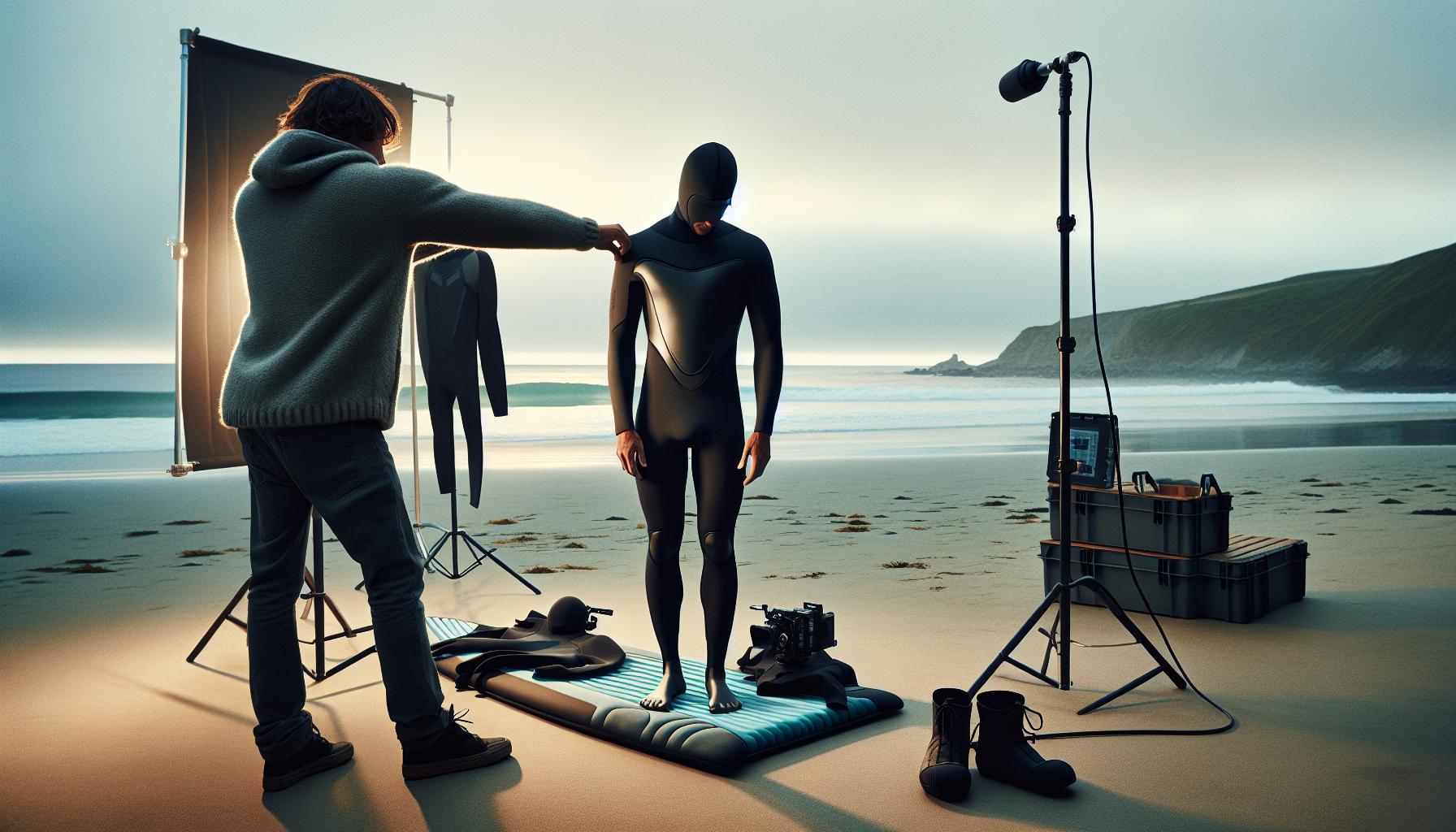
How to Properly Fit Your Wetsuit for Maximum Comfort
Finding the right fit for your wetsuit is like tuning a surfboard: it’s all about comfort and performance. A wetsuit that hugs your body just right not only enhances your movement but also plays a crucial role in keeping you warm in chilly waters. Imagine paddling out through crisp morning temperatures, feeling snug and supported, ready to catch the next set without a hint of that dreaded chill creeping in. Getting your wetsuit fit down to a science can transform your surfing experience, making those long sessions manageable while you focus on the thrill of the waves.
To achieve a snug yet comfortable fit, begin by taking your measurements: height, weight, chest, waist, and hips. Most brands provide sizing charts that are quite useful, so grab a tape measure and check your dimensions against their recommendations. A well-fitting wetsuit should feel like a second skin-tight, but not restrictive. As you slip it on, ensure that you’re not battling any excessive tightness around the shoulders and knees, which could inhibit your paddling and movement. Most importantly, look out for gaps; they can let cold water flush in, which can quickly zap your body heat. Pay special attention to key areas like the wrists and ankles, ensuring the materials end right at the bone.
When trying on a wetsuit, practice moving in it. Bend your arms and legs, squat down, and mimic the motions you’ll make while surfing. You want to feel unrestricted and fluid; if you encounter resistance in your movements, it might signal that the fit isn’t right. Remember, the best wetsuits are designed to stretch and rebound without letting cold water seep through. Don’t be afraid to test various brands-each may have its unique cut and materials that feel different against your skin. If you’re still unsure, consult with experienced surfers or shop experts who can guide you through the fitting process, allowing you to fully embrace the ocean with confidence.
Lastly, don’t neglect the importance of layering when temperatures drop, and consider including a rash guard or thermal top beneath your wetsuit for an extra layer of warmth without sacrificing comfort. Like a cozy blanket enveloping you on a chilly evening, the right fit and additional layers will keep you focused on carving that perfect wave instead of shivering through your session. So, gear up, hop on your board, and let the first drop of cold water only motivate your next exhilarating ride!
The Best Wetsuits for Different Surf Conditions
When the waves are calling and the chill of the ocean tries to hold you back, choosing the right wetsuit can be the difference between a memorable ride and an icy ordeal. Picture this: you’re cruising towards the horizon, the salty spray on your face, but that piercing cold water is threatening to derail your groove. Having a wetsuit that matches your surf conditions unlocks the door to endless sessions, no matter how frigid the temps may be.
Wetsuits for Cold Water Surfing
If you’re surfing in waters that hover around 50°F to 60°F (10°C to 16°C), a 4/3mm wetsuit is your best friend. This thickness offers a fantastic balance of flexibility and warmth, allowing you to tackle those crisp morning sets without losing too much agility. Look for models with integrated hoods for those particularly brisk days, as they help retain heat around your head where it’s needed most. The added feature of sealed seams will go a long way in keeping your core warm by eliminating water entry.
As temperatures drop further-below 50°F (10°C)-it’s time to step it up to a 5/4mm wetsuit. These suits are designed to combat the most unforgiving conditions. Opt for a hooded version for maximum coverage; your ears and neck will be grateful. Remember, cold water can sap your energy quickly, and a thick, insulated wetsuit ensures you maintain your stamina to stay out longer, chasing wave after wave.
Wetsuits for Changing Conditions
For those variable conditions where the water temperature fluctuates, consider a 3/2mm wetsuit or a spring suit. These are perfect for the transitional seasons-think late spring and early fall when the sun’s out but the water is still nippy. They provide adequate warmth without compromising too much flexibility, so you can paddle with ease and remain mobile. Many surfers also enjoy the versatility of short-sleeve designs during warmer sunny days when only a slight chill is present.
Additional Tips for Selection
Ultimately, picking the right wetsuit isn’t just about thickness; it’s about fit and purpose. Gear up with accessories such as gloves, booties, and even surf caps for those extra chilly days. These items can be game-changers, as they protect your extremities, which are most susceptible to the cold. Experimenting with various wetsuit brands can be an adventure in itself, as each brand has its unique styles and fits. Don’t hesitate to try them all out until you find your perfect match!
By being mindful of water temperatures and conditions, you can confidently select the right wetsuit that makes every surf session memorable and comfortable. Soon, you’ll be diving into the cool waves with a smile on your face, ready to carve through the surf, no matter what Mother Nature throws your way.
Wetsuit Care: Tips for Longevity and Performance
Every surfer knows the invigorating thrill of paddling out, ready to tackle the waves-but how often do we think about the care of the very gear that keeps us warm and in the water longer? Treat your wetsuit like the surf buddy it is! Proper maintenance is the key to prolonging its life, ensuring that you not only stay warm but also maximize your performance on those chilly days when every degree counts. Trust me; a well-cared-for wetsuit will keep you cozy, agile, and ready to conquer any surf session.
Start with the basics: rinse your wetsuit right after you leave the water. No one wants to carry that saltwater and sand home! As soon as you can, give it a quick rinse with cool, fresh water-this simple step helps preserve the elasticity of the neoprene and keeps it flexible. For best results, turn your suit inside out while rinsing, making sure to get rid of any lingering contaminants that might break down the material or irritate your skin next session. And remember, never toss it in the washing machine or expose it to hot water-this can wreak havoc on the suit’s structure and seal.
Drying is just as important as rinsing. Lay your wetsuit flat to dry in a shaded area, away from direct sunlight, which can degrade materials over time. Avoid hanging it up by the shoulders, as the weight can stretch or warp the suit. Instead, use a hanger designed for wetsuits or simply drape it over a clean towel. This not only prevents misshaping but also helps maintain that all-important snug fit. And please, resist the urge to keep it stuffed in your board bag for days on end; that moisture can turn into mold faster than you can catch a wave!
Finally, when storage comes around, treat your wetsuit to a cozy spot that’s away from sharp objects or extreme heat sources, like radiators or car trunks. Using a dedicated wetsuit bag that allows for airflow can give your suit the love it deserves during those long off-season months. Keep an eye on it for any tears, especially around seams and zippers, and take care of repairs before they escalate. With a little love and attention, you’ll turn your wetsuit into a trusty companion that’s ready to join you for countless chilly adventures ahead. So gear up, embrace the ocean, and let your wetsuit support you in making unforgettable memories!
Understanding Wetsuit Materials: Neoprene vs. Others
When it comes to braving the chilly waters while chasing waves, understanding the materials that make up your wetsuit is essential for staying warm, comfortable, and agile. The most common material you’ll encounter is neoprene, a synthetic rubber specifically designed for use in water sports. Its insulating properties and buoyancy keep you cozy even when the ocean is a bit nippy, making it a favorite among surfers. But not all neoprene is created equal. Depending on the thickness-ranging from 2mm for warmer conditions up to 6mm for the coldest of waters-you can tailor your suit to perfectly match the surf’s mood. The thicker the material, the more warmth it provides, but it may also limit flexibility to some extent, so it’s essential to strike a balance based on your specific surfing environment.
While neoprene dominates the wetsuit market, surfers are increasingly exploring alternatives due to environmental concerns. Emerging materials like limestone-based neoprene offer a greener alternative without compromising on performance. This eco-friendly version is derived from naturally occurring limestone instead of petrochemicals, making it a fantastic choice for eco-conscious surfers who want to minimize their carbon footprint. Additionally, there are suits made from recycled materials, which bring innovation and sustainability to the forefront of surf gear. Always keep an eye out for brands that are championing these materials, as they not only offer reliable warmth but also reduce the overall environmental impact of your surfing adventures.
There are also more advanced technologies like thermal linings and water-resistant treatments. Thermal linings trap more warmth without adding bulk, allowing for greater maneuverability while keeping the cold at bay. Look for suits equipped with these linings if you’re prone to feeling chilly in the surf. And don’t forget about the seams! Blind-stitched and sealed seams offer a level of waterproofing that can keep you warmer during extended sessions in frigid waters. When you invest in a wetsuit, consider all these factors-material, thickness, lining, and seam construction-to gain an edge in comfort and performance, allowing you to focus on what you love most: riding those perfect waves.
By choosing the right wetsuit materials and understanding their characteristics, you’ll not only enhance your surfing experience but also connect deeper with the ocean-after all, there’s nothing like that exhilarating mix of adrenaline and calm that comes with conquering the cold waters in style! Embrace the thrill and stay stoked, no matter the temperature!
Layering Techniques: What to Wear Under Your Wetsuit
When heading out for a surf in chilly waters, the right layering beneath your wetsuit can make all the difference between a blissful session and a shivering struggle. Imagine the invigorating rush of catching a wave as winter’s chill bites at your toes; with the right underlayers, you can embrace that moment without a hint of cold creeping in. By thoughtfully layering your gear, you not only optimize warmth but also enhance your comfort, ensuring that your focus remains on the thrill of riding those waves.
Choosing the right materials to wear under your wetsuit is crucial. Start with a thermal base layer-look for garments made from materials like merino wool or specialized synthetic fabrics designed to wick moisture away from your skin. Merino wool is often a favorite among surfers for its natural insulating properties and breathability, and it keeps you warm even when wet. Another solid option is lightweight synthetic thermal tops which offer great insulation without the bulk, allowing for maximum freedom of movement. These base layers create a snug, comforting environment while maintaining the flexibility you need to paddle and maneuver.
Essential Layering Items
- Thermal Rash Guards: These are perfect for adding an extra layer of warmth without compromising flexibility. Look for those with long sleeves for added protection.
- Neoprene Vests: A 2mm vest can be an excellent addition over your base layer, offering extra insulation for your core. It’s like a warm hug while you’re braving the elements!
- Leggings or Shorts: Depending on your wetsuit type, thermal leggings can help keep your bottom half cozy, while neoprene shorts can offer added insulation for warmer days.
Don’t underestimate the importance of accessories like neoprene socks and gloves, especially if you’re in particularly frigid conditions. They provide extra warmth for your extremities, which can often be the first places to feel the cold. If you suffer from cold feet in the water, consider a good pair of thick fleece-lined neoprene socks-they’re an underwater blessing, keeping your toes toasty while you dance on the waves.
Remember that the perfect underlayer may take some experimentation. Your ideal combination might look different depending on water temperature, personal warmth preference, and how active you plan to be in the water. Don’t hesitate to mix and match different materials and styles until you find what works best for you. With the right layering techniques, you’ll not only keep warm but also enjoy every moment spent in those beautiful, crashing waves, creating unforgettable memories no matter how chilly the water may be. So gear up, dive in, and let the surf adventures unfold!
Wetsuit Accessories You Didn’t Know You Needed
To ride the waves in chilly waters without compromising your comfort, you need to look beyond just your wetsuit. There are some surprisingly handy accessories that not only enhance your surfing experience but can also keep you warm and protected from the elements. Whether you’re navigating frigid ocean currents or simply want to enjoy every moment in the water without distractions, these accessories might just be the game-changer you didn’t know you needed.
First up are the quintessential neoprene socks. Think of them as your underwater armor-perfectly designed to keep those precious toes toasty even when the temperature drops. But don’t just grab any pair; opt for thicker, fleece-lined options that provide that extra layer of warmth without sacrificing flexibility. Pair these with some slick surf booties, and you’ll feel like you’re walking on clouds as you make your way over barnacle-studded rocks or into the water. Cold feet will be a thing of the past as you focus on the swell and the thrill of catching the perfect wave.
Now, let’s talk hand protection because it’s not just your feet that need a warm hug. Surf gloves-specifically those designed for performance-can transform your surfing sessions on chilly days. With materials that maintain dexterity while keeping your fingers warm, you won’t have to compromise your grip on your board. Look for gloves that offer a snug fit with a silicone grip; this way, you can easily paddle out without feeling like you’re wrestling with a slippery sea serpent. Remember, distractions can lead to missed opportunities for catching epic waves, so minimize them with proper gear!
Don’t overlook the importance of a changing poncho either! Not only does it offer comfort and privacy as you switch in and out of your wetsuit, but it also keeps you cozy in between sessions. Picture this: you’ve just had an exhilarating surf, and the wind is nipping at your skin. A warm, soft poncho wraps around you like a warm blanket while you sip on your post-surf hot cocoa. Or, if you fancy a bit more flair, there are even ponchos designed with beach prints or your favorite surf brands that allow you to showcase your individuality while staying snug.
As you prepare your surf kit for those crisp ocean adventures, let these accessories join your trusty wetsuit. You’ll be not only better equipped to handle the cold but also well on your way to enhancing your overall surf experience. So dive in, gear up, and ride those waves with joy and confidence, knowing that you’re embracing every chill factor head-on!
How to Style Your Wetsuit for Surf and Sun
When it comes to hitting the waves, your wetsuit isn’t just about staying warm-it’s also a canvas for expressing your surfing style. Imagine standing on the beach, the sun glistening off the ocean, your wetsuit perfectly complementing both your personality and the vibrant surf culture around you. Whether you’re wandering along the shore before a session or catching soft waves on a sunny afternoon, styling your wetsuit can transform your entire surf experience.
To begin, consider the color and pattern of your wetsuit. Bright, bold designs can make a statement, reflecting the lively spirit of the ocean. Opt for eye-catching colors that stand out against the salt and sand. If you’re graced with the power of choice, look for wetsuits with artistic prints or funky patterns, which can be incredibly invigorating against the backdrop of frothy waves. Subtle hues can also yield a classic look, diving into understated elegance that exudes sophistication. Pair your wetsuit with accessories that complement its style, like a bright surf cap or a lively boardshort, to enhance your overall vibe.
Layering for Style and Function
Layering is another powerful way to style your wetsuit while enhancing functionality. On chillier mornings, throw on a vibrant rash guard underneath your wetsuit-a perfect way to add a splash of color and warmth. Additionally, consider mixing and matching wetsuit tops and bottoms. Some surfers love the versatility of a sleeveless top paired with full-length bottoms, leaving room for expression while ensuring full coverage where it counts. This combination not only highlights personal aesthetics but also allows for flexibility on the waves.
Accessorizing is crucial in showcasing your unique surf identity. Your wetsuit can shine even brighter with carefully chosen gear:
- Neoprene socks: Stylish yet functional, a good pair can elevate your look while keeping your toes warm and snug.
- Surf gloves: Find a pair that matches the color scheme of your wetsuit for a cohesive look and great grip.
- Changing ponchos: These can be stylish too! Opt for designs that excite you while providing a comfy wrap post-surf.
Finally, let your personality shine through your choice of surfboard and leash-playing up colors and styles that coordinate with your wetsuit can make your surf kit feel complete. Remember, your wetsuit reflects who you are in the lineup. So let it tell your story, like the vibrant strokes from a paintbrush on a canvas. With a little consideration, you’ll be turning heads while conquering the waves, fueled by the confident buzz of self-expression that only surf culture can bring.
Sustainability in Wetsuits: Eco-Friendly Options
When you’re gliding over frothy waves, have you ever thought about the impact your gear has on the ocean you love? Sustainability in wetsuits is more than just a buzzword; it’s a way to preserve our beloved waters and shorelines. As surfers, we thrive on the energy of the sea, so it’s our duty to help keep it pristine. This is where eco-friendly wetsuits come into play, offering you a chance to stay warm and stylish while being mindful of the planet.
Innovations in materials have led to the development of wetsuits that ditch traditional neoprene, a petroleum-based material. Brands are stepping up their game by utilizing alternatives like limestone neoprene, which is made from natural and less environmentally harmful sources. For instance, the Billabong Furnace Natural wetsuit is completely neoprene-free and incorporates CiCLO® technology, which encourages biodegradability. Imagine slipping into a suit that not only keeps you warm but also contributes to reducing textile waste in our oceans. Brands like Xcel are also committing to sustainability, producing suits with sustainable practices and eco-friendly materials that minimize their environmental impact [[1]](https://www.billabong.com/blogs/mens/introducing-the-furnace-natural-the-most-sustainable-wetsuit-we-make?srsltid=AfmBOopabQyA61ajmnoif86LYOv1lle3AYvxP6aPEdvt_tOyu0yj4fai).
A key tip for eco-conscious surfers is to extend the life of your current wetsuit by properly caring for it. Rinse it in fresh water after each session and avoid leaving it in direct sunlight. This not only keeps your wetsuit flexible and functional but also reduces the demand for new products that require additional resources and energy to produce. If your suit eventually stretches its limits, consider recycling programs offered by some brands, allowing you to return your old wetsuit for repurposing instead of tossing it into a landfill.
Finally, when shopping for your next wetsuit, look for brands that are certified for sustainable practices and opt for designs that prioritize longevity over trendiness. By supporting these companies, you’re casting a vote for a cleaner ocean and a healthier planet. So, embrace the exhilarating feel of the waves while knowing you’re doing your part to leave them as beautiful as you found them!
The Surfing Community: What Your Wetsuit Says About You
Looking around at the lineup, it’s remarkable how much your wetsuit can say about you as a surfer. Whether you’re sportin’ a sleek black suit or a splashy, brightly colored design, your choice of wetsuit often reflects your surfing style, your commitment to sustainability, and your connection to the ocean. Each suit not only serves a functional purpose in keeping you warm and protected from the elements but also sends a message about who you are in the vibrant tapestry of the surfing community.
Take, for instance, the way a high-performance wetsuit, like O’Neill’s BLUEPRINT, signifies a dedication to both performance and sustainability. Made from recycled materials and featuring cutting-edge design, it shows you’re not just about catching waves; you’re also invested in the health of our oceans [[3]]. The surfing tribe increasingly respects brands that strive to innovate sustainably, making eco-friendly choices not just a trend but a standard. Picking a wetsuit from brands that prioritize these practices showcases a surfer’s values-committed to adventure but also to preserving the playground we love.
Your wetsuit tells a story about your readiness to embrace the cold and your passion for the surf. A thick, well-insulated suit paired with booties and gloves signifies you’re a cold-water warrior, carving through frigid waves while others huddle on the beach. Meanwhile, a lighter, flexible wetsuit might communicate a more laid-back, casual approach-perhaps you thrive on the carefree spirit of warmer waters. It’s essential to find a suit that not only fits well but feels like an extension of yourself in the waves. Remember, a well-fitted wetsuit allows for freedom of movement, making every session enjoyable and enabling you to fully embrace your ride.
As you step onto the beach, your wetsuit also serves as a beacon to the surfing community around you. It’s a conversation starter among fellow surfers-a chance to swap stories about the latest equipment, discuss the best breaks, or even lament the changing climate. So, when choosing your next suit, think beyond mere aesthetics; consider how it represents your values and connects you to the bigger surfing narrative. In a world where every wave rides on tradition, your wetsuit could just be the splash that moves us toward a brighter, cleaner ocean.
Frequently Asked Questions
Q: How do I know what thickness wetsuit to choose for cold water?
A: To choose the right wetsuit thickness for cold water, consider the water temperature and your tolerance. Generally, a 4/3mm wetsuit is suitable for temperatures around 50-60°F, while a 5/4mm is better for 45-50°F. Always ensure a snug fit to maximize warmth. For more tips, check our section on Choosing the Right Wetsuit Thickness for Cold Water Surfing.
Q: What features should I look for in a cold water wetsuit?
A: When selecting a cold water wetsuit, prioritize thermal lining for warmth, sealed seams to minimize water entry, and flexibility for ease of movement. High-performance wetsuits often include additional features like water drainage and reinforced knees. Explore Essential Features of a High-Performance Wetsuit for a deeper dive.
Q: Can I wear a wetsuit in very cold conditions?
A: Yes, wearing a wetsuit in very cold conditions is essential to prevent hypothermia. For water temperatures below 45°F, consider a thicker wetsuit (5/4mm or even a drysuit) designed for thermal insulation. Layering beneath may also help; refer to our Layering Techniques: What to Wear Under Your Wetsuit section for guidance.
Q: Is a wetsuit or drysuit better for extreme cold?
A: A drysuit is generally better for extreme cold as it provides complete thermal protection by keeping water out entirely. A wetsuit allows some water in but traps a thin layer for insulation. Assess your conditions and surfing style for the best choice. Learn more about How to Properly Fit Your Wetsuit for Maximum Comfort to ensure proper use.
Q: How can I extend the lifespan of my wetsuit?
A: To extend your wetsuit’s lifespan, rinse it with fresh water after each use, avoid direct sunlight, and hang it up rather than folding. Regularly check for damage and repair any tears promptly. Check our Wetsuit Care: Tips for Longevity and Performance section for detailed advice.
Q: What are the best wetsuit brands for cold water surfing?
A: Some of the best wetsuit brands for cold water surfing include O’Neill, Rip Curl, and Patagonia, known for their high-performance materials and thoughtful designs. For a full list, refer to Top Wetsuit Brands Recommended by Surfers for insights on top-rated options.
Q: Should I choose a front zip or back zip wetsuit for cold water?
A: Front zip wetsuits often provide better flexibility and reduced water entry, making them ideal for cold water. However, back zip options are easier to put on and off for beginners. Evaluate your comfort and needs. Check out our Understanding Wetsuit Materials for further insights into choosing your suit.
Q: How do I clean and maintain my wetsuit effectively?
A: Clean your wetsuit by rinsing it thoroughly with fresh water after every surf session and using a wetsuit shampoo periodically. Air dry it inside out, away from direct sunlight. For comprehensive care tips, dive into our Wetsuit Care: Tips for Longevity and Performance section for expert advice on keeping your gear in top shape.
The Conclusion
As you gear up for your next surfing adventure, remember that the right wetsuit can make all the difference in keeping you warm and ready to tackle those chilly waves. We’ve shared top picks to help you stay comfortable while you carve through the surf, but don’t stop here! Dive deeper into our other guides, like “Wetsuit Buying Guide: What You Need to Know” and “Surfing Essentials: The Ultimate Gear List”-they’re packed with insights to enhance your beach experience.
Now’s the perfect time to invest in your surf gear. Whether you’re a seasoned pro or just starting out, grab a wetsuit that’s right for your style and budget, and hit the waves! Have questions or personal stories about your wetsuit adventures? We’d love to hear them in the comments below! And don’t forget to subscribe to our newsletter for the latest tips, reviews, and exclusive offers that will keep your surfing game strong. Catch you on the next wave!
Get our latest guides, news, and insights highlighted in your Google Search & AI Overviews.