
Have you ever dreamed of gliding across shimmering waters, balancing effortlessly on a vibrant paddle board while soaking in the sun-soaked beauty of the ocean? Paddle surfing, or SUP (Stand-Up Paddleboarding), is not only an exhilarating way to ride the waves but also a fantastic workout that connects you to nature in a refreshing, fun way. This beginner’s guide dives into everything you need to know about paddle surfing, from choosing the right board and paddle to mastering fundamental techniques that will build your confidence and skill. Whether you’re seeking a new adventure or a serene escape on the water, paddle surfing offers the perfect blend of excitement and tranquility, ensuring you’ll enjoy every stroke. Join us as we explore the essentials of SUP-your gateway to unforgettable ocean experiences awaits!
What is Paddle Surfing and Why You’ll Love It
Imagine gliding over the water, the sun casting sparkles that dance on the surface while the gentle sound of waves soothes your spirit. Paddle surfing, also known as stand-up paddleboarding (SUP), invites you to experience this bliss firsthand. This sport combines the thrill of surfing with the serene exploration of paddling, allowing enthusiasts to traverse lakes, rivers, and oceans. Whether you’re skimming over mellow surf or embarking on a tranquil sunset paddle, the allure of paddle surfing lies in its versatility and accessibility. It’s not just a workout; it’s a gateway to adventure and a deeper connection with nature.
For those pondering whether paddle surfing is for them, the answer is a resounding yes! This activity welcomes everyone-from seasoned surfers to complete beginners. Simply standing on a board and paddling is enough to feel that exhilarating rush of freedom. Unlike traditional surfing that demands more technical skills and specific wave conditions, paddle surfing can be enjoyed virtually anywhere there’s water. The equipment is user-friendly, and with just a few practice strokes, you’ll find yourself mastering the art of balance while exploring stunning waterways.
Beyond the physical benefits, like improving your core strength and flexibility, paddle surfing offers a unique opportunity to soak in breathtaking surroundings. Picture yourself maneuvering through serene marshlands or paddling alongside playful dolphins. Each outing provides an immersive experience that promotes mindfulness and appreciation for our environment. As you embrace the rhythm of the water and the fresh sea breeze on your face, you’ll discover that paddle surfing isn’t just a sport-it’s a lifestyle filled with adventure, relaxation, and camaraderie. Whether you’re out on a solo mission to clear your mind or sharing the joy with friends, paddle surfing cultivates lasting memories and invigorates your spirit.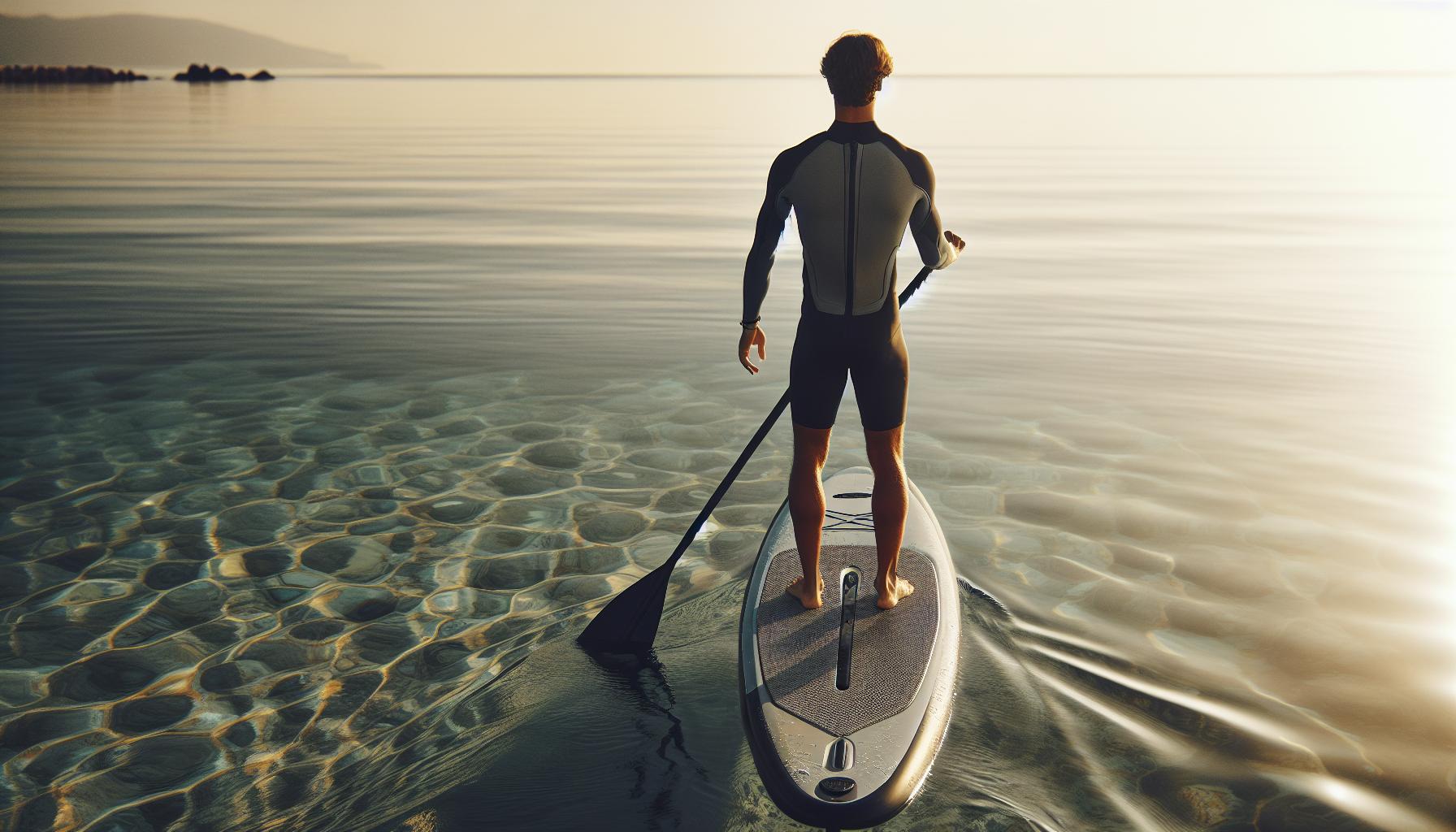
History of Paddle Surfing: From Tradition to Trend
Picture this: the sun glints off the waves, and a steady rhythm of a paddle invites you into the soothing embrace of the water. The origins of paddle surfing, more commonly recognized today as stand-up paddleboarding (SUP), can be traced back to the alluring shores of Hawaii, where it emerged as a vibrant blend of functional surfing and cultural heritage. In the early 1900s, the Beach Boys of Waikiki innovated the technique, using longboards and paddles for a better vantage point over the waves and to capture precious moments of teaching tourists how to surf. This tradition of blending practicality with enjoyment opened the door to a new aquatic experience that would evolve dramatically over the decades.
Fast forward to the 1950s and 60s, when paddle surfing took a bold leap into the spotlight, reborn amidst the surf culture revival. Thanks to legendary figures like Duke Kahanamoku, paddleboarding reignited a passion for the ocean-merging the thrill of riding waves with the serenity of paddling through calm waters. The sport began to transcend its roots, as enthusiasts from various backgrounds embraced the joyous interplay of surfing, fitness, and exploration. This period wasn’t just about creating waves; it was about fostering a community that celebrated the ocean’s bountiful gifts.
By the 21st century, paddle surfing exploded in popularity, evolving from its traditional Hawaiian roots into a global phenomenon. With advancements in technology, like lighter materials and inflatable boards, paddleboarding became accessible to everyone-from seasoned surfers to beginners just dipping their toes in the water. Today, it’s more than just a sport; it’s a lifestyle where people share unforgettable moments: sunrise paddles with friends, peaceful meditative sessions on tranquil lakes, or thrilling adventures alongside dolphins. Whether you’re looking to connect with nature or seeking an exhilarating workout, the evolution of paddle surfing offers something for everyone. The waves continue to beckon; all that’s left is for you to grab a paddle and join the adventure!
Essential Gear for Beginners: Your Ultimate Checklist
Ready to dive into the captivating world of paddle surfing? It’s not just an exciting sport; it’s a gateway to adventure and tranquility on the water, making it essential to gear up properly for your journey. As a beginner, the right equipment not only enhances your experience but also boosts your confidence on the water. Here’s your ultimate checklist of essential gear that will have you paddling like a pro in no time.
Stand-Up Paddleboard
Your adventure begins with the heart of paddle surfing: the board. For beginners, an all-around inflatable paddleboard is a fantastic choice. These boards are typically wider and more stable than hard boards, offering a solid platform as you find your balance. Look for one that’s about 10 to 11 feet long, which is ideal for casual paddling and can support various weights and skill levels. Brands like Pau Hana Surf Supply are renowned for their quality boards that can handle both calm lakes and choppy surf conditions [[1](https://pauhanasurfco.com/?srsltid=AfmBOooWRDlU-V7Owkero9LFJmJ83WBrBOjaC4R8r2mgPWtUOkq7V4J4)].
Paddle
Next up, you’ll need a paddle, and this might just be your most crucial piece of gear. The right paddle helps you glide smoothly across the water. For beginners, a lightweight aluminum paddle with an adjustable length is perfect. Aim for your paddle to be about 6-8 inches taller than you when you’re standing. This extra length ensures a comfortable stroke without straining your back. Consider trying different paddles at your local surf shop to find one that feels just right in your hands!
Leash and Safety Gear
Staying safe as you paddle is essential. A leash is a crucial piece of gear that keeps your board close if you fall off. Opt for a coiled leash for flat water, or a straight leash for surfing, ensuring it’s the right length for your board. Additionally, don’t forget about personal flotation devices. A comfortable, Coast Guard-approved life jacket will not only keep you safe but can also provide stability as you get accustomed to paddling. If you’re venturing into more adventurous waters, consider a whistle for emergency signaling.
Additional Accessories
The right accessories can make your paddleboarding experience even better. Invest in a quality paddle board bag for easy transport, and consider traction pads to enhance grip underfoot. A dry bag can keep your essentials safe and dry while you’re out on the water, allowing you to focus on the scenic views and the thrill of the ride. Sunscreen and water shoes are also must-haves-protecting your skin and feet will help you stay comfortable during your outings.
With this checklist in hand, you’ll be well-prepared to experience the freedom and joy of paddle surfing. So grab your gear, feel the salty breeze on your face, and enjoy the soothing rhythm of the water as you embark on your paddle boarding adventure!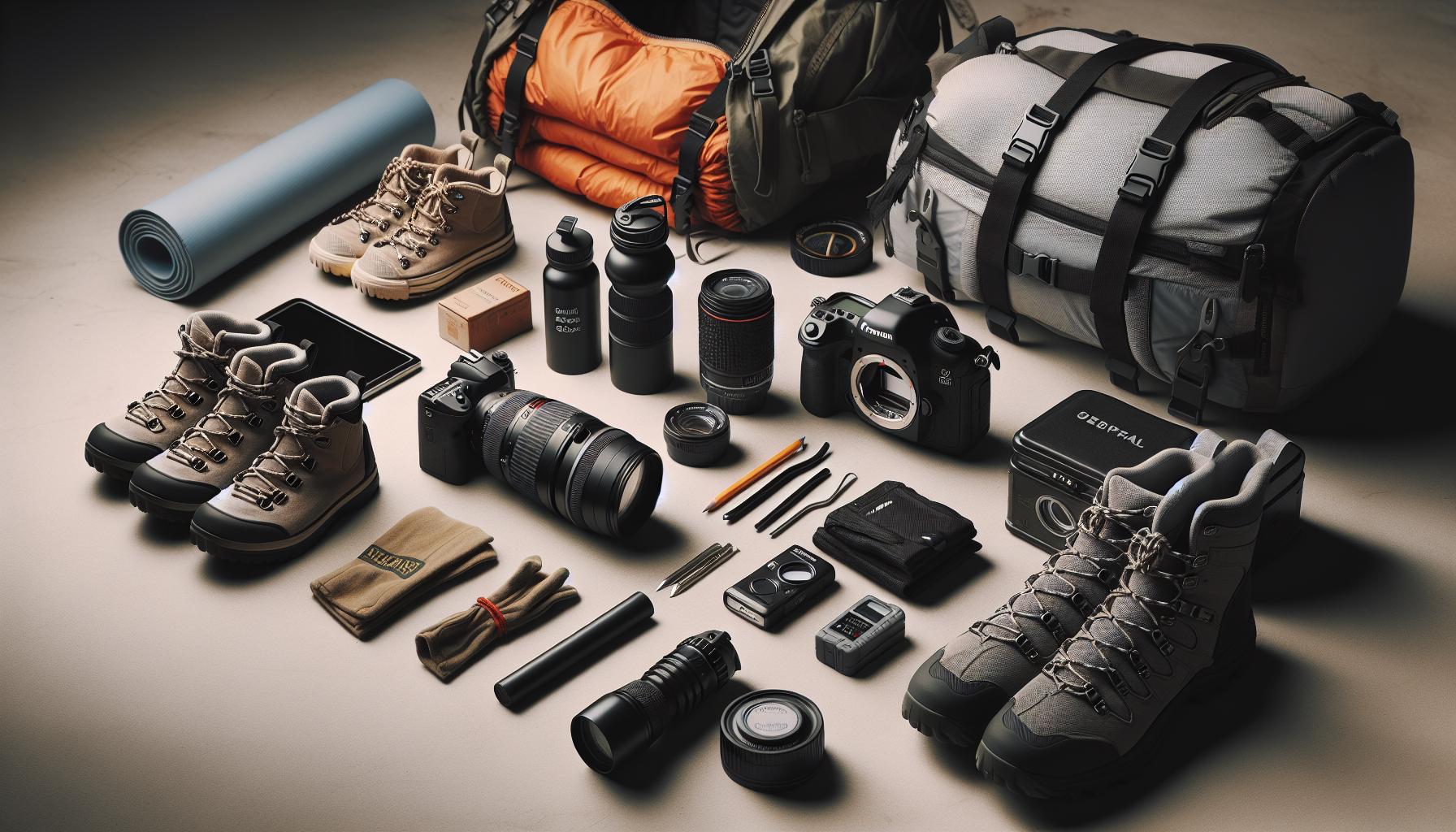
Choosing the Right Paddle Board: Size, Shape, and Style
When it comes to paddle surfing, the board you choose can significantly impact your experience on the water. Think of your paddleboard as your trusted companion, gliding through the surf and providing both stability and style. Selecting the right one can feel a bit overwhelming with so many choices, but understanding a few key elements like size, shape, and style can help you narrow it down and set you on the path to paddleboarding bliss.
Size Matters: Finding Your Fit
The size of your paddleboard primarily determines how it performs in various conditions. A board’s length and width can greatly influence its stability and maneuverability. For beginners, a wider board, typically 30 inches or more, offers a stable platform perfect for building confidence on the water. A length of 10 to 11 feet is ideal as it helps maintain balance while still being easy to paddle. This combination allows for a smooth learning curve; you’ll feel less like a wobbly penguin and more like a majestic dolphin as you catch the waves.
In contrast, if you lean toward performance and speed, a longer board-like one measuring between 11 to 14 feet-might be your jam. These are ideal for distance paddling and surfing, allowing you to glide faster with less effort. Consider your primary activities: casual paddling, surfing, or fitness training. This choice will influence your board size, ensuring you have the right match for your paddleboarding adventures.
Shape Your Experience: The Board’s Profile
The shape of the paddleboard plays a crucial role in its performance. A planing hull, often characterized by a flat bottom, provides stability and is better suited for recreational paddlers who enjoy playful maneuvers and are likely to engage in surfing. This shape allows for easy entry into waves, giving you that rush of adrenaline as you ride the crests.
On the other hand, a displacement hull, which features a pointed nose, is your go-to for efficient paddling over longer distances. This design cuts through the water, making it ideal for fitness enthusiasts or those looking to explore vast stretches of coastline. Think of it as your high-speed vessel, gliding through the water with grace and swiftness.
Styles That Reflect You: Personal Preferences
The last piece of the paddleboard puzzle is its style-this is where the fun really begins! If you’re looking for versatility, all-around boards are fantastic, catering to both flatwater paddling and surf-catching escapades. For aspiring surf lovers, you might want to opt for a dedicated surf paddleboard designed for more agile movements and tighter turns, allowing you to hone your skills while carving waves like a pro.
When choosing a board, consider colors and designs that express your vibe-after all, a vibrant board will not only stand out on the water but will also make your experience feel even more special. Imagine paddling along a sunlit shoreline, with a board that complements your adventurous spirit; it’s a sight that will create Instagram-worthy memories!
With all these tips in mind, selecting the perfect paddleboard becomes an adventure in itself. Whether you’re cruising along calm lakes or challenging the ocean’s waves, having the right board enhances every moment spent on the water. So go ahead, embrace the excitement of paddle surfing, and let your board be your gateway to endless aquatic adventures!
Basic Paddle Techniques: Mastering Your Strokes
The sound of waves crashing against your board, the salty breeze in your hair, and the thrill of gliding over the water is what paddle surfing is all about. But before you can enjoy those moments, you’ll need to master some basic paddle techniques to harness the energy of the ocean effectively. Learning these strokes not only gives you control over your board but also enhances your overall experience, allowing you to connect more deeply with the rhythm of the sea.
To get started with the fundamental paddling stroke, stand with your feet shoulder-width apart and your knees slightly bent for an athletic stance. Grip the paddle firmly with one hand on the shaft and the other on the handle. Your lower hand should be positioned about shoulder-width apart from the bottom of the paddle. This setup is crucial for leverage and power. As you dip the blade into the water, keep your arms straight but relaxed. The key to an efficient stroke is rotating your core instead of just your arms. Engage your torso as you pull the paddle through the water, allowing the blade to slice through like a knife through butter.
Key Techniques to Master
- Forward Stroke: This is your go-to paddle motion for moving forward. Keep the paddle close to the board and apply pressure as you pull back. Aim for a smooth, fluid motion that feels like a dance between you and the water.
- Reverse Stroke: When you need to slow down or stop, reverse your paddle stroke. This involves pulling the paddle in the opposite direction, which allows you more control and stability.
- Turning: To turn left, paddle on the right side of the board and vice versa. Sharp turns require you to get your body weight over the edge slightly, enhancing responsiveness.
- Bracing: If you feel like you’re about to tip, a quick brace can save you. Plunge the paddle vertically into the water beside you while shifting your weight away from the tip, helping prevent a wipeout.
Each stroke will take practice, but the beauty of paddle surfing is in that journey-embracing the mistakes, feel the balance of your board beneath your feet, and savor the connection with nature. Picture yourself gliding effortlessly across shimmering waters, all while feeling like a true water warrior.
As you refine your strokes, don’t rush the process. Go out on calm days and focus on the rhythm of your movements. Feel the sun warming your back and listen to the soothing sounds of nature. Paddle with purpose, and soon you’ll find it second nature, letting you take in the stunning ocean views around you and perhaps share a laugh with friends as you all navigate your own paddle surfing escapades together. With every stroke, you draw closer to mastering the art of paddle surfing-each moment a wave of joy waiting to unfurl!
Safety Tips for Stand-Up Paddleboarding Fun
The thrill of gliding across the sparkling water on a paddleboard signals freedom, adventure, and a deep connection with nature. However, before you paddle out into the wild blue yonder, it’s essential to prioritize your safety so you can focus on the good vibes and exhilarating moments. Whether you’re embarking on a solo voyage or enjoying time with friends, following some simple safety tips will ensure that you keep the fun rolling and the worries at bay.
First and foremost, wearing a personal flotation device (PFD) is crucial. It’s not only a good practice, but it’s also often a legal requirement to have one on board. Choose an inflatable PFD for comfort-it’s lightweight and unrestrictive, allowing for free movement as you paddle. Additionally, carry a whistle that can be heard over the sound of crashing waves. A pea-less variety is ideal since it works fine even when wet. Attach it to your PFD so it’s always within reach, just in case you need to signal for help. It’s a small item, but it can be a lifesaver in critical situations.
Understanding your environment plays a vital role in paddleboarding safety. Always check the weather and ocean conditions before heading out; strong winds and sudden changes in tide can turn even a peaceful outing into a challenge. Opt for calm days as a beginner, and familiarize yourself with any local regulations and hazards like busy boating zones or rocky areas. When paddling in a group, establish a safety plan. Designate a buddy system and stay within sight of each other, communicating constantly. Remember, the ocean is as unpredictable as it is beautiful, so staying aware allows you to embrace its wonders without compromising your safety.
When you embark on your aquatic adventure, keep basic safety gear close at hand. A quick first-aid kit with essentials can be life-saving if minor mishaps happen. Sun protection is non-negotiable too; slather on waterproof sunscreen and wear UV-protective clothing to keep your skin safe from sun damage while you soak in those golden rays. Lastly, always have a plan for getting back to shore. Know your route and be prepared to paddle back against currents if needed. The joy of paddleboarding is enhanced exponentially when you’re well-prepared and ready to navigate whatever the sea throws your way!
Best Paddle Boarding Locations for Adventure Seekers
Imagine paddling across crystal-clear waters, with the sun painting the sky in hues of orange and pink as it dips below the horizon-this is the essence of paddle surfing! If you’re ready to trade the mundane for a little slice of bliss and adventure, let’s dive into some of the best paddle boarding locations that will surely quench your thirst for exploration.
One of the crown jewels of paddle boarding is undoubtedly Oahu, Hawaii. With its azure waves and tranquil lagoons, it’s the ultimate playground for water sports enthusiasts. Try your hand at paddle surfing along the North Shore, where you’ll find pristine beaches, friendly locals, and breathtaking views. Tip: Don’t miss the sunrise paddle at Lanikai Beach, where the calm waters reflect the iconic Mokulua Islands. The stillness of early morning combined with the gentle sounds of lapping waves creates a completely magical experience.
For those keen on exploring mainland gems, Lake Tahoe, California, offers a stunning backdrop of the Sierra Nevada mountains. The expansive blue waters are perfect for paddling, whether you’re keen on a solo adventure or looking to gather friends for some fun. The lake is vast, but spots like Sand Harbor and Emerald Bay provide breathtaking views and a chance to enjoy paddle boarding amidst nature. Here, you can glide around rocky coves and take a splash under the summer sun. Don’t forget your waterproof camera to capture unforgettable moments!
Adventurous spirits should also consider Santa Cruz, California, known for its vibrant surf culture and diverse marine life. Imagine the thrill of spotting playful sea otters while maneuvering your board beside kelp forests. The Monterey Bay National Marine Sanctuary is a must-visit for anyone eager to connect with the ocean’s wonders. Be sure to paddle out to the beautiful sunsets at Steamer Lane, famous for its surf breaks; the atmosphere is electric, making it the perfect spot for both beginners and seasoned paddlers.
Before you pack your bags and hit the waters, remember to plan your trip according to the season and weather conditions. Key tips: Always check the local regulations, and if you can, join a guided tour to learn more about the area’s unique ecosystems. Whether you’re paddling through serene lakes or challenging ocean waves, these locations promise an exhilarating escape from the everyday grind and an adventure that will fill your soul with joy! Get ready to embrace the thrill of paddle surfing and let adventure call you out onto the waves.
Tips for Paddle Surfing with Friends and Family
Imagine the sun shining down as you paddle alongside friends, laughter echoing across the water, and the shimmering ocean stretches out before you-this is the magic of paddle surfing with your closest crew! Sharing the experience of gliding over tranquil lakes or exciting surf can create lasting memories. To make the most of your paddle outing, consider some essential tips that’ll not only enhance your fun but also strengthen those bonds.
First, communication is key, especially when you’re on the water. Before you set off, gather everyone and discuss your plans. Talk about the paddling route, potential spots for breaks, and how you’ll handle any unexpected situations-like unplanned waves or pesky seagulls! Establish a system for signaling, so everyone can stay together and navigate any challenges gracefully. A simple wave of the paddle or a shout will do wonders for staying connected as you explore.
Next, it’s beneficial to choose a variety of paddleboards that suit the skill levels of your group. If some of your friends are new to paddle surfing, having a mix of stable boards for beginners and more agile boards for seasoned paddlers can accommodate everyone. Consider using wider boards for beginners-they’re generally more stable and lessen the chances of wipeouts, allowing your friends to confidently enjoy the water. At the same time, make sure more experienced surfers have an opportunity to challenge themselves! Remember, safety first, so always wear life jackets if you’re on open waters.
Lastly, consider incorporating some playful activities into your adventure. Why not organize a friendly race to that distant buoy or even a paddleboard yoga session? Friendly competition can elevate the excitement, while calming moments allow everyone to relax and soak up the serene surroundings. Capture these moments-whether it’s your friend trying to balance while striking a yoga pose or the look of pure joy as someone successfully rides a little wave-so you can laugh over them later and relive the day together.
These tips will not only elevate your paddle surfing experience but will also ensure that everyone leaves the water with smiles and great stories to tell. So gear up, gather your friends and family, and get ready for a day full of adventure, laughter, and unforgettable memories on the water!
Exploring Paddle Surfing Fitness Benefits
Paddle surfing isn’t just an exhilarating way to explore water; it also offers a treasure trove of fitness benefits that can transform your body while you soak up the sun! Imagine gliding over the sparkling water, each stroke propelling you forward as your muscles engage in a rhythmic dance with the waves. This engaging activity strengthens not only your core but also builds endurance and versatility, making it an ideal workout for anyone looking to enhance their fitness levels and overall well-being.
When you paddle, you’re employing a full-body workout. Your arms, back, and shoulders work tirelessly with every smooth stroke, while your core stabilizes you on the board. This stability challenges your balance and coordination, which can translate into better performance in other sports or daily activities. In fact, studies suggest that spending just a couple of hours paddling can burn upwards of 400-600 calories, depending on your intensity and body weight! Plus, the low-impact nature of paddle surfing makes it a fantastic option for individuals of all ages and fitness levels.
Incorporating paddle surfing into your fitness routine also provides incredible mental health benefits. The combination of rhythmic paddling and being surrounded by the soothing sounds of splashing waves and birds will clear your mind and reduce stress. Picture yourself gliding across tranquil lakes at sunrise, the sky painted in hues of orange and pink, while the refreshing breeze dances around you. This meditative quality not only calms your mind but also enhances your mood, promoting a sense of well-being that’s hard to find in a traditional gym setting.
To maximize your paddle surfing fitness experience, consider integrating specific exercises that complement your time on the board. Activities such as swimming, yoga, or resistance training can improve your strength and flexibility, allowing you to paddle longer and more efficiently. Additionally, embracing group outings can transform fitness into a shared journey, where laughter and camaraderie boost motivation, making workouts feel less daunting. So grab your friends, hit the water, and let paddle surfing transform your fitness journey with every stroke!
Common Mistakes Beginners Make and How to Avoid Them
Stepping onto a paddle board for the first time can be as thrilling as it is daunting. The gentle lapping of waves against the board, coupled with the salty breeze and the possibility of adventure, creates an inviting atmosphere. However, many newcomers find themselves making similar missteps that can dampen the experience. By recognizing and avoiding these common pitfalls, you’ll transform paddling from a struggle into pure joy, gliding effortlessly over the water like a pro.
One of the most significant mistakes beginners make is improper foot placement. Many tend to stand too far forward or backward on the board, resulting in a precarious balance that can lead to tipping over. To find your sweet spot, position your feet hip-width apart and centered over the handle. This stance will help you maintain balance as you paddle. Another common error is forgetting to engage your core. Many novices rely solely on their arms, leading to fatigue and awkward strokes. Instead, think of each stroke as a full-body movement, engaging your core as you twist from side to side, similar to how a dancer flows with the rhythm of music.
Understanding paddle technique is also crucial. A frequent flaw is using too much energy and over-paddling; beginners often paddle too wide or with a flutter kick that creates unnecessary drag. Concentrate on deep, smooth strokes that enter the water just in front of your feet and exit behind you. This efficient technique not only propels you forward more effectively but preserves your energy for longer adventures. Combine this with proper blade positioning-keeping the paddle blade parallel to the board as you slice through the water-and you’ll maximize your performance.
Don’t forget about your surroundings! Being too focused on paddling can lead to neglecting your balance and positioning in relation to the wind and waves. Always keep your eyes up, scanning the horizon and adjusting your stance to face incoming swells. If you feel yourself tipping, don’t panic! Lower your center of gravity by bending your knees slightly and engaging that core for stability. Finally, if you find yourself in a group, avoid the temptation to chase your friends; instead, paddle at your own pace, enjoying the moment as you connect with the soothing water around you. Embrace these tips, and you’ll not only avoid common mistakes but also find yourself navigating the waves with newfound confidence and ease.
Advanced Techniques: Tricks for the Aspiring Pro
The ocean is calling, and once you’ve mastered the basics of paddle surfing, it’s time to elevate your game and impress both yourself and your friends with some advanced techniques. Paddle surfing isn’t just about gliding; it’s an art form-one that opens up a world of exciting maneuvers that can make your sessions on the water even more exhilarating. Picture yourself slicing through the waves with grace, drawing on techniques that set you apart as an aspiring pro.
To start your journey into advanced paddle techniques, consider the Step Back Turn, a dynamic maneuver that provides great agility. This technique comes into play when you need to pivot quickly while navigating tricky waters. Instead of wasting energy with unnecessary strokes, simply step back on your board toward the tail and use a powerful stroke on the side you want to turn toward. Your weight shift and clean paddle entry should have you zipping around like a seasoned pro. It’s a mesmerizing sight to witness, both for you and anyone watching from the beach.
Another fantastic technique to add to your repertoire is the Cross Bow Stroke. This intermediate skill showcases your athleticism and ability to adapt to your surroundings. Begin by positioning your paddle across your body, striking the water on the opposite side of the intended direction. Not only does this stroke change your trajectory with maximizing efficiency, but it also gives you stability in rough water. That feeling of balance as you glide effortlessly past your friends will evoke cheers and admiration; it’s a heady mix of thrill and pride.
Lastly, embrace the art of wave riding to truly refine your paddle surfing experience. This is where the fun really begins! As you catch a wave, shift your weight and paddle with quick, effective strokes to maintain your speed. The sensation of carving through the wave brings a rush of adrenaline as you dance with the energy of the ocean. Don’t be afraid to experiment with turns and tricks like the paddle hop, where you lift your board slightly while traversing the wave, adding flare to your routine that will certainly get attention.
With practice, confidence, and a creative spirit, you’ll elevate your paddle surfing game to dazzling heights. So, grab your board, channel the essence of the ocean, and let every wave reward you with the thrill of adventure and mastery!
How to Plan Your First Paddle Surfing Adventure
Embarking on your first paddle surfing adventure promises not just excitement but a kaleidoscope of unforgettable experiences. Picture this: you arrive at a sun-drenched beach, the salty breeze tousling your hair, and the rhythmic sound of waves beckoning you toward the horizon. Your adventure begins with a little planning-get ready to dive into nature’s playground!
Start by choosing the perfect location. Research local beaches or lakes known for their serene conditions and gentle waves, making them ideal for beginners. Look for sunlit spots where the water glistens like diamonds-calm bays often provide ideal settings. Additionally, consult local weather forecasts to ensure you’re paddling on a day when the sun shines bright and winds are mellow, creating a smooth canvas for your ride.
Next, consider the essentials. As you gear up, ensure your paddle board is suitable for your height and weight, allowing for easy balance and stability on the water. Packing a life jacket or personal flotation device (PFD) is a non-negotiable for safety, even if you’re a seasoned swimmer. Don’t forget sunscreen to protect against the sun’s fierce rays, and bring along drinks to stay refreshed as you bask in nature’s glow. Strapping up your board and laying out the accessories can be as thrilling as the adventure itself, setting the mood for a beautiful day ahead.
Once you arrive, take a moment to absorb your surroundings. The call of sea gulls and the gentle lapping of waves create a symphony that dances around you. Familiarize yourself with your board; practice getting on and off, and find your balance in shallow waters. Engage with fellow paddlers or seasoned surfers nearby-they often share invaluable tips that can enhance your experience. Remember, every great adventure starts with a single paddle stroke; as you launch into the water, let the joy of exploration wash over you with each glide toward the horizon-this could be the start of a lifelong love affair with paddle surfing!
Faq
Q: What is the difference between paddle surfing and traditional surfing?
A: Paddle surfing involves standing on a board and using a paddle to navigate through the water, while traditional surfing is done lying on the board and catching waves without a paddle. Paddle surfing allows for more versatility in various water conditions and is often easier for beginners to master.
Q: How can beginners improve their paddle surfing skills quickly?
A: Beginners can improve their paddle surfing skills by practicing balance, taking lessons from experienced surfers, and focusing on basic paddle techniques. Regular practice and mindfulness of body position are key to gaining confidence on the board. Check out our section on Basic Paddle Techniques for more tips!
Q: What safety gear is essential for paddle surfing?
A: Essential safety gear for paddle surfing includes a personal flotation device (PFD), a leash to secure the board, and possibly a wetsuit depending on the water temperature. Knowing basic safety rules and conditions is crucial; always check our Safety Tips section.
Q: Is paddle surfing suitable for all ages?
A: Yes! Paddle surfing is suitable for all ages. It’s a family-friendly activity that can be enjoyed by children, teens, and adults alike. Ensure that younger participants are supervised and wear appropriate safety gear to promote a safe experience.
Q: What are the best times of year to start paddle surfing?
A: The best times to start paddle surfing typically depend on local weather and water conditions, but spring and summer are often ideal due to warmer weather and calmer waters. Consult your local surf community for specific seasonal recommendations.
Q: How do I transport a paddle board effectively?
A: Transporting a paddle board effectively can be done by using a roof rack or inflatable models that can fit into your trunk. Ensure the board is secure and protected from damage during transit. For detailed tips, check out our Essential Gear for Beginners section!
Q: Can paddle surfing provide a workout?
A: Absolutely! Paddle surfing is an excellent full-body workout that builds core strength, improves balance, and enhances cardiovascular fitness. Regular practice can contribute significantly to your overall fitness routine, as discussed in our Exploring Paddle Surfing Fitness Benefits section.
Q: What should I do if I fall off my paddle board?
A: If you fall off your paddle board, stay calm and remember to swim back to the board. Always try to maintain awareness of your surroundings and ensure you’re in a safe area away from obstacles. Refer to our Safety Tips for more detailed advice on falling safely.
In Retrospect
Ready to dive into the exhilarating world of paddle surfing? This guide has equipped you with the essentials, from understanding the sport to choosing the right gear. Whether it’s gliding over shimmering waves or exploring serene lakes, stand-up paddleboarding offers a perfect escape into nature’s beauty. Don’t let hesitation hold you back-get out there and experience the thrill for yourself!
If you want to sharpen your paddle skills further, check out our articles on “Top 5 Essential SUP Techniques” and “Choosing the Right Paddle Board for Your Adventure.” Also, be sure to join our mailing list for tips, exclusive deals on gear, and updates about local paddleboarding events. Your adventure begins now! Dive into your next read and discover the wonders of the water. Feel free to leave a comment below-what are you excited about in your paddle surfing journey? Let’s ride the waves together!
Get our latest guides, news, and insights highlighted in your Google Search & AI Overviews.